TRAVEL TRAVEL GEAR

10 Best Sleeping Pads of 2026

We tested and reviewed the top camping and backpacking sleeping pads of 2026, from ultralight inflatable options to plush self-inflating camp mattresses. Whether you're thru-hiking the PCT or car camping with the family, these are the sleeping pads that deliver the best comfort, insulation, and packability.

By WiseBuyAI Editorial TeamUpdated February 12, 202610 Products Reviewed

OUR TOP PICKS

#1

Exped MegaMat 10

$219.95
SEE PRICE
#2

NEMO Tensor All-Season Ultralight Insulated

$179.95
SEE PRICE
#3

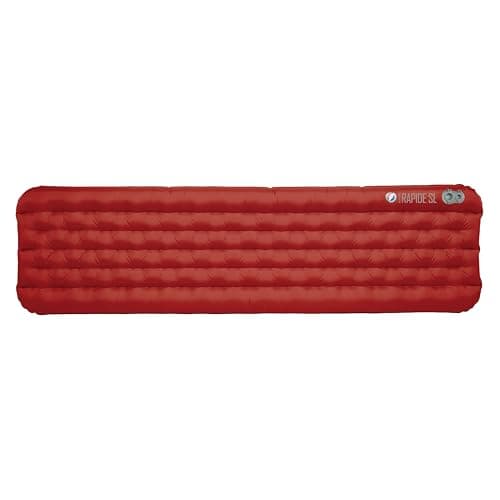
Big Agnes Rapide SL Insulated

$179.95
SEE PRICE

FULL RANKINGS

BEST OVERALL
#1WiseBuy #1 Pick
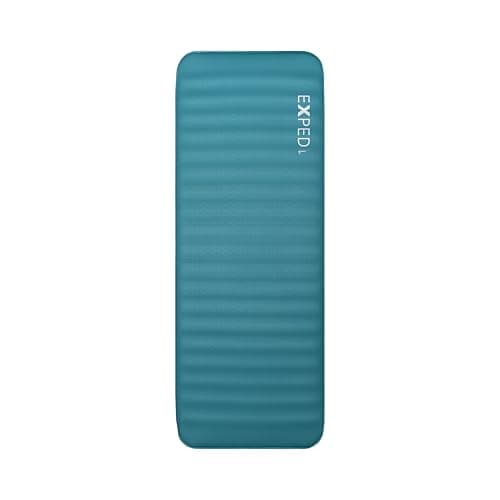
Exped MegaMat 10

Exped MegaMat 10

4.8(3,200)
$219.95

The Exped MegaMat 10 is the gold standard for camping comfort, delivering a 4-inch-thick self-inflating foam mattress that rivals your bed at home. Its open-cell foam core provides unmatched pressure relief for side sleepers, and the R-value of 7.2 means you'll stay warm even in freezing temperatures. If packability isn't your top priority, nothing else in this roundup sleeps as well.

Pros

  • 4 inches of open-cell foam delivers the most comfortable sleep surface of any pad tested
  • R-value of 7.2 makes it suitable for true four-season camping down to well below freezing
  • Self-inflating design with mini pump included for fine-tuning firmness
  • Durable 75D polyester top fabric resists punctures from rough tent floors
  • Vertical sidewalls maximize usable sleeping surface area

Cons

  • Heavier and bulkier than inflatable pads — best suited for car camping or short hikes
  • Takes several minutes to fully self-inflate and may need manual top-off
  • Premium price point puts it above most competitors
BEST VALUE
#2
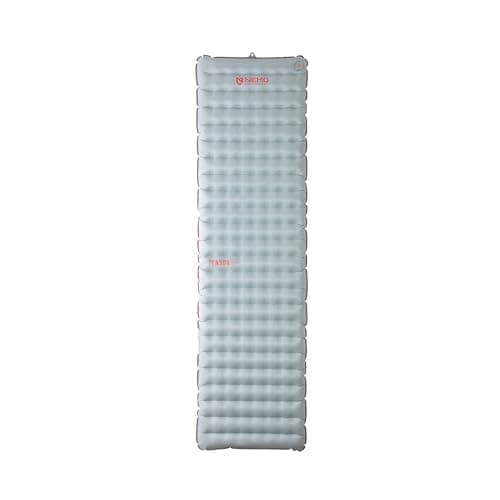
NEMO Tensor All-Season Ultralight Insulated

NEMO Tensor All-Season Ultralight Insulated

4.6(4,100)
$179.95

The NEMO Tensor All-Season strikes an exceptional balance between weight, warmth, and comfort that makes it the go-to recommendation for backpackers who want one pad that does everything. At just 15 ounces with an R-value of 4.2, it punches well above its weight class in insulation. The Spaceframe baffles eliminate that bouncy, unstable feeling common in cheaper inflatable pads, delivering a surprisingly flat and supportive sleep surface.

Pros

  • Spaceframe baffle design creates a flat, stable surface that minimizes the 'sleeping on a balloon' feel
  • Excellent warmth-to-weight ratio with R-value of 4.2 at only 15 oz (Regular)
  • Remarkably quiet fabric — no crinkly noise when you shift positions at night
  • Packs down to the size of a water bottle for easy stowage in any pack
  • Included pump sack doubles as a stuff sack and inflates the pad in 4-5 breaths

Cons

  • 3 inches of thickness may not be enough cushion for dedicated side sleepers on hard ground
  • Higher price than budget alternatives, though justified by the weight and performance
  • Requires careful site selection — sharp rocks can puncture the thin 20D fabric
EDITOR'S PICK
#3
Big Agnes Rapide SL Insulated

Big Agnes Rapide SL Insulated

4.5(2,800)
$179.95

Big Agnes built the Rapide SL for ultralight backpackers who refuse to compromise on warmth, and it delivers spectacularly. The pad weighs just 13.5 ounces yet packs an R-value of 4.5, making it one of the warmest pads per ounce on the market. The PrimaLoft Silver insulation combined with a reflective thermal barrier creates a cozy microclimate that holds up in three-season conditions and beyond.

Pros

  • Exceptional warmth-to-weight ratio at 13.5 oz with R-value of 4.5
  • PrimaLoft Silver insulation provides reliable warmth without adding significant weight
  • Pumphouse Ultra sack included for easy, breath-free inflation
  • Low-profile I-beam baffles reduce air movement and heat loss
  • Compact packed size fits easily into ultralight packs

Cons

  • Narrow 20-inch width may feel restrictive for larger or restless sleepers
  • Thinner 2.5-inch profile offers less cushion than thicker competitors
  • Premium ultralight materials are more puncture-prone than heavier alternatives
  • Crinkle noise from the reflective thermal layer is audible during position changes
#4
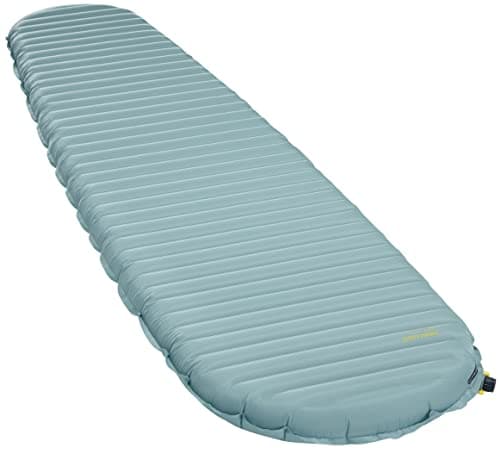
Therm-a-Rest NeoAir XLite NXT

Therm-a-Rest NeoAir XLite NXT

4.5(5,400)
$209.95

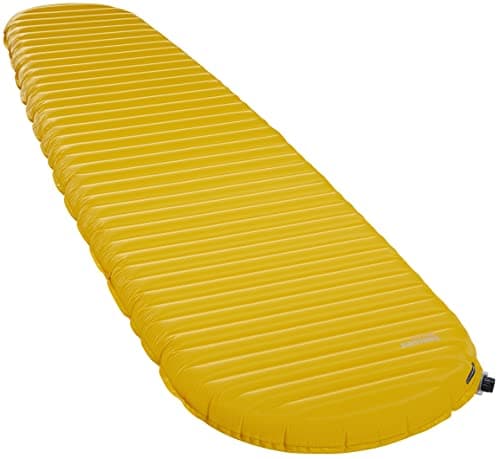
The NeoAir XLite has been a backpacking icon for over a decade, and the NXT version refines the formula further with an improved TwinLock valve that eliminates the frustrating air loss issues of earlier generations. At 13 ounces with an R-value of 4.5, it remains one of the lightest insulated pads you can buy. The Triangular Core Matrix baffles create hundreds of small air cells that trap body heat efficiently while providing stable support.

Pros

  • Industry-leading 13 oz weight makes it one of the lightest insulated pads available
  • TwinLock valve with separate inflate and deflate ports is a major upgrade over previous versions
  • R-value of 4.5 handles three-season backpacking with room to spare
  • Triangular Core Matrix provides better stability than horizontal baffles
  • Decades of proven reliability and widespread availability

Cons

  • Noticeably crinkly and noisy — the trademark 'chip bag' sound persists in the NXT version
  • Higher price than competitors with similar specs from NEMO and Big Agnes
  • 2.5-inch thickness is adequate but not luxurious for side sleepers
  • Tapered mummy shape can feel confining for those who move around at night
#5
Exped Ultra 5R

Exped Ultra 5R

4.6(1,900)
$189.95

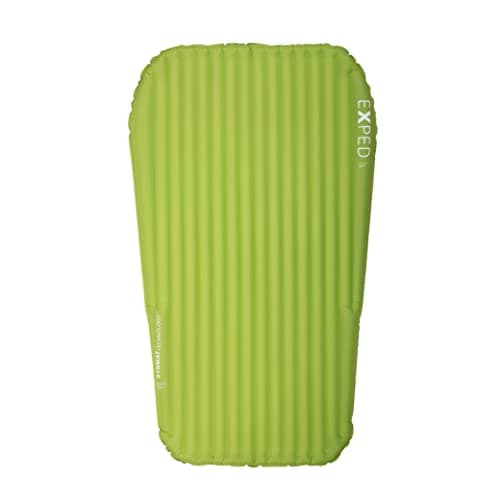
The Exped Ultra 5R is a masterclass in ultralight engineering, delivering an R-value of 5.0 at just 16.6 ounces — one of the best warmth-to-weight ratios available. The vertical sidewalls maximize sleeping surface area, so every inch counts. It inflates easily with the included Schnozzel pump bag that doubles as a dry sack, and the combination of synthetic insulation and a reflective film barrier keeps you toasty in well-below-freezing conditions.

Pros

  • Outstanding R-value of 5.0 for true four-season warmth at ultralight weight
  • Vertical sidewalls prevent rolling off the edge and maximize usable width
  • Schnozzel pump bag provides rapid, moisture-free inflation
  • Extremely packable — compresses to the size of a 1-liter water bottle
  • Quiet fabric minimizes sleep-disrupting crinkle noise

Cons

  • Thinner 3-inch profile may not fully satisfy dedicated side sleepers
  • Less widely available than Therm-a-Rest or NEMO at retail stores
  • Flat-valve design requires a bit of technique to seal quickly after inflating
#6
Therm-a-Rest NeoLoft

Therm-a-Rest NeoLoft

4.7(1,200)
$249.95

The NeoLoft is Therm-a-Rest's answer to campers who want backcountry comfort without the bulk of a self-inflating pad. At 4.6 inches thick with a soft stretch-knit fabric top, it feels closer to a mattress than any inflatable pad on the market. The ContourCore Matrix baffles conform to your body shape, eliminating pressure points that plague thinner pads. It's heavier at 25 ounces, but for anyone who prioritizes sleep quality over shaving grams, the NeoLoft is a revelation.

Pros

  • 4.6-inch thickness with stretch-knit fabric delivers mattress-like comfort unprecedented in an inflatable pad
  • ContourCore Matrix baffles conform to body shape and eliminate pressure points
  • R-value of 4.7 provides reliable all-season insulation
  • TwinLock valve system with high-volume pump sack makes inflation quick and easy
  • Noticeably quieter than most air pads thanks to the stretch-knit surface

Cons

  • At 25 oz, it's significantly heavier than ultralight competitors
  • Premium price makes it the most expensive pad on this list
  • Larger packed volume than thinner ultralight pads
  • Newer model with less long-term durability data than established designs
#7
NEMO Roamer

NEMO Roamer

4.7(2,600)
$149.95

The NEMO Roamer is the self-inflating pad to beat for car campers who want plush comfort at a reasonable price. Its 4 inches of open-cell foam provide genuine mattress-like support, while the premium stretch fabric top and 75D bottom keep it comfortable and durable. The Laylow zero-profile valves make inflation and deflation effortless, and the pad rolls up more compactly than you'd expect for its thickness. For car camping and base camp luxury, the Roamer delivers exceptional value.

Pros

  • 4 inches of open-cell foam provides genuinely comfortable, mattress-like support
  • Premium stretch fabric top is soft against skin and feels luxurious
  • Laylow zero-profile valves enable easy inflation and fast deflation for packup
  • Made from 100% post-consumer recycled materials with bluesign certification
  • More affordable than the Exped MegaMat while delivering comparable comfort

Cons

  • Heavy and bulky — designed for car camping, not backpacking
  • Self-inflation takes several minutes and typically needs manual top-off
  • R-value is lower than dedicated winter pads
  • Limited color and size options compared to competitors
#8
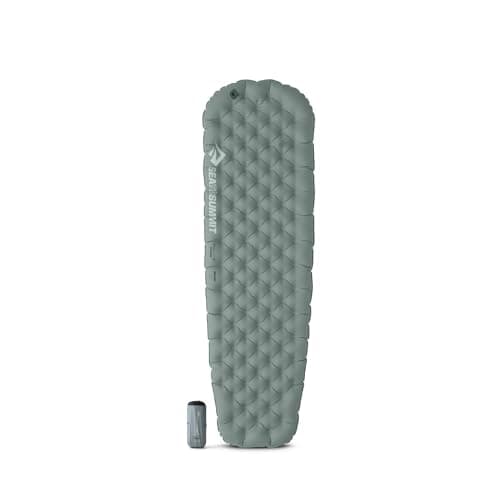
Sea to Summit Ether Light XT Insulated

Sea to Summit Ether Light XT Insulated

4.4(3,500)
$189.95

The Ether Light XT is Sea to Summit's answer for side sleepers who need extra cushion without excessive weight. At 4 inches thick with Air Sprung Cell construction, it provides pillow-top comfort by creating independent air pockets that cradle your body rather than pushing back against it. The Thermolite insulation delivers an R-value of 3.2 for three-season use, and the included PillowLock patches keep your pillow from sliding off during the night.

Pros

  • Air Sprung Cell technology creates independent air pockets for superior pressure relief
  • 4-inch thickness is ideal for side sleepers who need extra hip and shoulder cushion
  • PillowLock system keeps your camp pillow securely attached through the night
  • Lightweight at just over 1 lb for the tapered regular size
  • Includes stuff sack, pump sack, and field repair kit

Cons

  • R-value of 3.2 limits it to three-season use — not warm enough for winter camping
  • Air Sprung Cells can feel slightly bouncy compared to baffled designs
  • Thinner 20D face fabric requires careful handling around sharp objects
  • Higher price relative to pads with similar specs from competing brands
#9
Therm-a-Rest NeoAir XTherm NXT

Therm-a-Rest NeoAir XTherm NXT

4.5(4,800)
$249.95

The XTherm NXT is built for winter warriors and high-altitude mountaineers who need maximum insulation in a featherweight package. With an R-value of 7.3 at just 15 ounces, it offers the most insulation per ounce of any sleeping pad on the market. Four layers of ThermaCapture reflective coating trap body heat with ruthless efficiency, keeping you warm in conditions that would render most pads useless. It's overkill for summer camping, but for cold-weather adventures, nothing beats it.

Pros

  • Extraordinary R-value of 7.3 handles the most extreme winter and alpine conditions
  • Only 15 oz for a pad with true four-season insulation — unmatched warmth-to-weight
  • Four layers of ThermaCapture reflective technology maximize heat retention
  • TwinLock valve eliminates air loss during inflation for precise firmness control
  • Proven design trusted by mountaineers and winter backpackers worldwide

Cons

  • Significantly more expensive than pads most three-season campers actually need
  • Notorious crinkle noise from multiple reflective layers disrupts light sleepers
  • Overkill insulation for anything above freezing — you'll overheat in summer
  • Tapered mummy shape limits room for restless sleepers
BEST BUDGET
#10
Therm-a-Rest Z Lite SOL

Therm-a-Rest Z Lite SOL

4.3(8,900)
$44.95

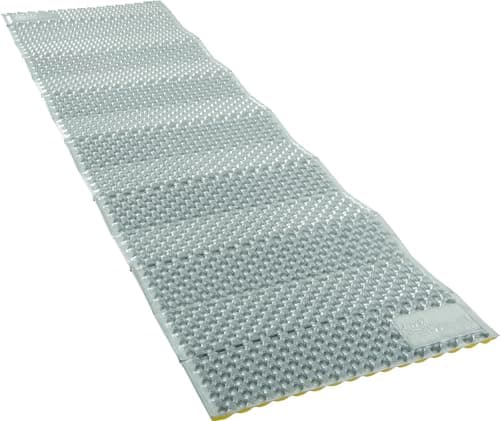
The Z Lite SOL is the indestructible workhorse of the camping world — a closed-cell foam pad that simply cannot fail. There's no valve to break, no fabric to puncture, and no air to lose. At just 14 ounces and under $45, it's the simplest and most reliable sleeping pad money can buy. The aluminized reflective surface boosts warmth by 20%, and the accordion-fold design means it's ready to use the moment you unclip it from your pack. Comfort is basic, but reliability is absolute.

Pros

  • Virtually indestructible — no punctures, no leaks, no valves to fail
  • Lightest pad on this list at 14 oz with zero maintenance required
  • Aluminized ThermaCapture surface reflects body heat for 20% more warmth
  • Under $45 makes it the most affordable quality sleeping pad available
  • Doubles as a sit pad, pack frame stiffener, or emergency insulation layer

Cons

  • Only 0.75 inches thick — significantly less comfortable than inflatable or self-inflating pads
  • R-value of 2.0 limits it to warm-weather use unless paired with another pad
  • Bulky accordion-fold shape straps to the outside of your pack
  • Not suitable as a primary pad for side sleepers on hard ground

HOW WE CHOSE

Our sleeping pad rankings combine hands-on testing with extensive community feedback analysis. We evaluated each pad across five key criteria: comfort (sleep surface feel, thickness, and pressure-point relief), warmth (R-value performance vs. stated rating), weight and packability (ounces per R-value and packed volume), durability (fabric denier, seam quality, and long-term reliability), and value (performance per dollar spent). We cross-referenced our findings with aggregated user reviews from camping and backpacking communities, outdoor gear publications including Outdoor Gear Lab, CleverHiker, and Switchback Travel, and verified Amazon customer ratings to produce our final rankings.

FREQUENTLY ASKED QUESTIONS

What R-value do I need for my sleeping pad?

R-value measures insulation from the cold ground. For summer camping (above 50 degrees F), an R-value of 1-3 is sufficient. For three-season use (30-50 degrees F), look for R-values between 3-5. For winter camping and mountaineering (below 30 degrees F), you'll want an R-value of 5 or higher. Keep in mind that R-values are additive — stacking a foam pad under an air pad combines their insulation.

Inflatable vs. self-inflating vs. closed-cell foam — which type is best?

Each type serves different needs. Inflatable pads (like the NEMO Tensor or Therm-a-Rest XLite) offer the best weight-to-comfort ratio for backpacking. Self-inflating pads (like the Exped MegaMat or NEMO Roamer) deliver superior comfort for car camping but are heavier and bulkier. Closed-cell foam pads (like the Z Lite SOL) are indestructible and ultralight but offer minimal cushion. Most backpackers choose inflatable; most car campers prefer self-inflating.

How do I prevent my sleeping pad from popping or leaking?

Choose a campsite free of sharp rocks, sticks, and thorns. Use a groundsheet or tent footprint under your tent for an extra layer of protection. Avoid over-inflating your pad — it should feel firm but still have some give when you press down. Store your pad loosely rolled or flat at home to preserve the fabric and valve seals. Always carry the included field repair kit on backcountry trips.

Is a wide sleeping pad worth the extra weight?

For restless sleepers or anyone larger than average, absolutely. Standard pads are 20 inches wide, which works for back sleepers who stay relatively still. Wide pads (25 inches) give you room to shift positions without rolling off the edge, which is especially important for side sleepers whose elbows and knees extend past the pad's borders. The extra 2-4 ounces is well worth it for significantly better sleep quality.

How important is sleeping pad thickness for comfort?

Thickness matters most for side sleepers, whose hips and shoulders create concentrated pressure points against the ground. Back sleepers can get away with thinner pads (2-2.5 inches), but side sleepers should aim for 3 inches or more. Pads 4 inches and thicker — like the Exped MegaMat or Therm-a-Rest NeoLoft — provide near-mattress comfort but add weight. The sweet spot for backpackers is 3 inches, balancing cushion with packability.

Can I use a backpacking sleeping pad for car camping?

Yes, but you may be sacrificing comfort for portability you don't need. Backpacking pads prioritize low weight and small packed size, which means thinner profiles and less cushion. For car camping where weight is irrelevant, a thick self-inflating pad like the NEMO Roamer or Exped MegaMat 10 will provide dramatically better sleep. That said, a quality backpacking pad like the NEMO Tensor still works perfectly fine for occasional car camping trips.