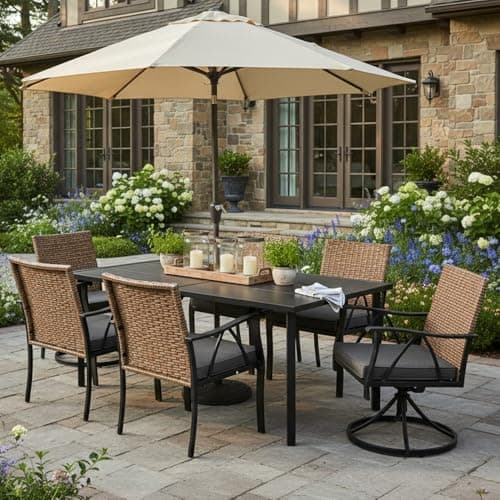
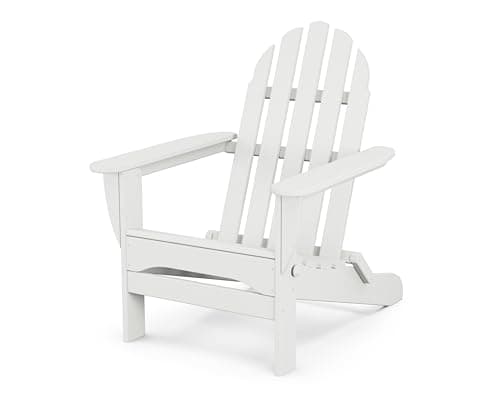
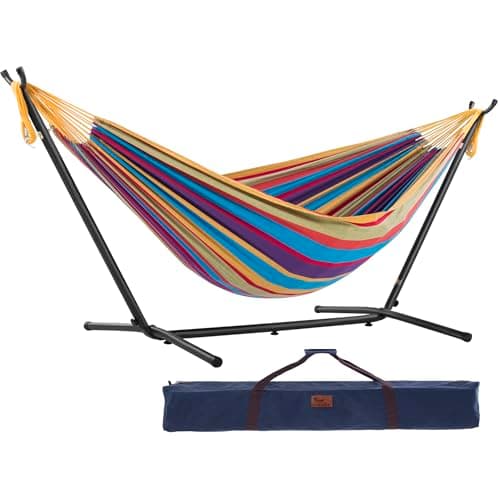
In our testing, HDPE recycled lumber (like the material used in POLYWOOD chairs) proved to be the most durable option by a significant margin. It is impervious to moisture, UV radiation, insects, and temperature extremes, and it never needs painting or sealing. Powder-coated aluminum and steel are excellent runners-up, offering strong rust resistance at lower price points, though the coating can chip with rough handling over time. PE wicker over steel frames strikes a good balance of style and longevity, but cheaper wicker weaves can crack in extreme cold. Teak and eucalyptus hardwoods age beautifully and last for years, but they require periodic oiling or sealing to maintain their appearance. Avoid untreated pine or soft plastics if you want furniture that looks good after more than one season.
The best protection is bringing furniture indoors or into a garage, but that is not always practical. For pieces that stay outside, invest in fitted waterproof covers with air vents to prevent moisture buildup and mildew. During our testing, covered furniture showed dramatically less fading and wear than uncovered pieces exposed to the same conditions. For cushions, always store them indoors or in a weatherproof deck box when not in use, even if they are labeled water-resistant. Before covering anything for winter, clean all surfaces with mild soap and water and let them dry completely to prevent mold from developing underneath the covers. Stackable or foldable furniture has a real advantage here, since it takes up less garage or shed space during the months you are not using it.
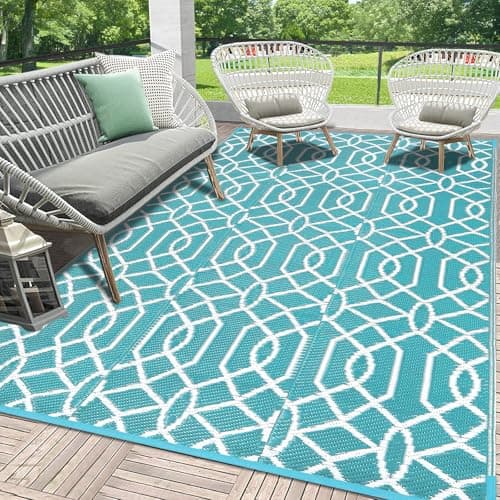
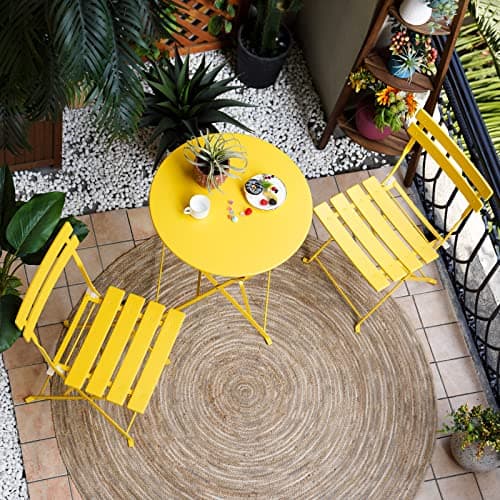
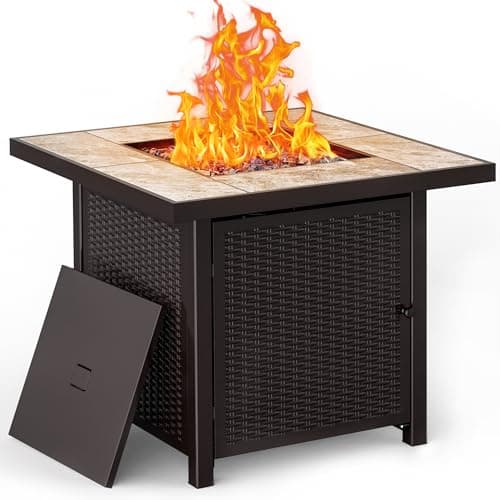
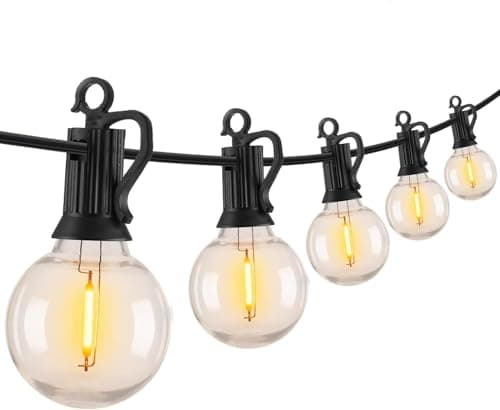
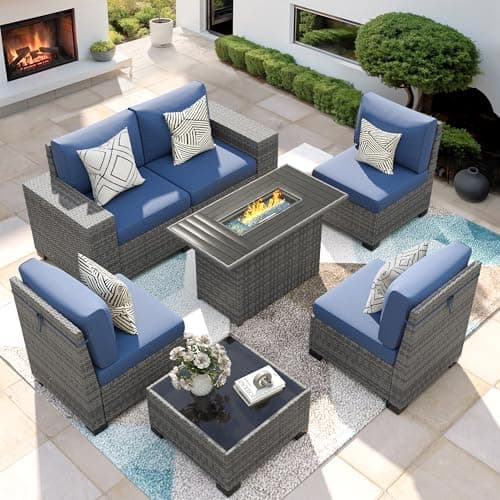
A functional and attractive patio setup can be built across a wide range of budgets. For a modest balcony or small porch, a bistro set, an outdoor rug, and string lights can come in under $200 total and still look charming. A mid-range backyard setup with a conversation or dining set, umbrella, and a couple of accent pieces typically runs between $600 and $1,200. If you want the full experience with premium seating, a fire pit table, quality lighting, and accessories, expect to spend $1,500 to $2,500. Our advice is to invest more in the pieces you sit on and less on decorative accents, since comfort and durability have the biggest impact on how often you actually use your outdoor space. Buying during fall clearance sales or early spring promotions can save 20-40% on the same products.
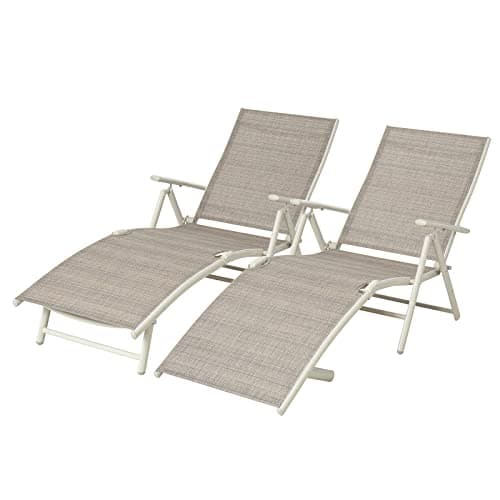
This is one of the most misunderstood aspects of patio furniture. Most outdoor cushions are water-resistant, not waterproof. That means they can handle light rain and morning dew without soaking through, but sustained exposure to heavy rain will eventually saturate the foam core. In our testing, even premium Sunbrella-fabric cushions absorbed moisture after 30 minutes of continuous rain, and once the foam inside gets wet, it can take days to dry fully and may develop mildew if not dried properly. The practical takeaway is simple: always bring cushions inside or store them in a covered container when rain is expected. Quick-dry foam cores help when cushions do get wet, but they are not a substitute for keeping them sheltered. If you want truly zero-maintenance seating, look for mesh or sling-style chairs that drain instantly and dry in minutes.
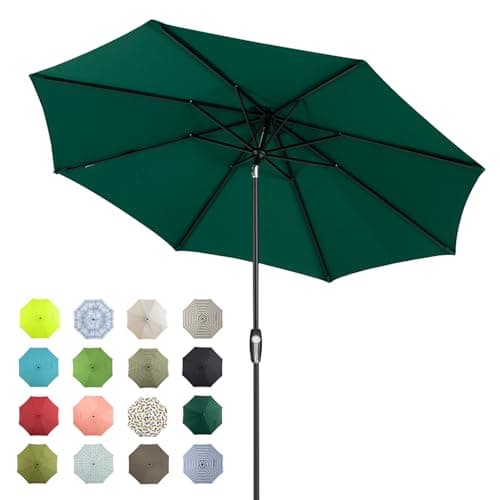
The general rule is to choose an umbrella that extends at least two feet beyond your table on all sides for adequate shade coverage. For a standard 36 to 48-inch round table seating four people, a 9-foot umbrella provides comfortable coverage for both the table and the chairs. For larger rectangular tables seating six or more, you will want an 11-foot umbrella or a rectangular cantilever model that can cover the full length. In our testing, we found that a 9-foot umbrella dropped the temperature underneath by 10-15 degrees compared to direct sun, making it one of the highest-impact comfort upgrades you can make for relatively little money. Keep in mind that the base weight matters as much as the canopy size: a 50 lb base works for a 9-foot umbrella, but 11-foot models need at least 75-100 lbs of base weight to stay stable in wind.

 1/5
1/5