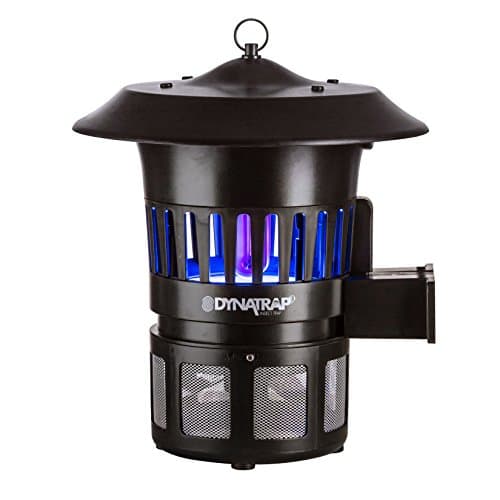
Mosquito traps work by exploiting one or more of the cues mosquitoes use to locate a blood meal: ultraviolet light, exhaled CO2, body heat, and the chemical octenol found in mammal breath and sweat. UV-only traps like Katchy and basic bug zappers catch a broad range of flying insects but are not specifically attractive to biting mosquito species. UV plus CO2 traps such as the DynaTrap lineup add a titanium-dioxide coating that converts UV into trace CO2, while propane-fueled traps like Mosquito Magnet generate full mammal-scale CO2 plus heat and moisture. Adding an octenol or Lurex attractant cartridge to any of these systems substantially increases biting-species capture rates.
Trap coverage is measured in acres or square feet of effective draw, and matching coverage to your actual property is the single most important decision you will make. Small indoor units like the Katchy are designed for a single room of roughly 300-500 square feet. Mid-size outdoor units such as the DynaTrap DT1050 and Flowtron BK-15D cover up to half an acre, which fits a typical suburban backyard. Full one-acre traps like the DynaTrap DT1100, DT1775, and Flowtron BK-40D are appropriate for rural lots and properties with significant breeding pressure. Buying undersized coverage is the most common mistake we see, since an underpowered trap simply cannot pull insects from far enough away to dent the population.
Indoor mosquito traps are quiet, sealed, and use glue boards or dry catch chambers so dead insects are contained for easy disposal in living spaces. Outdoor traps are larger, weather-resistant, and rely on either open kill grids or vacuum fan systems that can handle hundreds of insects per night. Using an outdoor zapper inside is impractical due to the noise and falling insect debris, while indoor traps lack the UV output and CO2 generation needed to influence yard-wide populations. Many homeowners benefit from running both: an outdoor unit to thin the local breeding population and an indoor unit to mop up whatever sneaks through screens and doors.
Most residential mosquito traps run on a standard 120V outlet, which requires either outdoor-rated extension cords or careful placement near an exterior receptacle. Propane-fueled units like the Mosquito Magnet Patriot Plus operate fully cordless on a 20-pound tank, giving you placement freedom anywhere on the property at the cost of recurring fuel expense. Rechargeable battery traps like the Stinger Cordless are best suited to portable use cases such as camping, tailgating, or temporary deployment in a remote yard area. For permanent backyard installations, a plug-in UV-plus-CO2 trap placed within reach of a GFCI outlet is the most practical setup for nearly all homeowners.
If you have children, pets, or pollinator gardens near the planned trap location, chemical-free operation matters. UV-plus-fan traps like the DynaTrap and Katchy use no sprays, baits, or pesticides and are safe to run continuously around kids and pets. Octenol attractant cartridges are not toxic but are designed to attract biting insects, so placement matters; you want them downwind of your seating area, not directly upwind. Propane-fueled traps emit normal combustion exhaust and should be placed at least 25-30 feet from the house and any open windows. None of the traps in this list use traditional pesticides, which is a deliberate choice in our methodology.
Vacuum-fan traps draw insects into a sealed catch basket where they dehydrate within 24 hours, and they are the quietest and least messy option for residential use. Glue-board traps like the Katchy hold insects on a sticky card that you replace every few weeks; this is the cleanest indoor solution but creates ongoing consumable costs. Electric kill grids found in Flowtron and Aspectek zappers vaporize insects on contact, which produces an audible zap and scatters debris below the unit but eliminates the need to empty a basket. For seating areas and bedrooms we prefer vacuum or glue methods; for garages, sheds, and rural properties, electric grids are perfectly acceptable.

 1/5
1/5


