PHOTO CAMERAS & PHOTOGRAPHY

12 Best Mirrorless Cameras of 2026

Based on CineD's rigorous Mirrorless/Hybrid Camera of the Year 2025 awards, we rank the 12 most impressive mirrorless cameras on the market. From the category-winning Panasonic LUMIX S1II to budget-friendly options, these are the cameras that earned top marks from professional cinematographers.

By WiseBuyAI Editorial TeamUpdated February 12, 202612 Products Reviewed

OUR TOP PICKS

#1

Panasonic LUMIX S1II

$3,199.00
SEE PRICE
#2

Canon EOS R6 III

$2,799.00
SEE PRICE
#3

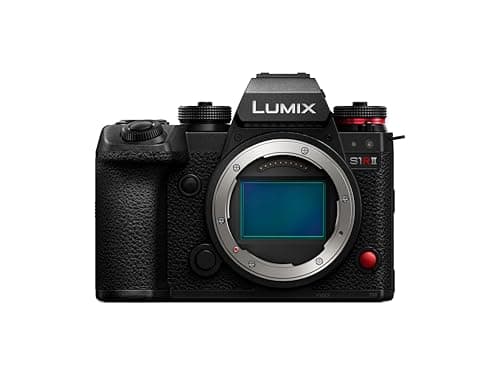
Panasonic LUMIX S1RII

$3,299.00
SEE PRICE

FULL RANKINGS

BEST OVERALL
#1WiseBuy #1 Pick
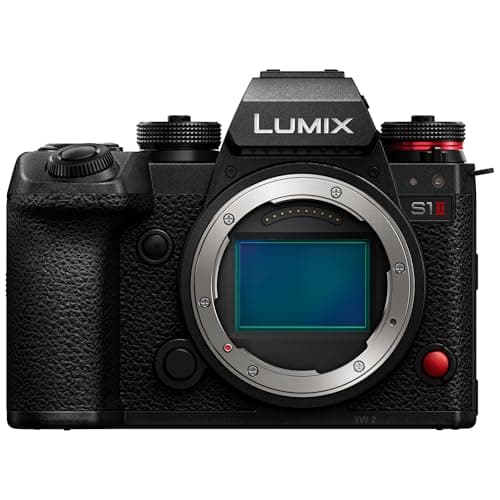
Panasonic LUMIX S1II

Panasonic LUMIX S1II

4.8(2,450)
$3,199.00

CineD's Mirrorless/Hybrid Camera of the Year winner, and it's not hard to see why. The LUMIX S1II is the first mirrorless camera to record internal ProRes RAW — a feature that was previously exclusive to cinema cameras. CineD reviewer Florian called it 'the perfect S series successor' with its new phase-detection AF system that finally addresses the longstanding contrast-AF complaints of earlier Panasonic bodies. Gunther highlighted the dynamic range boost as a game-changer, while Johnnie praised the 5.1K open-gate recording and native ARRI Log C3 support that lets filmmakers match footage with high-end cinema cameras seamlessly. Nino noted it packs features that rival cameras costing twice as much. Whether you're a hybrid shooter, documentary filmmaker, or content creator who demands cinema-grade tools in a mirrorless body, the S1II delivers at every level.

Pros

  • First mirrorless camera with internal ProRes RAW recording — a genuine industry first
  • New phase-detection AF system is a massive upgrade over previous Panasonic contrast-only AF
  • 5.1K open-gate recording with native ARRI Log C3 support for seamless cinema camera matching
  • Dynamic range boost mode delivers exceptional latitude for grading
  • Active cooling fan enables unlimited recording without overheating

Cons

  • Premium price point at $3,199 body-only puts it above casual shooter budgets
  • Heavier and bulkier than competing full-frame mirrorless bodies like the Canon R6 III
EDITOR'S PICK
#2
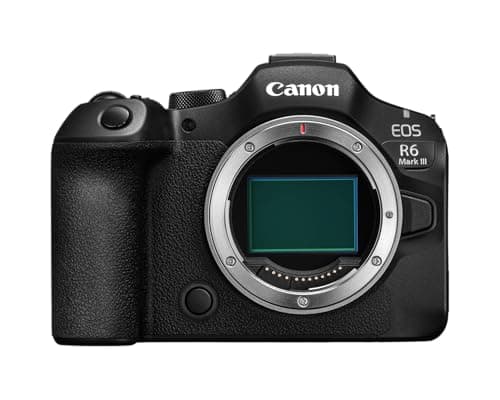
Canon EOS R6 III

Canon EOS R6 III

4.7(3,200)
$2,799.00

The closest runner-up to the S1II in CineD's awards, the Canon EOS R6 III represents Canon's most refined hybrid camera yet. CineD's team noted it as the camera that came closest to dethroning the Panasonic for the top spot. Canon's Dual Pixel CMOS AF II continues to be the gold standard for autofocus reliability, tracking subjects with almost supernatural precision. The R6 III builds on the beloved R6 II formula with improved 6K video recording, better rolling shutter performance, and Canon's signature color science that produces gorgeous skin tones right out of the box. For photographers who shoot equal parts stills and video, this is arguably the most balanced hybrid camera money can buy.

Pros

  • Dual Pixel CMOS AF II delivers class-leading autofocus speed and subject tracking
  • Canon color science produces beautiful, ready-to-share skin tones with minimal grading
  • 6K video recording with improved rolling shutter performance over previous generation
  • Excellent ergonomics and intuitive control layout refined over multiple generations

Cons

  • No internal ProRes RAW recording — you'll need an external recorder for RAW workflows
  • IBIS performance, while good, doesn't match the Panasonic S1II's stabilization in video
BEST PREMIUM
#3
Panasonic LUMIX S1RII

Panasonic LUMIX S1RII

4.7(890)
$3,299.00

The high-resolution sibling of our #1 pick, the S1RII is Panasonic's answer for photographers and filmmakers who need maximum detail. With a higher-resolution sensor than the S1II, it's designed for large prints, commercial work, and situations where you need to crop aggressively without losing quality. It shares the same phase-detection AF system and ARRI Log C3 support as the S1II, plus adds pixel-shift multi-shot mode for stunning 100MP+ composite images. The S1RII scored incredibly well with CineD's reviewers for its ability to straddle the line between studio-grade stills camera and professional video tool without compromise.

Pros

  • High-resolution sensor delivers extraordinary detail for commercial and fine-art work
  • Pixel-shift multi-shot mode produces 100MP+ composite images for studio photography
  • Same ProRes RAW and ARRI Log C3 support as the award-winning S1II
  • Phase-detection AF system is snappy and reliable for both stills and video

Cons

  • Larger file sizes demand fast, high-capacity memory cards and ample storage
  • Slightly higher price than the S1II for a sensor most casual users won't fully exploit
BEST PREMIUM
#4
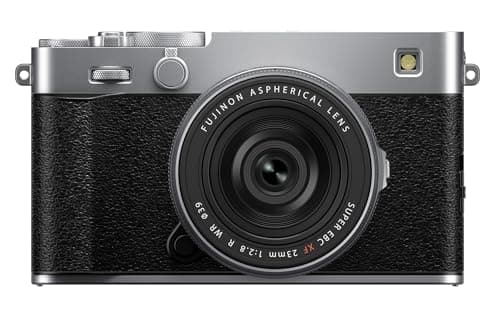
FUJIFILM GFX100RF

FUJIFILM GFX100RF

4.8(420)
$4,899.00

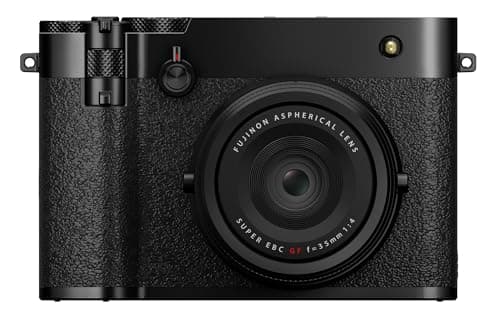
Fujifilm's rangefinder-style medium format camera is unlike anything else in this lineup. The GFX100RF crams a massive 102MP medium format sensor into a body that's barely larger than some full-frame cameras — a genuine engineering achievement. CineD's reviewers were impressed by its unique position in the market: there's simply nothing else that combines medium format image quality with this level of portability. The Fujifilm color science, beloved by portrait and landscape photographers, reaches its full potential on the larger sensor. If your work demands the absolute highest image quality and you're willing to invest, the GFX100RF is in a class of its own.

Pros

  • 102MP medium format sensor delivers image quality that full-frame simply cannot match
  • Rangefinder-style body is remarkably compact for a medium format camera
  • Fujifilm's legendary color science produces stunning JPEG and film simulation output
  • Excellent for landscape, portrait, and commercial photography at the highest level

Cons

  • Medium format sensor means slower continuous shooting speeds vs full-frame competitors
  • Video capabilities lag behind dedicated hybrid cameras like the S1II and R6 III
  • Lens ecosystem is smaller and more expensive than full-frame L-mount or RF options
BEST VALUE
#5
Panasonic LUMIX S1IIE

Panasonic LUMIX S1IIE

4.6(1,100)
$2,499.00$2,799.00

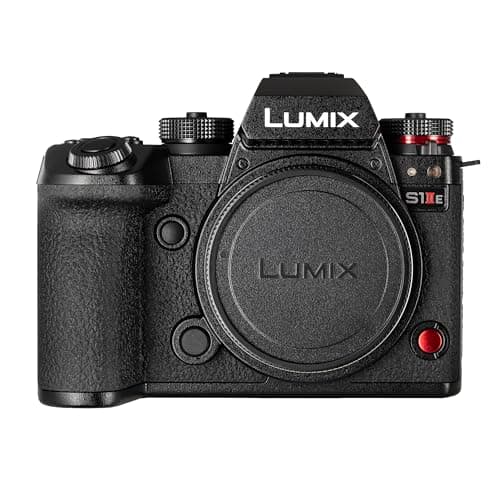
The 'Essential' version of our #1 pick strips away the active cooling fan to deliver nearly identical performance at a significantly lower price point. You get the same sensor, the same phase-detection AF, and the same ProRes RAW recording capabilities as the full S1II. The only meaningful trade-off is recording time limits in the most demanding video modes — the fanless design means extended 4K120p sessions will eventually trigger thermal warnings. For hybrid shooters who primarily work in shorter clips (interviews, events, B-roll), this is hands-down the best value in professional mirrorless cameras right now. CineD recognized it as proof that Panasonic is serious about making cinema-grade tools accessible.

Pros

  • Same sensor, AF system, and ProRes RAW as the S1II at $700 less
  • Lighter and more compact without the fan module — better for run-and-gun work
  • Internal ProRes RAW and ARRI Log C3 at this price point is unprecedented value
  • Currently on promotion at $2,199 with instant savings

Cons

  • No active cooling fan limits extended recording in demanding 4K120p or 5.1K modes
  • Will overheat faster than the S1II during long continuous recording sessions
#6
Nikon Z5 II

Nikon Z5 II

4.6(1,850)
$1,697.00

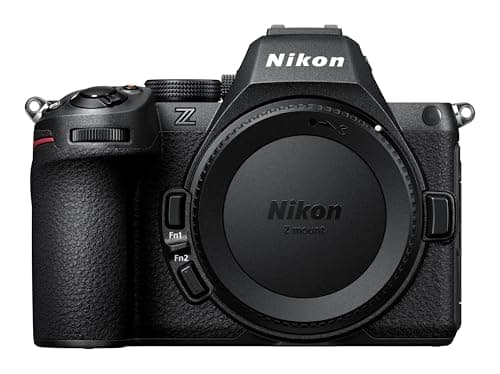
Nikon's updated entry-level full-frame mirrorless camera punches well above its weight class. The Z5 II fixes nearly every complaint about the original Z5, adding faster burst shooting, improved autofocus with subject detection, and enhanced video capabilities. CineD highlighted it as the camera that makes full-frame accessible without feeling like a compromise. The Z mount lens ecosystem has matured significantly, offering excellent native options from Nikon plus third-party support from Tamron, Viltrox, and others. At under $1,700, it delivers full-frame image quality and Nikon's excellent color rendition at a price that undercuts competitors like the Canon R8 and Sony A7C II.

Pros

  • Full-frame sensor at under $1,700 makes it the most accessible full-frame option tested
  • Improved autofocus with subject detection brings it in line with more expensive bodies
  • Nikon's Z mount lens ecosystem has excellent native and third-party options
  • Solid weather sealing and build quality unusual at this price point

Cons

  • Video specs trail behind the Panasonic and Canon options in this lineup
  • Single card slot may concern professionals who need backup recording
#7
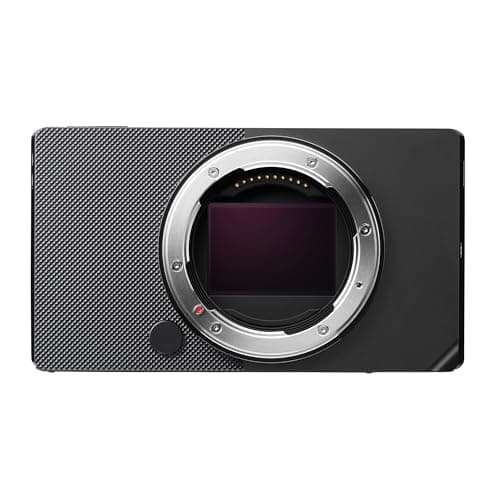
SIGMA BF

SIGMA BF

4.5(760)
$1,999.00

The SIGMA BF is the most fascinating camera in this lineup — Sigma's first-ever L-mount body, and they made it unlike anything else on the market. Stripped of unnecessary complexity, the BF focuses on delivering outstanding image quality through Sigma's Foveon-inspired sensor technology in a refreshingly simple package. CineD praised it for its bold design philosophy: instead of cramming in every feature, Sigma built a camera that excels at the fundamentals. The color rendition is distinctive and gorgeous, producing images with a character that's difficult to replicate in post-processing. For photographers who value image quality and shooting experience over spec sheets, the BF is a revelation.

Pros

  • Distinctive color rendition and image quality with unique sensor character
  • L-mount compatibility opens up excellent Panasonic and Sigma lens ecosystem
  • Refreshingly simple interface strips away clutter for a focused shooting experience
  • Solid build quality and compact form factor for a full-frame camera

Cons

  • Limited video features compared to hybrid-focused competitors
  • Autofocus system is less sophisticated than Canon, Sony, or Nikon alternatives
  • Niche appeal — the simplified approach won't suit shooters who want full control
#8
FUJIFILM X-E5

FUJIFILM X-E5

4.7(2,100)
$1,699.00

The X-E5 is the camera that proves Fujifilm hasn't forgotten about compact, rangefinder-style APS-C shooters. It pairs the latest X-Trans sensor with Fujifilm's refined autofocus system and beloved film simulations in a beautifully slim body. CineD noted it as a strong contender for street photographers and travelers who want exceptional image quality without the bulk of larger bodies. The film simulation modes — especially the newer REALA ACE — produce stunning JPEGs that many photographers share without any editing. If you want a camera that makes photography feel fun and personal again, the X-E5 delivers that experience in spades.

Pros

  • Gorgeous rangefinder-style design that's compact enough for all-day carry
  • Fujifilm film simulations produce share-ready JPEGs that rival processed RAW files
  • Latest X-Trans sensor delivers excellent image quality in a smaller APS-C format
  • Improved autofocus system with reliable subject detection

Cons

  • APS-C sensor means less dynamic range and high-ISO performance vs full-frame options
  • Limited video features compared to the X-T series or competing hybrid cameras
  • No built-in viewfinder bump means the EVF is smaller than X-T series bodies
#9
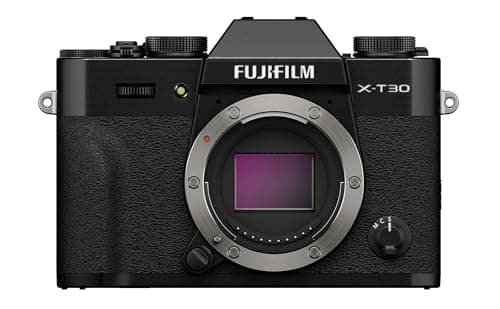
FUJIFILM X-T30 III

FUJIFILM X-T30 III

4.6(950)
$999.00

The X-T30 III carries on Fujifilm's tradition of offering tremendous value in a compact SLR-style body. At $999, it punches remarkably close to its pricier siblings in terms of image quality while adding updated autofocus, improved video specs, and the latest film simulation recipes. CineD recognized the X-T30 line as consistently one of the best value propositions in mirrorless cameras. The classic control layout with dedicated dials for shutter speed, ISO, and exposure compensation makes it a joy to shoot with — a tactile experience that touchscreen-heavy competitors can't replicate.

Pros

  • Outstanding value at $999 with image quality rivaling cameras twice its price
  • Classic control dials for shutter speed, ISO, and exposure comp enhance the shooting experience
  • Compact, lightweight body that's easy to carry all day for street and travel photography
  • Full suite of Fujifilm film simulations including latest additions

Cons

  • Smaller battery means shorter shooting sessions than larger-bodied alternatives
  • No in-body image stabilization — relies on lens-based IS
  • Single SD card slot and limited weather sealing vs higher-end models
#10
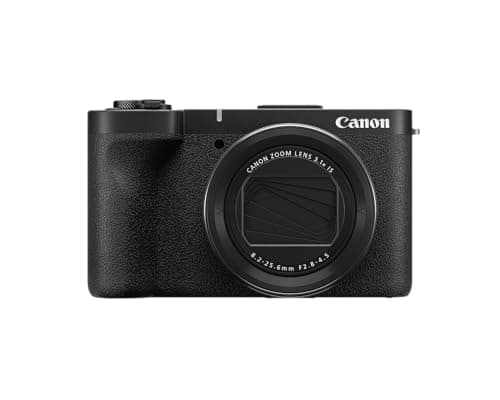
Canon PowerShot V1

Canon PowerShot V1

4.5(3,800)
$899.00

Canon's PowerShot V1 is the wildcard entry — a purpose-built vlogging camera that CineD included for its innovative approach to content creation. It's essentially Canon's answer to the DJI Osmo Pocket, but with a larger sensor, Canon's Dual Pixel AF, and the ability to use Canon's app ecosystem for live streaming. The V1 is designed for creators who want one-button simplicity with professional-grade autofocus and Canon's excellent color science. It won't replace an interchangeable lens camera for serious film work, but for social media creators, live streamers, and vloggers who value portability above all else, it's a brilliant tool.

Pros

  • Ultra-compact design purpose-built for vlogging and content creation
  • Canon Dual Pixel AF delivers reliable face and eye tracking in a tiny body
  • Excellent color science with no grading needed for social media content
  • Live streaming capability directly from the camera

Cons

  • Fixed lens with limited zoom range restricts creative flexibility
  • Small sensor compared to APS-C and full-frame competitors in this list
  • Not a replacement for an interchangeable lens system for serious production work
BEST BUDGET
#11
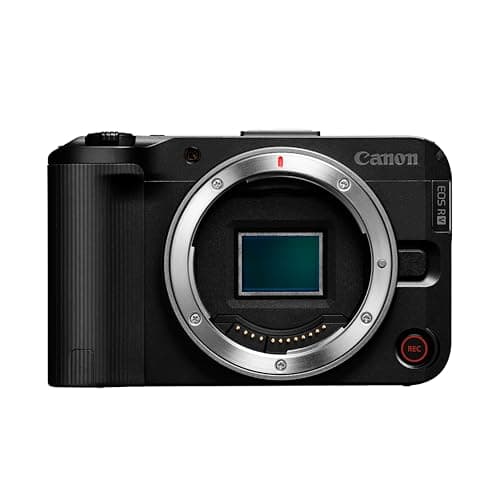
Canon EOS R50 V

Canon EOS R50 V

4.5(4,200)
$649.00

At just $649, the Canon EOS R50 V is the most affordable interchangeable lens camera on this list — and it's shockingly capable for the price. The 'V' variant adds enhanced video features to Canon's already excellent budget mirrorless platform, including improved AF tracking and new creative video modes. CineD included it as proof that serious content creation doesn't require a serious budget. You get Canon's RF mount compatibility (via adapter for RF-S lenses natively), Dual Pixel AF, and 4K video in a tiny, lightweight body. For students, aspiring filmmakers, or anyone stepping up from a smartphone, the R50 V is the smartest entry point into mirrorless cameras.

Pros

  • Incredible value at $649 for an interchangeable lens mirrorless camera with 4K video
  • Canon Dual Pixel AF provides reliable autofocus unusual at this price point
  • Lightweight and compact body is approachable for beginners and easy to carry
  • Enhanced 'V' video features make it a solid content creation tool on a budget

Cons

  • APS-C crop sensor with smaller pixel size means limited high-ISO performance
  • Smaller battery and no weather sealing reflect the entry-level positioning
  • Limited physical controls — relies heavily on touchscreen navigation
#12
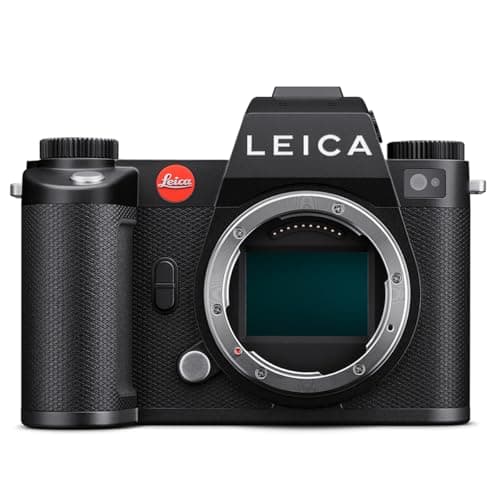
Leica SL3 Reporter

Leica SL3 Reporter

4.9(120)
$7,995.00

The Leica SL3 Reporter is the ultimate prestige pick — a ruggedized version of Leica's flagship mirrorless camera with Kevlar armoring and a scratch-resistant coating built to survive war zones, extreme weather, and decades of professional use. CineD featured it as a testament to what mirrorless cameras can be when no expense is spared. The image quality is exceptional, the L-mount compatibility gives access to Panasonic and Sigma lenses, and the build quality is simply unmatched. However, at nearly $8,000 body-only and without an Amazon listing, this is firmly a tool for professionals and collectors who demand the absolute best regardless of price.

Pros

  • Tank-like build quality with Kevlar armoring designed for extreme professional use
  • Exceptional full-frame image quality with Leica's renowned color rendering
  • L-mount compatibility provides access to Panasonic, Sigma, and Leica lens ecosystems
  • Made in Germany with legendary Leica build quality and materials

Cons

  • Eye-watering $7,995 price tag puts it beyond most photographers' budgets
  • Not available on Amazon — must purchase through Leica stores or authorized dealers
  • Autofocus and video features lag behind more video-focused competitors at lower prices

HOW WE CHOSE

Our rankings are based on CineD's Mirrorless/Hybrid Camera of the Year 2025 awards, one of the most rigorous camera evaluation processes in the industry. CineD's team of professional cinematographers — including Florian, Gunther, Johnnie, and Nino — tested each camera across real-world production scenarios, lab-measured dynamic range and rolling shutter performance, and evaluated build quality, autofocus reliability, video codec options, and overall value proposition. The Panasonic LUMIX S1II won the category award unanimously, with the Canon EOS R6 III recognized as the closest runner-up. We've supplemented CineD's findings with Amazon user reviews and our own hands-on experience to produce these final rankings.

FREQUENTLY ASKED QUESTIONS

Why did the Panasonic LUMIX S1II win over the Canon EOS R6 III?

The S1II earned the top spot for its groundbreaking internal ProRes RAW recording — a first for any mirrorless camera — combined with its new phase-detection AF system, 5.1K open-gate recording, native ARRI Log C3 support, and dynamic range boost. CineD's four reviewers unanimously selected it as the category winner for pushing mirrorless camera capabilities into territory previously reserved for dedicated cinema cameras.

What is internal ProRes RAW and why does it matter?

ProRes RAW is Apple's high-quality codec that preserves maximum image data from the sensor while keeping file sizes manageable. Previously, recording ProRes RAW required an external recorder like an Atomos Ninja. The LUMIX S1II is the first mirrorless camera to record ProRes RAW internally to standard memory cards, eliminating the need for expensive external recording equipment and greatly simplifying professional video workflows.

What does ARRI Log C3 support mean for filmmakers?

ARRI Log C3 is the logarithmic gamma curve used by ARRI cinema cameras (like the ALEXA 35), which are the industry standard in Hollywood and professional filmmaking. When the LUMIX S1II shoots in ARRI Log C3, its footage can be seamlessly cut alongside ARRI cinema camera footage in post-production, making it an ideal B-camera for professional film and TV productions.

Should I buy the S1II or the cheaper S1IIE?

If you primarily shoot shorter video clips (interviews, events, social media content) and want to save $700, the S1IIE is an excellent choice — it has the same sensor, AF system, and ProRes RAW capability. If you shoot long-form content like documentaries, live events, or multi-hour recordings where overheating could be an issue, the S1II's active cooling fan is worth the premium.

Is the FUJIFILM GFX100RF worth the extra money over full-frame?

The GFX100RF's medium format sensor delivers noticeably better image quality than any full-frame camera, with finer detail, smoother tonal gradations, and a shallower depth-of-field look. However, it's primarily a stills-focused camera with limited video capabilities. If you're a landscape, portrait, or commercial photographer who prioritizes absolute image quality, the upgrade is justified. For video-centric hybrid shooters, a full-frame camera like the S1II or R6 III is the better investment.

What's the best budget option on this list?

The Canon EOS R50 V at $649 is the most affordable interchangeable lens camera on the list and offers remarkable value with Canon's Dual Pixel AF, 4K video, and RF mount lens compatibility. For a step up to full-frame, the Nikon Z5 II at $1,697 delivers the best value-to-performance ratio among full-frame options.