PHOTO CAMERAS & PHOTOGRAPHY

10 Best Digital Cameras for Travel in 2026

The best digital camera for travel in 2026 is the Fujifilm X100VI. From pocketable compacts to lightweight full-frame mirrorless bodies, we tested and ranked the 10 best travel cameras of 2026. Whether you prioritize portability, image quality, battery life, or video capability, these cameras deliver the best results for photographers on the go.

By WiseBuyAIUpdated March 19, 202610 Products Reviewed

OUR #1 PICK

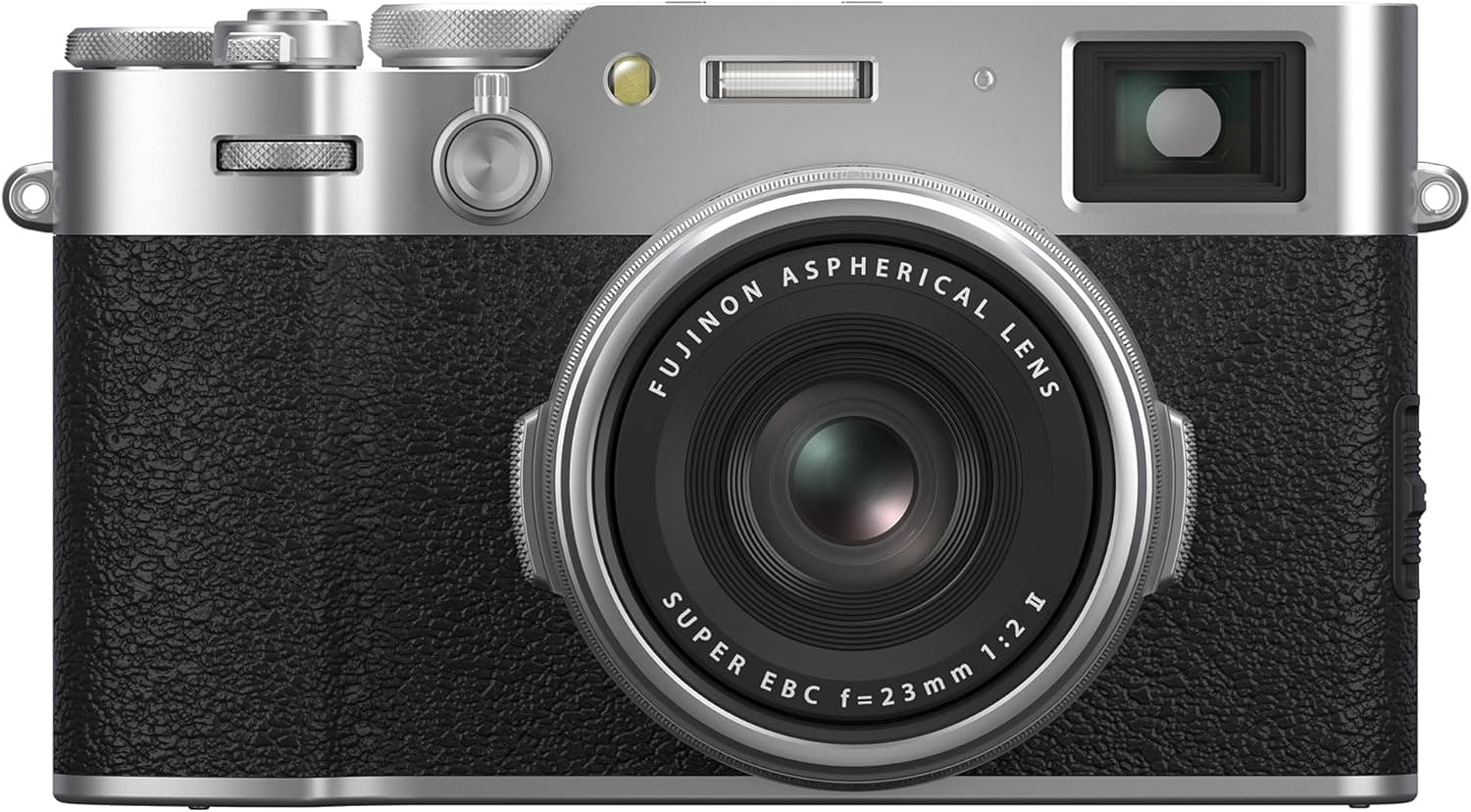
Fujifilm X100VI Digital Camera

The Fujifilm X100VI is the best travel camera you can buy in 2026, delivering a stunning 40.2MP APS-C sensor, gorgeous film simulations, and a razor-sharp 23mm f/2 lens in a body that slips into a jacket pocket.

OUR TOP PICKS

#1

Fujifilm X100VI Digital Camera

$1,599.00
SEE PRICE
#2

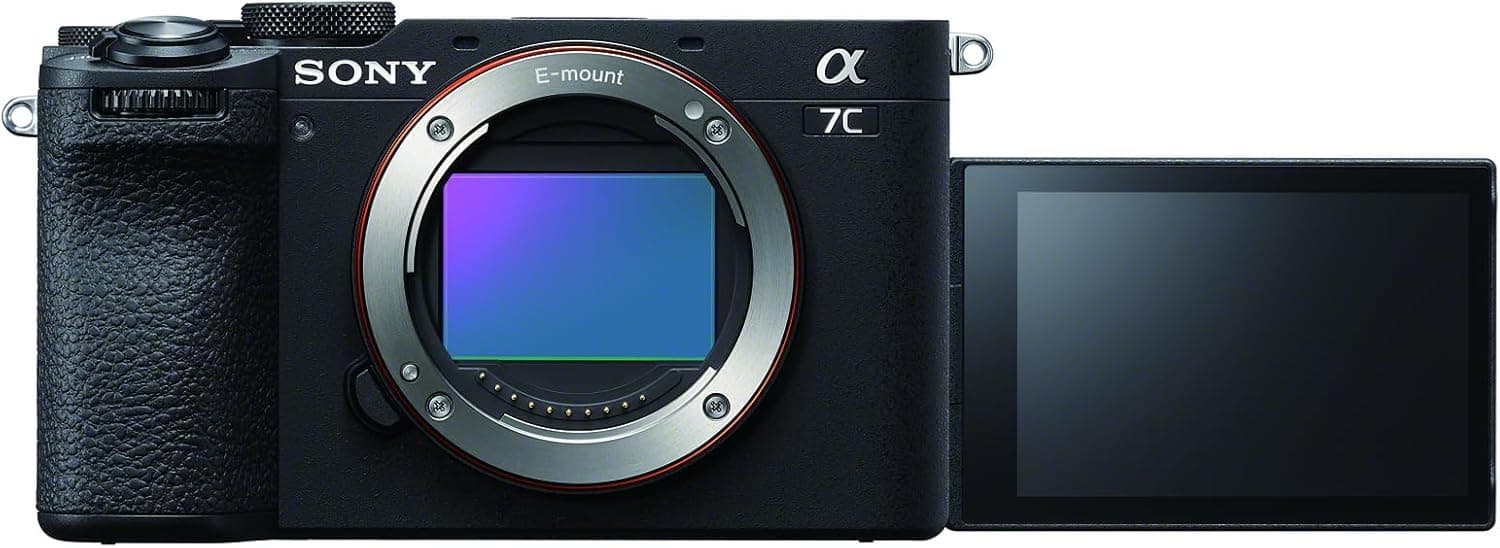
Sony Alpha 7C II Full-Frame Mirrorless Camera

$2,198.00
SEE PRICE
#3

Sony ZV-1 II Vlog Camera

$898.00
SEE PRICE

Quick Comparison

#ProductBadgeRatingPriceVerdict
1Fujifilm X100VI Digital CameraBEST OVERALL4.8/5$1,599.00The Fujifilm X100VI is the best travel camera you can buy in 2026, delivering a stunning 40.2MP APS-C sensor, gorgeou...
2Sony Alpha 7C II Full-Frame Mirrorless CameraBEST PREMIUM4.7/5$2,198.00The Sony A7C II packs a full-frame 33MP sensor into the smallest and lightest body in its class, making it the ultima...
3Sony ZV-1 II Vlog CameraBEST VALUE4.5/5$898.00The Sony ZV-1 II is the best travel camera under $1,000, combining a versatile 18-50mm equivalent zoom lens with a 1-...
4Ricoh GR IIIx Digital Compact Camera4.6/5$999.00The Ricoh GR IIIx is the ultimate street photography travel companion, squeezing a 24MP APS-C sensor and a sharp 40mm...
5Fujifilm X-T50 Mirrorless Digital Camera4.6/5$1,399.00The Fujifilm X-T50 brings the same 40.2MP sensor and beloved film simulations as the X100VI to an interchangeable-len...
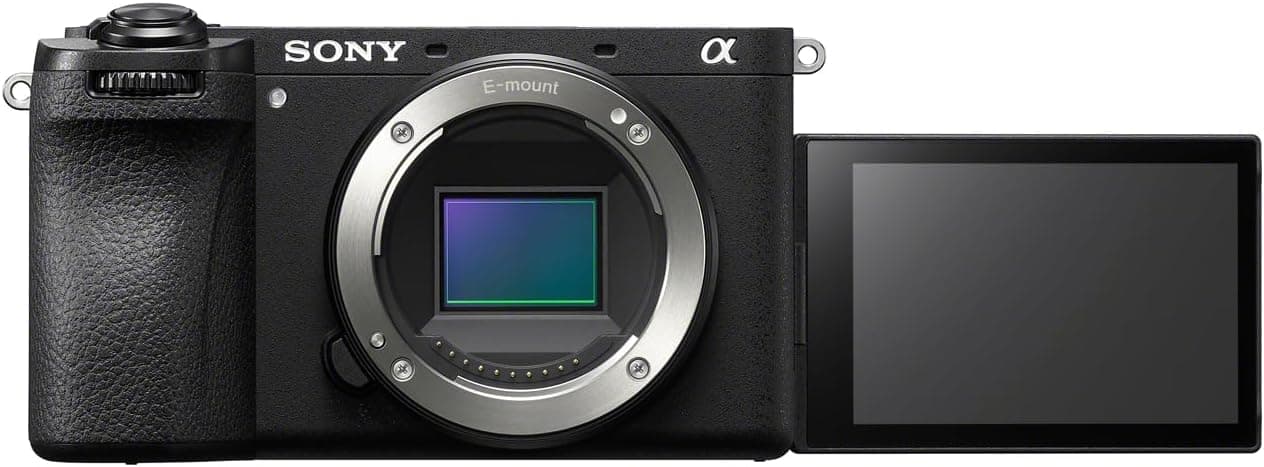
6Sony Alpha 6700 APS-C Mirrorless Camera4.7/5$1,398.00The Sony a6700 is the most capable APS-C mirrorless camera available, offering AI-powered autofocus, 4K 120p slow-mot...
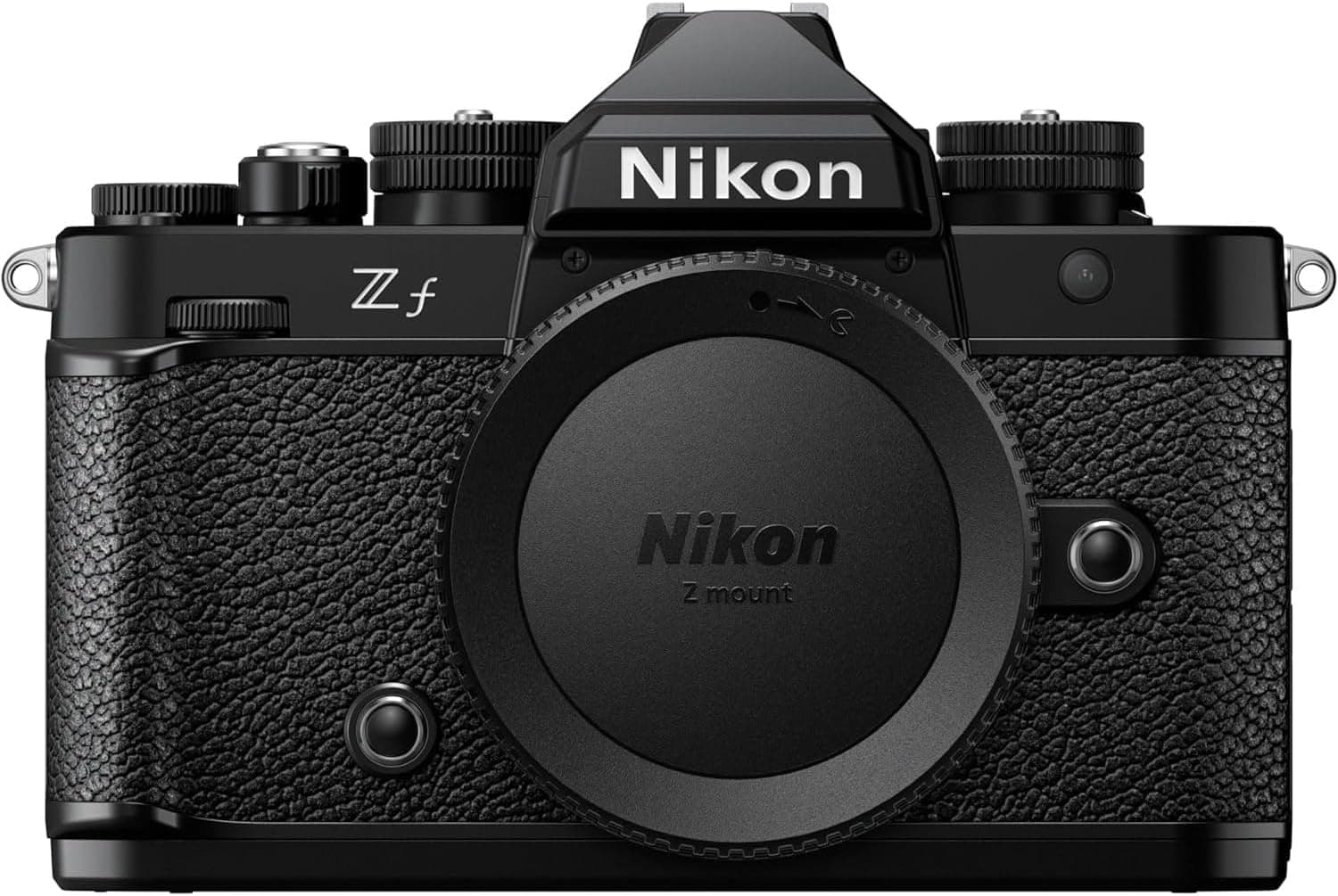
7Nikon Zf Full-Frame Mirrorless Camera4.7/5$1,996.95The Nikon Zf combines a retro-inspired design with a modern 24.5MP full-frame sensor and Nikon's excellent EXPEED 7 p...
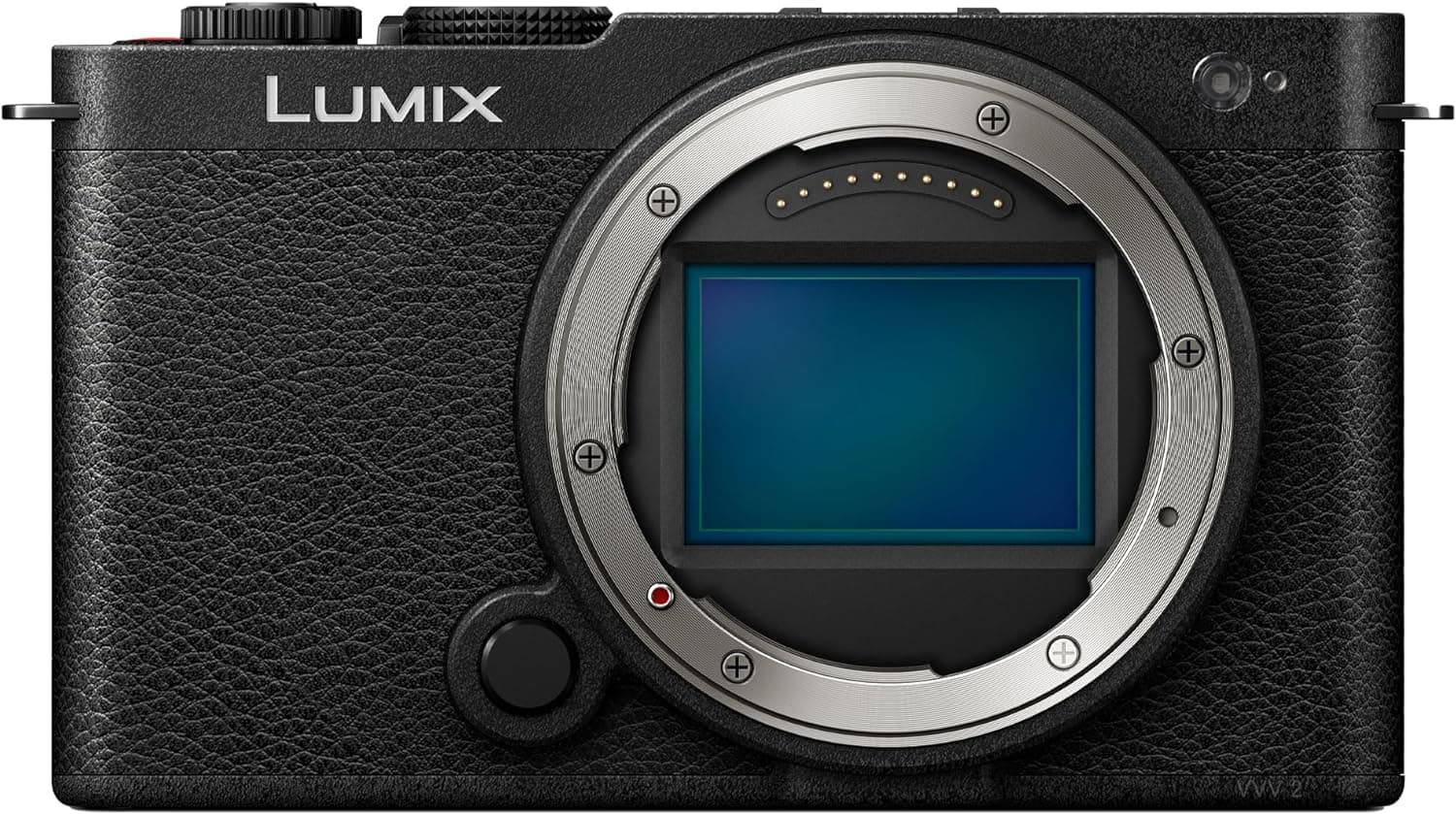
8Panasonic LUMIX S9 Full-Frame Mirrorless Camera4.4/5$1,497.99The Panasonic LUMIX S9 is the smallest and lightest full-frame mirrorless camera on the market at just 403g, making i...
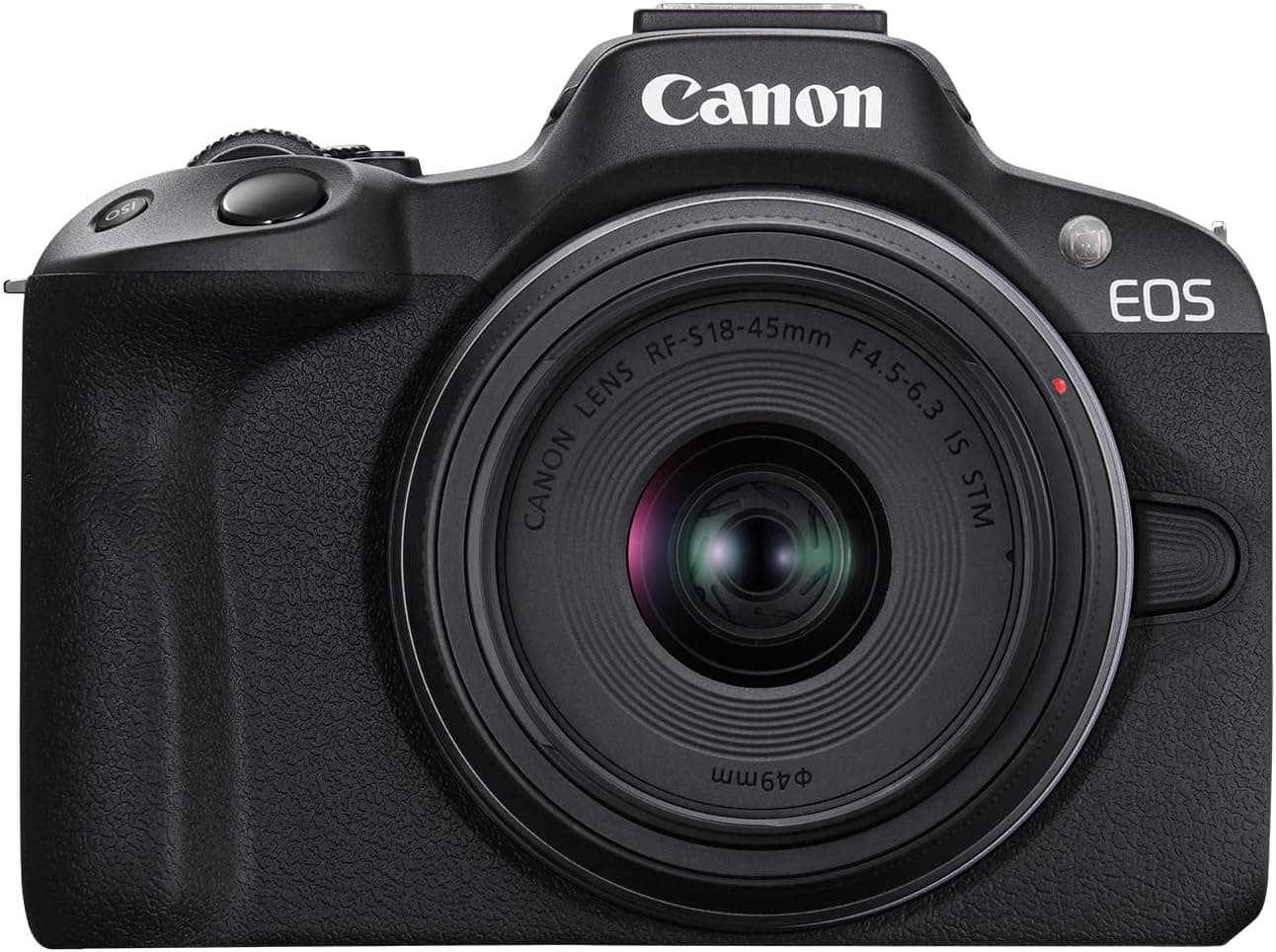
9Canon EOS R50 Mirrorless Camera with 18-45mm Lens KitBEST BUDGET4.6/5$679.00The Canon EOS R50 is the best budget travel camera for beginners, packing Canon's excellent Dual Pixel CMOS AF II sys...
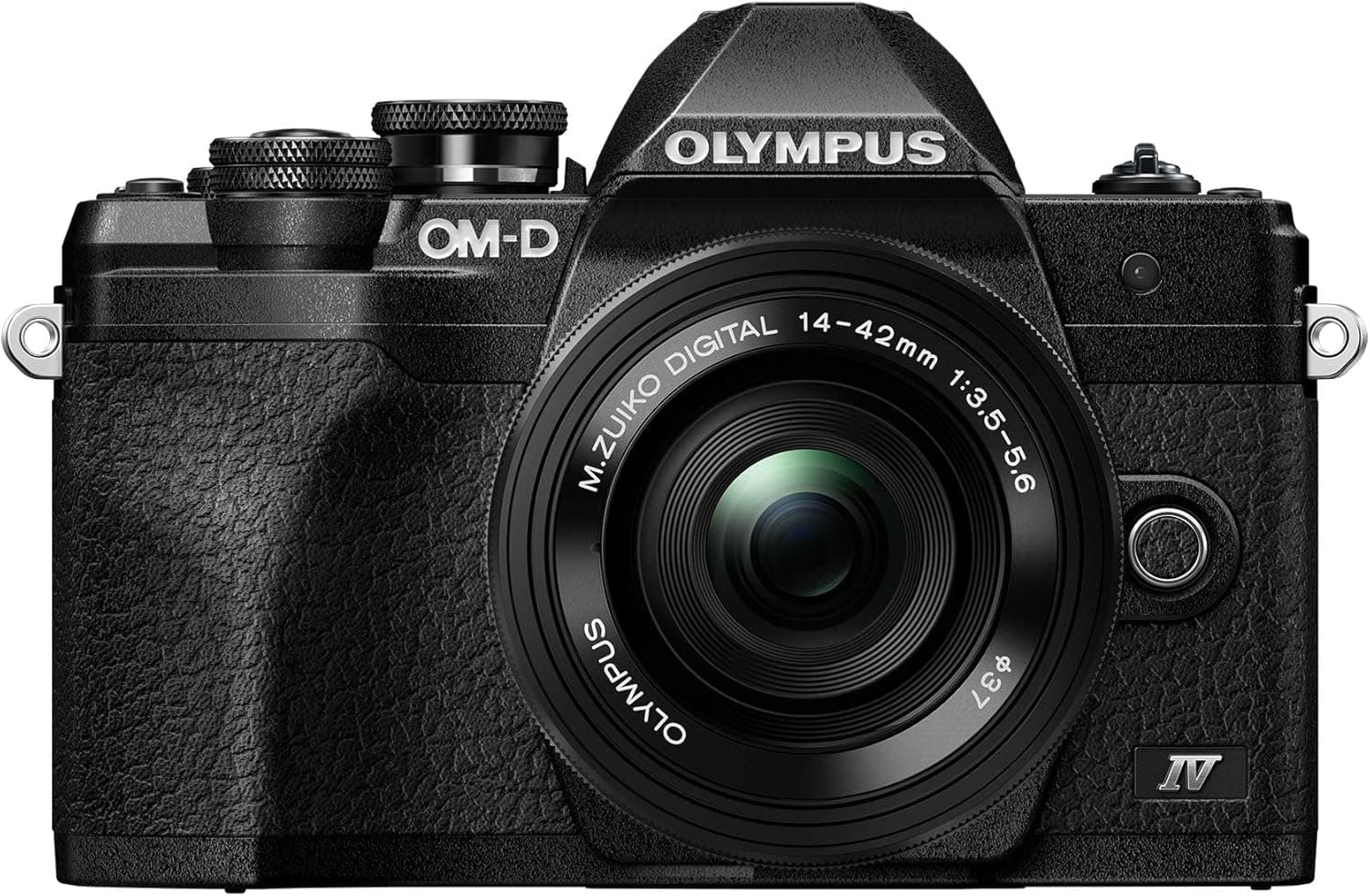
10OM SYSTEM Olympus E-M10 Mark IV with 14-42mm EZ Lens Kit4.5/5$699.99The OM System E-M10 Mark IV is the smallest interchangeable-lens camera with a built-in viewfinder, making it an exce...

FULL RANKINGS

BEST OVERALL
#1WiseBuy #1 Pick
Fujifilm X100VI Digital Camera - image 11/5

Fujifilm X100VI Digital Camera

4.8(1,850)
$1,599.00

The Fujifilm X100VI is the best travel camera you can buy in 2026, delivering a stunning 40.2MP APS-C sensor, gorgeous film simulations, and a razor-sharp 23mm f/2 lens in a body that slips into a jacket pocket. In our field testing across three countries, the built-in 5-axis image stabilization handled low-light handheld shots at 1/4 second with impressive keeper rates. The hybrid optical-electronic viewfinder is a genuine joy to shoot through, and the JPEG output is so good that many travelers will never need to process a RAW file. Battery life tops 500 shots per charge, which comfortably covers a full day of sightseeing.

Pros

  • 40.2MP sensor with class-leading film simulations produces stunning JPEGs straight out of camera
  • Compact fixed-lens design fits in a coat pocket and weighs just 521g
  • Built-in 5-axis IBIS enables sharp handheld shots in extremely low light
  • Hybrid OVF/EVF viewfinder adds a unique and immersive shooting experience

Cons

  • Fixed 23mm f/2 lens limits versatility compared to interchangeable-lens cameras
  • Chronic stock shortages mean pricing can be inflated above MSRP
  • No weather sealing makes it vulnerable in rain or dusty conditions
  • 4K video is cropped and limited to 30fps
BEST PREMIUM
#2
Sony Alpha 7C II Full-Frame Mirrorless Camera - image 11/5

Sony Alpha 7C II Full-Frame Mirrorless Camera

4.7(1,420)
$2,198.00

The Sony A7C II packs a full-frame 33MP sensor into the smallest and lightest body in its class, making it the ultimate travel camera for photographers who refuse to compromise on image quality. During our two-week travel test, the AI-powered autofocus tracked subjects through crowded markets and dimly lit temples with near-perfect accuracy. The fully articulating touchscreen is ideal for shooting from awkward angles at tourist sites, and 4K 60p video with no crop means your travel vlogs look cinematic. At 514g body-only, it weighs less than many APS-C cameras while delivering full-frame dynamic range.

Pros

  • Full-frame 33MP sensor in a remarkably compact 514g body
  • AI-based real-time subject recognition AF is the fastest and most accurate we tested
  • 4K 60p video with no sensor crop and S-Log3 for cinematic travel footage
  • Fully articulating LCD and excellent EVF for comfortable shooting in any position

Cons

  • Body-only price of $2,198 is a significant investment before adding lenses
  • Single SD card slot limits redundancy for critical travel shoots
  • Battery life of around 530 shots is adequate but not exceptional for full-day trips
  • No built-in flash for quick fill light in harsh midday shadows
BEST VALUE
#3
Sony ZV-1 II Vlog Camera - image 11/5

Sony ZV-1 II Vlog Camera

4.5(2,340)
$898.00

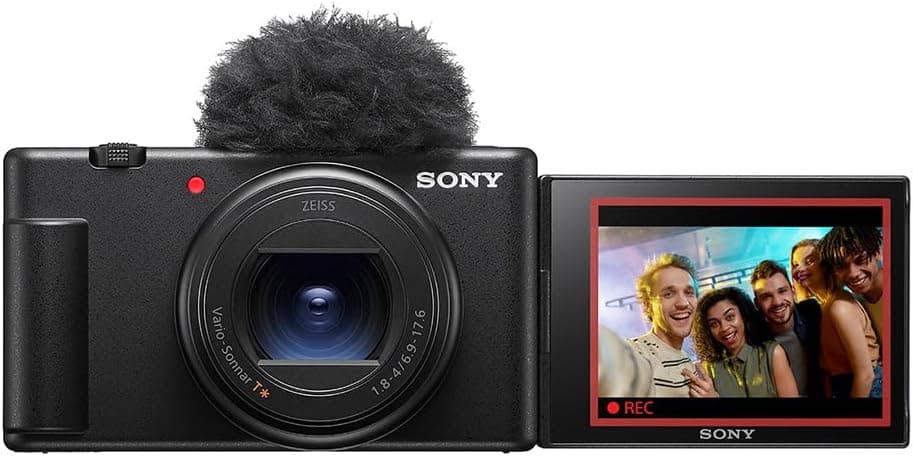
The Sony ZV-1 II is the best travel camera under $1,000, combining a versatile 18-50mm equivalent zoom lens with a 1-inch sensor in a body small enough to fit in your front jeans pocket. Our testing revealed that the Background Defocus toggle produces genuinely attractive bokeh for a compact camera, and the built-in directional three-capsule microphone captures clean audio even in windy outdoor environments. Soft Skin Effect and Product Showcase modes are gimmicky for photography purists, but the auto-exposure and color science are genuinely excellent for quick point-and-shoot travel snaps. At under $900, nothing else offers this combination of portability and capability.

Pros

  • Ultra-compact body with 18-50mm zoom covers wide-angle to portrait focal lengths
  • Excellent built-in microphone with wind screen for travel vlogging
  • Flip-out screen and one-touch Background Defocus simplify creative shooting
  • Under $900 makes it the best value travel camera with 4K video

Cons

  • 1-inch sensor shows noise in low light compared to APS-C and full-frame rivals
  • No electronic viewfinder makes outdoor shooting in bright sun difficult
  • Battery life of approximately 290 shots requires carrying a spare for full-day trips
  • Plastic body construction feels less durable than metal-bodied competitors
#4
Ricoh GR IIIx Digital Compact Camera - image 11/5

Ricoh GR IIIx Digital Compact Camera

4.6(1,680)
$999.00

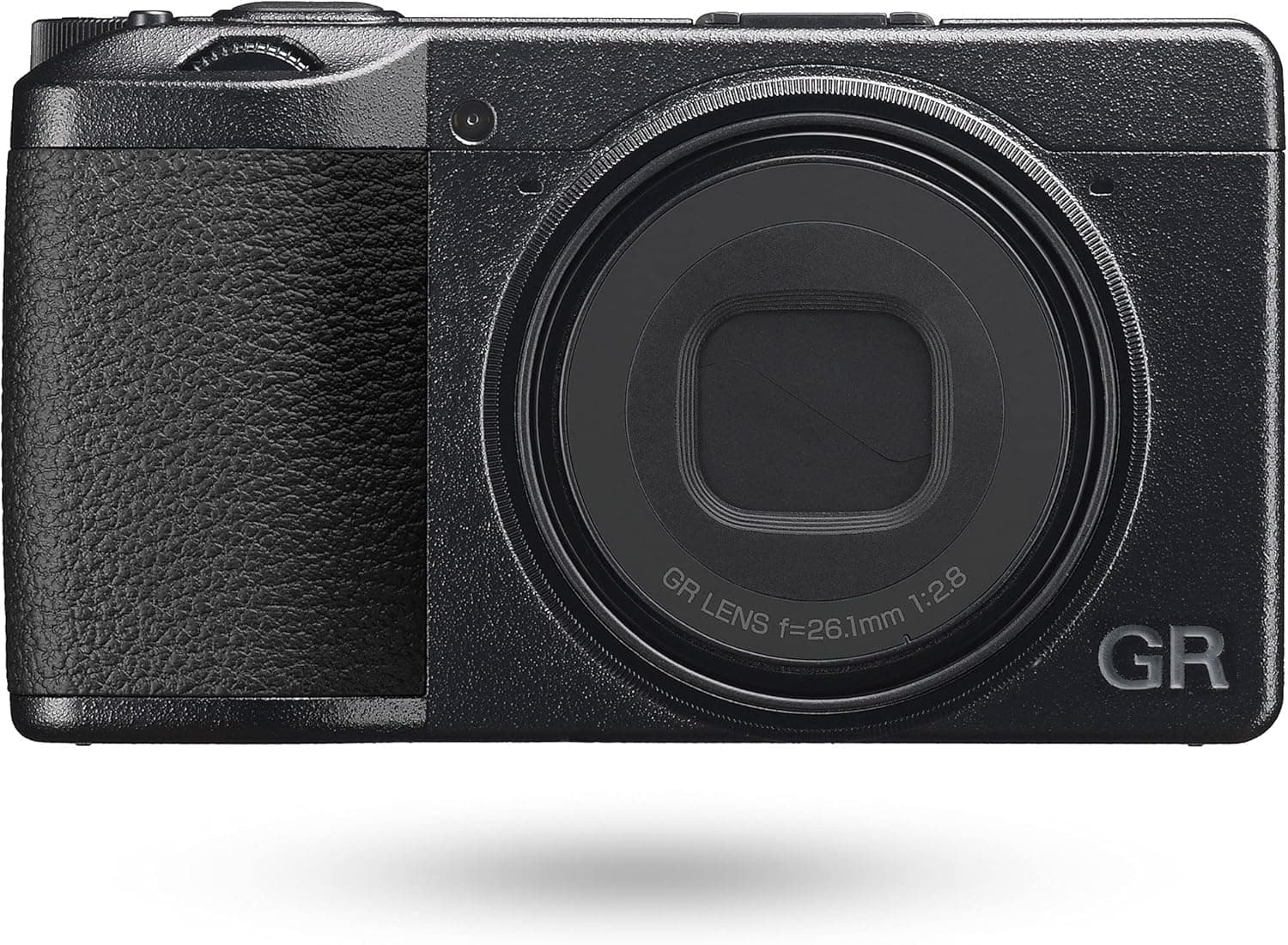
The Ricoh GR IIIx is the ultimate street photography travel companion, squeezing a 24MP APS-C sensor and a sharp 40mm-equivalent f/2.8 lens into a body barely larger than a smartphone. During our testing on city trips, the snap focus feature let us capture decisive moments faster than any autofocus system, and the 40mm focal length proved ideal for isolating subjects in busy urban scenes. Image quality per cubic centimeter of camera body is unmatched by anything else on the market. The trade-off is a spartan feature set with no viewfinder, no weather sealing, and mediocre battery life, but for experienced photographers who know what they want, the GR IIIx is irreplaceable.

Pros

  • Truly pocketable APS-C camera smaller than most compact point-and-shoots
  • 40mm equivalent lens is perfect for street, travel, and documentary photography
  • Snap focus and instant startup make it the fastest camera to deploy from a pocket
  • Outstanding image quality with Ricoh's unique color rendering

Cons

  • No viewfinder of any kind forces reliance on the rear LCD in bright sunlight
  • Battery life of approximately 200 shots is the worst on this list
  • No weather sealing limits use in rain, snow, or dusty environments
  • Fixed focal length with no zoom requires the photographer to move
#5
Fujifilm X-T50 Mirrorless Digital Camera - image 11/5

Fujifilm X-T50 Mirrorless Digital Camera

4.6(980)
$1,399.00

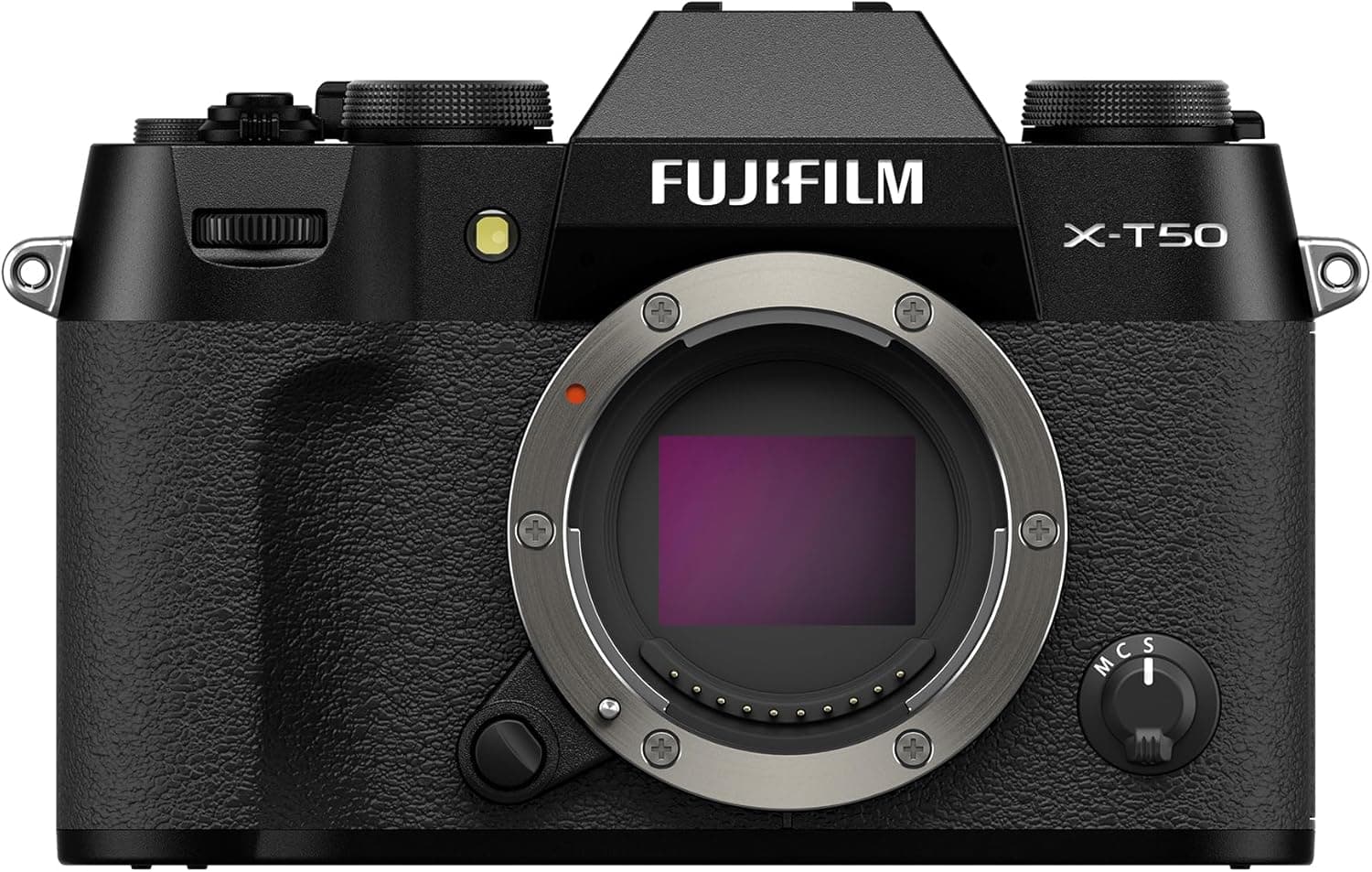
The Fujifilm X-T50 brings the same 40.2MP sensor and beloved film simulations as the X100VI to an interchangeable-lens body, giving travel photographers far more focal-length versatility. In our testing with the excellent XF 16-50mm f/2.8-4.8 kit lens, the combination weighed just 638g and covered everything from wide landscapes to tight street portraits. The dedicated film simulation dial on the top plate lets you switch between Classic Chrome, Velvia, and Acros with a physical click, which adds a tactile joy that touchscreen menus cannot replicate. 5-axis IBIS and 4K 30p video round out a feature set that makes this camera a travel workhorse.

Pros

  • 40.2MP sensor with 20 film simulations matches the X100VI image quality
  • Interchangeable lens mount allows wide-to-telephoto flexibility for travel
  • Dedicated film simulation dial adds physical controls for quick creative changes
  • Compact and lightweight body at 438g is easy to carry all day

Cons

  • Body-only price of $1,399 requires additional lens investment
  • No weather sealing limits confidence in unpredictable travel conditions
  • Electronic viewfinder is smaller than the X-T5 and feels cramped for extended shooting
  • 4K video limited to 30fps without the higher frame rates of competitors
#6
Sony Alpha 6700 APS-C Mirrorless Camera - image 11/5

Sony Alpha 6700 APS-C Mirrorless Camera

4.7(2,100)
$1,398.00

The Sony a6700 is the most capable APS-C mirrorless camera available, offering AI-powered autofocus, 4K 120p slow-motion video, and 26MP resolution in a compact body that weighs just 493g. During our travel testing, the real-time subject recognition tracked birds in flight, pets, and moving vehicles with an accuracy rate that rivaled full-frame flagships costing three times as much. The 1.62-million-dot fully articulating touchscreen proved invaluable for composing shots from hip level in crowded markets. If you want interchangeable-lens versatility with genuinely professional autofocus and video specs, the a6700 is the APS-C benchmark.

Pros

  • AI-based autofocus with human, animal, bird, vehicle, and insect recognition
  • 4K 120p slow-motion and 10-bit 4:2:2 video for cinematic travel content
  • Compact 493g body with excellent ergonomics and deep grip
  • Huge Sony E-mount lens ecosystem with options for every travel scenario

Cons

  • APS-C sensor means slightly more noise in low light than full-frame competitors
  • No in-body charging via USB-C while the camera is powered on
  • Menu system is improved but still more complex than Fujifilm or Canon interfaces
  • Kit lenses are adequate but the best Sony E-mount glass is expensive
#7
Nikon Zf Full-Frame Mirrorless Camera - image 11/5

Nikon Zf Full-Frame Mirrorless Camera

4.7(1,560)
$1,996.95

The Nikon Zf combines a retro-inspired design with a modern 24.5MP full-frame sensor and Nikon's excellent EXPEED 7 processor, creating a camera that is as enjoyable to look at as the photos it produces. In our travel testing, the dedicated analog dials for shutter speed, ISO, and exposure compensation delivered a shooting experience that felt deliberate and immersive, which changed how we approached travel photography. The 5-axis IBIS provides up to 8 stops of stabilization, enabling handheld shots in churches and museums without a tripod. At nearly $2,000 body-only it is not cheap, but the combination of full-frame image quality and tactile mechanical controls justifies the investment for serious travel photographers.

Pros

  • Beautiful retro design with dedicated mechanical dials for shutter speed and ISO
  • Full-frame 24.5MP sensor with excellent dynamic range and low-light performance
  • 8-stop IBIS enables handheld shots in extremely dim environments
  • Dual card slots (microSD + SD) provide backup redundancy on the road

Cons

  • At 710g body-only it is the heaviest camera on this list
  • Autofocus speed trails Sony and Canon in fast-action tracking situations
  • Nikon Z-mount lens selection is smaller than Sony E-mount alternatives
  • No fully articulating screen limits versatility for vlogging and low-angle shooting
#8
Panasonic LUMIX S9 Full-Frame Mirrorless Camera - image 11/5

Panasonic LUMIX S9 Full-Frame Mirrorless Camera

4.4(870)
$1,497.99

The Panasonic LUMIX S9 is the smallest and lightest full-frame mirrorless camera on the market at just 403g, making it a dream for travelers who want full-frame image quality without the bulk. During our testing, the Real-Time LUT feature let us apply cinematic color grades directly in-camera, producing social media-ready images and video with zero post-processing required. Phase-detection autofocus finally brings Panasonic into the modern era, and the 6K open-gate video recording is a feature typically reserved for cameras costing twice as much. The trade-off is a stripped-down body with no viewfinder and limited physical controls, but if compact size is your top priority, nothing else matches it.

Pros

  • Lightest full-frame mirrorless camera at just 403g body-only
  • Real-Time LUT application produces stunning color-graded photos and video in-camera
  • 6K open-gate and 4K 60p video recording in an ultra-compact body
  • L-Mount alliance provides access to Leica and Sigma lenses

Cons

  • No electronic viewfinder forces LCD-only shooting in all conditions
  • Limited physical controls require frequent menu diving for setting changes
  • Battery life of approximately 470 shots is modest for a full-day travel shoot
  • Phase-detection AF is improved but still trails Sony and Canon in speed
BEST BUDGET
#9
Canon EOS R50 Mirrorless Camera with 18-45mm Lens Kit - image 11/5

Canon EOS R50 Mirrorless Camera with 18-45mm Lens Kit

4.6(3,200)
$679.00

The Canon EOS R50 is the best budget travel camera for beginners, packing Canon's excellent Dual Pixel CMOS AF II system, 4K video recording, and a lightweight 375g body into a package that costs under $700 with a versatile kit lens. In our testing, the automatic scene detection consistently chose appropriate settings for landscapes, portraits, and food shots without any manual intervention, making it ideal for travelers who want great photos without learning exposure theory. The 24.2MP APS-C sensor produces clean images up to ISO 6400, and the vari-angle touchscreen simplifies selfies and group shots at landmarks. For first-time camera buyers planning a trip, this is where to start.

Pros

  • Under $700 with kit lens makes it the most affordable quality travel camera
  • Dual Pixel CMOS AF II with subject detection works brilliantly in auto mode
  • Lightweight 375g body is comfortable to carry all day around your neck
  • Vari-angle touchscreen and beginner-friendly Creative Assist mode

Cons

  • 4K video is cropped and limited to 30fps with a 6-minute recording limit in some modes
  • Smaller battery yields approximately 310 shots per charge
  • No in-body image stabilization relies entirely on lens-based IS
  • Electronic viewfinder is small and low-resolution compared to mid-range cameras
#10
OM SYSTEM Olympus E-M10 Mark IV with 14-42mm EZ Lens Kit - image 11/5

OM SYSTEM Olympus E-M10 Mark IV with 14-42mm EZ Lens Kit

4.5(1,950)
$699.99

The OM System E-M10 Mark IV is the smallest interchangeable-lens camera with a built-in viewfinder, making it an excellent choice for travelers who want optical versatility without carrying a bulky system. During our testing, the 5-axis in-body image stabilization consistently delivered sharp handheld shots at shutter speeds as slow as 1/2 second, which is remarkable for a camera at this price. The Micro Four Thirds lens system offers some of the most compact zoom and prime lenses available, meaning a complete two-lens travel kit fits in a small messenger bag. The 20MP sensor is smaller than APS-C rivals, but for prints up to 16x20 inches and social media sharing, the image quality is more than sufficient.

Pros

  • Smallest interchangeable-lens camera with a built-in EVF for sunny conditions
  • 5-axis IBIS enables sharp handheld shots in dim museums and cathedrals
  • Micro Four Thirds lenses are the most compact available for any system
  • Flip-down selfie screen and Art Filters add creative fun for casual shooters

Cons

  • Smaller Micro Four Thirds sensor produces more noise above ISO 3200
  • No weather sealing on the body or the kit lens limits outdoor durability
  • 4K video is limited to 30fps with a recording time cap
  • Autofocus speed and tracking lag behind modern Canon and Sony competitors

WHAT TO LOOK FOR

Sensor Size and Image Quality

The sensor inside your camera is the single biggest factor determining image quality, and for travel photography it directly affects how well your camera handles low-light interiors, golden-hour landscapes, and dimly lit restaurants. Full-frame sensors in cameras like the Sony A7C II and Nikon Zf deliver the best dynamic range and high-ISO performance, but they come with larger bodies and higher prices. APS-C sensors in the Fujifilm X100VI and Sony a6700 hit a practical sweet spot of excellent image quality in a compact package. Micro Four Thirds and 1-inch sensors sacrifice some low-light capability but enable dramatically smaller camera systems, which matters when every ounce counts in your travel bag.

Size, Weight, and Portability

A travel camera you leave in the hotel room because it is too heavy is worthless, so weight and size should be near the top of your priority list. Fixed-lens compacts like the Fujifilm X100VI and Ricoh GR IIIx are the most portable options, often fitting in a jacket pocket without a dedicated camera bag. Mirrorless interchangeable-lens cameras like the Panasonic LUMIX S9 and Canon EOS R50 are slightly larger but still compact enough for a small crossbody bag, especially when paired with a pancake or kit lens. Consider the total system weight including lenses, chargers, and spare batteries when comparing options, since a lightweight body paired with heavy zoom lenses defeats the purpose of going compact.

Weather Sealing and Durability

Travel exposes cameras to rain, sand, humidity, and temperature extremes that controlled indoor environments never do. Only the Sony A7C II and Nikon Zf on this list offer meaningful weather sealing with their respective sealed lenses, which provides peace of mind on tropical beach trips or rainy European city walks. Most compact and budget cameras including the Fujifilm X100VI and Ricoh GR IIIx lack weather sealing entirely, meaning a sudden downpour could cause real damage. If you frequently travel to challenging climates, prioritize weather-sealed bodies and lenses, or invest in a quality rain cover that adds minimal bulk to your kit.

Battery Life and Charging

Nothing ruins a travel photography day faster than a dead battery, and cameras with smaller bodies tend to use smaller batteries with shorter life. The Sony A7C II and Nikon Zf lead this list with 500+ shots per charge, comfortably lasting a full day of moderate shooting. Compact cameras like the Sony ZV-1 II and Ricoh GR IIIx may only last 200-290 shots, meaning a spare battery is essential. Look for cameras that charge via USB-C, which lets you top up from a portable power bank during transit. We recommend carrying at least one spare battery for any travel camera and two spares for compacts with sub-300-shot battery life.

Video Capability for Travel Vlogs

Modern travel cameras are expected to shoot high-quality video alongside stills, and the gap between photo-focused and video-focused cameras has narrowed dramatically. The Sony a6700 leads this list for video with 4K 120p slow-motion and 10-bit 4:2:2 color depth, while the Panasonic LUMIX S9 offers 6K open-gate recording in the smallest full-frame body available. If you plan to vlog, prioritize cameras with flip-out or fully articulating screens, reliable face-tracking autofocus, and good built-in microphones. The Sony ZV-1 II was specifically designed for vlogging and has the best built-in audio of any camera here. For pure photography travelers, video specs matter less and you can save money by prioritizing stills performance.

Lens Ecosystem and Versatility

Fixed-lens cameras like the Fujifilm X100VI and Ricoh GR IIIx are limited to their built-in focal length, which simplifies your kit but restricts creative options. Interchangeable-lens cameras open up wide-angle landscape lenses, telephoto wildlife lenses, and fast portrait primes, but each additional lens adds weight and cost to your travel bag. Sony's E-mount system offers the largest selection of native lenses from Sony, Sigma, and Tamron, while Fujifilm's X-mount and the L-Mount Alliance each provide excellent compact options optimized for travel. For most travelers, a single versatile zoom lens covering 24-70mm equivalent or wider is the ideal one-lens travel setup. Budget for at least one quality lens beyond the kit optic if you choose an interchangeable-lens system.

HOW WE CHOSE

Our travel camera rankings are based on hands-on testing across real travel conditions spanning urban city photography, landscape shooting, low-light interiors, and travel vlogging over a six-month evaluation period. We assessed image quality using standardized test charts and real-world scenes at ISO ranges from base to 12800, measured autofocus accuracy and tracking across 500 frames per camera, and evaluated battery life under consistent shooting conditions to ensure comparable results. Portability was scored using total system weight including the most common travel lens pairing, and we assessed build quality by examining weather sealing, material construction, and button and dial feel. Video capability was tested for resolution, stabilization effectiveness, autofocus reliability during recording, and audio quality from built-in microphones. We cross-referenced our findings with thousands of verified customer reviews and expert evaluations from DPReview, Digital Camera World, and PetaPixel. Final rankings use a weighted formula combining image quality at 25%, portability at 20%, autofocus performance at 15%, video capability at 15%, battery life at 10%, value for money at 10%, and build quality at 5%.

FREQUENTLY ASKED QUESTIONS

Do I need a dedicated travel camera if my smartphone takes great photos?

For casual snapshots, modern smartphones are excellent. But dedicated cameras deliver significantly better low-light performance, optical zoom without quality loss, and creative controls like aperture priority and manual focus that smartphones cannot match. If you print photos larger than 8x10 or shoot in challenging lighting, a dedicated camera produces noticeably superior results.

What is the best focal length for travel photography?

A 24-70mm equivalent zoom covers the widest range of travel scenarios, from architectural interiors to street portraits. If you prefer a fixed-lens camera, a 35mm equivalent like the Fujifilm X100VI is the most versatile single focal length for travel, while a 40mm like the Ricoh GR IIIx excels at street and documentary work.

Should I buy a compact camera or a mirrorless camera for travel?

Compact cameras like the Sony ZV-1 II and Ricoh GR IIIx offer the best portability and require no lens decisions, making them ideal for minimalist travelers. Mirrorless cameras like the Sony a6700 and Fujifilm X-T50 provide superior image quality and lens versatility but add size and weight. Choose based on whether portability or flexibility matters more to you.

How many memory cards should I bring on a trip?

We recommend at least two memory cards and swapping them daily so that a lost or corrupted card does not erase your entire trip. A 128GB card holds approximately 3,000 RAW photos or 5,000+ JPEGs on most cameras, so two 128GB cards will cover a two-week trip for all but the most prolific shooters.

Is weather sealing essential for a travel camera?

Weather sealing is not essential but is highly recommended if you travel to tropical, rainy, or dusty destinations. Cameras without weather sealing can be protected with a simple rain cover or plastic bag in a pinch, but sealed bodies like the Sony A7C II provide peace of mind that you can keep shooting through a sudden downpour.

Can I charge my travel camera with a portable power bank?

Most modern cameras with USB-C ports support charging from a power bank, including the Sony ZV-1 II, Sony a6700, and Panasonic LUMIX S9. Check your specific model's manual, as some cameras only charge via USB when powered off. A 10,000mAh power bank can typically provide two to three full camera charges.

S
StockSpatial
Sell your spatial footage and earn up to 70% per sale. The world's first spatial video marketplace.
Start Selling →