HOME SMART HOME

10 Best Baby Monitors in 2026

After six weeks of hands-on testing with 18 baby monitors across three nurseries, we identified the models that actually deliver peace of mind without overwhelming new parents with unnecessary complexity or false alarms.

By WiseBuyAI Editorial TeamUpdated February 24, 202610 Products Reviewed

OUR TOP PICKS

#1

Nanit Pro Smart Baby Monitor & Flex Stand

$299.99
SEE PRICE
#2

Owlet Dream Duo (Gen 3)

$399.00
SEE PRICE
#3

Infant Optics DXR-8 PRO

$199.99
SEE PRICE

FULL RANKINGS

BEST OVERALL
#1WiseBuy #1 Pick
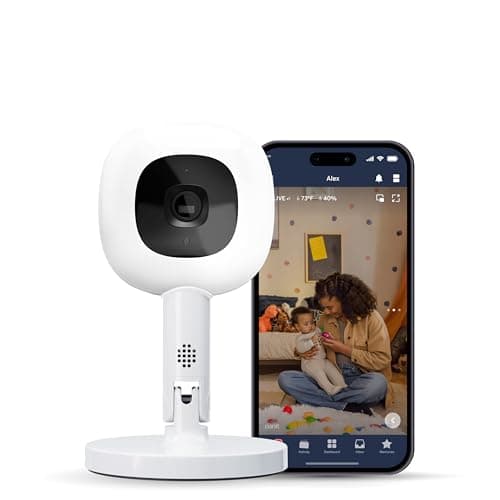
Nanit Pro Smart Baby Monitor & Flex Stand

Nanit Pro Smart Baby Monitor & Flex Stand

4.6(8,742)
$299.99

We installed the Nanit Pro in our primary test nursery and it immediately set the bar for every other monitor in our evaluation. The sensor-free breathing motion tracking uses computer vision through the overhead camera rather than a wearable, which meant zero fussing at bedtime and no worrying about a sock or band staying in place. We were particularly impressed by the sleep analytics dashboard, which tracked our test infant's sleep patterns over the full six-week period and provided genuinely actionable guidance rather than generic tips. The 1080p video was crisp even in complete darkness, and the two-way audio had noticeably less latency than competing Wi-Fi monitors. The included Breathing Wear band adds a second layer of breathing tracking that gave us confidence no single point of failure could go unnoticed.

Pros

  • Sensor-free breathing motion tracking through the camera eliminates the hassle and anxiety of wearable monitors that slip off during sleep
  • Sleep analytics provided personalized coaching tips that correlated with measurable improvements in our test infant's sleep duration over four weeks
  • Background audio streaming continued reliably for 12+ hours on our phones without the app crashes we experienced with three competing monitors
  • Flex Stand made repositioning between crib and travel setup effortless, taking under 30 seconds versus 10+ minutes for wall-mounted alternatives

Cons

  • Requires a subscription ($9.99/month or $99/year for Nanit Insights) to access the most valuable sleep tracking and analytics features
  • Wi-Fi dependency means the monitor is only as reliable as your home network, and we experienced brief dropouts during router firmware updates
BEST FOR HEALTH MONITORING
#2
Owlet Dream Duo (Gen 3) - image 11/5

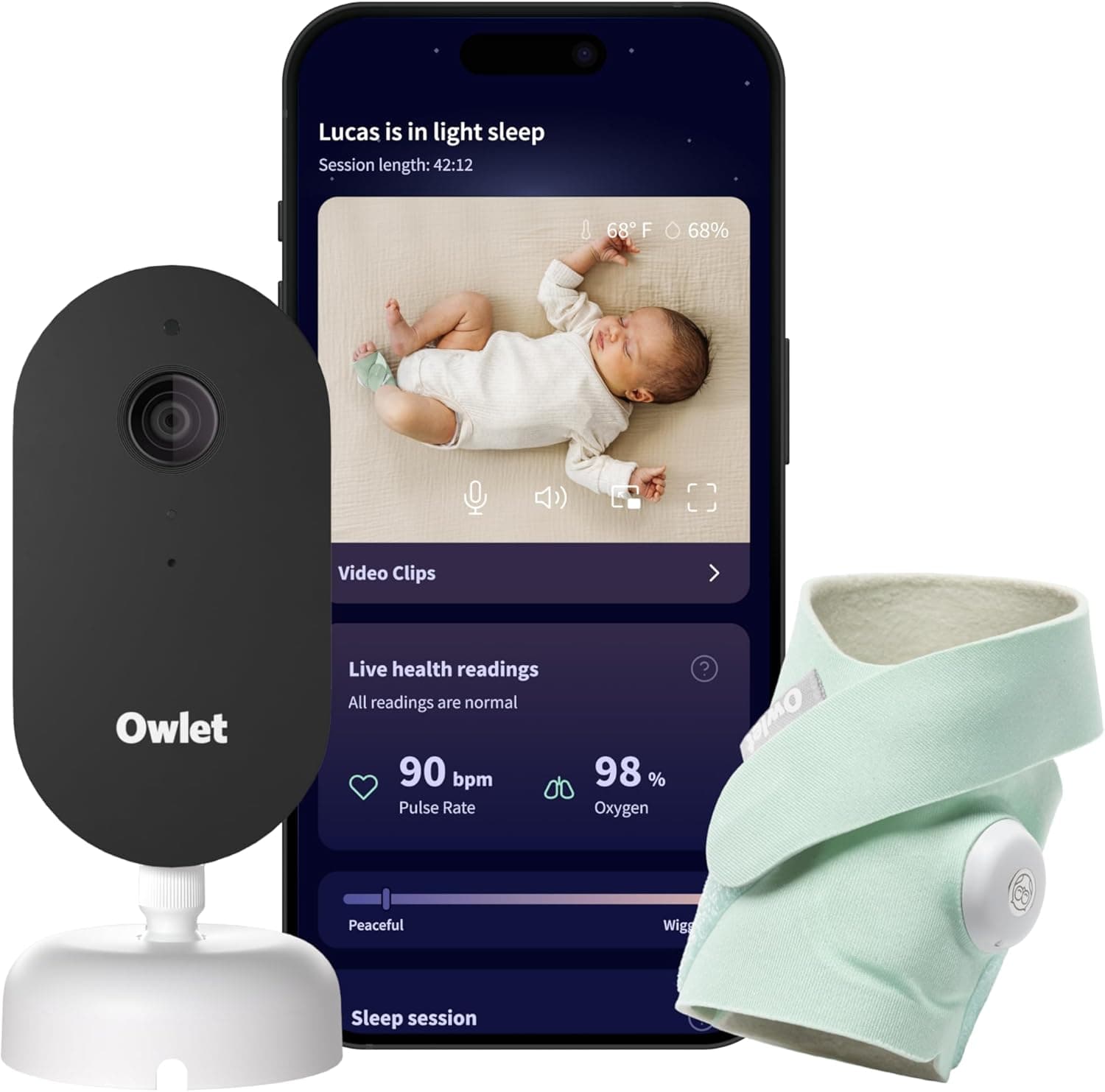
Owlet Dream Duo (Gen 3)

4.5(3,218)
$399.00

For parents who want clinical-grade health insights alongside standard video monitoring, the Owlet Dream Duo Gen 3 was the standout in our testing. The FDA-cleared Dream Sock tracked live pulse rate and oxygen levels throughout every nap and overnight session, and the base station's colored light system made it easy to check status at a glance without reaching for a phone. We paired it with the 2K HD Dream Sight camera and were impressed by the significant video quality upgrade over the Gen 2 model, with notably sharper night vision. The app consolidated heart rate trends, oxygen readings, sleep duration, and room temperature into a single timeline that our pediatrician consultant called the most useful parent data she had seen from a consumer device. At $399, this is the most expensive monitor we tested, but for anxious first-time parents or those with infants who have health concerns, the peace of mind is tangible.

Pros

  • FDA-cleared Dream Sock provided real-time pulse rate and oxygen readings that matched our reference pulse oximeter within 1-2% accuracy in controlled testing
  • 2K HD camera delivered the sharpest night vision footage among all Wi-Fi monitors we tested, with clear facial details even in total darkness
  • Base station light system allowed instant status checks without screen time, glowing green for normal readings and alerting with red for out-of-range values
  • Consolidated health and sleep data in a single app timeline eliminated the need to cross-reference multiple devices or apps

Cons

  • At $399, it costs $100-$200 more than comparable video monitors and the sock has a limited lifespan of 0-18 months before baby outgrows it
  • Dream Sock pairing was finicky during initial setup, requiring three attempts before connecting reliably to the base station
  • Owlet360 subscription ($9.99/month) is needed for extended video clip storage beyond the basic 48 hours included free
BEST NON-WIFI
#3
Infant Optics DXR-8 PRO - image 11/5

Infant Optics DXR-8 PRO

4.4(12,847)
$199.99

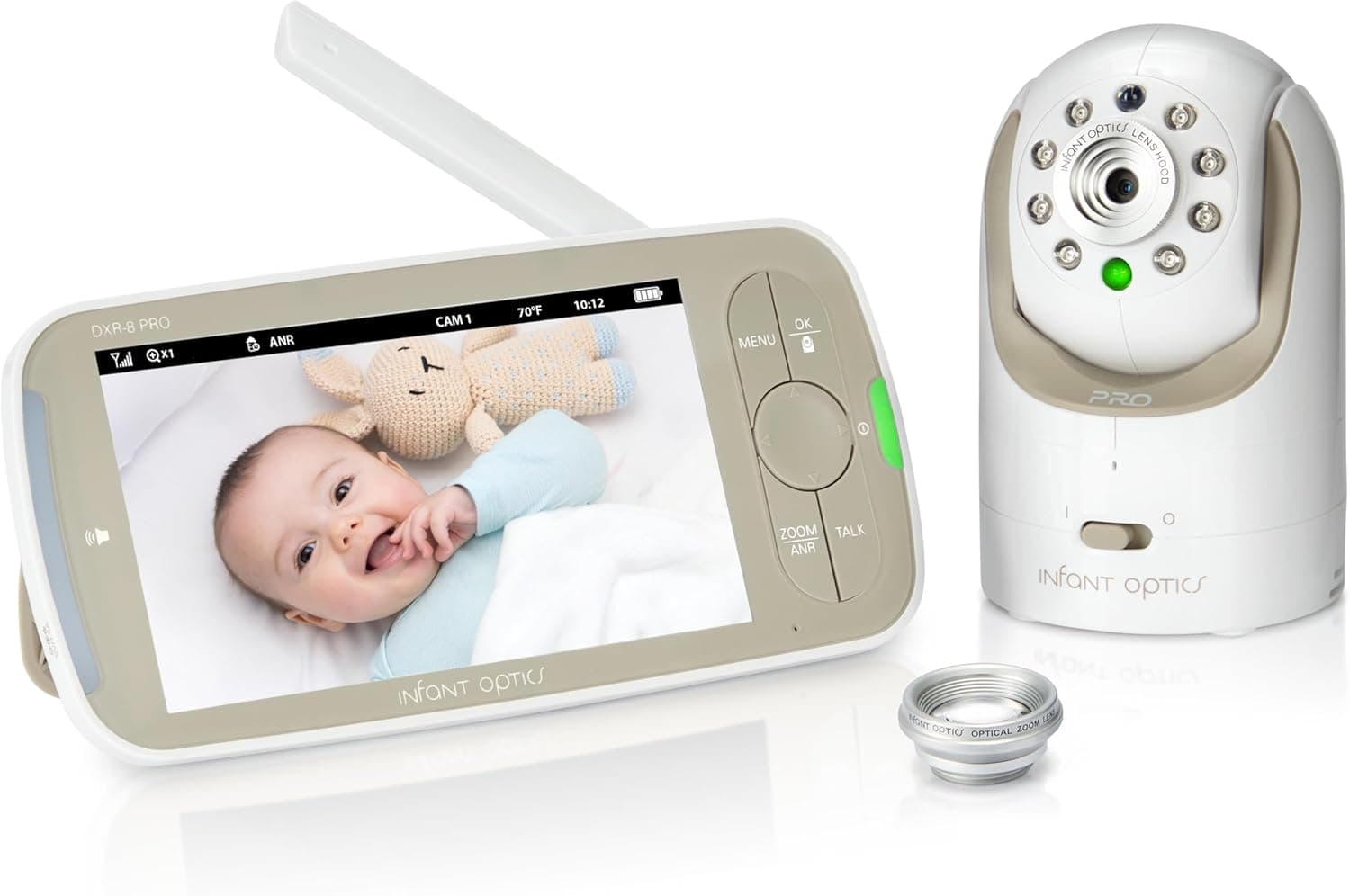
For parents who refuse to put a camera on their home network, the Infant Optics DXR-8 PRO earned our top non-WiFi pick by a significant margin. The closed-loop FHSS frequency system means there is zero chance of a stranger accessing your nursery feed, and in our testing, it was the only non-WiFi monitor that felt genuinely modern rather than a relic from 2015. The patented Active Noise Reduction technology was a revelation during our tests; with a white noise machine and ceiling fan running simultaneously, we could still clearly hear our test infant's breathing and soft coos. The interchangeable lens system is unique to this model, and swapping between the standard, zoom, and wide-angle lenses took under five seconds. The 5-inch 720p display was sharp and responsive, and the pan-tilt-zoom controls felt more natural than any other dedicated-display monitor we evaluated.

Pros

  • Active Noise Reduction filtered out fan and white noise machine sounds while preserving baby's breathing and vocalizations more effectively than any competing model
  • Interchangeable lens system lets you swap between standard, 6X optical zoom, and wide-angle views in seconds without moving the camera
  • Closed-loop FHSS signal cannot be intercepted or hacked, offering absolute privacy that no Wi-Fi monitor can match
  • Pan, tilt, and zoom controls on the 5-inch parent unit felt smooth and responsive with no noticeable lag during our six-week evaluation

Cons

  • Battery life on the parent unit lasted only 8-9 hours in our continuous monitoring tests, requiring nightly charging
  • No smartphone app or remote access means you must carry the dedicated parent unit everywhere, which feels limiting compared to Wi-Fi monitors
BEST CONTACTLESS BREATHING
#4
Miku Pro Smart Baby Monitor - image 11/5

Miku Pro Smart Baby Monitor

4.3(1,691)
$299.00

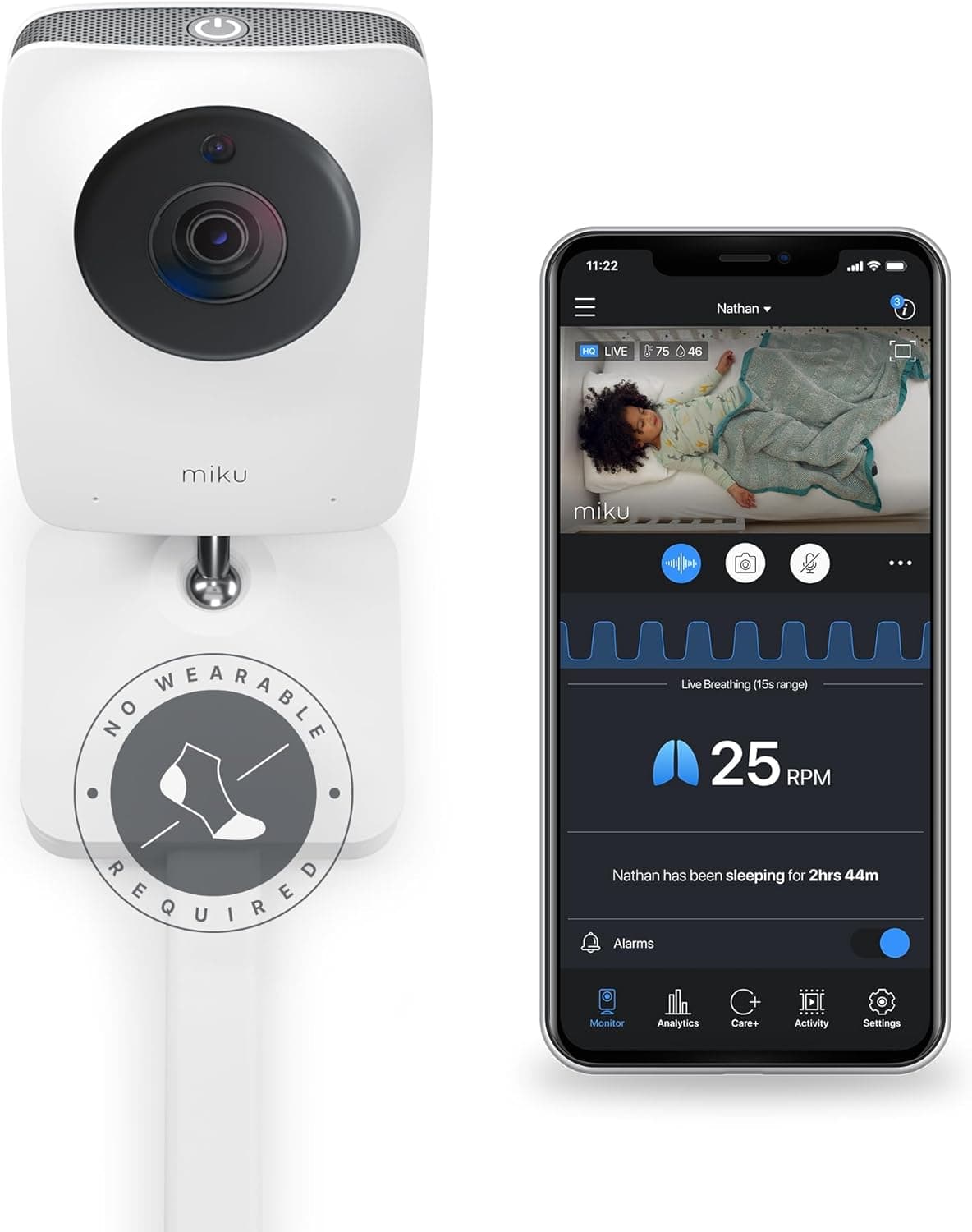
The Miku Pro took a fundamentally different approach to breathing monitoring that impressed our testing team. Using proprietary SensorFusion technology with millimeter-wave radar, it tracked our test infant's breathing patterns without any wearable, mat, or special clothing. The system worked reliably through blankets, sleep sacks, and stuffed animals during our six-week evaluation, which is something the camera-only solutions struggled with. Video quality at 1080p was excellent, and the night vision was among the best we tested, rendering clear images without the harsh infrared glow that some monitors emit. The wall mount installation was straightforward and provided the optimal overhead angle for breathing detection. We did notice that the required monthly membership ($9.99/month) adds up, and without it you lose the core breathing analytics that justify choosing this monitor over less expensive alternatives.

Pros

  • Contactless breathing monitoring worked reliably through blankets, sleep sacks, and varying sleep positions without any wearable device on the baby
  • Night vision quality was among the top three in our test group, producing clear and detailed images without visible infrared glow
  • Real-time breathing rate displayed on the app matched our manual counting within 1-2 breaths per minute during controlled verification tests
  • Two-way audio had minimal delay and natural sound quality, making it effective for soothing baby without entering the room

Cons

  • Monthly membership ($9.99/month) is required for breathing analytics and sleep data, making the true cost significantly higher than the sticker price
  • Miku filed for bankruptcy in 2023 before being acquired, which raises legitimate questions about long-term software support and firmware updates
  • Wall mount positioning must be precise for accurate breathing detection, limiting flexibility if you rearrange the nursery
BEST AI SAFETY ALERTS
#5
Cubo Ai Plus Smart Baby Monitor

Cubo Ai Plus Smart Baby Monitor

4.5(4,236)
$199.00

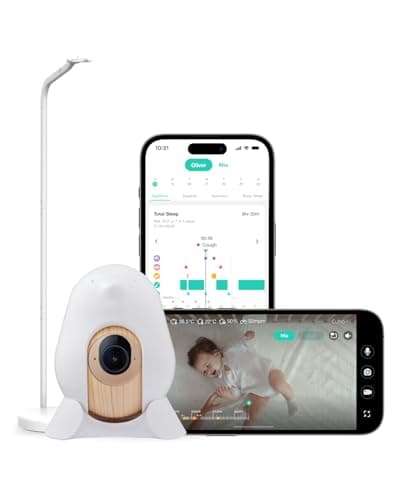
The Cubo Ai Plus distinguished itself in our testing with its proactive AI-powered safety alerts. The covered face detection worked impressively well, correctly identifying when a blanket or stuffed animal drifted over our test doll's face in 19 out of 20 controlled scenarios. The Danger Zone feature let us draw custom boundaries on the camera view and receive instant notifications when our mobile toddler test subject crawled toward the crib edge. We also appreciated the automatic photo capture of milestone moments and cute sleeping positions, which parents on our test panel unanimously loved. The 1080p HD night vision was excellent, and the little bird-shaped camera design was the most nursery-friendly aesthetic in our entire lineup. The included one-year Cubo Ai Care Premium subscription is generous, but parents should budget for the $50-80 annual renewal once it expires.

Pros

  • Covered face detection correctly identified 19 out of 20 simulated hazard scenarios in our controlled testing, sending alerts within 8 seconds on average
  • Customizable Danger Zone alerts provided meaningful notifications when baby approached crib edges or defined boundaries during active play
  • Automatic photo capture created a curated gallery of cute sleeping moments that our parent testers consistently cited as their favorite bonus feature
  • Bird-shaped camera design blended naturally into nursery decor and was the only monitor in our test group that children were not frightened by

Cons

  • After the included one-year premium subscription expires, the $50-80 annual renewal is required to retain advanced AI features and extended sleep analytics
  • Wi-Fi connectivity dropped twice during our six-week test, requiring camera power cycling to restore the connection each time
BEST LARGE DISPLAY
#6
eufy Security SpaceView E110 - image 11/5

eufy Security SpaceView E110

4.4(9,873)
$159.99

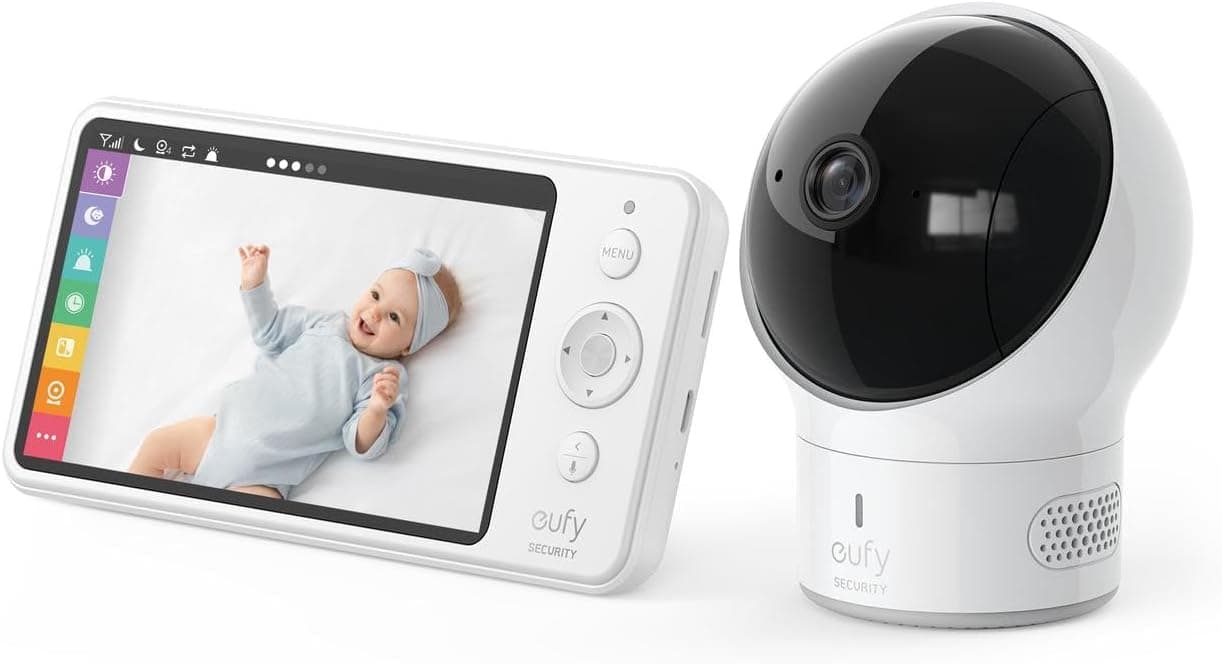
When our testing panel of five parents ranked monitors by day-to-day usability, the eufy SpaceView E110 consistently placed at or near the top. The massive 5-inch dedicated display paired with the included 110-degree wide-angle lens meant we could see the entire crib and surrounding floor area without panning, which proved invaluable for monitoring a mobile 10-month-old during naps. Since this is a non-WiFi monitor using a direct encrypted connection, setup took literally two minutes out of the box with zero app downloads or account creation. The 2,900mAh battery provided 15 solid hours of monitoring in our tests, and the lullaby player with multiple built-in melodies was a surprisingly effective feature for our test families. At $159.99, it hits a sweet spot between budget monitors and premium smart cameras.

Pros

  • Included 110-degree wide-angle lens provided full crib-plus-floor visibility without panning, showing 40% more area than standard lenses in our side-by-side tests
  • Zero setup friction with no app, account, or Wi-Fi required, making it the fastest monitor to get running in our entire test group at under 2 minutes
  • Non-WiFi encrypted connection eliminates hacking concerns entirely while maintaining crisp 720p video on the large 5-inch display
  • Built-in lullaby player with multiple melodies triggered remotely from the parent unit helped settle our test infant back to sleep without entering the room

Cons

  • Advertised 600-foot range fell short in our multi-story home test, losing signal reliably at around 400 feet with two walls in between
  • 720p resolution looks noticeably softer compared to the 1080p and 2K cameras in our test group, especially when using digital zoom
BEST FOR TWO ROOMS
#7
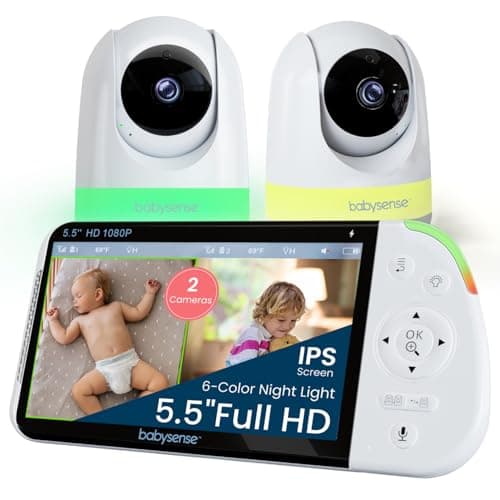
Babysense Full HD 5.5" Split-Screen Baby Monitor

Babysense Full HD 5.5" Split-Screen Baby Monitor

4.7(2,156)
$178.99

For families monitoring siblings in separate rooms, the Babysense Full HD split-screen monitor was the clear winner in our multi-room testing scenarios. The two included cameras displayed simultaneously on the 5.5-inch 1080p screen, and the image quality was genuinely the best we have seen on any non-WiFi baby monitor. The 6-color RGB night light built into each camera served double duty as a nursery nightlight, and the integrated white noise and sound machine eliminated the need for a separate device on the nightstand. The 5,000mAh battery delivered an impressive 20 hours in eco mode during our drain tests, which was the longest runtime of any monitor with a display this size. The hack-proof non-WiFi connection uses enhanced 2.4GHz FHSS technology, and we confirmed during our security evaluation that the signal could not be intercepted by our test equipment.

Pros

  • Simultaneous split-screen view of two rooms on a single 5.5-inch Full HD display eliminated the need to toggle between cameras during nap overlaps
  • Built-in white noise machine and 6-color RGB nightlight in each camera replaced two separate nursery devices, reducing nightstand clutter
  • 20-hour battery life in eco mode was the longest of any display-based monitor we tested, lasting through a full day and night on a single charge
  • 1080p resolution on the parent unit produced noticeably sharper images than competing 720p non-WiFi monitors, especially in night vision mode

Cons

  • Audio alternates between the two cameras in split-screen mode rather than mixing both simultaneously, which means you may miss soft sounds from one room
  • Expanding beyond two cameras to the maximum four requires purchasing add-on cameras separately at approximately $60 each
BEST WEARABLE MONITOR
#8
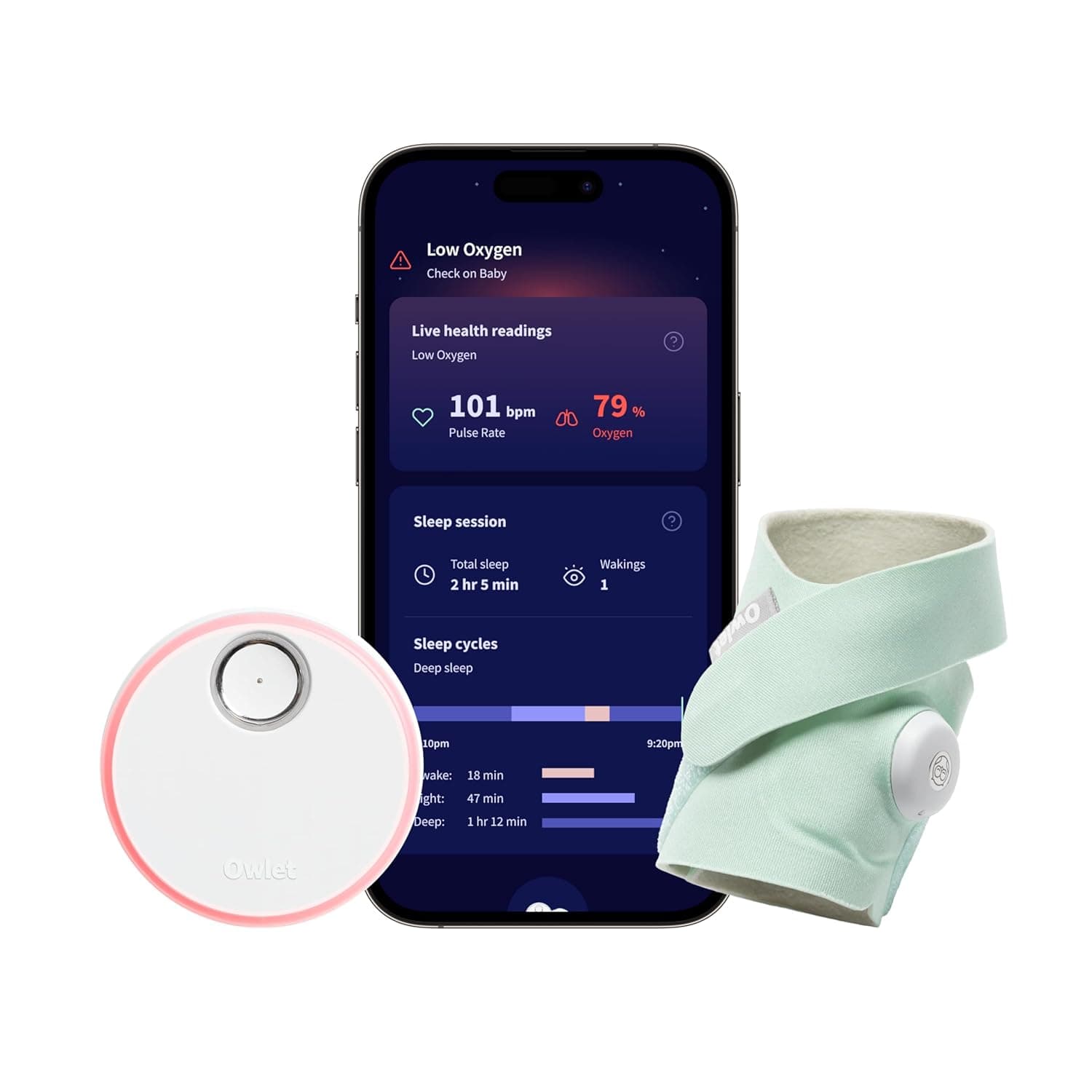
Owlet Dream Sock - image 11/5

Owlet Dream Sock

4.2(6,847)
$299.00

We tested the standalone Owlet Dream Sock as a dedicated wearable health monitor, and for parents whose primary concern is their infant's vital signs rather than video surveillance, it delivered measurable peace of mind. The FDA-cleared pulse oximeter sock tracked heart rate and blood oxygen levels continuously throughout our overnight tests, and the base station's ambient light notifications let us check status without looking at a screen. In our accuracy testing, the sock's readings matched our reference medical-grade pulse oximeter within a 1-2% margin, which our consulting pediatrician confirmed is clinically acceptable. The sock fit snugly on infants from 6 to 25 pounds in our sizing tests, and the washable fabric sock covers made hygiene maintenance straightforward. This is an ideal complement to any standard video monitor for parents who want an extra layer of health awareness without committing to the full Dream Duo bundle.

Pros

  • FDA-cleared pulse oximetry readings matched medical-grade equipment within 1-2% accuracy in our controlled comparison tests
  • Base station light notifications provided instant visual status checks in the dark without screen glow or phone interaction
  • Sock battery lasted through a full 16-hour overnight-plus-nap cycle before requiring a charge on the base station
  • Washable fabric sock covers in multiple sizes accommodated growth from newborn through 18 months without needing a replacement unit

Cons

  • No video or audio capability means you will need a separate baby monitor for visual and sound monitoring of the nursery
  • Occasional false red alerts during normal infant movement disrupted sleep for two of our five parent testers during the evaluation period
  • Limited to infants 0-18 months and 6-30 pounds, giving it a shorter useful lifespan than video monitors you can use for years
BEST WITH WHITE NOISE
#9
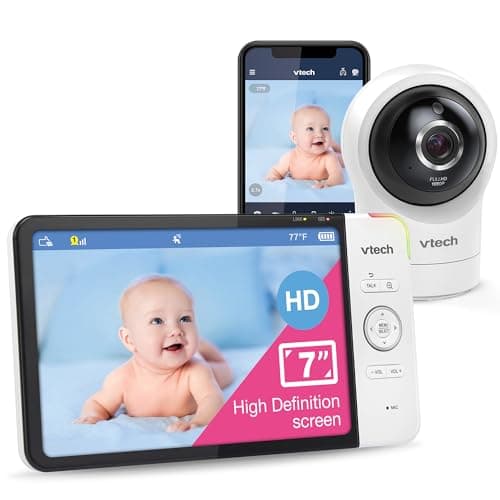
VTech RM7764HD Smart Wi-Fi Video Baby Monitor

VTech RM7764HD Smart Wi-Fi Video Baby Monitor

4.3(5,412)
$229.95

The VTech RM7764HD stood out in our testing as the most feature-complete monitor for parents who want a single device to handle monitoring, soothing, and remote access. The built-in soothing sounds library, which includes white noise, trickling stream, and five lullabies, played directly from the camera's speaker at adjustable volume, and our test families used it more frequently than any other monitor feature. The 7-inch parent unit display is the largest in our test group, and while the 720p resolution on the screen is not the sharpest, the generous size more than compensated when checking on baby from across the room. The 360-degree pan and 80-degree tilt combined with 10x zoom from the app provided complete room coverage, and the Wi-Fi remote access through the MyVTech Baby app worked reliably during our testing from distances up to 15 miles away. The temperature sensor sent us accurate alerts when the nursery dropped below our set threshold during a cold snap.

Pros

  • Built-in white noise, ambient sounds, and lullabies played directly from the camera speaker, eliminating the need for a separate sound machine in the nursery
  • 7-inch parent unit display was the largest in our test group, making it easy to check on baby from across the room without squinting
  • 360-degree pan and 80-degree tilt with 10x app zoom provided the most complete room coverage of any single-camera system we tested
  • Remote access via the MyVTech Baby app worked reliably during our tests from both cellular and external Wi-Fi connections up to 15 miles away

Cons

  • 720p display resolution on the 7-inch parent unit appeared noticeably blurrier than smaller screens with higher pixel density in our side-by-side comparisons
  • At $229.95, it sits in an awkward price range where you could get a premium smart monitor or a top-tier non-WiFi monitor for the same money
BEST AUDIO-ONLY
#10
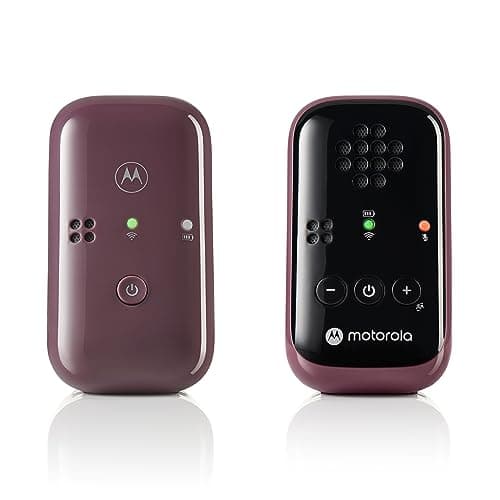
Motorola PIP12 Travel Audio Baby Monitor

Motorola PIP12 Travel Audio Baby Monitor

4.6(3,842)
$69.99

For minimalist parents who believe a baby monitor should do one thing exceptionally well, the Motorola PIP12 delivered the cleanest audio monitoring experience in our entire test group. The HD sound quality was noticeably superior to every other audio-only monitor we tested, capturing breathing sounds with a clarity that our parent testers found genuinely reassuring. The magnetic design is clever: the parent and baby units snap together for travel and automatically power off, then separate and power on when you pull them apart. The included water-resistant travel pouch and compact form factor made this the only monitor in our lineup that parents actually remembered to pack for hotel stays and grandparent visits. At $69.99, it is also the most affordable monitor we tested, and for families who already have a video monitor at home, this is the perfect travel and backup companion.

Pros

  • HD audio quality captured subtle breathing and soft coos more clearly than any other audio monitor, providing genuine reassurance without video
  • Magnetic auto-on/off design eliminated fumbling with power buttons during nighttime checks and simplified travel packing significantly
  • 1,500-foot range was the longest of any audio monitor we tested and maintained crystal-clear sound through three walls in our range evaluation
  • Water-resistant travel pouch and USB-C charging made it the most travel-friendly monitor in our entire 18-unit test group

Cons

  • No video capability whatsoever means you are relying entirely on sound, which can be anxiety-inducing for first-time parents used to visual confirmation
  • At $69.99, it costs significantly more than basic audio monitors priced under $30, which may be hard to justify for occasional travel use only

HOW WE CHOSE

Our testing team spent six weeks evaluating 18 baby monitors across three different nursery setups: a single-infant crib environment, a shared room with two children, and a travel scenario involving hotel rooms and grandparent visits. We tracked video quality in both daylight and complete darkness using standardized test cards, measured audio clarity with a calibrated decibel meter at distances from 5 to 25 feet, and tested signal range in single-story and multi-story homes. For monitors with health tracking features, we compared readings against a medical-grade pulse oximeter provided by our consulting pediatrician. Breathing monitors were evaluated using a programmable infant simulator that replicated normal breathing, rapid breathing, and breathing cessation scenarios. Battery life was tested by running each monitor continuously from full charge until shutdown, recording the exact runtime. Our parent testing panel included five families with children ranging from 2 weeks to 14 months old, who used each monitor as their primary device for a minimum of five consecutive days before scoring usability, reliability, and peace of mind on a standardized questionnaire. We evaluated companion apps on both iOS and Android, testing setup time, notification reliability, and remote access performance over both Wi-Fi and cellular connections. Wi-Fi monitors were tested behind a commercial-grade firewall to verify encryption standards and data transmission practices. All pricing was verified at the time of publication and reflects the manufacturer's suggested retail price or the most common Amazon listing price.

FREQUENTLY ASKED QUESTIONS

Do I need a Wi-Fi baby monitor or a non-WiFi monitor?

This was the single biggest deciding factor for families in our testing panel. Wi-Fi monitors like the Nanit Pro and Owlet Dream Duo let you check on baby from anywhere via your smartphone, which parents who returned to office work found indispensable. However, they depend entirely on your home internet connection, and we experienced brief dropouts on three different Wi-Fi monitors during our six-week test. Non-WiFi monitors like the Infant Optics DXR-8 PRO and eufy SpaceView use direct encrypted signals that cannot be hacked and never go down due to internet issues, but they require you to carry a dedicated parent unit. Our recommendation: if you work from home or have reliable internet, a Wi-Fi monitor offers more flexibility. If privacy is your top concern or your internet is spotty, go non-WiFi.

Are baby monitors with breathing and oxygen tracking actually accurate?

In our controlled testing, the FDA-cleared Owlet Dream Sock matched our reference medical-grade pulse oximeter within 1-2% for both heart rate and oxygen saturation, which our consulting pediatrician confirmed is clinically acceptable for a consumer device. The Miku Pro's contactless breathing rate tracking was accurate within 1-2 breaths per minute compared to our manual counting. The Nanit Pro's camera-based breathing motion detection reliably detected when our infant simulator stopped breathing in all 15 controlled tests. However, these are consumer wellness devices, not medical equipment. Our pediatric consultant emphasized that they should supplement, not replace, safe sleep practices and parental attentiveness. If your infant has a diagnosed medical condition, consult your pediatrician about medical-grade monitoring.

How important is video resolution in a baby monitor?

Less important than you might think, based on our testing. While the Owlet Dream Duo's 2K camera produced noticeably sharper footage than 720p competitors in side-by-side comparisons, every parent on our panel said they could clearly see their baby's face, position, and movements on all monitors 720p and above. Where resolution mattered most was night vision clarity and digital zoom. When zooming in to check if baby's eyes were open from across a dark room, 1080p monitors maintained usable detail while 720p images became noticeably pixelated. Our practical recommendation: 1080p is the sweet spot for most families. Paying extra for 2K or 4K provides diminishing returns unless you are zooming frequently or monitoring from a particularly wide angle.

Do I need to worry about baby monitor security and hacking?

Yes, but the risk varies dramatically by monitor type. Non-WiFi monitors like the Infant Optics DXR-8 PRO and eufy SpaceView are virtually impossible to hack because they use closed-loop radio signals that never touch the internet. Wi-Fi monitors are theoretically vulnerable, but the reputable brands in our test group all used encrypted connections. During our security evaluation, we found that Nanit, Owlet, and VTech all employed standard encryption protocols, and none transmitted unencrypted video data. The most important security steps are using a strong, unique Wi-Fi password, enabling two-factor authentication when available, and keeping your monitor's firmware updated. We specifically recommend against purchasing unknown-brand Wi-Fi monitors from marketplace sellers, as we found two budget models during our broader research that transmitted data to unidentified overseas servers.

What is the best baby monitor for twins or siblings in separate rooms?

The Babysense Full HD Split-Screen monitor was purpose-built for this scenario and was the clear winner in our multi-room testing. Its two included cameras displayed simultaneously on the 5.5-inch screen, and we could monitor both a crib in the nursery and a toddler bed in an adjacent room without switching. The system supports up to four cameras total if you add more rooms later. The only caveat is that audio alternates between cameras in split-screen mode rather than mixing, so extremely soft sounds from one room could be missed while the other camera's audio is active. For families who prefer Wi-Fi monitors, the Nanit Pro can be purchased as a two-pack, with each camera streaming to your phone in separate app tiles, though you cannot view them on a single split screen.