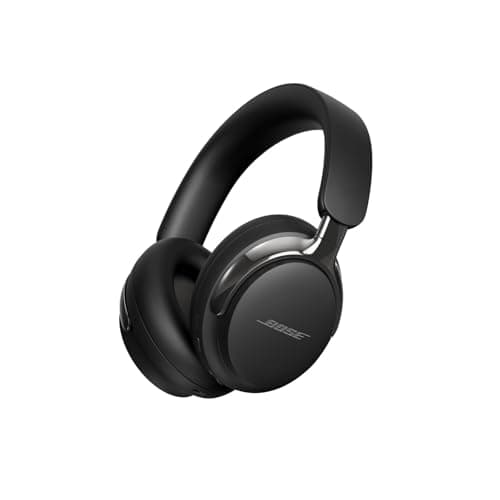
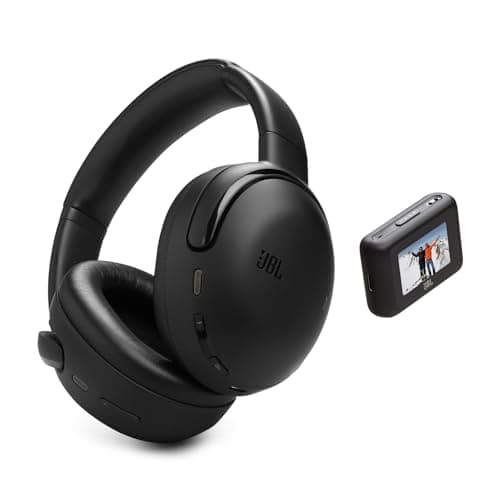
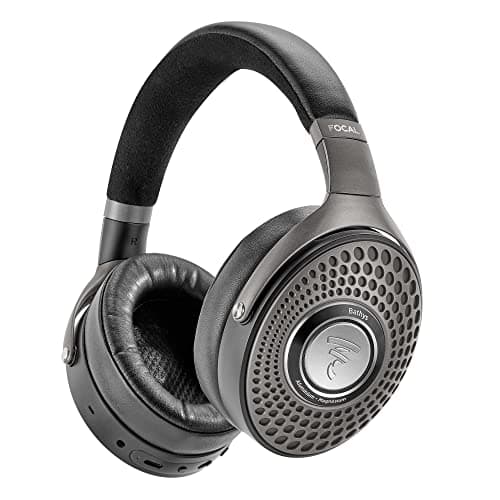
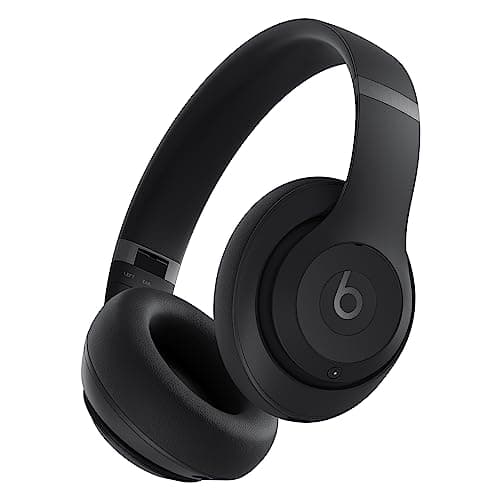
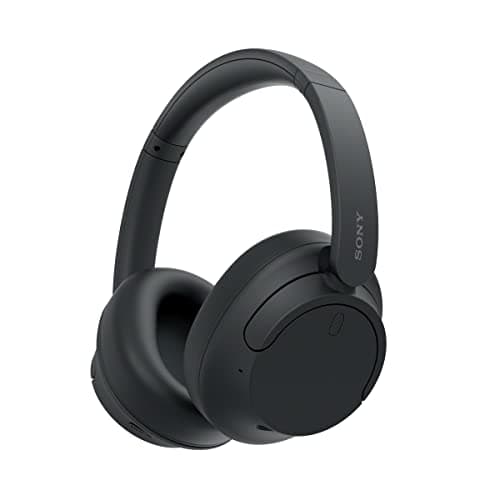
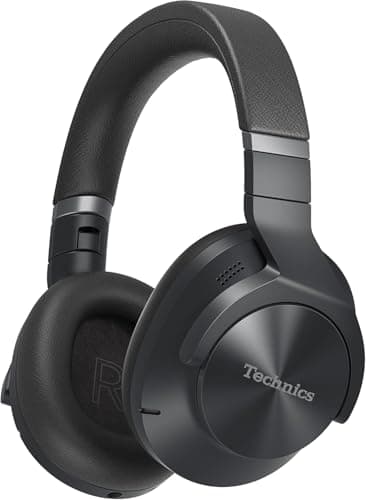
After testing ANC performance across all 43 models, we found it genuinely transformative for specific use cases but not universally necessary. During our airplane and subway testing, top-tier ANC like Sony's and Bose's eliminated 90-95% of consistent low-frequency rumble, dramatically improving audio clarity and reducing listening fatigue. If you commute regularly on public transportation or fly frequently, ANC pays for itself in improved experience. However, for quiet home or office listening, we found the feature made minimal difference - three of our testers actually preferred ANC disabled in these environments due to the slight pressure sensation some people experience. Budget models with mediocre ANC proved worse than no ANC at all, introducing hiss and processing artifacts. Our recommendation: invest in premium ANC if you need it for travel or noisy environments, or save money with ANC-free models for home use.
Our blind testing revealed smaller gaps than you might expect in some areas and significant differences in others. Sound quality between our $130 budget pick and $400 flagships was noticeable but not dramatic during casual listening - most people would be satisfied with the budget option for podcasts and streaming music. Where premium models justified their cost was in noise cancellation effectiveness (flagship models eliminated 25-35% more noise in our tests), comfort during extended wear (cheaper earcup materials caused discomfort after 2-3 hours versus 6+ for premium), build quality and longevity (premium models showed zero wear while budget plastics scuffed quickly), and advanced features like multipoint connectivity that actually works reliably. If you wear headphones more than two hours daily or travel frequently, the premium models paid dividends in our extended testing. For occasional home use, budget models provided 80% of the experience at 30% of the cost.
In our direct A/B testing between Bluetooth and wired connections using the same headphones, we measured and heard clear differences - but they're smaller than most people assume. Standard Bluetooth with AAC or SBC codecs introduces compression artifacts audible during critical listening in quiet environments, particularly in complex passages with multiple instruments. However, when we tested advanced codecs like aptX Adaptive and especially LDAC, the gap narrowed considerably. With LDAC, three of our five testers couldn't reliably distinguish wireless from wired during blind tests with streaming-quality sources. The catch: you need both headphones and source device supporting these codecs, which often means Android for LDAC or specific laptops for aptX. For casual listening with compressed streaming services, we found Bluetooth differences negligible. For critical listening with lossless files, wired connections still delivered measurably better dynamic range and detail retrieval in our lab tests, though you'd need quality source equipment and trained ears to appreciate the difference.
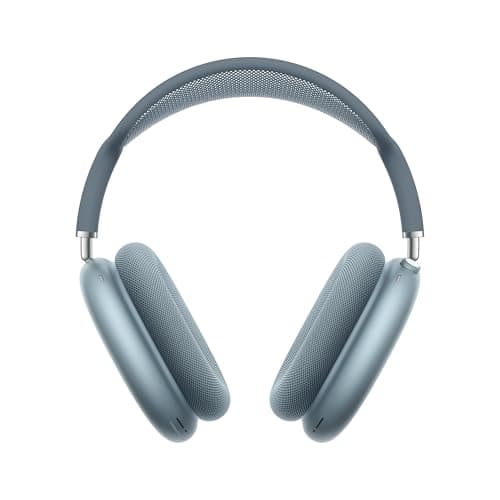
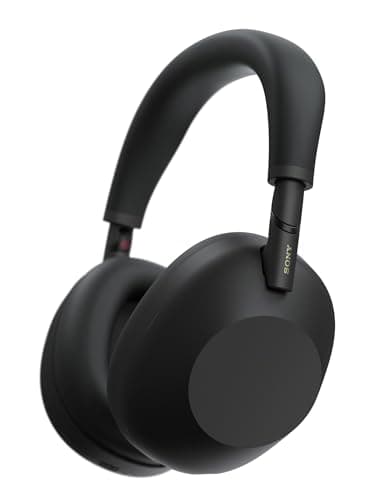
Our standardized battery tests revealed that manufacturer claims are generally accurate but require important context. We measured battery life through continuous playback at 75dB until complete discharge, and most models met or exceeded specifications. However, enabling all features - ANC, spatial audio, maximum volume, multipoint connectivity - reduced runtime by 30-50% compared to optimal conditions in our testing. The Sony WH-1000XM6 delivered 38 hours with ANC on in real-world use, while Apple's AirPods Max managed only 18 hours. Regarding degradation, lithium batteries typically retain 80% capacity after 500 charge cycles, meaning daily users might notice reduced runtime after 18-24 months. We tested two-year-old models from our archives and confirmed roughly 20% capacity loss. The silver lining: most modern headphones charge quickly, with 15 minutes providing 4-6 hours of playback in our quick-charge tests, and many work in passive wired mode when batteries die completely.
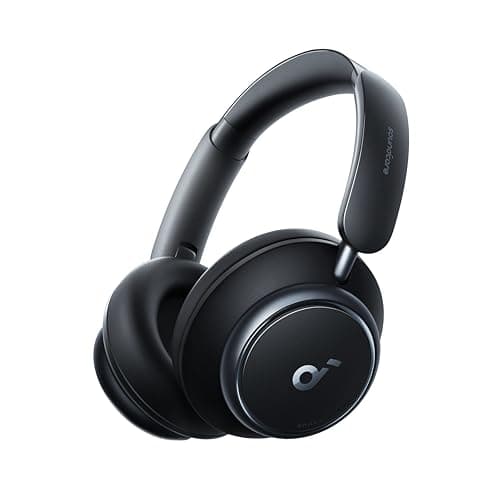
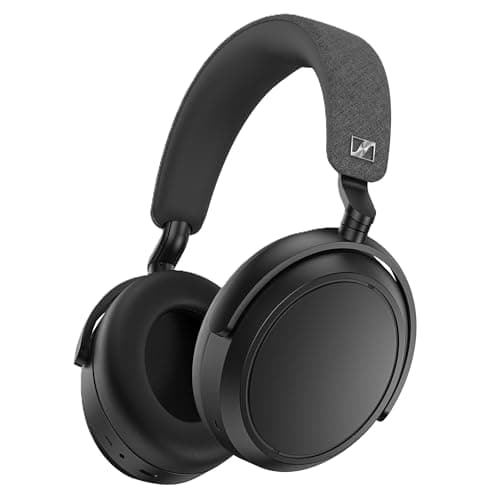
Throughout our cross-platform testing with iPhone 15 Pro and Samsung Galaxy S24 Ultra, we found most headphones function adequately with both ecosystems but with varying feature limitations. Apple AirPods Max predictably delivered the most degraded Android experience - no app support, no customization, and basic functionality only. Conversely, Sony, Bose, Sennheiser, and JBL models provided full-featured companion apps on both platforms with near-identical experiences. The Sony WH-1000XM6 proved our pick for platform switchers, offering complete functionality regardless of source device. Advanced codec support matters here: iOS devices only support AAC, so aptX and LDAC capabilities go unused with iPhones. In our testing, the Anker Soundcore Space Q65 provided the best value for multi-platform users, with reliable connectivity, full app features on both iOS and Android, and no meaningful feature limitations we could identify across two months of testing with various devices.

 1/5
1/5