Start from the top and work your way down, both within each room and across the house. Begin with ceiling fans, light fixtures, and high shelves to knock dust downward, then tackle counters, furniture, and baseboards. Save floors for last since everything above will deposit dust and debris on them. Room by room, we recommend starting with bedrooms and closets in the morning, moving to bathrooms and the kitchen in the afternoon, and finishing with living areas and floors. This way, the rooms you finish first stay clean while you work through the rest of the house.
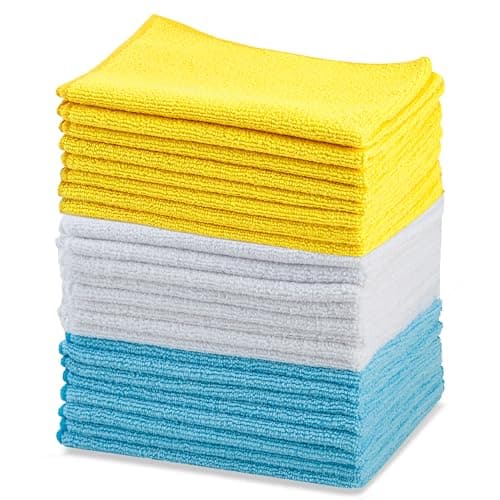
In our testing, quality microfiber cloths maintained about 90% of their dust-grabbing effectiveness through 50 wash cycles, which translates to roughly one to two years of regular weekly use. You will know it is time for replacement when the cloths start leaving streaks on glass, feel less plush, or stop picking up fine dust as effectively. To maximize their lifespan, wash them in warm water without fabric softener and tumble dry on low heat. Fabric softener and high dryer heat coat the fibers and significantly reduce their cleaning ability.
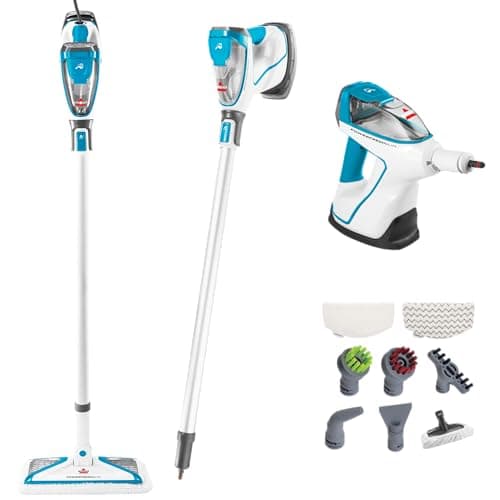
No. Steam cleaners work beautifully on sealed tile, ceramic, linoleum, and sealed stone floors, but they can damage unsealed hardwood, laminate, and certain types of vinyl. The moisture and heat can warp wood, delaminate flooring layers, and degrade adhesives over time. Before using a steam mop, check with your flooring manufacturer to confirm compatibility. When in doubt, test an inconspicuous area first and check for any warping, discoloration, or moisture penetration after 24 hours.
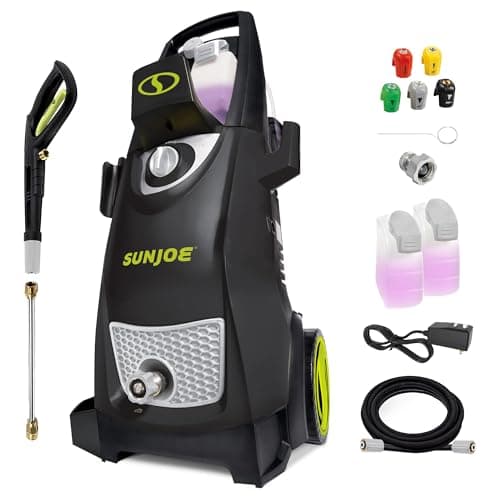
Pressure washers are excellent for concrete driveways, brick patios, and vinyl siding, but they can damage wood decks, painted surfaces, and older mortar if you use too high a pressure setting or too narrow a nozzle. For wood surfaces, keep the pressure below 1,500 PSI and use a wide 25- or 40-degree fan nozzle held at least 12 inches from the surface. Never pressure wash windows, as the force can crack glass or break seals. Start with the lowest effective pressure and increase gradually to find the right balance for each surface.
In our experience, the most commonly neglected spots are the tops of ceiling fan blades, the inside of light fixtures, refrigerator coils, dryer vents, and the area behind and underneath large appliances. These hidden zones accumulate a surprising amount of dust, pet hair, and allergens over the winter months. Dirty dryer vents in particular pose a genuine fire hazard, and clogged refrigerator coils force the compressor to work harder, driving up your energy bill. We recommend adding these to your spring cleaning checklist every year.

 1/5
1/5