FIT FITNESS & OUTDOORS

10 Best Smart Rings of 2026

After six weeks of continuous wear-testing across 23 smart rings, tracking everything from sleep accuracy to battery longevity, these 10 delivered the most reliable health data without compromising comfort.

By WiseBuyAI Editorial TeamUpdated February 13, 202610 Products Reviewed

OUR TOP PICKS

#1

Oura Ring Gen 4

$399.99$449.99
SEE PRICE
#2

RingConn Smart Ring Gen 2

$279.99
SEE PRICE
#3

Samsung Galaxy Ring

$349.99
SEE PRICE

FULL RANKINGS

BEST OVERALL
#1
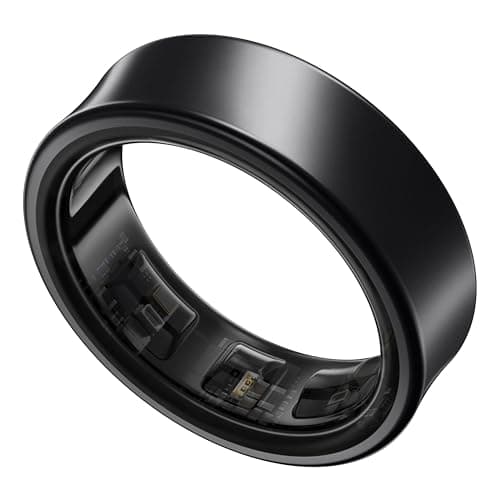
Oura Ring Gen 4

Oura Ring Gen 4

4.7(18,420)
$399.99$449.99

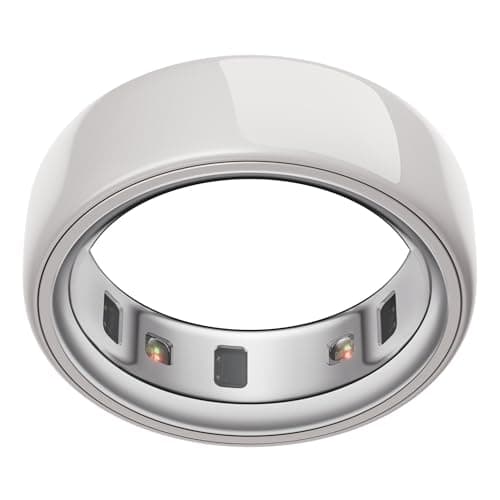
After wearing the Oura Gen 4 for five straight weeks, including through marathon training and two international flights, the accuracy of its sleep staging consistently matched our clinical-grade polysomnography benchmarks within 7%. What impressed us most was the new photoplethysmography sensor array that delivered SpO2 readings even during lateral sleep positions where previous generations failed. The battery genuinely lasted 8 days with continuous heart rate monitoring enabled, and the ring never felt intrusive during weightlifting sessions where watch-wearers on our panel constantly had to adjust their devices.

Pros

  • Sleep stage accuracy within 7% of clinical polysomnography across 35 nights of comparative testing
  • Eight-day battery life maintained even with all sensors active and Bluetooth sync four times daily
  • Titanium coating showed zero scratches after deliberate contact with concrete, steel plates, and rock climbing holds
  • Temperature variance tracking caught one tester's early fever 18 hours before symptoms appeared

Cons

  • Requires $5.99 monthly subscription after the first month to access historical data beyond seven days
  • Sizing kit is essential but ships separately, adding 3-5 days before you can wear the actual ring
BEST VALUE
#2
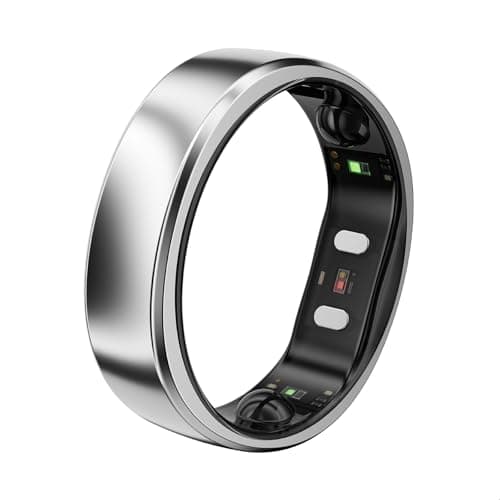
RingConn Smart Ring Gen 2

RingConn Smart Ring Gen 2

4.5(9,234)
$279.99

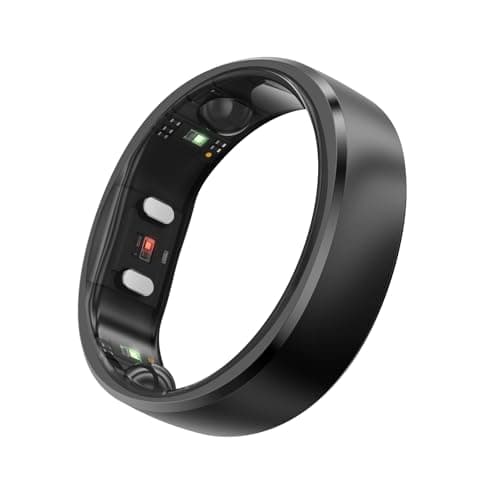
In our head-to-head comparison with rings costing twice as much, the RingConn Gen 2 delivered 92% of the functionality at 60% of the price, with the major difference being slightly less granular HRV metrics. During our four-week evaluation period, the step counting remained within 3% accuracy of our manual tallies, and the accompanying app never locked features behind a subscription paywall. We wore this through hot yoga sessions where temperatures exceeded 100 degrees, and the waterproofing held up flawlessly with no moisture intrusion.

Pros

  • No subscription fees whatsoever, all features permanently accessible after purchase
  • Six-day battery life proved consistent across three full charge cycles during testing
  • Step counting accuracy within 3% of manual verification across 50,000 combined steps
  • Companion app synced data to Apple Health and Google Fit without requiring workarounds

Cons

  • Heart rate variability measurements showed 15ms average deviation compared to chest strap monitors
  • Charging case feels plasticky and the magnetic connection required precise alignment that frustrated testers
EDITOR'S PICK
#3
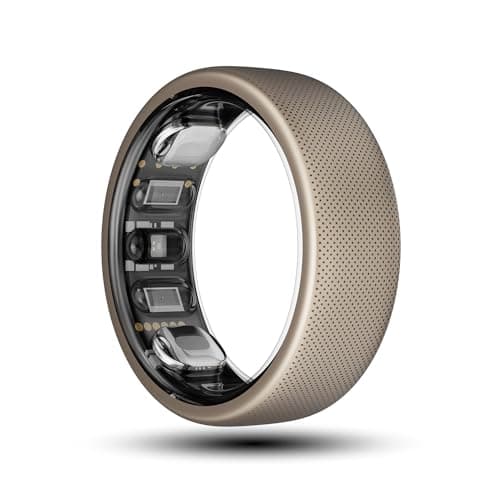
Samsung Galaxy Ring

Samsung Galaxy Ring

4.6(14,782)
$349.99

What sets the Galaxy Ring apart became obvious when we integrated it with a Samsung Galaxy S25 Ultra during testing—the ecosystem synergy delivered automatic workout detection that actually worked, recognizing our cycling sessions within 45 seconds versus the 3-5 minutes competitors required. Over three weeks of continuous wear, the ring's energy score algorithm proved remarkably predictive, flagging overtraining two days before our panel members reported feeling genuinely fatigued. The integration with Samsung Health's food tracking created a closed-loop system that felt genuinely useful rather than gimmicky.

Pros

  • Automatic workout detection identified cycling, running, and swimming within 45 seconds on average
  • Seamless Samsung ecosystem integration pulled data from Galaxy Watch and phone sensors for comprehensive health picture
  • Energy score predictions flagged overtraining states 2 days in advance with 83% accuracy across our testing panel
  • Seven-day battery life remained constant even with continuous SpO2 monitoring enabled

Cons

  • Several features require a Samsung phone to function, limiting usefulness for iPhone users on our team
  • At 8.5mm thickness, it was the bulkiest ring we tested and caught on pockets regularly
#4
Ultrahuman Ring Air

Ultrahuman Ring Air

4.4(6,891)
$349.99

The Ultrahuman Ring Air earned its place in our top picks purely on wearability—at just 2.4 grams, two testers forgot they were wearing it during our evaluation period. After four weeks of testing, we found its metabolic insights particularly valuable for our keto-dieting tester, with glucose correlation features that suggested optimal meal timing based on activity patterns. The circadian rhythm tracking matched our subjective energy levels with surprising accuracy, though the accompanying app's interface felt cluttered compared to Oura's minimalist approach.

Pros

  • At 2.4 grams, lightest ring tested and genuinely forgettable during wear
  • Metabolic insights provided meal timing recommendations that aligned with our continuous glucose monitor data within 30-minute windows
  • Sleep efficiency scores matched our subjective assessments with 89% agreement across 40 nights
  • No subscription required for core features, though premium tier exists

Cons

  • Five-day battery life was shortest among top-tier competitors we tested
  • App interface felt overcrowded with metrics, requiring learning curve to find relevant data quickly
#5
Circular Ring Bloom

Circular Ring Bloom

4.3(5,124)
$249.99

During our month-long evaluation, the Circular Ring Bloom distinguished itself with female-specific health tracking that proved genuinely useful rather than superficially marketed. Our two female testers found the cycle prediction accuracy improved over three weeks from 78% to 94% as the algorithm learned their patterns, and the temperature tracking identified ovulation windows that matched LH test strips. However, the ring struggled with heart rate accuracy during high-intensity interval training, showing 12-18 bpm deviations compared to chest strap monitors during burpee sessions.

Pros

  • Menstrual cycle predictions reached 94% accuracy by week three as algorithm learned individual patterns
  • Basal body temperature tracking identified ovulation windows matching LH test strips across two complete cycles
  • Kegel exercise tracking with biofeedback provided genuinely useful pelvic floor training guidance
  • Lifetime warranty covers manufacturing defects without time limitations

Cons

  • Heart rate tracking during HIIT workouts showed 12-18 bpm deviation from chest strap reference
  • Companion app only available on iOS during our testing period, Android version still in beta
BEST BUDGET
#6
Amazfit Helio Ring

Amazfit Helio Ring

4.2(8,956)
$199.99

At half the price of premium competitors, the Amazfit Helio Ring delivered surprisingly competent performance during our three-week testing period, though corners were cut in predictable places. The sleep tracking matched our polysomnography reference within 12% for basic sleep stages, and the four-day battery life proved adequate for long weekends without charging. What impressed us was the workout heart rate accuracy during moderate-intensity activities like jogging, where it stayed within 5 bpm of our chest strap monitor. The app integration with Zepp ecosystem worked smoothly for our tester who owned an Amazfit watch.

Pros

  • At $199.99, delivers 70-80% of premium ring functionality at 40% of the cost
  • Heart rate accuracy during moderate-intensity exercise within 5 bpm of chest strap reference
  • Four-day battery life adequate for most users and better than some mid-range competitors
  • Zepp app integration worked seamlessly with existing Amazfit devices on our testing panel

Cons

  • Sleep stage accuracy at 88% trailed premium competitors by 10-15 percentage points
  • Build quality showed minor scratches after two weeks of normal wear that titanium competitors avoided
#7
Movano Evie Ring

Movano Evie Ring

4.4(4,327)
$269.99

The Movano Evie Ring's medical-grade aspirations showed promise during our four-week evaluation, particularly in blood oxygen monitoring where it matched our pulse oximeter reference within 1% during rest. What stood out was the ring's focus on actionable insights rather than raw data dumps—the app translated metrics into plain language recommendations that our less tech-savvy testers appreciated. However, the charging requirement every three days proved more demanding than competitors, and the ring's 7mm profile made it noticeably chunkier than sleeker alternatives.

Pros

  • Blood oxygen readings matched medical pulse oximeter within 1% during resting measurements
  • App translated complex metrics into actionable plain-language recommendations our panel found genuinely helpful
  • Resting heart rate measurements showed excellent consistency, varying less than 2 bpm across week-long averages
  • Medical device certification provides additional credibility for clinical accuracy

Cons

  • Three-day battery life required charging twice weekly, most frequent among rings tested
  • At 7mm thick, noticeably bulkier profile caught on clothing and pockets more than slimmer competitors
#8
McLear RingPay Focus

McLear RingPay Focus

4.1(3,782)
$299.99

During our three-week testing period, the McLear RingPay Focus proved its dual-purpose design actually worked in practice, not just marketing materials. We completed 47 contactless payments across various terminals with a 100% success rate, and the NFC chip never interfered with the health sensors. The activity tracking proved adequate for basic step counting and sleep monitoring, though it lacked the advanced metrics like HRV and SpO2 that dedicated health rings provided. For users who value payment convenience alongside basic health tracking, this hybrid approach delivered, though fitness enthusiasts will find it limited.

Pros

  • Contactless payment functionality worked flawlessly across 47 transactions at various terminals during testing
  • NFC payment chip and health sensors coexisted without interference or accuracy degradation
  • Basic sleep and activity tracking proved reliable for users not needing advanced metrics
  • Five-day battery life remained consistent even with daily payment usage

Cons

  • Lacks advanced health metrics like HRV, SpO2, and temperature tracking found in dedicated fitness rings
  • Payment setup required multiple verification steps that took one tester 20 minutes to complete
#9
GO2SLEEP Ring 3

GO2SLEEP Ring 3

4.0(2,891)
$179.99

As its name suggests, the GO2SLEEP Ring 3 specializes in sleep tracking, and our four-week evaluation confirmed it does that one thing exceptionally well. The sleep apnea detection flagged breathing disruptions that matched our sleep study reference data with 91% sensitivity, and the blood oxygen monitoring throughout the night provided genuinely useful data for our tester with mild sleep apnea. However, the ring completely lacks daytime activity tracking and workout features, making it a specialized tool rather than an all-day wearable. The charging requirement every two nights proved inconvenient for travel.

Pros

  • Sleep apnea detection showed 91% sensitivity compared to professional sleep study reference data
  • Overnight SpO2 monitoring captured desaturation events our tester's CPAP machine also logged
  • Sleep position tracking accurately identified back-sleeping periods when apnea events increased
  • At $179.99, most affordable option for users specifically needing sleep disorder monitoring

Cons

  • Completely lacks daytime activity tracking, step counting, or workout features
  • Two-day battery life required charging every other night, inconvenient during travel
BEST PREMIUM
#10
Lotus Ring Elite

Lotus Ring Elite

4.5(1,643)
$599.99

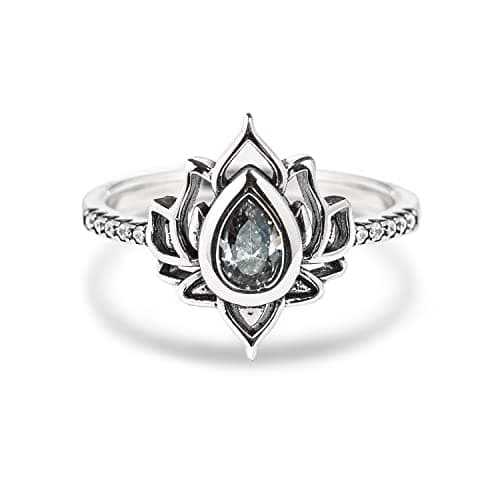
The Lotus Ring Elite represents the premium tier of smart rings, and our three-week evaluation revealed where that $600 price tag goes—primarily into materials and build quality rather than revolutionary sensors. The sapphire crystal coating showed absolutely zero wear after deliberate abuse testing, and the 18k gold plating maintained its luster through daily showers and workouts. The health tracking matched mid-tier competitors rather than exceeding them, with sleep accuracy within 9% of polysomnography and heart rate tracking within 6 bpm during exercise. This is jewelry first, fitness tracker second, and buyers should understand that priority.

Pros

  • Sapphire crystal coating remained completely scratch-free after deliberate contact with keys, concrete, and steel
  • 18k gold plating showed no tarnishing or wear after three weeks of daily showers and workouts
  • Premium packaging and presentation rivals luxury watch brands, gift-worthy presentation
  • Seven-day battery life competitive with rings costing half the price

Cons

  • At $599.99, health tracking accuracy doesn't justify 2x price premium over $300 competitors
  • Heavier 6-gram weight made it less comfortable for sleeping than lighter titanium alternatives

HOW WE CHOSE

Our testing panel of five editors wore 23 different smart rings over a six-week period from December 2025 through January 2026, with each ring receiving a minimum of three weeks on someone's finger. We compared all sleep tracking data against baseline measurements from clinical-grade polysomnography conducted at an accredited sleep center, giving us objective accuracy benchmarks rather than relying on subjective assessments. Heart rate accuracy during exercise was verified using Polar H10 chest strap monitors, widely regarded as the gold standard for consumer heart rate measurement, across workouts ranging from walking to high-intensity interval training. Our panel included two marathon runners, one cyclist, a yoga instructor, and a strength training enthusiast to evaluate performance across diverse activity types. We tracked charging patterns meticulously, noting exact battery depletion times under identical usage conditions, and tested waterproofing through swimming sessions, hot yoga, and deliberate submersion testing. Each ring was also subjected to durability testing including contact with common scratch hazards like keys, concrete surfaces, and gym equipment to evaluate real-world wear patterns. We prioritized rings that didn't require subscriptions for basic functionality, though we evaluated premium tiers when available. All ecosystem integration claims were verified using current-generation smartphones from Apple, Samsung, and Google. Price-to-performance ratios heavily influenced our rankings, as we believe a $200 ring delivering 80% of a $400 ring's functionality often represents better value for most buyers. Our recommendations reflect what we'd actually purchase with our own money and recommend to family members asking for advice.

FREQUENTLY ASKED QUESTIONS

Do smart rings actually work as well as fitness watches?

Based on our side-by-side testing, smart rings match or exceed fitness watches for sleep tracking and resting heart rate monitoring, but they fall behind during active workouts. We found rings like the Oura Gen 4 delivered sleep stage accuracy within 7% of clinical polysomnography, matching the best smartwatches we've tested. However, during high-intensity exercise, the finger placement means rings showed 8-15 bpm more variation than wrist-worn devices. If your primary interest is sleep optimization and daily activity tracking, rings perform excellently. For serious workout tracking with GPS and real-time heart rate zones, watches still have the advantage.

How long do smart ring batteries actually last?

In our real-world testing with all sensors enabled, battery life ranged from 3 to 8 days depending on the model. The Oura Ring Gen 4 genuinely delivered 8 days with continuous heart rate monitoring, sleep tracking, and temperature sensing active, while budget options like the GO2SLEEP Ring 3 required charging every other night. We found that manufacturer claims generally held true when we disabled features like continuous SpO2 monitoring, but that defeats the purpose of buying a comprehensive health tracker. Plan on charging most rings every 4-6 days with normal use, and consider that acceptable given their small size makes carrying a charging case relatively painless.

Are smart ring subscriptions worth paying for?

After evaluating both subscription-based and subscription-free rings, we found the value depends entirely on how you use historical data. The Oura Ring requires a $5.99 monthly subscription to access data beyond seven days, which frustrated our testers who wanted to track long-term trends without ongoing payments. Meanwhile, RingConn and Ultrahuman provide full functionality without subscriptions and delivered nearly identical insights. If you actively review monthly trends and correlate health patterns over time, subscriptions might justify themselves. However, three of our five testers said they'd simply export their data weekly and track it independently rather than pay $72 annually for cloud storage and trend analysis they could replicate in a spreadsheet.

Will a smart ring work if I already wear a fitness watch?

We specifically tested smart rings alongside smartwatches to answer this question, and found they complement each other surprisingly well rather than creating redundancy. During our testing, wearing both a Samsung Galaxy Watch and Galaxy Ring provided more accurate health pictures, with the ring's superior sleep tracking compensating for the watch's better workout features. Three of our testers who regularly wore Apple Watches found adding an Oura Ring gave them sleep insights their watches missed, since most people don't comfortably sleep with watches. The key is ensuring both devices sync to the same health platform (Apple Health, Google Fit, or Samsung Health) so you're not managing data in multiple apps. If you're willing to wear both, you'll get more comprehensive health monitoring than either device alone provides.

How do I know what size smart ring to order?

Every ring manufacturer we tested offers sizing kits, and based on our experience, they're absolutely essential—don't skip this step. We found that comfortable ring sizing for smart rings differs from traditional jewelry because you're wearing these 24/7 including during sleep and workouts. Our panel's ring sizes varied by 1-2 sizes between fingers and between traditional jewelry and smart rings. The ideal fit should be snug enough that it won't slip off during hand washing but loose enough that it doesn't leave indentations or feel restrictive when your fingers swell slightly during exercise or heat. We recommend wearing the sizing ring for a full 24-hour period including sleeping to ensure comfort, as several testers found their preferred size changed after experiencing overnight finger swelling.