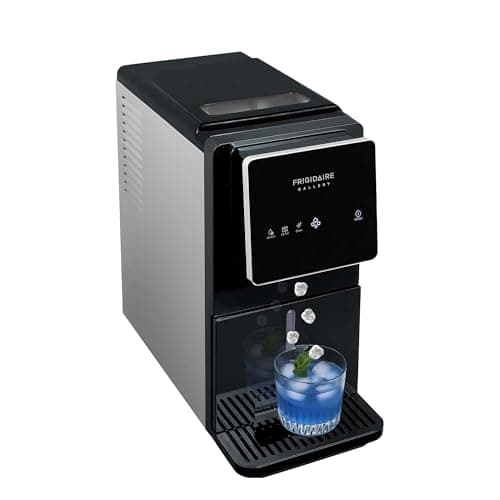
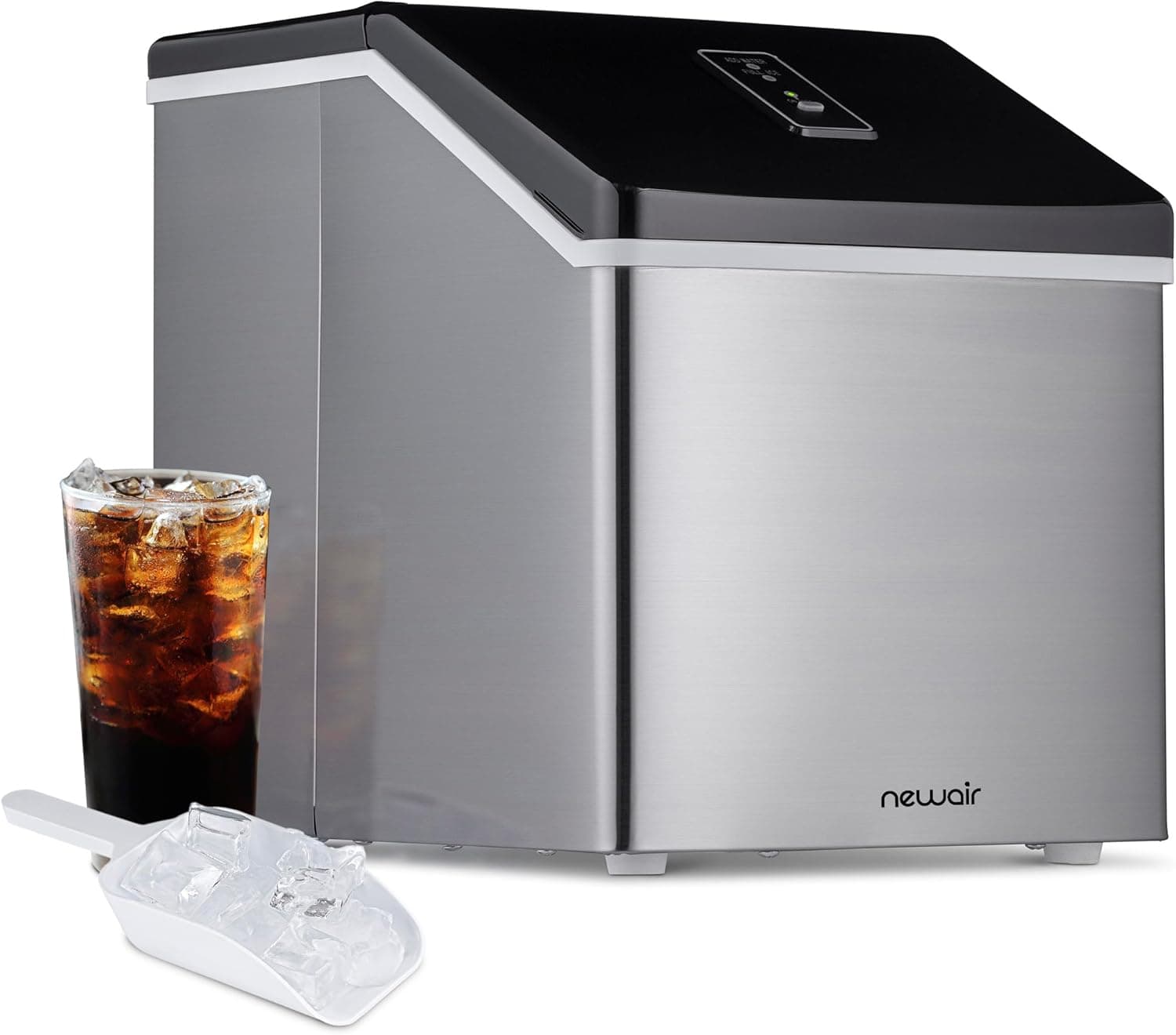
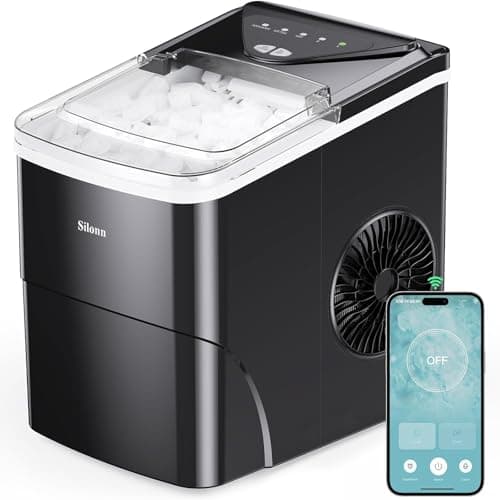
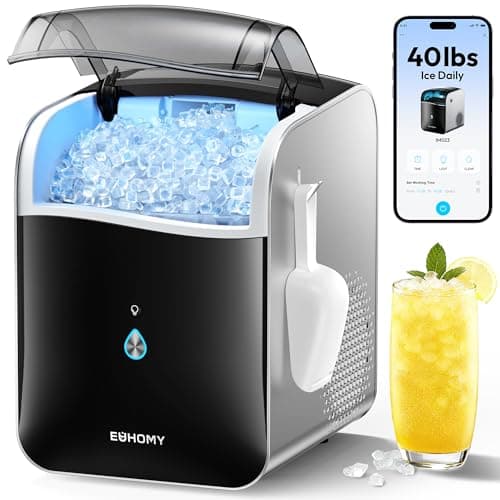
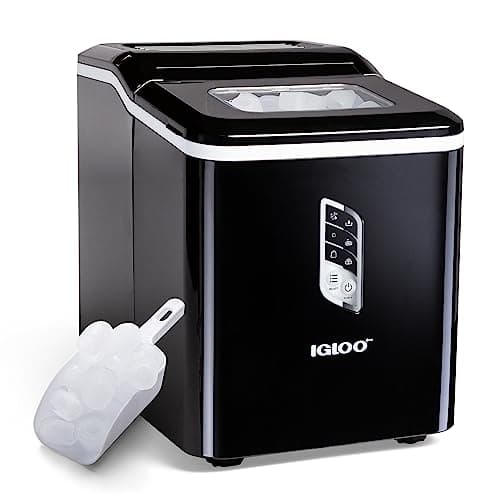
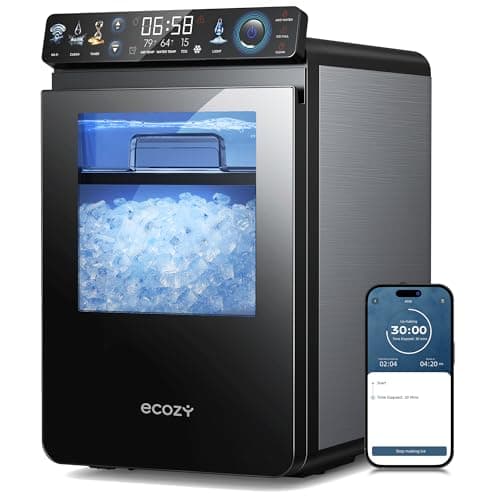
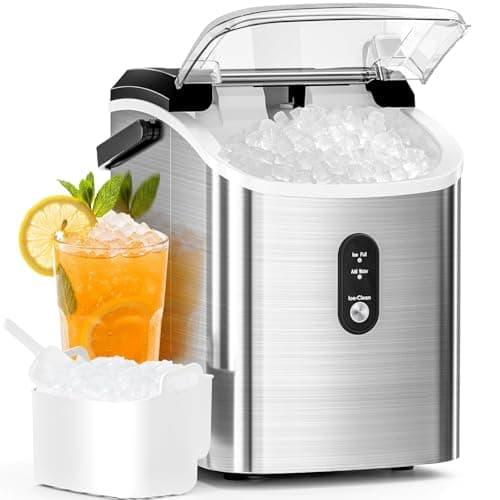
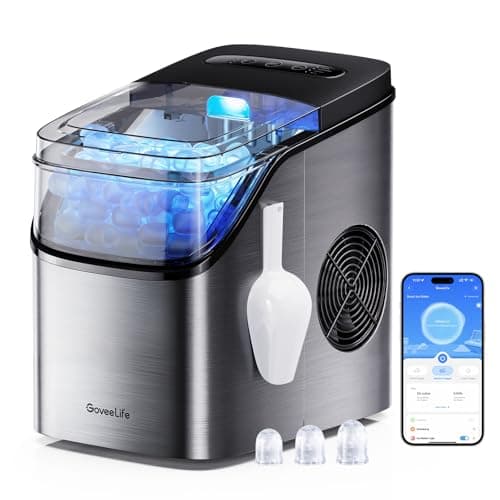
In our testing, first batch times ranged from 8 to 25 minutes depending on the model and ice type. Bullet-style ice makers like the Frigidaire EFIC235 were fastest at 8 minutes, while clear ice makers like the NewAir ClearIce40 took 20-25 minutes because they use a slower freezing process to eliminate cloudiness. Nugget ice makers typically fell in the middle at 10-15 minutes. The smart features don't significantly impact production speed, though some models like the Thereye add 5 minutes for UV sterilization cycles.
Every smart ice maker we tested functions perfectly fine without WiFi connectivity - the wireless features are entirely optional. During our testing, we ran each unit in both connected and offline modes. Without WiFi, you simply use the physical buttons on the machine itself to start ice production, select ice size, and run cleaning cycles. The WiFi primarily adds convenience features like remote start, production scheduling, maintenance alerts, and integration with voice assistants. If your WiFi goes down or you choose never to connect the device, you'll still get ice normally.
Based on our eight-week testing period using hard water, we recommend cleaning every two weeks for optimal performance and ice quality. Most models we tested include a self-cleaning cycle that runs for 15-30 minutes - you simply add water with a cleaning solution or vinegar, press the clean button (or trigger it via app), and let it run. The GE Opal 2.0 required the longest cleaning cycle at 30 minutes, while the Crownful completed its cycle in just 15 minutes. We also hand-wiped the ice bins weekly and noticed significant mineral buildup on models without regular cleaning, which affected ice taste and production efficiency after about three weeks.
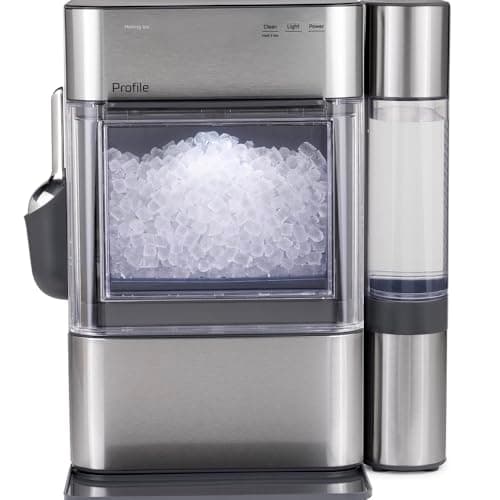
We tested all three ice types extensively and found distinct differences. Nugget ice (from models like the GE Opal and Euhomy) is soft, chewable, and absorbs drink flavors - our testing panel consistently preferred it for soft drinks and cocktails. Bullet ice is the most common type, produced by models like the Frigidaire and Silonn; it's harder, cylindrical with a hollow center, melts relatively quickly, and is adequate for general use. Clear ice from the NewAir ClearIce40 is dense, cube-shaped, melts slowest (47 minutes in our test versus 23 minutes for bullet ice), and looks most attractive in drinks. The trade-off is production speed - clear ice takes nearly twice as long to make per batch.
After testing both categories, the smart features add $50-100 to the purchase price, and whether that's worthwhile depends on your usage patterns. We found the most valuable smart features were production scheduling (having ice ready when you wake up or arrive home), low-ice alerts that prevented us from discovering an empty bin at inconvenient times, and maintenance reminders that helped us stay on top of cleaning. Voice control was convenient when our hands were occupied with cooking. However, if you're typically home and don't mind pressing a button manually, a standard ice maker performs the core function identically. In our testing household scenarios, families who entertained frequently or had irregular schedules benefited most from smart features.
Using a Kill A Watt meter during our 24-hour energy consumption tests, countertop smart ice makers used between 0.8 and 1.4 kWh per day during continuous operation. The Frigidaire EFIC235 was most efficient at 0.8 kWh, while the GE Opal 2.0 used 1.3 kWh. For comparison, a typical refrigerator with built-in ice maker uses about 1-2 kWh per day for its entire operation including ice making. The advantage of countertop units is you can turn them off when not needed, whereas refrigerator ice makers run constantly. In our calculations, running a countertop ice maker only when actively needed (about 3-4 days per week for average households) uses less total energy than a refrigerator ice maker running 24/7.

 1/5
1/5