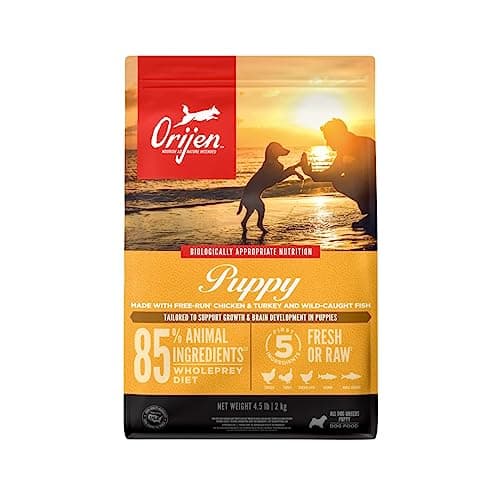
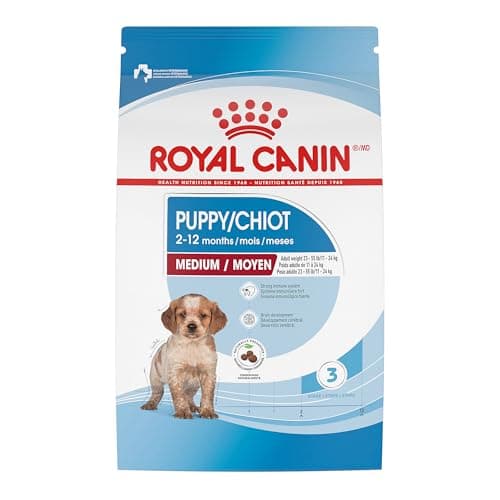
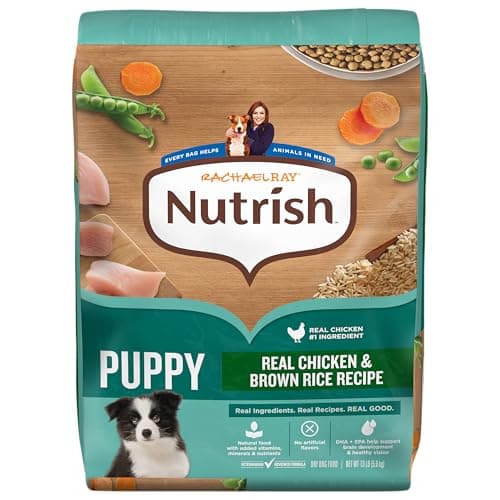
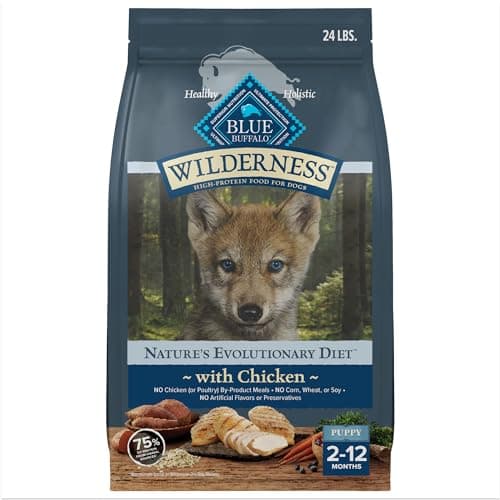
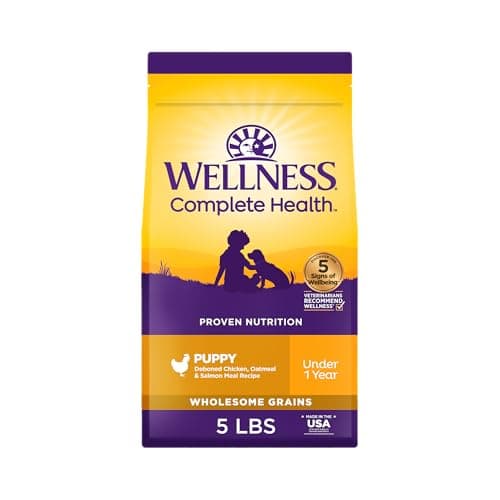
Feeding amounts vary significantly based on your puppy's age, breed, current weight, and expected adult size. Most puppy food bags include feeding guidelines based on weight, but these are starting points rather than exact prescriptions. A general rule is that puppies under four months old should eat three to four times per day, puppies from four to six months should eat three times per day, and puppies over six months can transition to twice daily feeding. Monitor your puppy's body condition by feeling for ribs that are easily palpable but not visually prominent, and adjust portions accordingly. Overfeeding is more common than underfeeding and can cause rapid growth that stresses developing joints, particularly in large breed puppies. Your veterinarian can provide breed-specific feeding recommendations at each wellness visit.
The transition timing depends primarily on your dog's breed size. Small breed puppies typically reach maturity between 9 and 12 months and can switch to adult food in that window. Medium breed puppies generally mature between 12 and 14 months. Large breed puppies should remain on puppy-specific food until 12 to 18 months, and giant breeds like Great Danes and Mastiffs may benefit from puppy food until 18 to 24 months of age. The key indicator is when your puppy reaches approximately 80% of expected adult body weight and growth rate noticeably slows. Switching too early can deprive a still-growing puppy of essential developmental nutrients, while switching too late can contribute to excess weight gain as caloric needs decrease when growth slows. Always transition gradually over 7-10 days to avoid digestive upset.
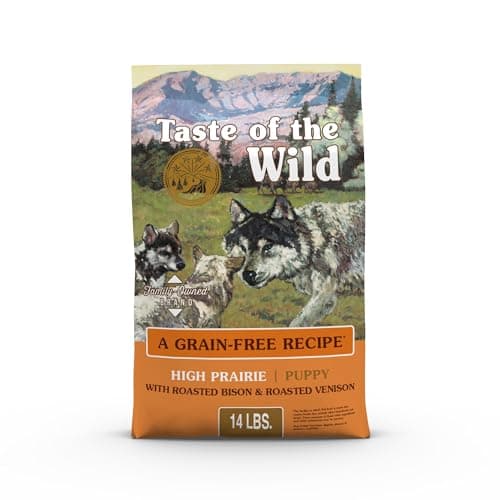
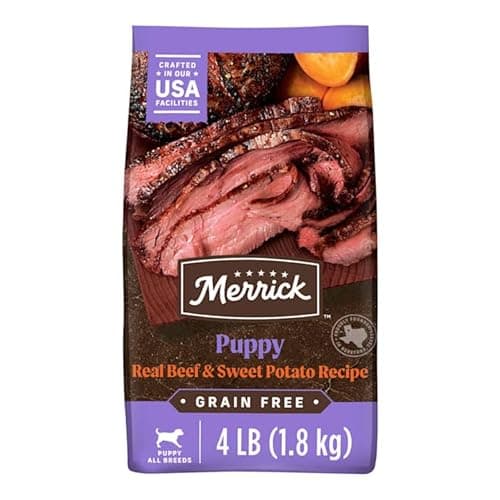
The safety of grain-free puppy food remains an active area of veterinary research. In 2018, the FDA began investigating reports of dilated cardiomyopathy (DCM) in dogs fed grain-free diets, particularly those high in peas, lentils, and potatoes as primary carbohydrate replacements. As of early 2026, no definitive causal mechanism has been established, and the FDA has not issued a formal recall or ban on grain-free foods. However, veterinary cardiologists and nutritionists generally recommend grain-inclusive diets as the default choice for most puppies unless there is a confirmed grain allergy, which is actually quite rare. If you prefer grain-free for your puppy, choose a formula from a manufacturer that employs veterinary nutritionists and conducts feeding trials, and discuss your choice with your veterinarian who can monitor for any cardiac concerns.
Certain ingredients warrant caution when selecting puppy food. Artificial preservatives like BHA, BHT, and ethoxyquin have raised long-term health concerns and are increasingly avoided by quality manufacturers in favor of natural preservatives like mixed tocopherols and rosemary extract. Artificial colors serve no nutritional purpose and exist solely for owner appeal, as dogs do not select food based on color. Excessive corn, wheat, and soy as primary ingredients often indicate a formula that prioritizes cheap filler over quality nutrition, though these grains are not inherently harmful in moderate amounts. Unnamed or generic protein sources like animal meal or meat by-products rather than specifically identified chicken meal or beef meal suggest lower ingredient quality control. Finally, excessive sugar or sweeteners like corn syrup have no place in puppy food and are added purely to enhance palatability at the expense of dental and metabolic health.
Yes, mixing wet and dry puppy food is both safe and often beneficial when done correctly. Adding a small amount of wet food to dry kibble can significantly increase palatability for picky eaters, add moisture that supports hydration and urinary health, and provide textural variety that some puppies prefer. The key consideration is caloric balance: wet food and dry food have different caloric densities, so you need to reduce the dry food portion proportionally when adding wet food to avoid overfeeding. A common approach is to replace roughly 25% of the dry food serving with an equivalent caloric amount of wet food. Ensure both the wet and dry foods are formulated for puppy growth and ideally from the same brand or compatible nutritional profiles. Refrigerate any unused wet food and discard after three days, and remove any uneaten mixed food after 30 minutes to prevent bacterial growth.
Food allergies in puppies typically manifest through skin symptoms rather than digestive ones, which surprises many owners. Common signs include persistent itching especially around the ears, paws, and face, recurrent ear infections, hot spots, hair loss, and chronic skin irritation that does not respond to flea treatments or environmental allergy management. Digestive symptoms like chronic diarrhea, vomiting, or excessive gas can also indicate food allergies but are less common as the primary presentation. The most reliable diagnostic method is a veterinarian-supervised elimination diet, where your puppy is fed a novel protein or hydrolyzed protein diet for 8-12 weeks while all other food sources including treats are eliminated. If symptoms improve during elimination and return when the suspected allergen is reintroduced, the allergy is confirmed. Common allergens in dogs include beef, dairy, chicken, wheat, and soy. Over-the-counter allergy tests for dogs have poor reliability compared to properly conducted elimination diets, so work with your veterinarian rather than self-diagnosing.

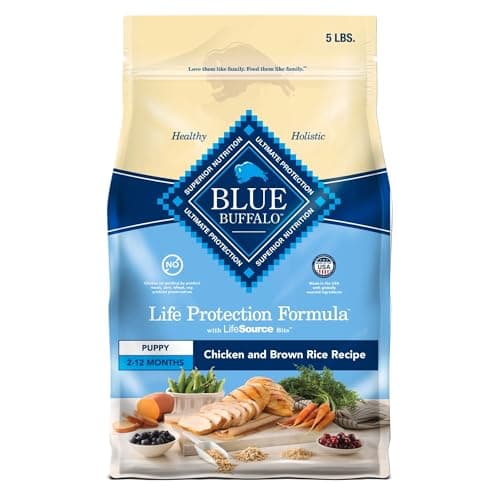 1/5
1/5