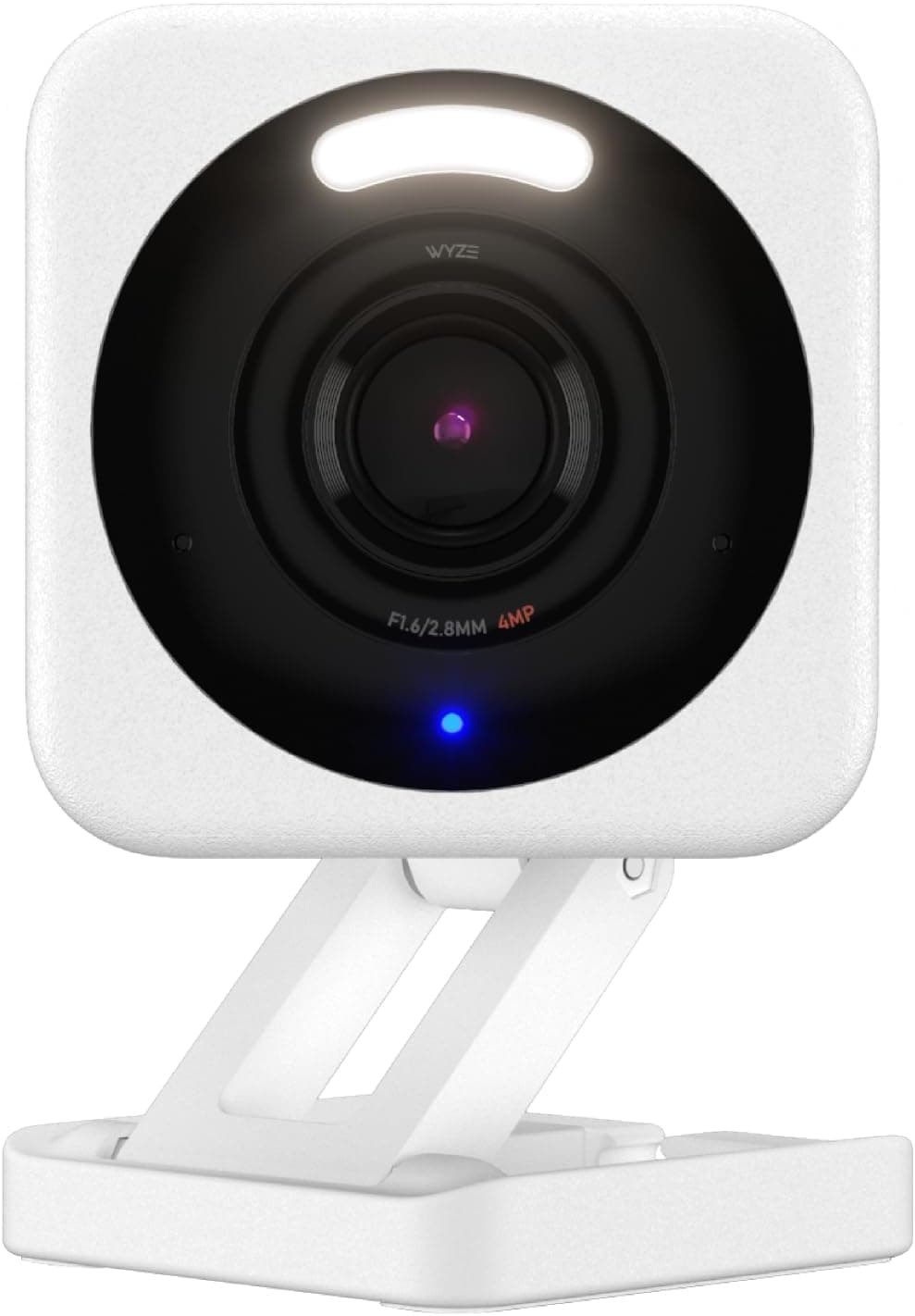
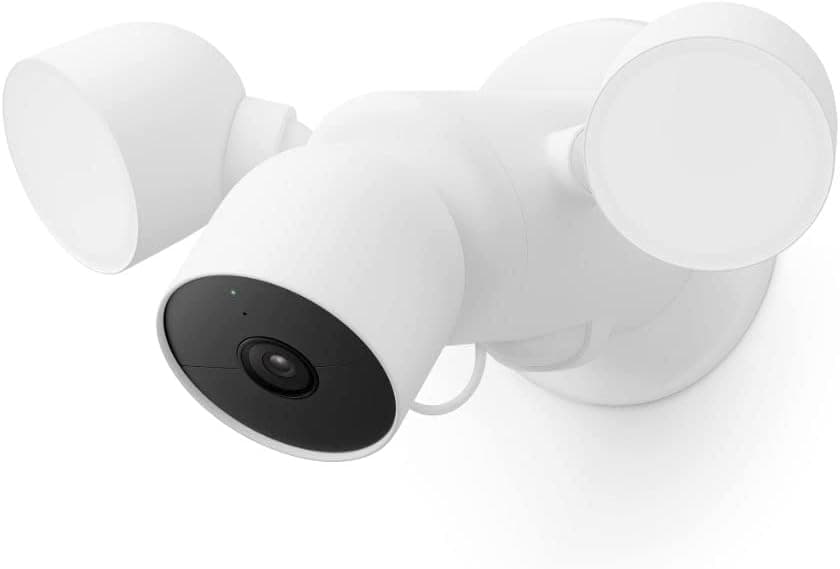
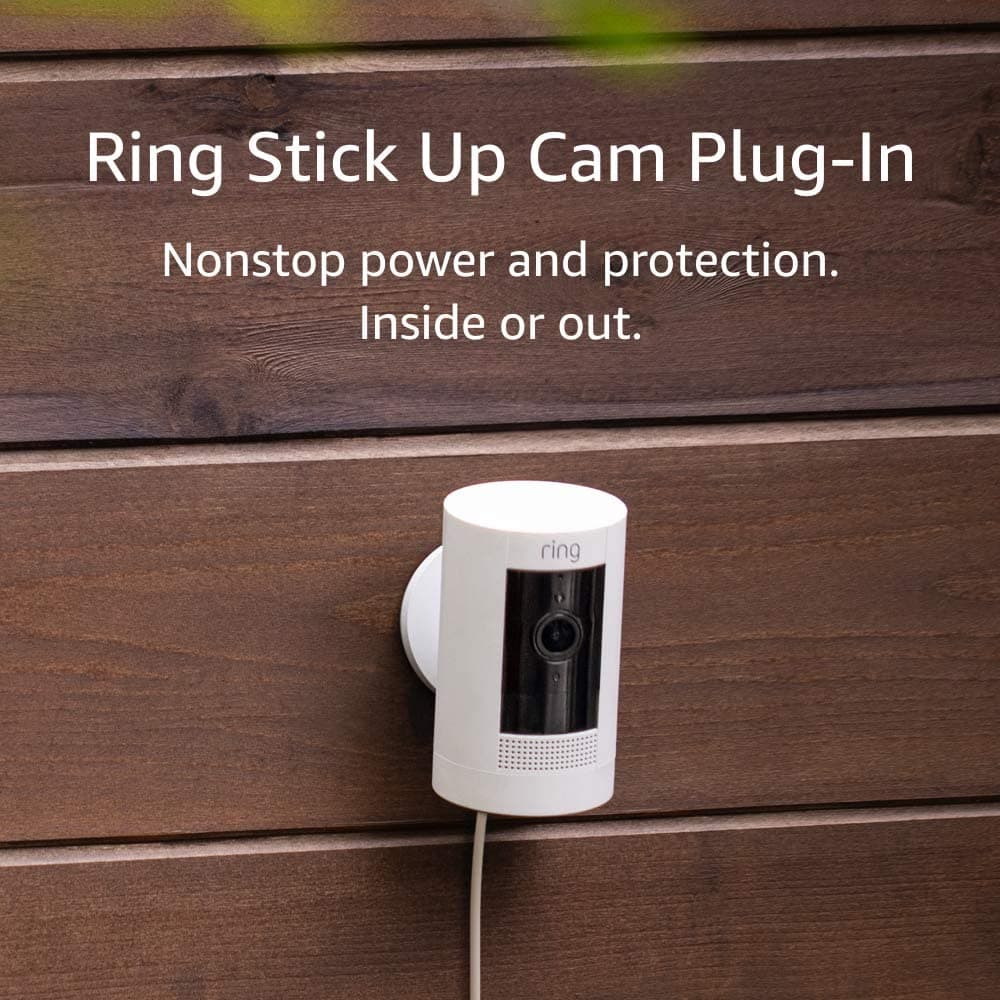
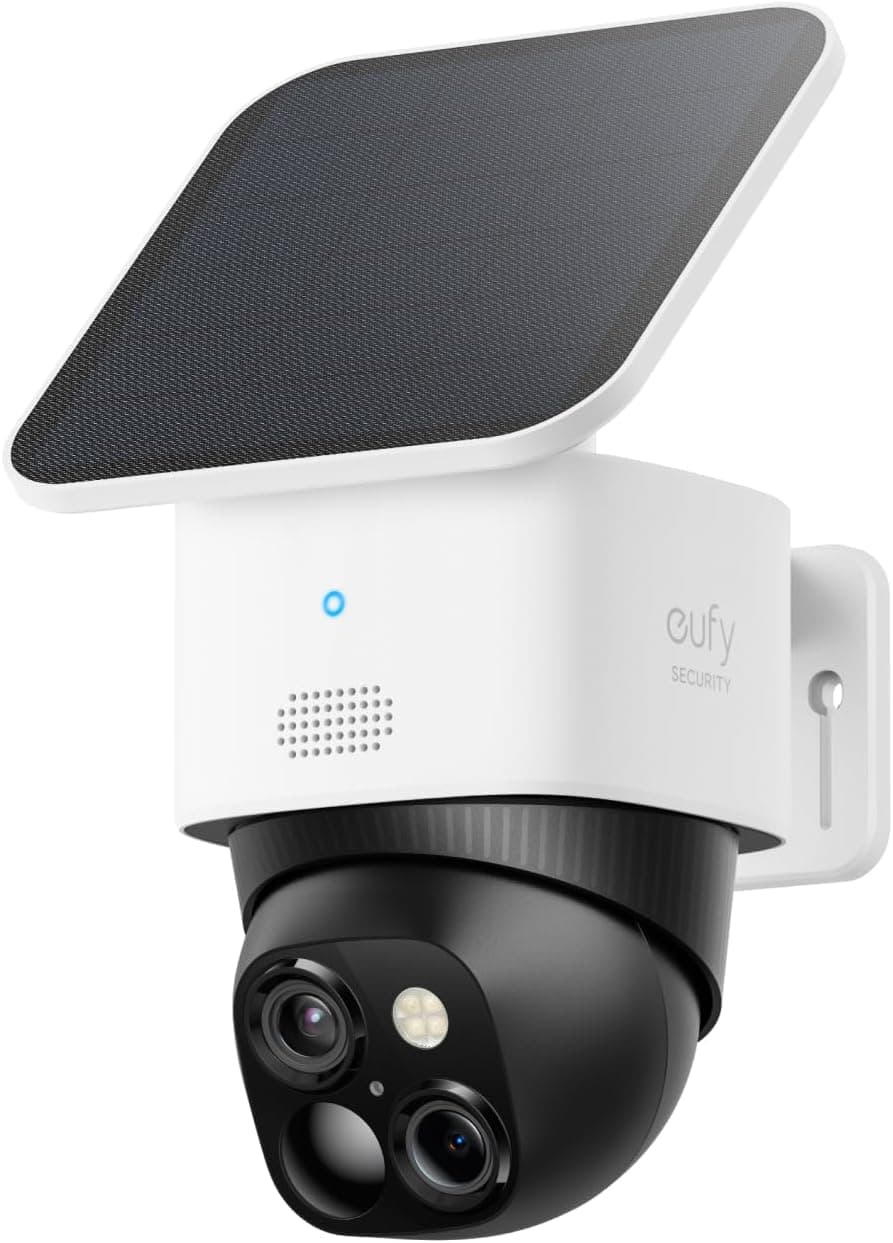
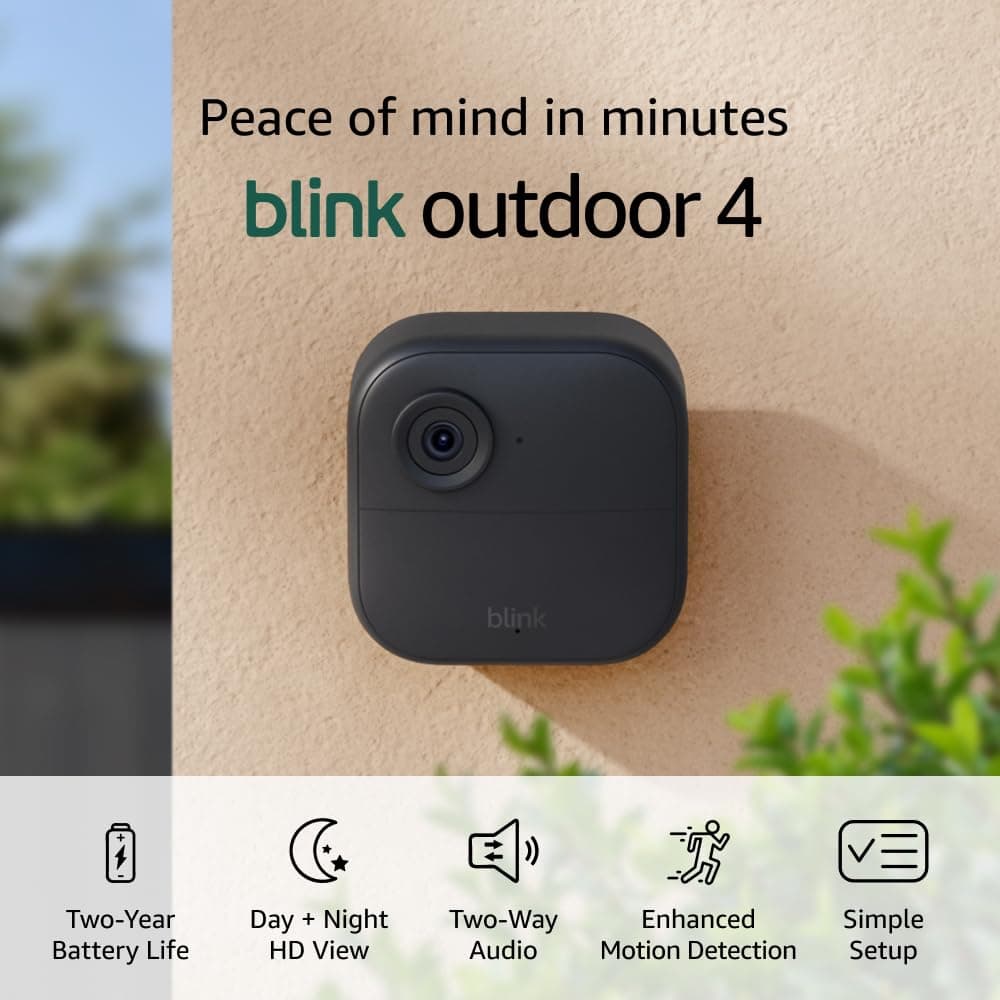
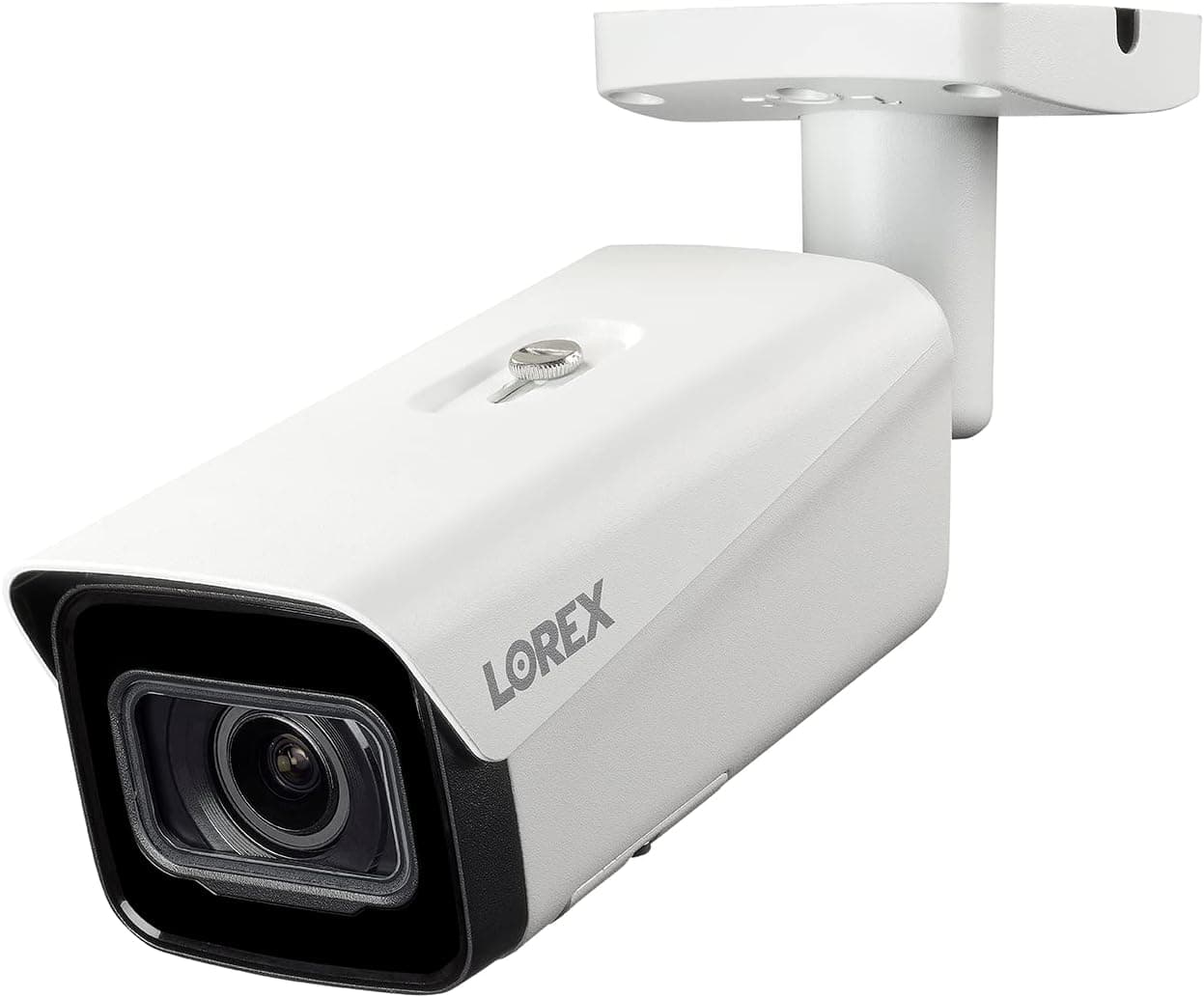
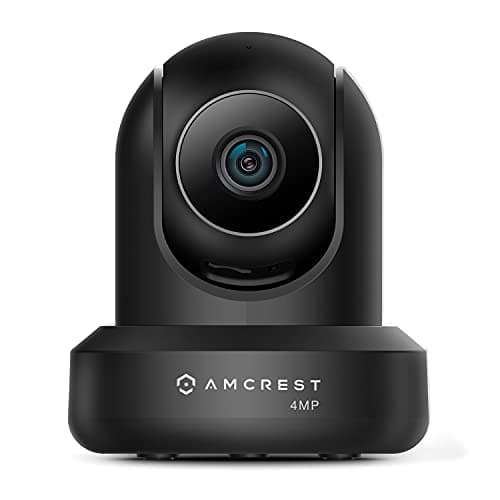
Yes, several cameras in our testing worked without WiFi or subscriptions, though with limitations. The Amcrest SmartHome and Lorex models can record locally to microSD cards or via ethernet to network storage without any cloud connection or subscription. During our testing, we ran the Amcrest completely offline for two weeks, accessing footage only through our local network. The tradeoff is losing remote access when away from home and missing cloud-based AI features like person detection. Most wireless models including Wyze, Eufy, and Blink offer basic local recording without subscriptions, though you'll sacrifice extended video history and advanced alerts. If privacy and avoiding monthly fees are priorities, we'd recommend the Amcrest or investing in a PoE system like the Lorex with dedicated network storage.
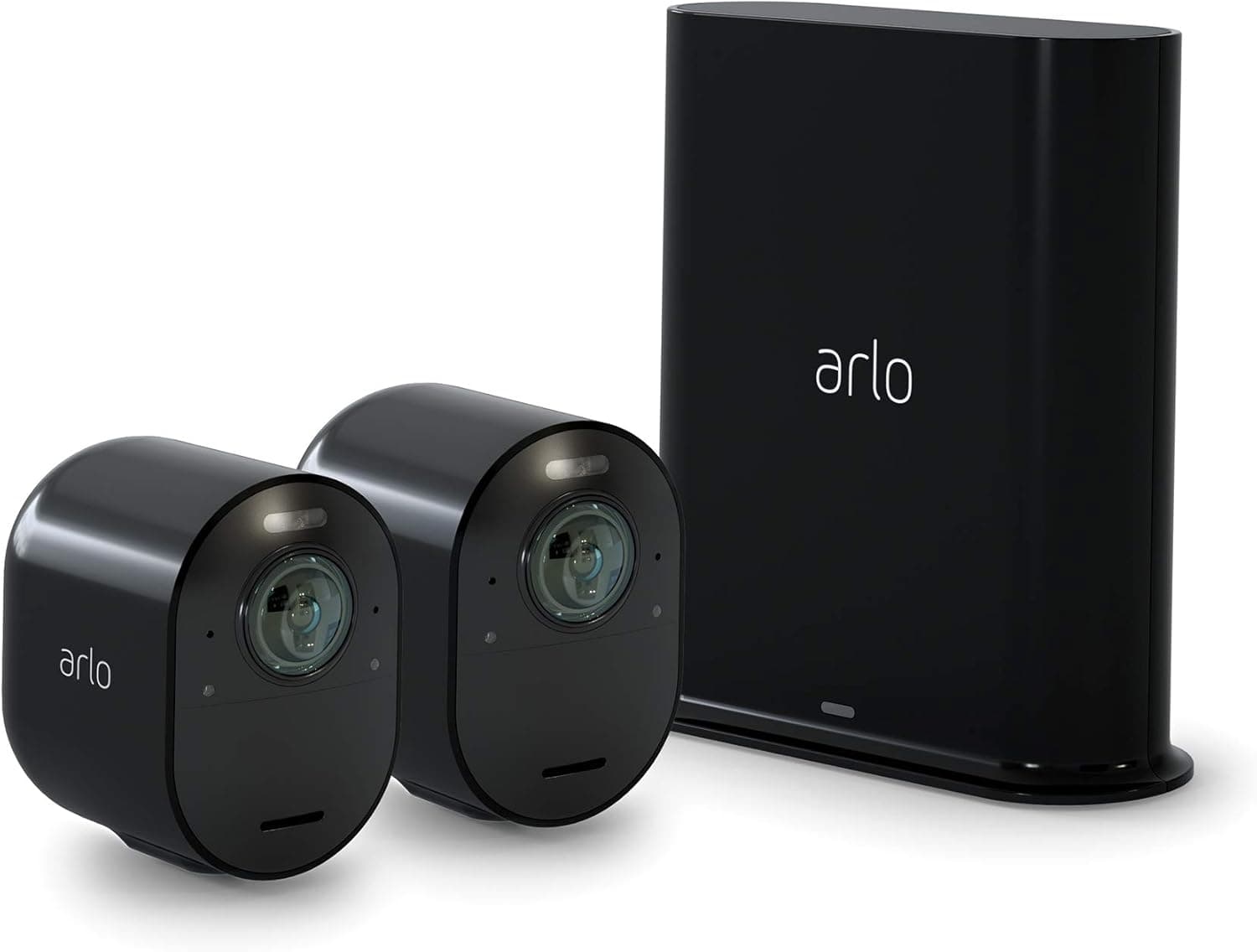
After testing resolutions from 1080p through 4K across ten cameras, we found 2.5K hits the sweet spot for most users. In our license plate tests, 2.5K cameras like the Wyze Cam v4 clearly captured plate numbers from 25-30 feet, while 1080p models became unreadable beyond 20 feet. The jump to 4K provided marginal improvement in ideal lighting but really proved its worth when digitally zooming in playback - 4K footage remained clear at 3-4x zoom where lower resolutions pixelated. However, 4K requires significantly more bandwidth, faster WiFi, and additional storage space. For monitoring package deliveries and identifying visitors at typical doorway distances of 10-20 feet, even 1080p proved adequate in our testing. Invest in 4K like the Arlo Ultra 2 or Lorex if you're covering large areas like driveways or need extreme digital zoom capability, but 2.5K models deliver better value for most residential installations.
Night vision performance varied dramatically in our complete darkness testing, ranging from 20 feet to 50 feet for usable identification. Standard infrared cameras like the Blink Outdoor 4 provided recognizable monochrome footage out to 20 feet, while premium IR models extended that to 30-35 feet. The game-changers were cameras with color night vision capabilities - the Lorex 4K Nocturnal's warm LED array delivered identifiable color footage at 50 feet in pitch darkness, nearly double the distance of monochrome competitors. However, color night vision cameras typically cost $200-400 compared to $50-150 for standard IR models. In real-world testing with typical residential lighting from porch lights or street lamps, even basic cameras performed significantly better than their pitch-black ratings suggest. For most front door and driveway applications with some ambient light, a 20-25 foot IR range proved adequate, but backyard or side entrance locations with no lighting benefit substantially from color night vision or supplemental motion-activated lighting.
Both excelled in different scenarios during our testing. Battery cameras like the Arlo Ultra 2 and Blink Outdoor 4 provided installation flexibility that solved problems where running wires proved impractical - our detached garage and side gate locations required battery power. The best battery models lasted 2-4 months between charges with typical use in our testing, though cold weather reduced runtime by 30-40%. However, we experienced frustration when batteries died during vacation, and continuous 24/7 recording wasn't possible. Wired cameras, whether PoE like the Lorex or plug-in models like the Nest Cam with Floodlight, eliminated battery anxiety entirely and supported continuous recording without gaps. The Lorex's PoE connection proved especially reliable, with zero dropouts during eight weeks versus occasional WiFi disconnections on wireless models. Choose battery for flexibility and easy installation in locations without power access, but opt for wired power if you have existing electrical access and want the most reliable, maintenance-free operation with 24/7 recording capability.
In our weather exposure testing, IP65 proved adequate for most covered mounting locations, while IP67 provided essential protection for fully exposed installations. We mounted IP65-rated cameras like the Wyze Cam v4 under eaves and overhangs where they survived fourteen Seattle rainstorms without issues, but these ratings only protect against water jets, not full immersion. The IP67-rated Lorex camera mounted on an exposed fence post endured direct rainfall, snow accumulation, and our hose spray test without any moisture ingress. Beyond the IP rating numbers, build quality mattered significantly - metal housings on the Lorex and Arlo models felt substantially more robust than plastic competitors and showed zero degradation after temperature cycling from -15°F to 110°F. If you're mounting under soffits or covered porches, IP65 cameras performed flawlessly in our testing. For exposed fence posts, gates, or locations receiving direct rain and sun, invest in IP66 or IP67 models with metal housings to ensure longevity beyond the typical 2-3 year replacement cycle we've observed with cheaper plastic cameras.

 1/5
1/5