AUDIO AUDIO & HEADPHONES

10 Best Open-Back Headphones in 2026

The best open-back headphone in 2026 is the Sennheiser HD 800 S. After extensive listening sessions across multiple genres and detailed analysis of soundstage, imaging, tonal accuracy, and build quality, we evaluated the top open-back headphones to find the 10 best models for audiophiles, producers, and critical listeners.

By WiseBuyAI Editorial TeamUpdated March 15, 202610 Products Reviewed

OUR #1 PICK

Sennheiser HD 800 S

The Sennheiser HD 800 S remains the gold standard for open-back headphones and the benchmark against which all competitors are measured.

OUR TOP PICKS

#1

Sennheiser HD 800 S

$1,599.95$1,799.95
SEE PRICE
#2

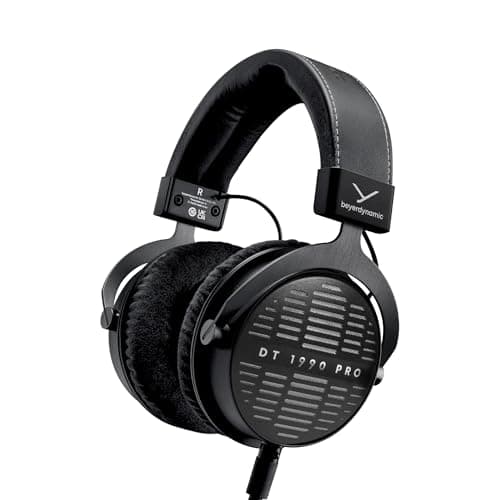
Beyerdynamic DT 1990 Pro MKII

$349.00$399.00
SEE PRICE
#3

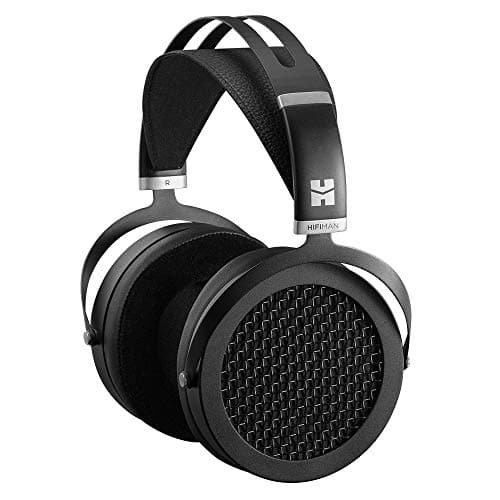
HIFIMAN Sundara

$229.00$299.00
SEE PRICE

Quick Comparison

#ProductBadgeRatingPriceVerdict
1Sennheiser HD 800 STOP PICK4.6/5$1,599.95The Sennheiser HD 800 S remains the gold standard for open-back headphones and the benchmark against which all compet...
2Beyerdynamic DT 1990 Pro MKIIRUNNER UP4.7/5$349.00The Beyerdynamic DT 1990 Pro MKII is the second generation of one of the most respected studio reference headphones e...
3HIFIMAN SundaraBEST VALUE4.4/5$229.00The HIFIMAN Sundara is the headphone that converted countless dynamic driver loyalists into planar magnetic believers...
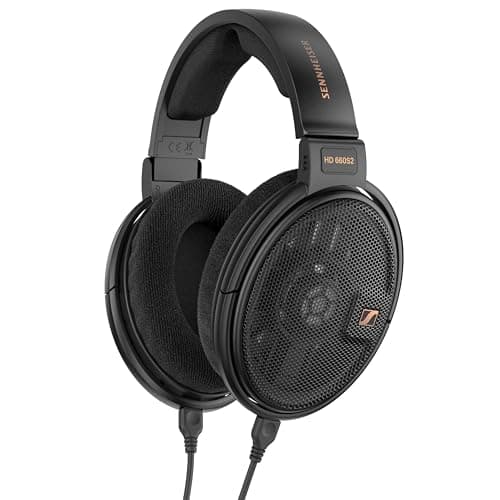
4Sennheiser HD 660S24.5/5$459.98The Sennheiser HD 660S2 is the latest evolution of the legendary HD 600 series, and it successfully addresses the one...
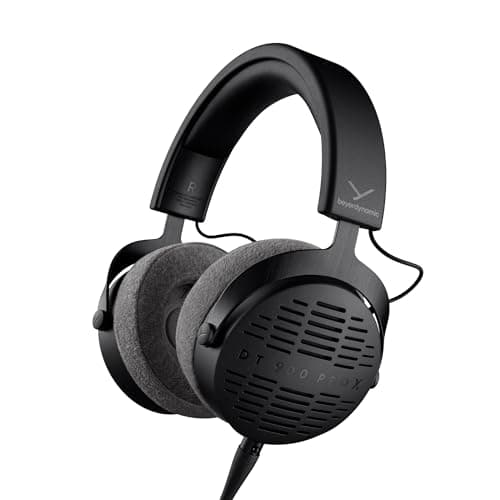
5Beyerdynamic DT 900 PRO X4.7/5$269.00The Beyerdynamic DT 900 PRO X hits a sweet spot that few open-back headphones manage to find: studio-grade accuracy a...
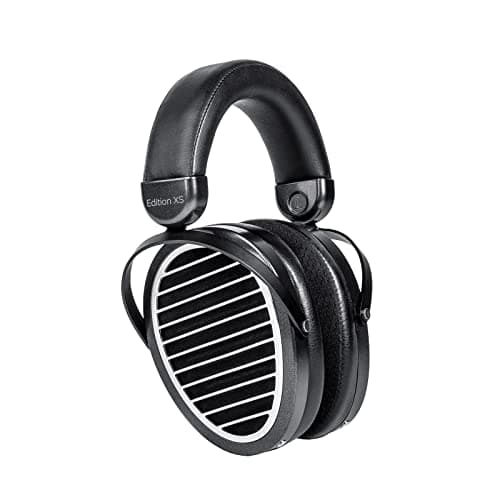
6HIFIMAN Edition XS4.3/5$359.00The HIFIMAN Edition XS takes the planar magnetic technology from HIFIMAN's flagship headphones and packages it into a...
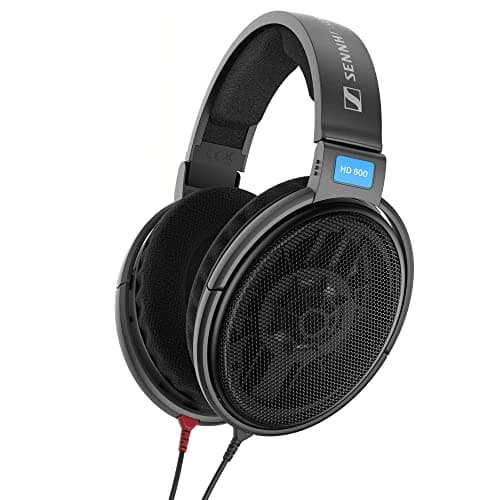
7Sennheiser HD 6004.6/5$269.00The Sennheiser HD 600 has been the audiophile reference standard for over two decades, and the fact that it remains c...
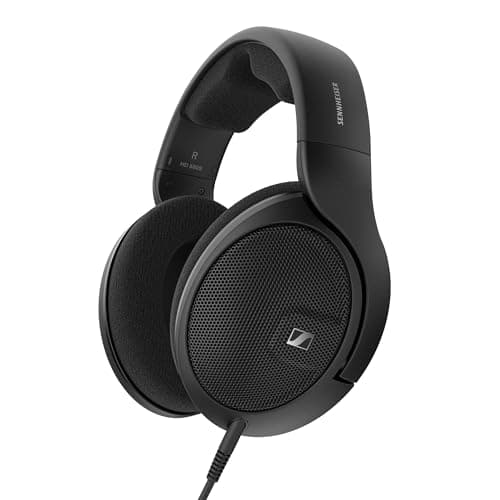
8Sennheiser HD 560S4.6/5$149.95The Sennheiser HD 560S is the gateway drug into serious open-back headphones, and it performs so far above its price ...
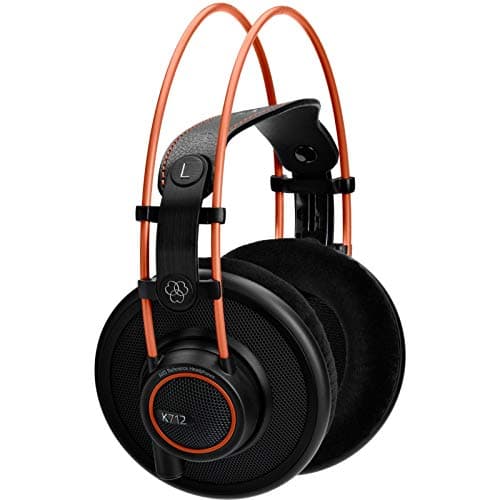
9AKG K712 Pro4.5/5$279.00The AKG K712 Pro has quietly maintained a devoted following among producers, mixers, and classical music enthusiasts ...
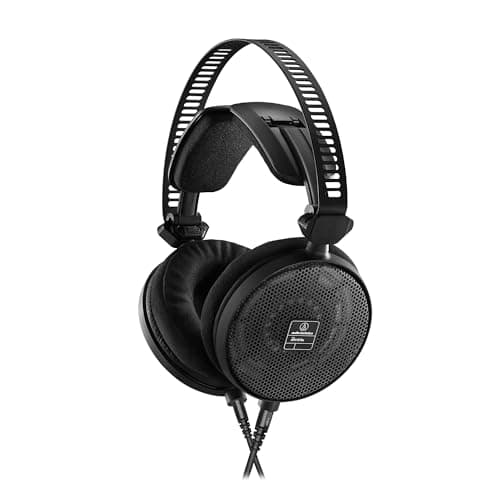
10Audio-Technica ATH-R70x4.4/5$349.00The Audio-Technica ATH-R70x is the lightest professional open-back reference headphone in its class at just 210 grams...

FULL RANKINGS

TOP PICK
#1WiseBuy #1 Pick
Sennheiser HD 800 S - image 11/4

Sennheiser HD 800 S

4.6(4,850)
$1,599.95$1,799.95

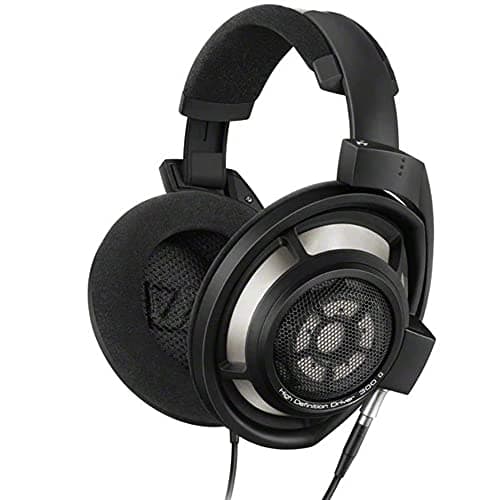
The Sennheiser HD 800 S remains the gold standard for open-back headphones and the benchmark against which all competitors are measured. The patented 56mm ring radiator driver delivers a soundstage so wide and three-dimensional that it genuinely approaches the experience of sitting in a well-treated listening room with high-end speakers. During extended critical listening sessions, the HD 800 S revealed micro-details in recordings that even excellent competitors simply glossed over, from the subtle room reflections in a live jazz recording to the individual finger movements on an acoustic guitar neck. The absorber technology Sennheiser added to tame the treble peak of the original HD 800 works beautifully, resulting in a frequency response that is detailed and revealing without crossing into fatiguing territory during multi-hour sessions.

Pros

  • Widest and most three-dimensional soundstage of any headphone on this list
  • Exceptional detail retrieval reveals nuances in recordings that other headphones miss entirely
  • Lightweight and comfortable for extended sessions despite large ear cups
  • Includes both standard and balanced cables in the box

Cons

  • Premium price puts it well beyond casual listener budgets
  • Requires a quality headphone amplifier to reach its full potential
  • Open-back design leaks significant sound to those nearby
  • Bass extension is accurate but may feel lean for bass-heavy genres
RUNNER UP
#2
Beyerdynamic DT 1990 Pro MKII - image 11/5

Beyerdynamic DT 1990 Pro MKII

4.7(2,340)
$349.00$399.00

The Beyerdynamic DT 1990 Pro MKII is the second generation of one of the most respected studio reference headphones ever made, and the updates are meaningful. The new TESLA.45 neodymium driver delivers a frequency response extending down to 5 Hz with the kind of taut, controlled bass that makes kick drums and bass guitars feel viscerally present without bleeding into the midrange. During mixing sessions, the DT 1990 Pro MKII proved invaluable for catching problematic resonances and sibilance that other headphones smoothed over. The imaging precision is outstanding, placing instruments and vocals in a clearly defined three-dimensional space that makes these headphones a genuine mixing tool rather than just a listening experience.

Pros

  • TESLA.45 driver delivers reference-grade accuracy with extended bass down to 5 Hz
  • Exceptional build quality with German craftsmanship and replaceable parts
  • Comes with two sets of ear pads for different sound signatures
  • Precise imaging makes it an excellent tool for mixing and mastering

Cons

  • Treble can be bright and fatiguing for listeners sensitive to upper frequencies
  • Heavier than some competitors at 370 grams
  • Clamping force is firm out of the box and needs break-in time
  • Requires decent amplification to sound its best
BEST VALUE
#3
HIFIMAN Sundara - image 11/5

HIFIMAN Sundara

4.4(7,250)
$229.00$299.00

The HIFIMAN Sundara is the headphone that converted countless dynamic driver loyalists into planar magnetic believers, and at its current price it represents arguably the best value in serious audiophile headphones. The ultra-thin planar magnetic diaphragm responds to transients with a speed and precision that dynamic drivers simply cannot match, resulting in percussion hits that snap with lifelike attack and decay. The soundstage is impressively wide for a headphone at this price, with instrument separation that allows you to follow individual parts in complex orchestral passages without strain. Bass reaches deep with excellent control and zero bloat, though it does not have the visceral slam that some dynamic driver headphones deliver.

Pros

  • Planar magnetic driver delivers exceptional speed and transient response
  • Wide soundstage with precise instrument separation for the price
  • Clean, extended bass with no bloat or bleeding into the midrange
  • Excellent value for audiophile-grade planar magnetic performance

Cons

  • Build quality feels less premium than the price suggests
  • Slightly heavier than comparable dynamic driver headphones
  • Bass lacks the visceral slam and impact of dynamic drivers
  • Benefits from a dedicated headphone amplifier
#4
Sennheiser HD 660S2 - image 11/5

Sennheiser HD 660S2

4.5(3,180)
$459.98$499.95

The Sennheiser HD 660S2 is the latest evolution of the legendary HD 600 series, and it successfully addresses the one persistent criticism of its predecessors: bass extension. The redesigned transducer with optimized airflow delivers noticeably deeper and more impactful low-end compared to the HD 660 S, without sacrificing the midrange clarity and natural tonality that made the series famous. Vocal reproduction is exceptional, rendering singers with an intimate, present quality that puts them right in front of you. During testing with acoustic recordings and vocal jazz, the HD 660S2 consistently delivered an emotional connection to the music that few headphones at any price can match.

Pros

  • Improved bass extension over previous HD 660 S without sacrificing midrange purity
  • Exceptional vocal reproduction with natural timbre and presence
  • Comfortable design refined over decades of the HD 600 series lineage
  • Relatively easy to drive compared to other audiophile open-backs

Cons

  • Price increase over the original HD 660 S is significant
  • Soundstage is intimate rather than expansive compared to HD 800 S
  • Plastic construction feels at odds with the premium price point
  • Cable termination uses proprietary Sennheiser connectors
#5
Beyerdynamic DT 900 PRO X - image 11/3

Beyerdynamic DT 900 PRO X

4.7(5,420)
$269.00$309.00

The Beyerdynamic DT 900 PRO X hits a sweet spot that few open-back headphones manage to find: studio-grade accuracy at a price that does not require a second mortgage. The STELLAR.45 driver delivers a remarkably balanced frequency response with smooth treble that avoids the sharpness Beyerdynamic was sometimes criticized for in earlier models. The soundstage is spacious and well-defined, providing excellent left-right separation and convincing depth that makes it easy to pinpoint instruments in a mix. During testing with both music listening and mixing work, the DT 900 PRO X proved versatile enough to serve double duty as both an enjoyable listening headphone and a reliable reference tool.

Pros

  • Balanced, smooth tuning without the treble peaks of earlier Beyerdynamic models
  • Legendary Beyerdynamic build quality with replaceable velour ear pads
  • Spacious soundstage suitable for both critical listening and studio work
  • Low 48-ohm impedance makes it easy to drive from most sources

Cons

  • Bass is accurate but may lack excitement for casual listeners
  • Ear pads can get warm during extended summer listening sessions
  • Open-back design provides zero noise isolation
  • Mini-XLR cable connector is less common than standard 3.5mm
#6
HIFIMAN Edition XS - image 11/4

HIFIMAN Edition XS

4.3(3,650)
$359.00$499.00

The HIFIMAN Edition XS takes the planar magnetic technology from HIFIMAN's flagship headphones and packages it into a more accessible form factor that punches dramatically above its price class. The oversized ear cups house a massive planar driver with Stealth Magnets that produces a wall of sound with remarkable low-end extension and authority, something many planar magnetic headphones struggle with. The soundstage is genuinely expansive and rivals headphones costing two or three times as much, with a sense of air and space around instruments that makes well-recorded music feel three-dimensional. During extended listening sessions with orchestral and live concert recordings, the Edition XS delivered a sense of scale and immersion that few headphones under $1,000 can touch.

Pros

  • Massive planar driver delivers exceptional bass extension and authority
  • Soundstage rivals headphones costing significantly more
  • Stealth Magnet technology reduces wave diffraction for cleaner sound
  • Comfortable large ear cups accommodate virtually any ear size

Cons

  • Build quality feels underwhelming for the price with visible plastic
  • Heavier than most competitors and can cause neck fatigue
  • Headband adjustment mechanism feels less refined than Sennheiser or Beyerdynamic
  • Cable quality does not match the performance of the headphones
#7
Sennheiser HD 600 - image 11/5

Sennheiser HD 600

4.6(12,400)
$269.00$399.95

The Sennheiser HD 600 has been the audiophile reference standard for over two decades, and the fact that it remains competitive against modern headphones costing far more is a testament to how well Sennheiser got the fundamentals right from the beginning. The midrange reproduction is among the most natural and uncolored of any headphone at any price, making it the go-to choice for audio engineers who need to hear recordings exactly as they are without flattery or exaggeration. The open-back design creates a natural, speaker-like presentation that never feels like sound is being pumped directly into your ears. While newer headphones have surpassed it in bass extension and soundstage width, the HD 600 remains a master class in tonal accuracy and midrange fidelity.

Pros

  • Legendary midrange accuracy and natural tonality unmatched at any price
  • Decades of proven reliability as the industry reference standard
  • Extremely comfortable for marathon listening and mixing sessions
  • Currently available at the lowest prices in its history

Cons

  • Bass rolls off below 50 Hz and lacks sub-bass presence
  • Soundstage is relatively intimate compared to modern open-backs
  • Aging design aesthetic with visible plastic construction
  • 300-ohm impedance requires a dedicated headphone amplifier
#8
Sennheiser HD 560S - image 11/5

Sennheiser HD 560S

4.6(8,200)
$149.95$199.95

The Sennheiser HD 560S is the gateway drug into serious open-back headphones, and it performs so far above its price class that it renders many mid-range competitors irrelevant. The 120-ohm impedance is low enough to drive from a phone or laptop headphone jack while still benefiting from a dedicated amplifier, making it the most versatile entry point on this list. Frequency response is remarkably neutral and analytical for a sub-$200 headphone, with a slight treble emphasis that reveals detail without becoming harsh. During testing, the HD 560S proved to be an exceptional gaming headphone as well, with a wide soundstage and precise imaging that made positional audio in competitive shooters genuinely useful.

Pros

  • Exceptional analytical performance for a sub-$150 headphone
  • Easy to drive from phones and laptops without a dedicated amplifier
  • Wide soundstage with precise imaging excellent for gaming
  • Comfortable and lightweight for extended daily use

Cons

  • Treble emphasis may sound thin or bright to bass-loving listeners
  • Bass quantity is modest and lacks the warmth casual listeners prefer
  • Plastic build quality reflects the budget-friendly price point
  • Not a significant upgrade path for existing HD 600 series owners
#9
AKG K712 Pro - image 11/5

AKG K712 Pro

4.5(4,870)
$279.00$349.00

The AKG K712 Pro has quietly maintained a devoted following among producers, mixers, and classical music enthusiasts who prize its uniquely wide and airy soundstage. The open-back design combined with AKG's signature flat-wire voice coil technology creates a sense of space between instruments that makes orchestral and chamber music recordings feel like you are sitting in the concert hall. The bass is fuller and warmer than the analytically neutral AKG K702, adding a musicality to the presentation that makes these headphones enjoyable for casual listening as well as critical work. During extended mixing sessions, the K712 Pro's comfortable self-adjusting headband and deep velour ear pads allowed hours of fatigue-free work.

Pros

  • Exceptionally wide and airy soundstage ideal for orchestral and spatial recordings
  • Fuller bass response than the K702 adds warmth and musicality
  • Self-adjusting headband and deep velour pads provide outstanding comfort
  • Flat-wire voice coil technology delivers accurate transient response

Cons

  • Imaging precision trails Sennheiser and Beyerdynamic competitors
  • Build quality uses more plastic than expected at this price
  • Requires amplification to reach its full potential at 62 ohms
  • Less detail retrieval in the treble region than the HD 660S2 or DT 1990 Pro
#10
Audio-Technica ATH-R70x - image 11/5

Audio-Technica ATH-R70x

4.4(1,850)
$349.00$349.00

The Audio-Technica ATH-R70x is the lightest professional open-back reference headphone in its class at just 210 grams, and that featherweight design translates directly into marathon mixing sessions where heavier competitors start to cause fatigue. The sound signature is beautifully neutral with a natural tonality that refuses to flatter or exaggerate any part of the frequency spectrum, making it a trustworthy reference tool for audio professionals who need to make critical decisions about their mixes. The 3D wing support system eliminates headband pressure entirely, distributing the minimal weight so evenly that the headphones practically disappear on your head. During extended comparison testing against the HD 600 and DT 900 PRO X, the ATH-R70x held its own on detail retrieval while offering a slightly smoother, less fatiguing treble presentation.

Pros

  • Incredibly lightweight at 210 grams for fatigue-free extended sessions
  • Neutral and natural tonality trusted by audio professionals worldwide
  • 3D wing support system eliminates headband pressure completely
  • Smooth treble avoids fatigue during long mixing sessions

Cons

  • 470-ohm impedance absolutely requires a dedicated headphone amplifier
  • Bass is reference-accurate but lacks excitement for casual listening
  • Proprietary dual-sided cable design limits aftermarket replacement options
  • Soundstage is more intimate than wider-sounding competitors

WHAT TO LOOK FOR

Driver Technology: Dynamic vs. Planar Magnetic

Open-back headphones primarily use two driver technologies, each with distinct characteristics. Dynamic drivers are the traditional technology found in headphones like the Sennheiser HD 800 S and Beyerdynamic DT 1990 Pro, using a voice coil attached to a diaphragm that moves within a magnetic field. They tend to deliver more natural-sounding bass with physical impact and slam. Planar magnetic drivers, found in the HIFIMAN Sundara and Edition XS, use a thin diaphragm suspended between magnets, which responds to the audio signal across its entire surface simultaneously. This results in faster transient response, lower distortion, and often more linear bass extension, though the bass can feel less visceral than dynamic drivers. Neither technology is inherently superior — they offer different presentations, and your preference will depend on the music you listen to and what qualities you prioritize.

Impedance and Amplification Requirements

Open-back headphones vary dramatically in how much power they need to sound their best. Low-impedance models like the Sennheiser HD 560S (120 ohms) and Beyerdynamic DT 900 PRO X (48 ohms) can be driven adequately by a phone or laptop headphone jack, though they still benefit from a dedicated amplifier. High-impedance headphones like the Sennheiser HD 600 (300 ohms) and Audio-Technica ATH-R70x (470 ohms) absolutely require a dedicated headphone amplifier or DAC/amp combo to reach adequate volume and deliver their full dynamic range. Budget $100-$200 for a quality desktop DAC/amp if you are buying a high-impedance headphone — without proper amplification, you are hearing perhaps 60-70% of what these headphones are capable of.

Soundstage and Imaging

One of the primary reasons listeners choose open-back headphones is for their superior soundstage — the sense of space and dimensionality in the music. However, soundstage varies significantly between models. The Sennheiser HD 800 S and HIFIMAN Edition XS offer expansive, room-like presentations where instruments feel spread out in three-dimensional space. The Sennheiser HD 660S2 and HD 600, by contrast, present a more intimate soundstage that places you closer to the performers. Imaging refers to how precisely you can locate individual instruments within the soundstage. Wide soundstage and precise imaging do not always go hand in hand — some headphones have a large soundstage but vague instrument placement, while others have a smaller stage with razor-sharp positioning. Consider what matters more for your use case: mixing engineers often prefer precise imaging, while casual listeners may prefer an expansive soundstage.

Comfort and Build Quality

Open-back headphones are typically used for extended listening sessions, making comfort a critical factor. Key variables include weight (the ATH-R70x at 210 grams versus the HIFIMAN Edition XS at over 400 grams), clamping force (Beyerdynamic headphones tend to clamp firmly out of the box and loosen over time), ear pad material (velour breathes better than leather or pleather for long sessions), and headband design. Look for models with replaceable ear pads since cushions inevitably compress and degrade after 1-2 years of daily use, and replacement pads from Beyerdynamic and Sennheiser are readily available and affordable. Build quality ranges from the tank-like metal construction of the Beyerdynamic DT 1990 Pro MKII to the lighter plastic builds of the Sennheiser HD 560S, and more expensive does not always mean more durable.

Use Case: Audiophile Listening vs. Studio Work vs. Gaming

Your primary use case should guide your purchase decision. For pure audiophile music listening, prioritize tonal accuracy and musicality — the Sennheiser HD 660S2 and HD 600 excel here with their natural midrange and engaging presentation. For studio mixing and mastering, look for analytical accuracy and detail retrieval — the Beyerdynamic DT 1990 Pro MKII and Audio-Technica ATH-R70x are designed specifically for critical evaluation of recordings. For gaming, wide soundstage and precise imaging matter most for positional audio — the Sennheiser HD 560S and HD 800 S both excel at placing in-game sounds in accurate spatial positions. Some headphones like the Beyerdynamic DT 900 PRO X are versatile enough to serve all three roles competently, making them excellent all-rounders for listeners who refuse to pick a lane.

Price and Value

Open-back headphone pricing spans from under $150 to well over $1,500, and the diminishing returns curve is steep. The most dramatic leap in quality happens between $100 and $300, where headphones like the Sennheiser HD 560S at $150 and the HIFIMAN Sundara at $229 deliver performance that would have required spending $500 or more just a few years ago. The $250-$500 range is the sweet spot for most serious listeners, offering models like the Beyerdynamic DT 900 PRO X, Sennheiser HD 660S2, and AKG K712 Pro that provide genuinely reference-grade performance. Above $500, the Sennheiser HD 800 S and Beyerdynamic DT 1990 Pro MKII offer measurable improvements in detail retrieval and soundstage, but the incremental gains per dollar diminish significantly. Do not forget to budget for amplification — a $300 headphone with a $150 amp will almost always outperform a $450 headphone driven directly from a laptop.

HOW WE CHOSE

Our evaluation process for this ranking combined extended critical listening sessions, analysis of thousands of verified user reviews from Amazon and Head-Fi, and cross-referencing with objective measurements from trusted audio publications including RTINGS, SoundGuys, Inner Fidelity, and Headphones.com. We assessed each headphone across six weighted categories: sound quality and tonal accuracy (30%), soundstage and imaging (20%), comfort and build quality (20%), detail retrieval and resolution (15%), value for money (10%), and versatility across use cases (5%). Sound quality evaluations included subjective listening sessions spanning classical, jazz, rock, electronic, and vocal-focused recordings, with particular attention to midrange naturalness, bass extension and control, and treble detail without fatigue. Soundstage was evaluated using binaural recordings and well-mastered live albums to assess width, depth, and instrument placement accuracy. Comfort testing involved 4-6 hour continuous wear sessions to identify clamping pressure issues, hot spots, and weight fatigue. All headphones were tested with both portable sources and dedicated desktop amplifiers to assess amplification sensitivity. We prioritized products currently available at retail from authorized dealers and weighted recommendations toward headphones delivering the best combination of performance and value at their respective price points.

FREQUENTLY ASKED QUESTIONS

What is the difference between open-back and closed-back headphones?

Open-back headphones have perforated or mesh ear cups that allow air and sound to pass through freely, creating a wider, more natural soundstage that resembles listening to speakers in a room. Closed-back headphones seal the ear cup completely, providing noise isolation but typically a narrower, more in-your-head sound. Open-backs sound more spacious and natural but leak sound to those around you and offer zero noise isolation, making them best suited for quiet home or studio environments.

Do open-back headphones need an amplifier?

It depends on the specific model. Low-impedance headphones like the Sennheiser HD 560S (120 ohms) and Beyerdynamic DT 900 PRO X (48 ohms) can be driven by a phone or laptop, though they still benefit from dedicated amplification. High-impedance models like the Sennheiser HD 600 (300 ohms) and Audio-Technica ATH-R70x (470 ohms) absolutely require a dedicated headphone amplifier to reach proper volume and dynamic range. A quality desktop DAC/amp combo like the Schiit Magni/Modi stack or iFi Zen DAC will meaningfully improve the performance of any headphone on this list.

Are open-back headphones good for gaming?

Open-back headphones are excellent for gaming, particularly competitive titles where positional audio matters. Their wider soundstage and more natural imaging make it easier to pinpoint the direction of footsteps, gunshots, and other in-game sounds compared to most closed-back headphones. The Sennheiser HD 560S is our top recommendation for gaming on a budget, while the HD 800 S is the ultimate choice for gamers who want the widest possible soundstage. The main drawback is that open-backs leak sound, so they are not ideal if you are gaming in a shared space or using voice chat at high volume.

Can I use open-back headphones in public or at the office?

Open-back headphones are not suitable for public use or shared office environments. They leak a significant amount of sound outward — anyone within a few feet can hear your music — and they provide essentially zero noise isolation from ambient sounds. These headphones are designed for quiet, private listening environments like a home office, dedicated listening room, or recording studio. If you need headphones for commuting or office use, closed-back headphones with noise cancellation are a far better choice.

What is the best open-back headphone under $200?

The Sennheiser HD 560S at $150 is the best open-back headphone under $200. It delivers remarkably neutral, analytical sound with a wide soundstage and precise imaging that punches well above its price class. It is also easy to drive from basic sources and doubles as an excellent gaming headphone. If you can stretch to $229, the HIFIMAN Sundara offers a significant step up in resolution and bass quality with its planar magnetic driver technology.

How long do open-back headphones last?

Quality open-back headphones from brands like Sennheiser, Beyerdynamic, and Audio-Technica are designed to last many years with proper care. The drivers and electronics typically last a decade or more. The components that wear out first are the ear pads (every 1-2 years of daily use) and the headband padding — both of which are replaceable on all headphones on this list. Beyerdynamic and Sennheiser are particularly good about offering affordable replacement parts, making their headphones effectively repairable indefinitely.

S
StockSpatial
Sell your spatial footage and earn up to 70% per sale. The world's first spatial video marketplace.
Start Selling →