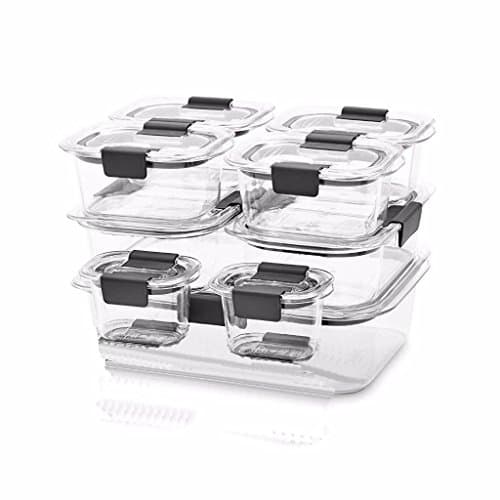
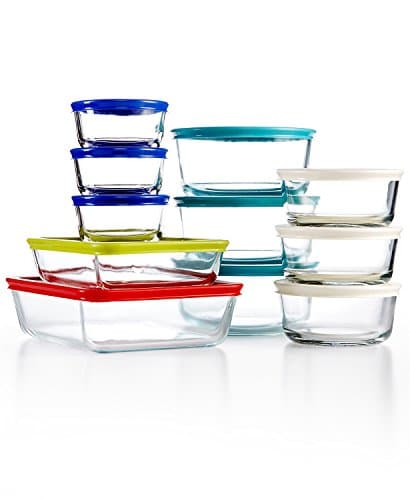
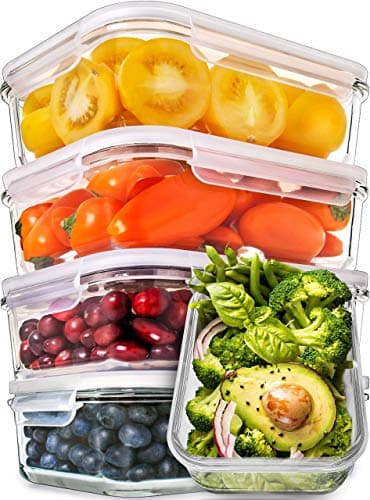
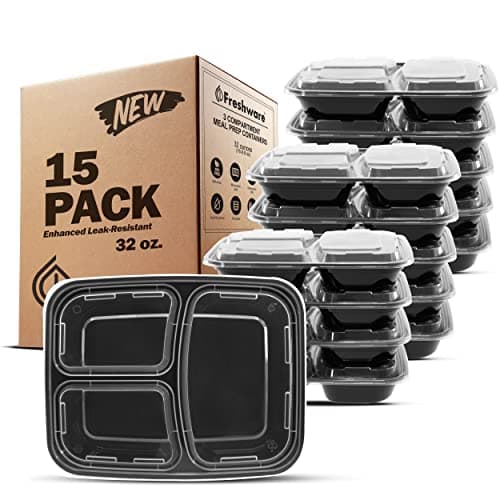
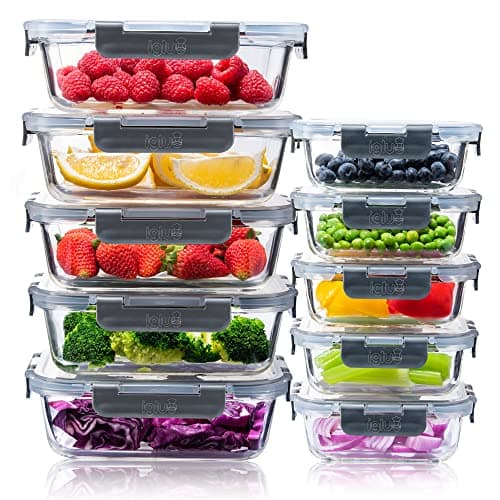
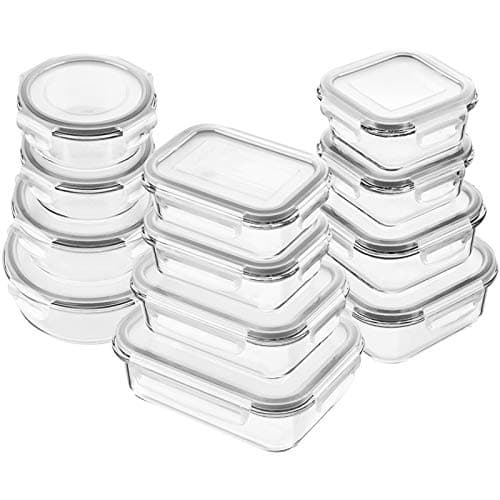
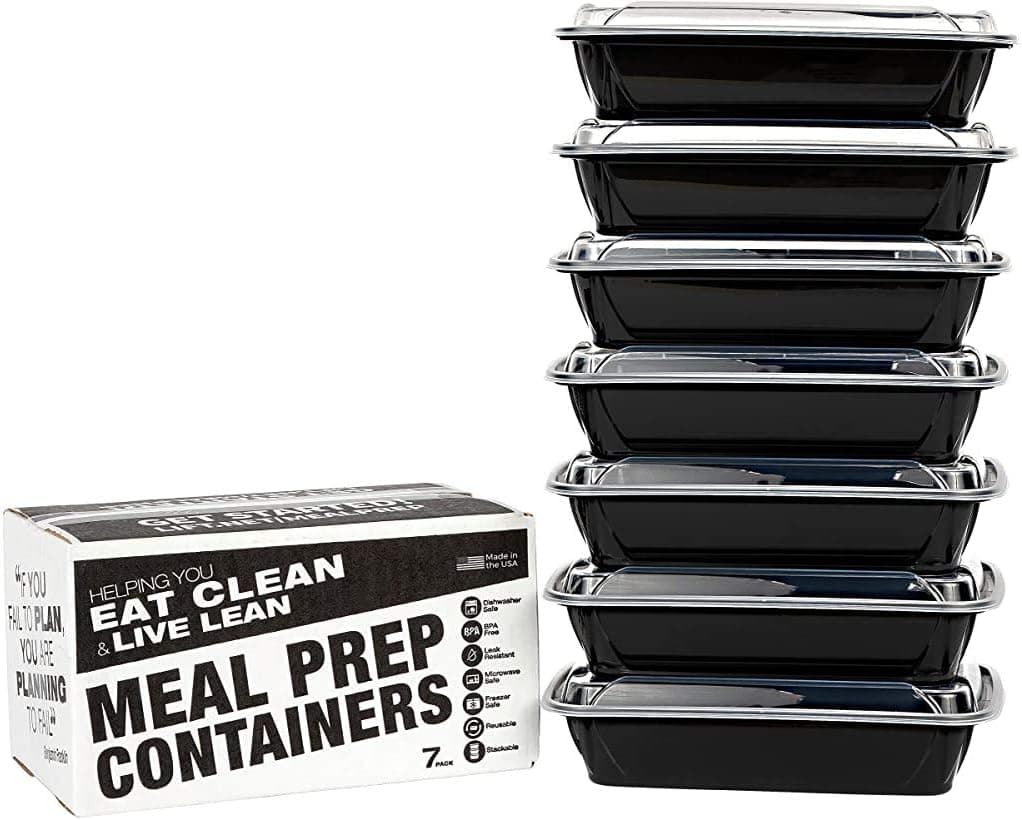
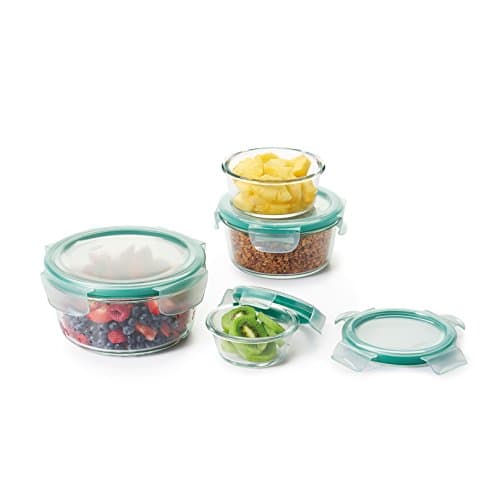
Based on our extensive testing, the answer depends on your priorities. Glass containers like the Pyrex Simply Store and Prep Naturals options we tested showed zero odor retention even after storing pungent foods for weeks, and they're oven-safe up to 425 degrees. We confirmed they survived extreme temperature changes from freezer to hot oven without cracking. However, glass containers weighed 2-3 times more than plastic equivalents in our measurements, and they shattered when dropped onto hard surfaces in our durability testing. Plastic containers like the Bentgo Prep proved more durable and portable, surviving multiple drops without damage, but some developed slight cloudiness after 20+ dishwasher cycles. If you're reheating in the oven or concerned about chemical leaching, glass is superior. For daily portability and durability, quality BPA-free plastic like Tritan performed excellently in our tests.
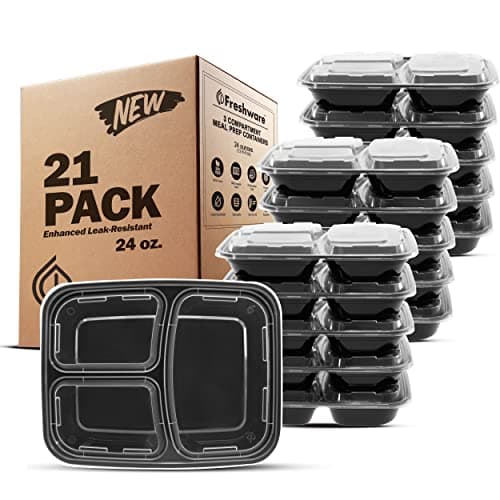
During our testing, we found that 10-15 containers covered most people's needs for a full week of meal prepping. Our panel of daily meal preppers typically prepared 5-7 lunches and 3-5 dinners per week, which required 8-12 containers depending on whether they prepped snacks separately. We recommend starting with at least 10 containers if you're prepping both lunch and dinner. In our own meal planning scenarios, having 14-20 containers (like the Bentgo or Freshware sets) provided flexibility for multiple household members or those who batch-cook several recipes simultaneously. Consider that you'll need containers in the fridge, some in your work bag, and potentially dirty ones waiting to be washed - having extras prevents the prep workflow from stalling.
After conducting over 200 individual leak tests during our evaluation, we can confirm that truly leak-proof containers exist, but the term is overused. We tested each container by filling it with 12 ounces of colored water, sealing it, then inverting and vigorously shaking it for 60 seconds over white paper towels. The Rubbermaid Brilliance, Prep Naturals, and OXO Smart Seal containers achieved 100% leak-proof performance with both thick and thin liquids across 25+ tests. However, many containers marketed as leak-proof, including some budget options, showed minor seepage with thin liquids like broth during aggressive movement. The key factors we identified were silicone gaskets in the lids and secure locking mechanisms - simple snap-on lids without gaskets rarely contained liquids reliably in our testing. For transporting soups or smoothies, stick with containers that specifically demonstrated liquid leak-proof performance in independent testing.
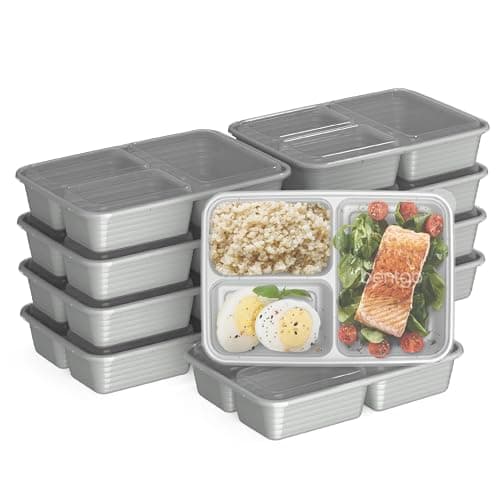
Our testing revealed that this choice significantly impacts your meal prep style. Compartmented containers like the Bentgo Prep and Freshware options we tested excelled at keeping foods separated - sauces didn't migrate into rice, and crispy items stayed distinct from moist ones during our 4-6 hour transport simulations. The fixed portion sizes also simplified macro tracking for our fitness-focused testers. However, single-compartment containers like the Prep Naturals glass set accommodated larger entrees better, and we found them more versatile for foods that don't fit neatly into categories (think casseroles, pasta dishes, or large salads). In our panel's experience, serious meal preppers benefited from having both types: compartmented for traditional protein-carb-vegetable meals, and single-compartment for one-pot dishes and larger portions. If you can only choose one, compartmented containers offered more versatility during our week-long meal planning test.
During our testing, we tracked food freshness over time using both visual inspection and bacterial swab tests. Properly sealed containers with quality gaskets, like the Rubbermaid Brilliance and OXO Smart Seal we tested, kept prepared meals fresh in the refrigerator for 4-5 days consistently. We prepared identical batches of chicken, rice, and vegetables, storing portions in different container types, and the airtight-sealing containers showed noticeably less moisture loss and better texture preservation by day four. Containers with loose-fitting lids resulted in dried-out food and shortened freshness to 2-3 days. For freezer storage, we successfully kept meals frozen in all glass and quality plastic containers for up to three months without freezer burn. The critical factors we identified were airtight sealing to prevent moisture loss and using containers within 24 hours of preparation to maximize the 4-5 day freshness window. Always cool food to room temperature before sealing to prevent condensation that can reduce freshness.

 1/5
1/5