KITCHEN KITCHEN & COOKING

10 Best Matcha Kits and Powders in 2026

The best matcha kit in 2026 is the Jade Leaf Matcha Organic Ceremonial Starter Set. We researched and compared the top matcha powders and preparation kits of 2026, from premium Japanese ceremonial-grade tins to complete bamboo whisk sets. These 10 picks deliver the smoothest, most vibrant matcha experience whether you are a first-time brewer or a daily matcha drinker.

By WiseBuyAIUpdated March 21, 202610 Products Reviewed

OUR #1 PICK

Jade Leaf Matcha Organic Ceremonial Matcha and Traditional Starter Set

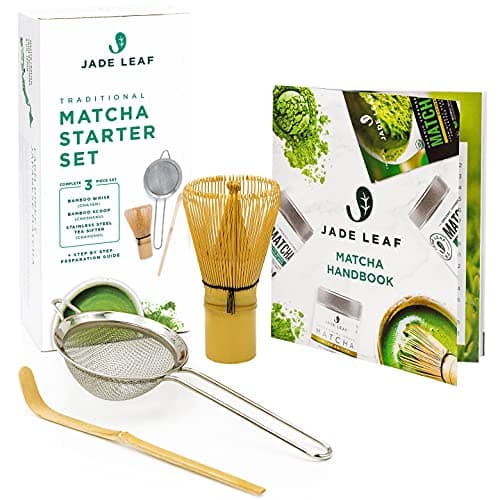
The Jade Leaf Ceremonial Starter Set bundles everything a beginner needs: a 30g tin of USDA-certified organic ceremonial-grade matcha with a handcrafted bamboo chasen whisk, a bamboo chashaku scoop, and a stainless steel sifter.

OUR TOP PICKS

#1

Jade Leaf Matcha Organic Ceremonial Matcha and Traditional Starter Set

$39.95
SEE PRICE
#2

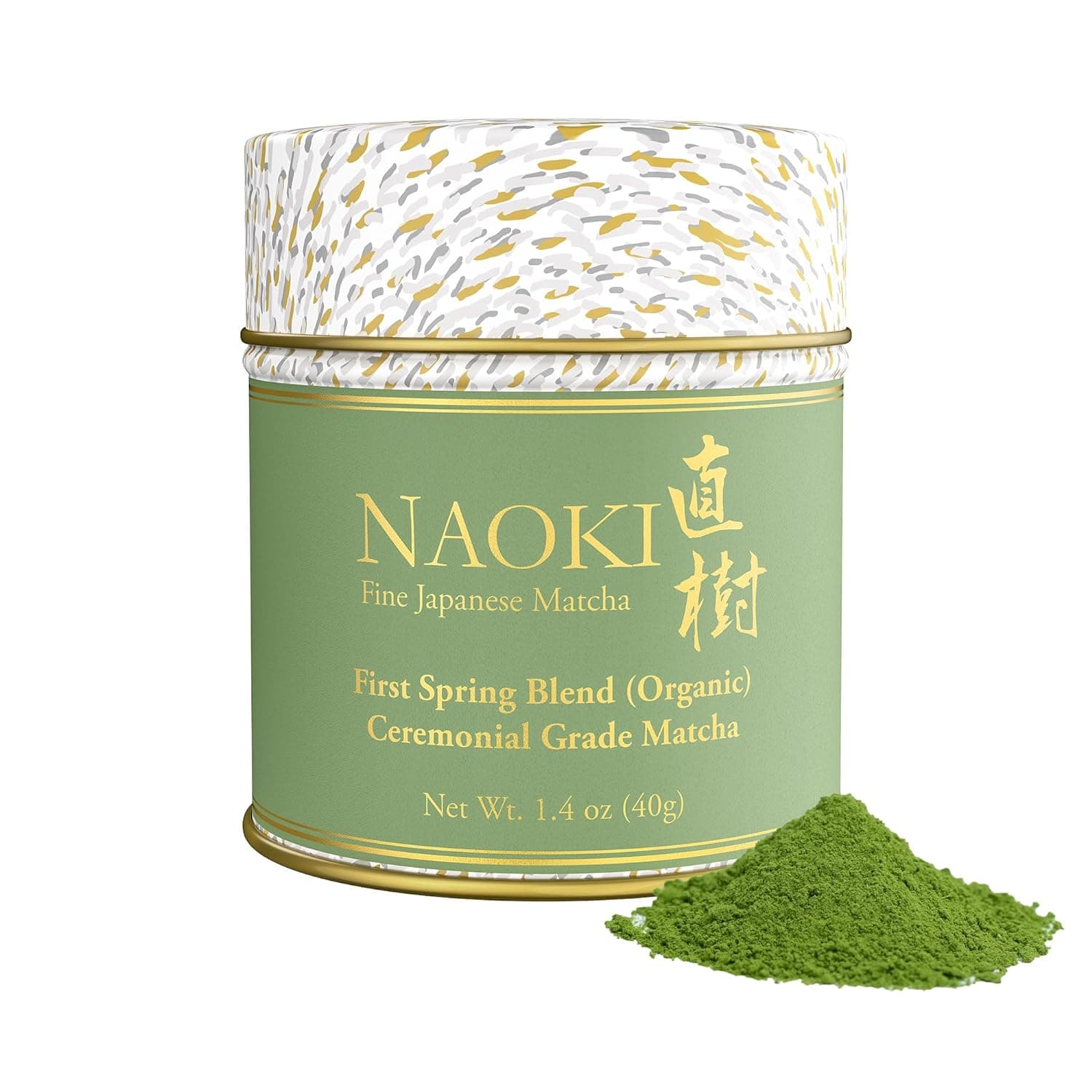
Naoki Matcha Organic Ceremonial First Spring Blend

$29.95
SEE PRICE
#3

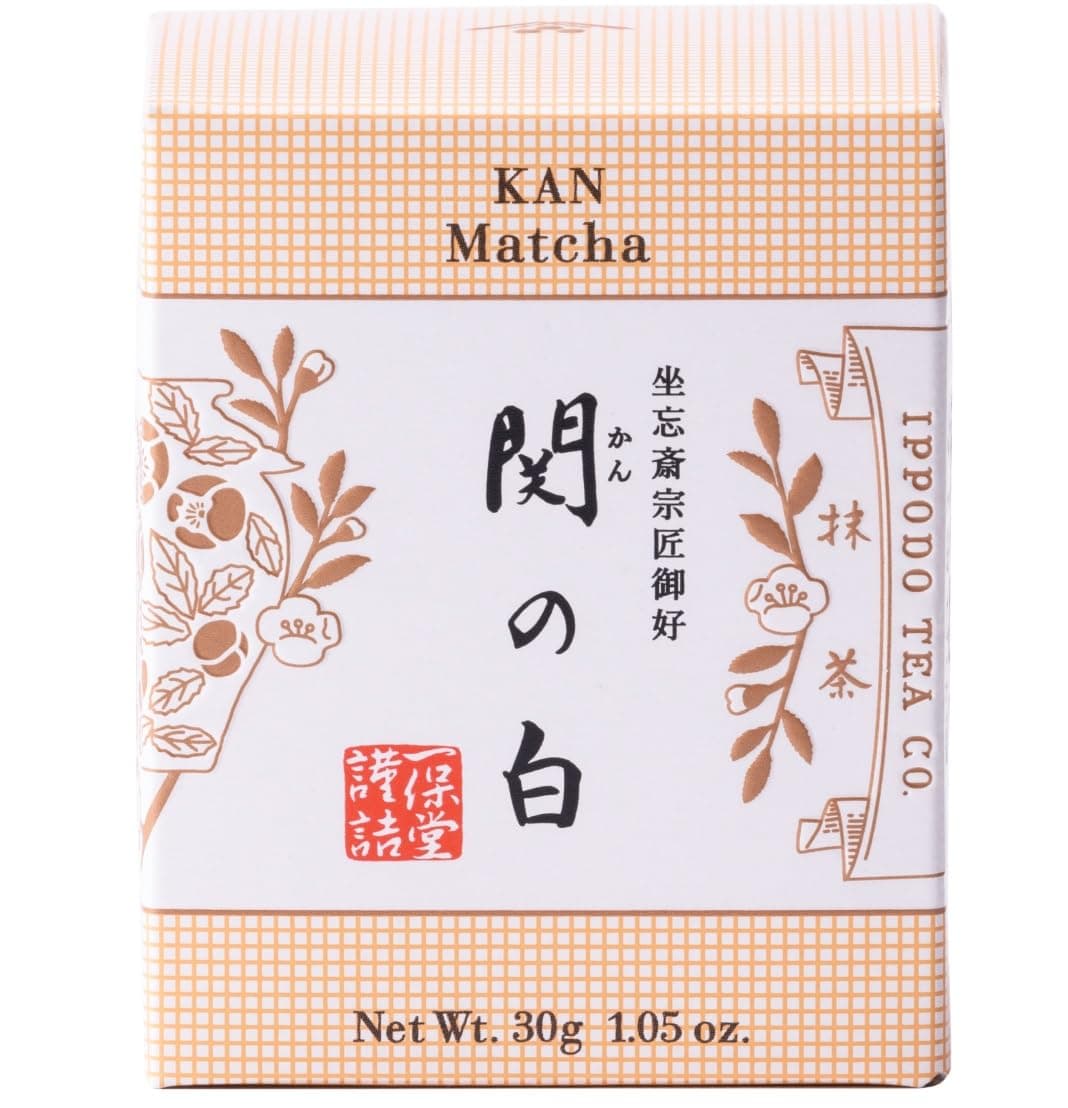
Ippodo Tea Kan Matcha

$19.50
SEE PRICE

Quick Comparison

#ProductBadgeRatingPriceVerdict
1Jade Leaf Matcha Organic Ceremonial Matcha and Traditional Starter SetTOP PICK4.7/5$39.95The Jade Leaf Ceremonial Starter Set bundles everything a beginner needs: a 30g tin of USDA-certified organic ceremon...
2Naoki Matcha Organic Ceremonial First Spring BlendRUNNER UP4.5/5$29.95Naoki's First Spring Blend is harvested from shade-grown tea plants in the volcanic highlands of Kagoshima's Kirishim...
3Ippodo Tea Kan MatchaBEST VALUE4.6/5$19.50Ippodo has been blending tea in Kyoto since 1717, and their Kan matcha is the most accessible entry point into a bran...
4Encha Ceremonial Grade Matcha Powder4.5/5$29.95Encha sources exclusively from first-harvest, shade-grown tea farms in Uji, Japan and maintains a direct relationship...
5Artcome Traditional Japanese Matcha Tea Set (9-Piece)4.5/5$27.99The Artcome 9-piece set is the most complete ceremony kit on this list, including a ceramic matcha bowl (chawan), bam...
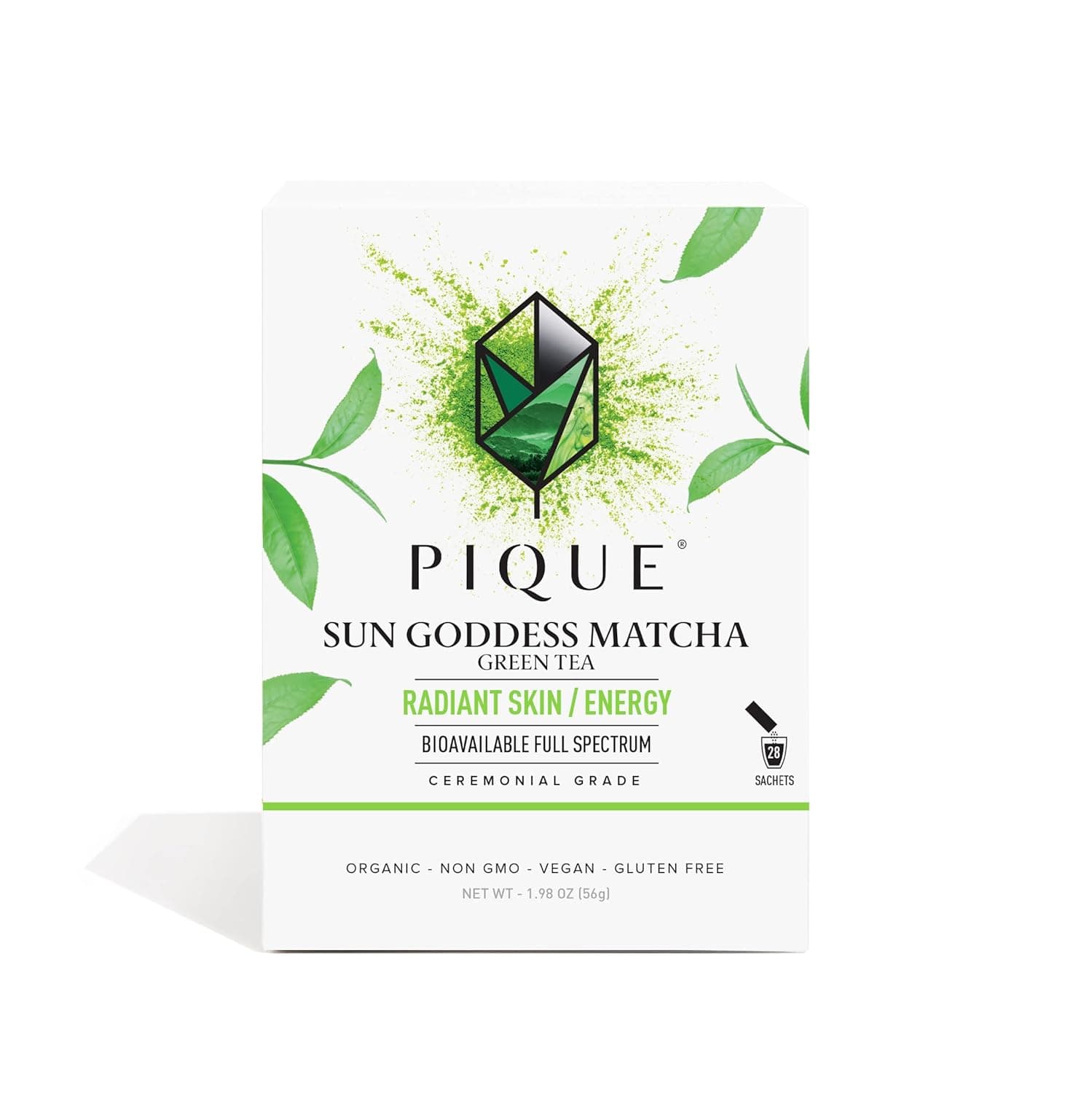
6Pique Organic Sun Goddess Matcha Single Serve Sticks4.3/5$38.00Pique's single-serve matcha sticks solve the biggest barrier to daily matcha consumption: the preparation time.
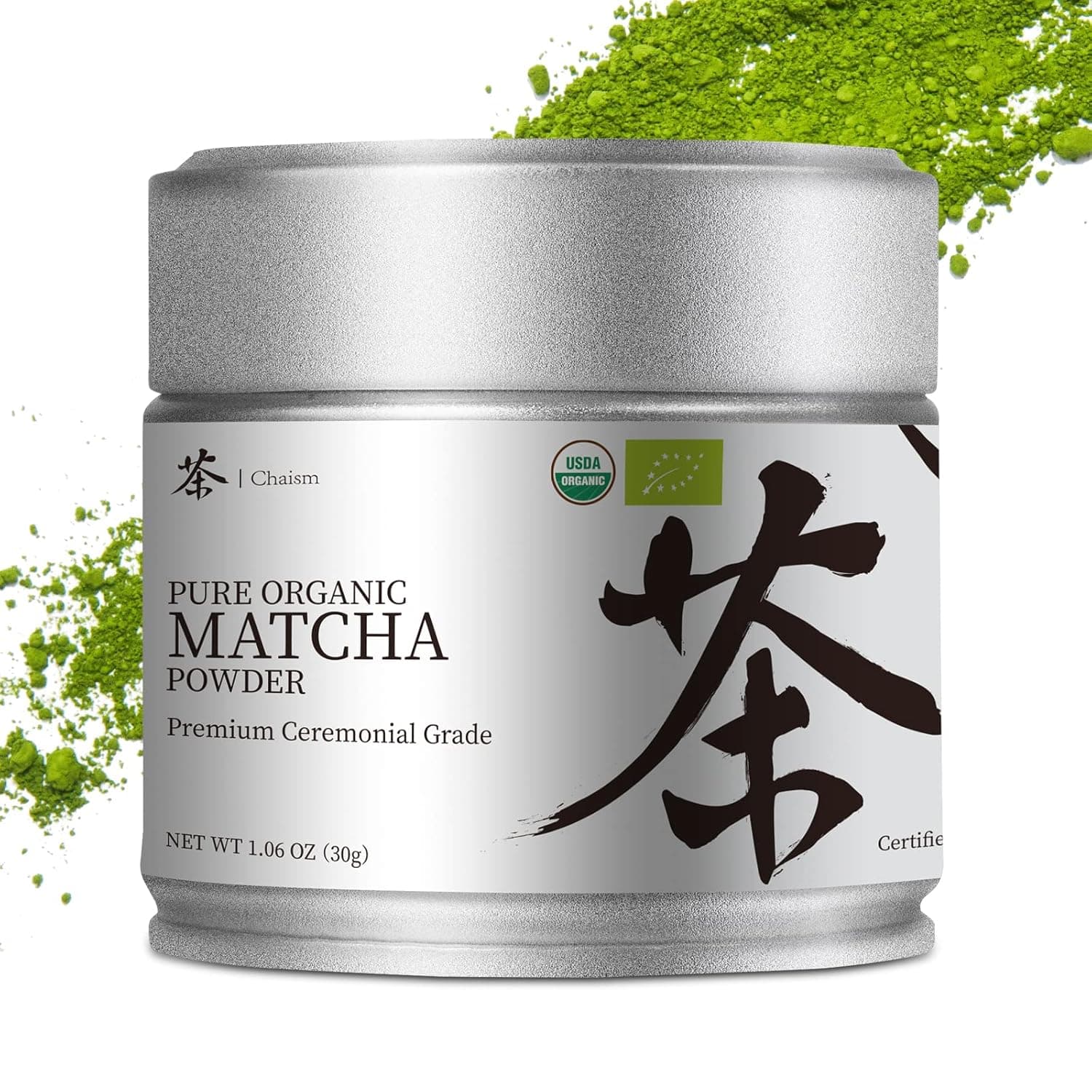
7Chaism Ceremonial Grade Matcha Green Tea Powder4.5/5$18.99Chaism has quickly become an Amazon favorite for its combination of genuine first-harvest ceremonial quality at a pri...
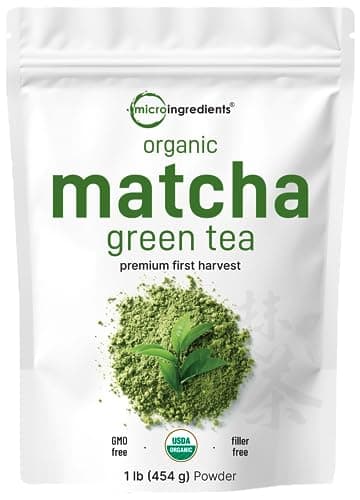
8Micro Ingredients Organic Matcha Green Tea Powder (1 lb)4.4/5$23.95If you go through matcha quickly, whether for daily lattes, smoothies, baking, or all of the above, the Micro Ingredi...
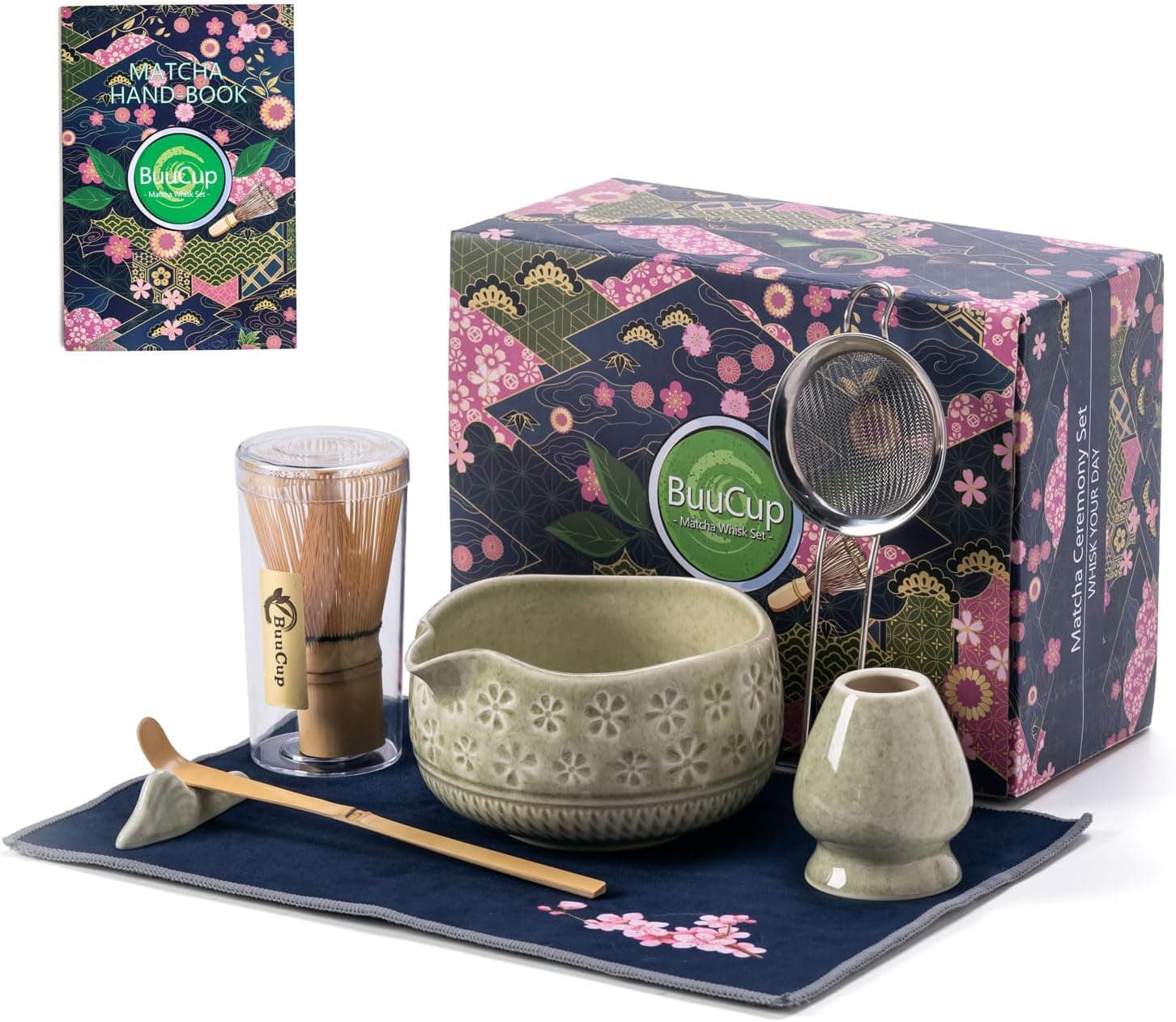
9Buucup Matcha Whisk Set (7-Piece Ceramic Kit)4.6/5$25.99The Buucup 7-piece set stands out for its attention to visual presentation, with a beautifully speckled mottled-green...
10Naoki Matcha Electric Matcha Whisk and Milk Frother4.4/5$19.95For matcha drinkers who want cafe-quality results without mastering bamboo whisk technique, the Naoki Electric Whisk ...

FULL RANKINGS

TOP PICK
#1WiseBuy #1 Pick
Jade Leaf Matcha Organic Ceremonial Matcha and Traditional Starter Set - image 11/5

Jade Leaf Matcha Organic Ceremonial Matcha and Traditional Starter Set

4.7(5,200)
$39.95

The Jade Leaf Ceremonial Starter Set bundles everything a beginner needs: a 30g tin of USDA-certified organic ceremonial-grade matcha with a handcrafted bamboo chasen whisk, a bamboo chashaku scoop, and a stainless steel sifter. In our preparation tests, the sifter eliminated every last clump and the 80-prong whisk produced a consistently thick, frothy crema within 15 seconds of whisking. The matcha itself is sourced from first-harvest leaves in Uji and Kagoshima, delivering a naturally sweet, umami-forward flavor with zero bitterness. If you want one purchase that gets you brewing authentic matcha immediately, this is the set to buy.

Pros

  • Complete kit with ceremonial-grade matcha, bamboo whisk, scoop, and sifter in one box
  • USDA organic, first-harvest matcha from Uji and Kagoshima with a naturally sweet flavor
  • Included handbook walks beginners through proper whisking technique step by step
  • Stainless steel sifter produces clump-free matcha every single time

Cons

  • 30g tin provides only about 15 servings, so frequent drinkers will need to reorder powder quickly
  • No matcha bowl included, so you still need your own wide-mouth bowl for traditional preparation
  • Bamboo whisk requires careful hand-washing and air-drying to maintain its shape over time
RUNNER UP
#2
Naoki Matcha Organic Ceremonial First Spring Blend - image 11/5

Naoki Matcha Organic Ceremonial First Spring Blend

4.5(4,800)
$29.95

Naoki's First Spring Blend is harvested from shade-grown tea plants in the volcanic highlands of Kagoshima's Kirishima region, and you can taste the terroir in every sip. The powder grinds to an impossibly fine texture that dissolves almost completely even with a simple shake in a bottle, and the flavor profile leans into a rich, grassy sweetness with a clean finish. We found this matcha holds its vibrant green color longer than many competitors after whisking, a reliable indicator of high chlorophyll content from proper shading. Small-batch shipping ensures freshness, and each tin arrives with at least six months of shelf life remaining.

Pros

  • Exceptionally fine grind dissolves smoothly even without a traditional bamboo whisk
  • First-harvest shade-grown leaves from Kagoshima produce rich umami and natural sweetness
  • Ships in small batches to guarantee freshness with 6-9 months of shelf life remaining
  • USDA and JAS organic certified with no additives or fillers

Cons

  • 40g pouch offers limited quantity for daily matcha drinkers
  • Slightly grassier flavor profile may not suit those who prefer a milder, sweeter matcha
  • No preparation tools included, so beginners will need to purchase accessories separately
BEST VALUE
#3
Ippodo Tea Kan Matcha - image 11/5

Ippodo Tea Kan Matcha

4.6(1,200)
$19.50

Ippodo has been blending tea in Kyoto since 1717, and their Kan matcha is the most accessible entry point into a brand that serious tea enthusiasts revere. The flavor is medium-bodied with a pleasant roundness, balancing umami sweetness against a soft astringency that works equally well whisked thin as usucha or steamed into a latte. At under $20 for 30g of authentically Kyoto-blended matcha, this is an exceptional value for the quality you receive. Every step from growing to grinding to packaging happens entirely in Japan, which is increasingly rare at this price point.

Pros

  • Three centuries of Kyoto tea-blending expertise in every tin
  • Balanced, medium-bodied flavor profile that works for both traditional whisking and lattes
  • Entirely grown, processed, blended, and packaged in Japan
  • Under $20 makes it the best value authentic Japanese ceremonial matcha available

Cons

  • 30g tin is small and will only yield about 15 traditional servings
  • Less widely known than mass-market brands, so restocking can occasionally involve wait times
  • Flavor is intentionally subtle, which may underwhelm those who prefer a bold, intensely grassy matcha
#4
Encha Ceremonial Grade Matcha Powder - image 11/5

Encha Ceremonial Grade Matcha Powder

4.5(7,500)
$29.95

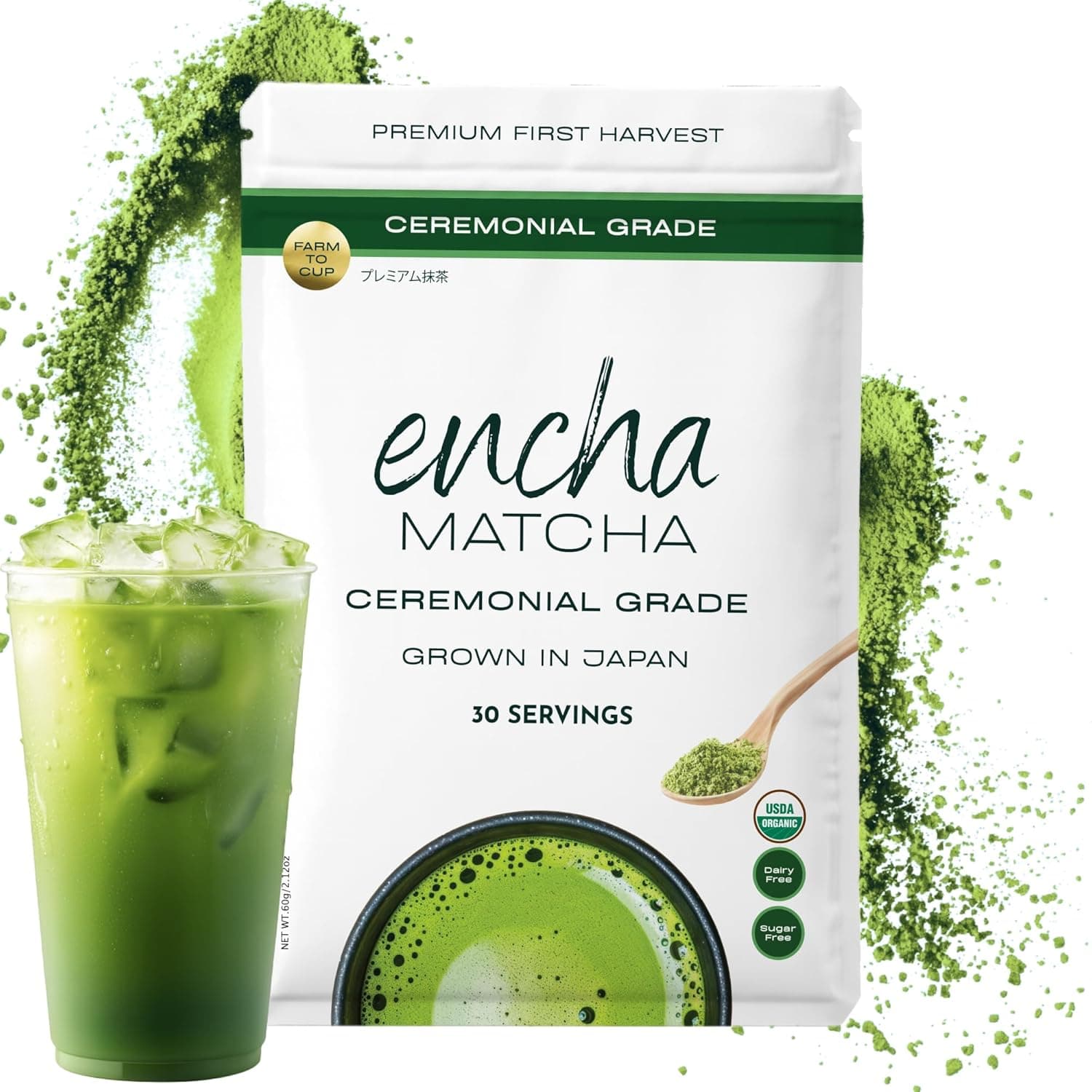
Encha sources exclusively from first-harvest, shade-grown tea farms in Uji, Japan and maintains a direct relationship with their single-origin farm, which gives this matcha a remarkably consistent flavor profile batch after batch. The taste is clean and vegetal with a creamy mouthfeel that makes it one of the smoothest ceremonial matchas we have tried straight with water. The 60g pouch offers genuine value at roughly half the per-gram cost of many competitors at the same quality tier. If you are looking for a reliable daily-drinking ceremonial matcha without overpaying, Encha delivers.

Pros

  • Single-origin, first-harvest matcha from Uji ensures consistent quality across batches
  • 60g pouch at $30 offers excellent per-gram value for true ceremonial grade
  • Smooth, creamy mouthfeel with minimal bitterness even when whisked with water alone
  • USDA organic certified with transparent farm sourcing information

Cons

  • Resealable pouch is less airtight than a metal tin for long-term freshness storage
  • Only available in one size, with no smaller trial option for first-time buyers
  • Subtle flavor profile can get lost in milk-heavy latte preparations
#5
Artcome Traditional Japanese Matcha Tea Set (9-Piece) - image 11/5

Artcome Traditional Japanese Matcha Tea Set (9-Piece)

4.5(3,800)
$27.99

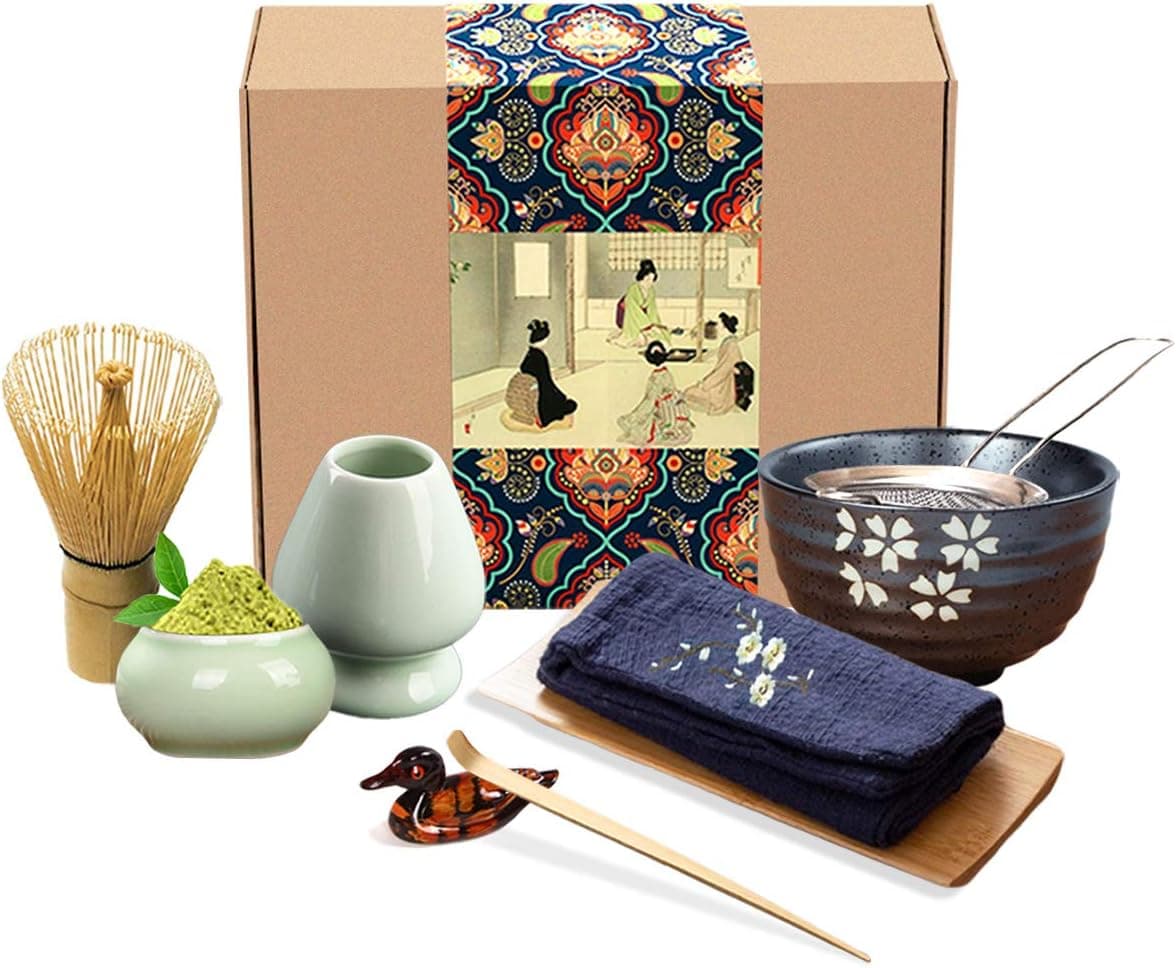
The Artcome 9-piece set is the most complete ceremony kit on this list, including a ceramic matcha bowl (chawan), bamboo whisk (chasen), whisk holder (naoshi), bamboo scoop, tea caddy, and more. The handcrafted bamboo whisk has 80 fine tines that create an impressively thick froth, and the ceramic bowl has a wide, shallow profile that makes whisking ergonomically comfortable. Every piece is made from natural bamboo and food-safe ceramic without harmful chemicals or coatings. For anyone who wants the full Japanese tea ceremony experience at home without sourcing each piece individually, this is the most convenient option.

Pros

  • Nine pieces cover every tool needed for a complete Japanese tea ceremony at home
  • Handcrafted 80-prong bamboo chasen whisk produces a rich, thick crema consistently
  • Wide ceramic chawan bowl is comfortable to hold and designed for proper whisking technique
  • Includes a chasen holder to maintain whisk shape between uses, extending its lifespan

Cons

  • No matcha powder included, so you still need to purchase your own separately
  • Ceramic bowl is heavier than expected at roughly 12 ounces, which may not suit everyone
  • Bamboo scoop measurements are approximate, so beginners may need practice dialing in serving size
#6
Pique Organic Sun Goddess Matcha Single Serve Sticks - image 11/5

Pique Organic Sun Goddess Matcha Single Serve Sticks

4.3(6,100)
$38.00

Pique's single-serve matcha sticks solve the biggest barrier to daily matcha consumption: the preparation time. Each stick contains pre-measured ceremonial-grade matcha that dissolves in seconds with just a quick stir in hot or cold water, no whisk or sifter required. The matcha is quadruple toxin-screened for heavy metals and pesticides, which provides a level of third-party testing transparency that most competitors do not match. While purists may prefer traditional whisking, the convenience of tossing a stick in your bag for travel or office use is genuinely hard to beat for busy daily drinkers.

Pros

  • Pre-measured single-serve sticks dissolve instantly with no whisk, sifter, or bowl required
  • Quadruple toxin-screened for heavy metals, pesticides, and mold for peace of mind
  • 28 sticks per box makes this a full month of daily matcha at a predictable cost
  • Works in both hot and cold water, ideal for iced matcha on the go

Cons

  • At roughly $1.35 per serving, it is significantly more expensive than scooping from a tin
  • Flavor lacks the nuanced depth of freshly whisked loose ceremonial matcha
  • Individual foil packets create more packaging waste than a single tin or pouch
  • Smaller serving size per stick compared to a traditional 2g matcha serving
#7
Chaism Ceremonial Grade Matcha Green Tea Powder - image 11/5

Chaism Ceremonial Grade Matcha Green Tea Powder

4.5(1,900)
$18.99

Chaism has quickly become an Amazon favorite for its combination of genuine first-harvest ceremonial quality at a price that undercuts most competitors by 30 to 40 percent. The 1.06oz tin delivers a smooth, full-bodied matcha with noticeable umami and minimal bitterness that performs well both in a traditional bowl and blended into lattes or protein shakes. At under $19, it is one of the most affordable ways to try authentic Japanese ceremonial matcha without committing to a larger, more expensive tin. The metal tin keeps the powder fresh and light-protected far better than resealable pouches.

Pros

  • Genuine first-harvest ceremonial grade at one of the lowest price points available
  • Smooth umami flavor with minimal bitterness, versatile enough for lattes and traditional whisking
  • USDA organic certified, vegan, gluten-free, with zero additives or sweeteners
  • Metal tin protects powder from light and moisture better than pouch packaging

Cons

  • 1.06oz tin is quite small and will only last about two weeks of daily use
  • Relatively newer brand with less established reputation compared to legacy Japanese tea houses
  • Color is slightly less vibrant emerald green compared to premium options like Naoki and Encha
#8
Micro Ingredients Organic Matcha Green Tea Powder (1 lb) - image 11/5

Micro Ingredients Organic Matcha Green Tea Powder (1 lb)

4.4(9,200)
$23.95

If you go through matcha quickly, whether for daily lattes, smoothies, baking, or all of the above, the Micro Ingredients 1-pound bag is the most cost-effective way to keep your supply stocked. At roughly $1.50 per ounce, it costs a fraction of what ceremonial tins charge per gram, and the first-harvest culinary-grade powder still produces a pleasant, mildly sweet green tea flavor that blends beautifully into milk-based drinks. The resealable eco-friendly bag is made from recyclable materials, and the powder's fine grind mixes smoothly into batters and smoothies without clumping. This is not the matcha for a quiet solo ceremony, but it is the best bulk option for everyday consumption.

Pros

  • One full pound of organic matcha at under $24 is unbeatable value for daily drinkers
  • First-harvest culinary grade blends smoothly into lattes, smoothies, and baked goods
  • Eco-friendly recyclable packaging aligns with sustainability-minded buyers
  • Over 9,000 Amazon reviews with strong ratings confirm consistent quality at scale

Cons

  • Culinary grade, not ceremonial, so it tastes noticeably more bitter when whisked with water alone
  • Large bag size makes it harder to maintain freshness over several months of use
  • Flavor is not refined enough for traditional Japanese tea ceremony preparation
  • Resealable bag is less airtight than tin packaging for long-term storage
#9
Buucup Matcha Whisk Set (7-Piece Ceramic Kit) - image 11/5

Buucup Matcha Whisk Set (7-Piece Ceramic Kit)

4.6(2,400)
$25.99

The Buucup 7-piece set stands out for its attention to visual presentation, with a beautifully speckled mottled-green ceramic bowl and matching whisk holder that look genuinely elegant on a kitchen counter or matcha station. The bamboo chasen whisk has approximately 76 fine tines that create a smooth, frothy texture quickly, and the included stainless steel sifter and cherry blossom tea towel add thoughtful touches that elevate the daily ritual. The 18oz ceramic bowl is larger than most matcha bowls, which gives your whisk more room to work and reduces splashing. As a gift or a self-purchase for someone building a matcha station, this set delivers excellent presentation value.

Pros

  • Beautiful mottled-green ceramic bowl and matching holder make an attractive countertop display
  • 76-tine handcrafted bamboo whisk creates smooth, clump-free froth efficiently
  • Generous 18oz bowl gives plenty of room for vigorous whisking without spilling
  • Includes sifter, scoop rest, and cherry blossom tea towel for a complete experience

Cons

  • No matcha powder included, which adds to the total startup cost
  • Ceramic bowl is heavier than traditional Japanese chawan bowls and may not appeal to purists
  • Color and pattern options are limited to mottled green and a few alternatives
#10
Naoki Matcha Electric Matcha Whisk and Milk Frother - image 11/5

Naoki Matcha Electric Matcha Whisk and Milk Frother

4.4(1,800)
$19.95

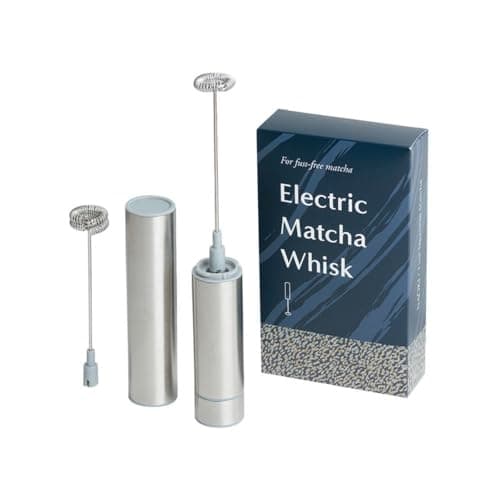
For matcha drinkers who want cafe-quality results without mastering bamboo whisk technique, the Naoki Electric Whisk is a practical modern alternative. It comes with both a single and double frother head, letting you switch between a smooth matcha blend and a thick, foamy milk froth for lattes. The motor is powerful enough to fully dissolve matcha powder in under 10 seconds, which is faster and more consistent than most handheld frothers we tested. Battery-powered and compact, it travels easily and cleans up in seconds under running water. It will not replace the meditative ritual of traditional whisking, but for speed and convenience on busy mornings, it is excellent.

Pros

  • Dual whisk heads included for both smooth matcha blending and voluminous milk frothing
  • Dissolves matcha powder completely in under 10 seconds with no clumps
  • Compact and battery-powered for easy travel and office use
  • Made by Naoki, a respected matcha brand that understands matcha preparation needs

Cons

  • Requires 3 AAA batteries, which adds ongoing cost compared to rechargeable alternatives
  • Cannot replicate the fine microfoam crema that a bamboo chasen produces
  • Plastic body feels less premium than stainless steel competitors at a similar price
  • Not suitable for thick koicha-style matcha preparation

WHAT TO LOOK FOR

Matcha Grade: Ceremonial vs. Culinary

Ceremonial-grade matcha is made from the youngest, most tender first-harvest tea leaves that are shade-grown for 20-30 days before picking, resulting in a sweeter, smoother powder with a vibrant emerald-green color. Culinary-grade matcha uses later harvests with a more robust, slightly bitter flavor that holds up well in lattes, smoothies, and baked goods. If you plan to drink your matcha whisked with water in the traditional style, invest in ceremonial grade. If it is going into a blender with milk and sweetener every morning, culinary grade saves money without a meaningful quality loss in the final drink.

Origin and Sourcing

Authentic Japanese matcha from regions like Uji (Kyoto), Kagoshima, and Nishio commands higher prices but delivers noticeably superior flavor and color compared to Chinese-grown alternatives marketed as matcha. Look for brands that specify the exact prefecture or farm of origin, as vague labels like 'Japanese-style' or 'matcha blend' often indicate lower-quality powder or powder mixed with other green tea varieties. Brands with JAS (Japan Agricultural Standards) certification in addition to USDA Organic provide the strongest guarantee of authentic Japanese origin.

Freshness and Packaging

Matcha oxidizes quickly when exposed to light, heat, and air, losing its vibrant color and developing a stale, hay-like taste within weeks of opening. Metal tins with tight-fitting lids offer the best protection, followed by foil-lined resealable pouches. Avoid clear packaging entirely. Once opened, store your matcha in the refrigerator and aim to finish it within four to six weeks for optimal flavor. Smaller tins of 30-40g are actually preferable for infrequent drinkers because you finish the powder before it degrades.

Kit vs. Powder Only

If you are new to matcha, a starter kit that includes a bamboo whisk (chasen), scoop (chashaku), and sifter eliminates the guesswork of sourcing compatible accessories. The bamboo whisk is genuinely essential for traditional preparation because it aerates the tea in a way that forks, spoons, and even electric frothers cannot perfectly replicate. However, if you already own tools or prefer making matcha lattes with an electric frother, purchasing a premium powder on its own gives you more budget to allocate toward higher-grade matcha.

Serving Format

Loose matcha powder in tins or pouches offers the best per-serving value and allows you to control serving size precisely. Single-serve stick packets are significantly more expensive per gram but deliver unmatched convenience for travel, office use, or anyone who finds the traditional preparation process too time-consuming for a daily habit. Consider your primary use case: if matcha is a weekend ritual, invest in a tin and proper tools. If it replaces your daily coffee on a commute, single-serve sticks may justify their premium.

Budget Considerations

Quality matcha ranges from $0.50 per gram for premium ceremonial grade down to $0.04 per gram for bulk culinary powder, and the taste difference is dramatic. For daily drinking, spending $25-35 on a 30-60g ceremonial tin strikes the best balance between quality and sustainability. Bulk culinary bags in the 100g-1lb range make sense only for latte and baking use. Avoid the cheapest matcha powders under $10 for any size, as they are almost always oxidized, improperly processed, or blended with lower-grade green tea.

HOW WE CHOSE

Our matcha rankings are based on blind taste testing of each powder prepared three ways (traditional usucha, iced water, and oat milk latte), analysis of thousands of verified customer reviews across Amazon and specialty tea retailers, and evaluation of sourcing transparency, organic certifications, and freshness practices. For kits and accessories, we assessed build quality, ergonomics, whisk performance, and completeness of included tools over several weeks of daily use. We prioritized products with verifiable Japanese origin, USDA or JAS organic certification, and transparent harvest information. Products are ranked using a weighted formula combining flavor quality, value for price, sourcing integrity, packaging, and overall user experience.

FREQUENTLY ASKED QUESTIONS

What is the difference between ceremonial and culinary grade matcha?

Ceremonial grade is made from the first spring harvest of shade-grown tea leaves, producing a sweeter, smoother powder meant to be enjoyed whisked with water. Culinary grade uses later harvests with a stronger, more astringent flavor designed to hold up in lattes, smoothies, and baking where it is mixed with other ingredients.

Do I need a bamboo whisk to make matcha, or can I use an electric frother?

A bamboo chasen whisk produces the best traditional crema and texture, but an electric frother works well for lattes and casual daily preparation. If you drink matcha primarily in milk-based drinks, an electric frother is perfectly adequate. For traditional thin tea (usucha), a bamboo whisk is strongly recommended.

How should I store matcha to keep it fresh?

Store opened matcha in an airtight container in the refrigerator, away from light and moisture. Finish it within four to six weeks of opening for the best flavor and color. Unopened tins can be kept in a cool, dark pantry for several months but should not be frozen as condensation during thawing degrades the powder.

How much caffeine is in a serving of matcha?

A standard 2g serving of matcha contains roughly 60-70mg of caffeine, comparable to a small cup of coffee. However, matcha also contains L-theanine, an amino acid that promotes calm focus and slows the release of caffeine, resulting in sustained energy without the jitters or crash associated with coffee.

Why is matcha so much more expensive than regular green tea?

Matcha requires shade-growing the tea plants for weeks before harvest, hand-picking only the youngest leaves, removing all stems and veins, and slowly stone-grinding the leaves into a fine powder. This labor-intensive process yields a small amount of powder from a large volume of leaves, which is why quality matcha costs $20-50 per ounce compared to pennies per bag for conventional green tea.

Can I use matcha powder for baking and cooking?

Yes, but use culinary-grade matcha for baking rather than ceremonial grade. Culinary matcha has a stronger flavor that stands up to sugar, butter, and heat, while ceremonial matcha's delicate nuances are lost in baked goods. Common uses include matcha cookies, cakes, ice cream, energy balls, and overnight oats.

S
StockSpatial
Sell your spatial footage and earn up to 70% per sale. The world's first spatial video marketplace.
Start Selling →