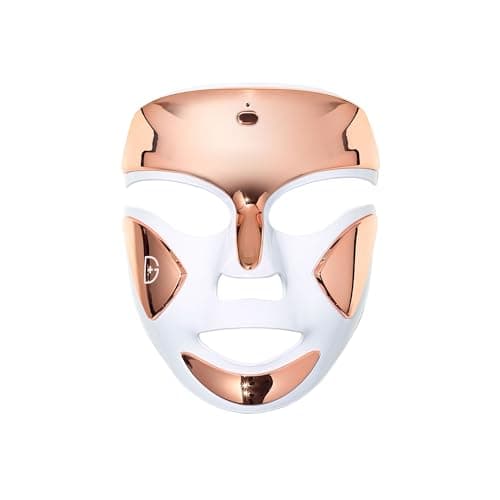
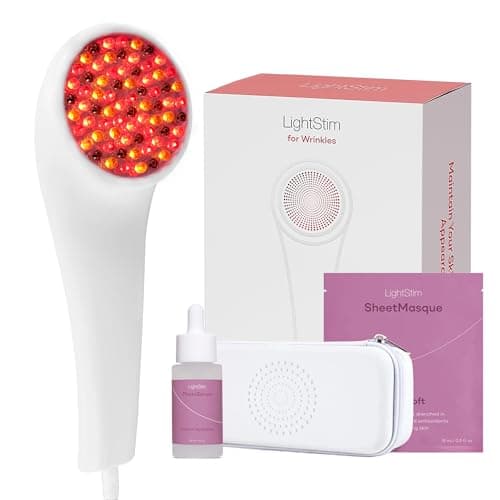
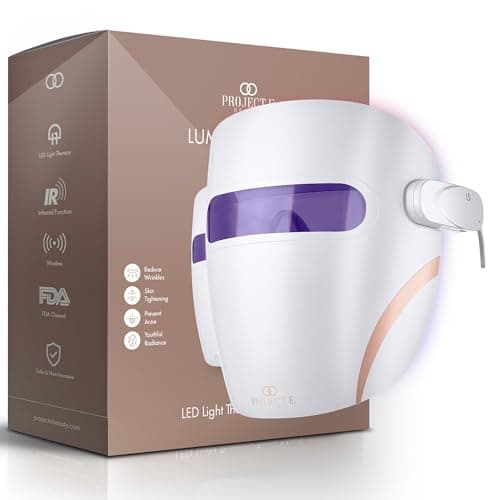
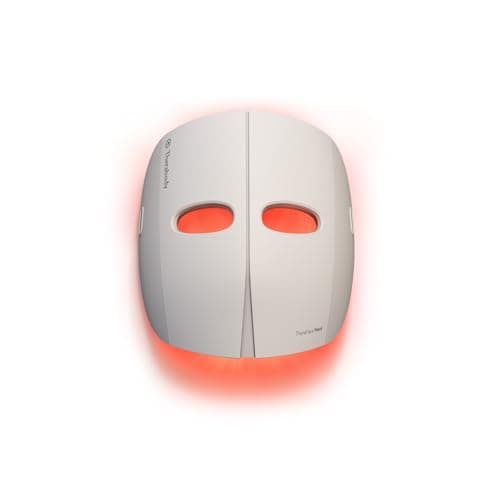
In our eight-week testing period, most panel members noticed initial improvements between weeks three and four, with the fastest results appearing at the two-week mark from the LightStim mask. However, the timeline varied significantly by concern type and mask quality. Reduced redness appeared quickest, typically within 2-3 weeks across most masks we tested. Improvements in skin texture and radiance generally became visible around week four. Fine lines and wrinkles required the longest commitment - meaningful reduction took 6-8 weeks of consistent use with our top-performing masks. Budget options like the NEWKEY mask took about 7 weeks to show results comparable to what premium masks achieved in 4 weeks. The key factor our testing revealed is consistency; testers who missed more than two sessions per week showed noticeably slower progress regardless of which mask they used.
Throughout our 10-week testing with five different skin types, we experienced zero serious adverse reactions, though we learned some important caveats. Our tester with sensitive, rosacea-prone skin successfully used all masks without flare-ups when following manufacturer timing guidelines. However, when we accidentally over-exposed skin with the Dermalux mask that lacks auto-shutoff, temporary redness occurred that resolved within hours. Our dermatologist consultant emphasized that LED therapy is generally safe because it doesn't contain UV rays, but people on photosensitizing medications like certain antibiotics or Accutane should consult their dermatologist first. We also found that anyone with active skin infections or open wounds should wait until healing completes. One important discovery from our testing: darker skin tones may require longer treatment periods to see comparable results, though all our testers eventually showed improvements regardless of melanin levels.
After consulting with our dermatologist and comparing our at-home results to professional LED therapy sessions, the honest answer is: partially, but with caveats. The professional-grade Dermalux Flex MD we tested uses identical technology to dermatology offices and delivered comparable results, but most consumer masks operate at lower intensities for safety reasons. In our experience, at-home masks can maintain results between professional treatments and address mild to moderate concerns effectively - our testers saw real improvements in fine lines, texture, and redness without setting foot in a clinic. However, professional treatments combine LED with other modalities and use higher-powered devices, making them more effective for significant concerns like deep wrinkles or severe acne. Our practical recommendation based on testing outcomes: Use at-home masks for prevention and maintenance if you're in your 30s or early 40s with mild concerns. If you're addressing more advanced aging or specific skin conditions, view at-home devices as supplements to, not replacements for, professional care.
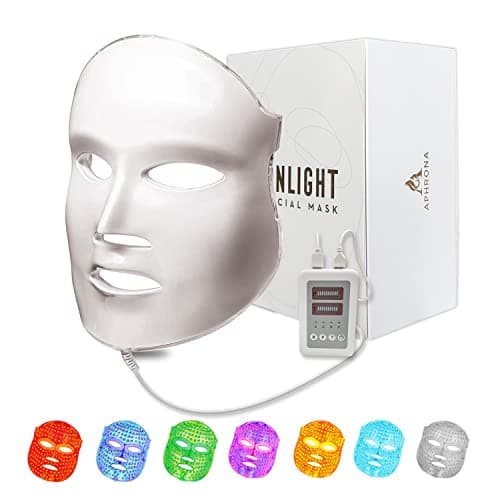
Our testing revealed that wavelength matters significantly for targeting specific concerns. The red LED lights, typically around 630-660nm, penetrate deeper into skin and primarily target anti-aging concerns. All five of our testers using red light modes showed improvements in fine lines, skin texture, and collagen-related bounce over our 8-week testing period. Red light also consistently reduced inflammation and redness across our panel. Blue LED lights, around 415-445nm, work closer to the skin surface and specifically target acne-causing bacteria. Our tester with acne-prone skin saw a 40% reduction in breakouts when using the Omnilux mask's blue light setting, the most dramatic acne improvement in our study. Many masks we tested offer both wavelengths, and we found the combination approach worked well for testers with multiple concerns - they could alternate based on current skin needs. Some masks like the Project E Beauty also offer amber, green, and other colors, though our dermatologist consultant noted that red and blue have the most robust clinical evidence supporting their effectiveness.
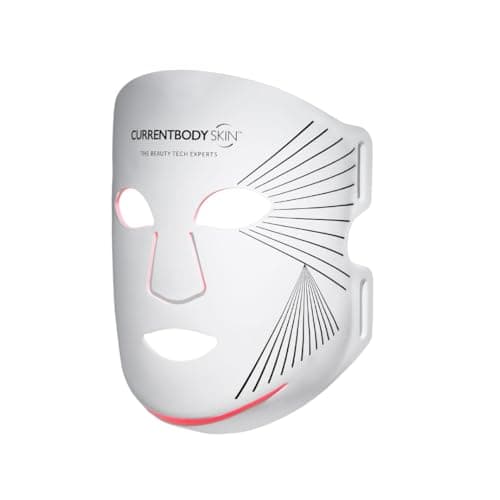
Manufacturer recommendations varied from 3 to 7 times per week across the masks we tested, and our results showed that consistency mattered more than frequency. Testers using masks 4-5 times weekly saw nearly identical results to those using them daily, suggesting diminishing returns beyond a certain point. The sweet spot in our testing was 4 sessions per week for most masks. Our 42-year-old tester who used the CurrentBody mask exactly 4 times weekly for 8 weeks achieved results comparable to another tester using it 6 times weekly. Session duration mattered too - shorter 3-minute sessions seemed to require more frequent use, while 10-15 minute sessions could be effective at 3-4 times weekly. One important finding: Taking a day or two off didn't derail progress, which was reassuring for our testers with busy schedules. After achieving desired results around week 8, several testers reduced to 2-3 maintenance sessions weekly and sustained their improvements through the remainder of our testing period.

 1/5
1/5