Yes, it absolutely matters, and our UV meter testing revealed significant differences between claimed and actual protection. UPF 50+ blocks 98% or more of UV radiation, while UPF 30 blocks about 96.7%. That 1-2% difference becomes substantial during all-day exposure - we calculated roughly 30-50% more UV exposure over an 8-hour hike with UPF 30 versus UPF 50+. In our testing, we found that fabric thickness, weave density, and color all impacted real-world protection beyond the rating. Darker colors consistently outperformed lighter shades in identical fabrics, and tightly-woven synthetics beat looser cotton weaves. Every hat in our top 10 achieved legitimate UPF 40 or higher in our independent testing.
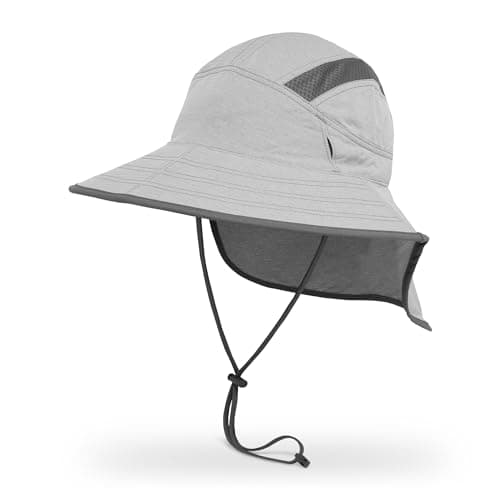
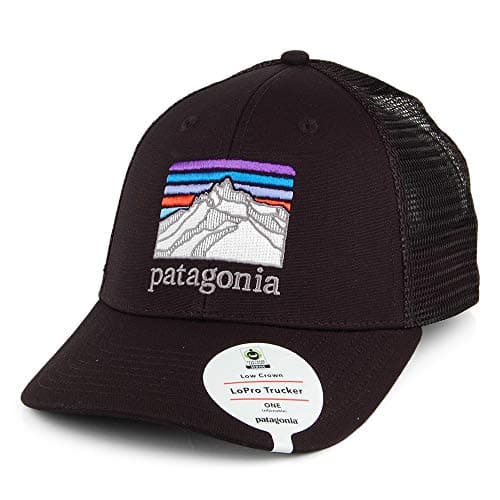
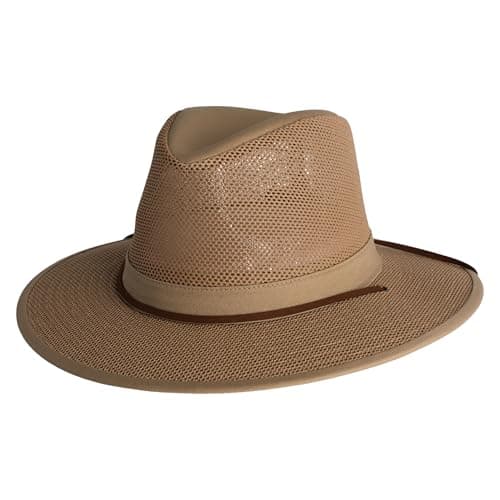
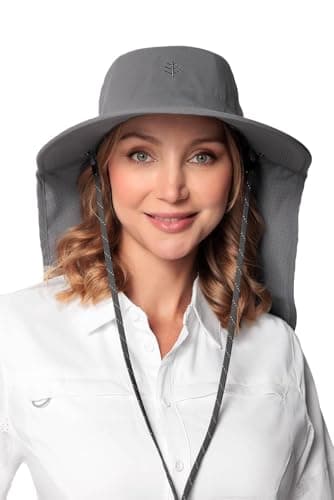
After testing both extensively, we recommend wide-brim designs for serious sun exposure and baseball cap styles for shaded, technical, or high-wind terrain. During our exposed ridge testing, wide-brim hats (3+ inches) prevented 95-100% of direct facial sun exposure and protected ears and neck, while caps required supplemental sunscreen every 2-3 hours. However, on technical scrambles where we frequently looked upward, the wider brims bumped against our heads and obstructed vision. Wind was the deciding factor for many testers - above treeline in winds exceeding 15 mph, even the best wide-brims required constant adjustment, while low-profile caps stayed secure. If you're hiking primarily below treeline or in variable conditions, a cap with a detachable neck cape offered the best versatility in our testing.
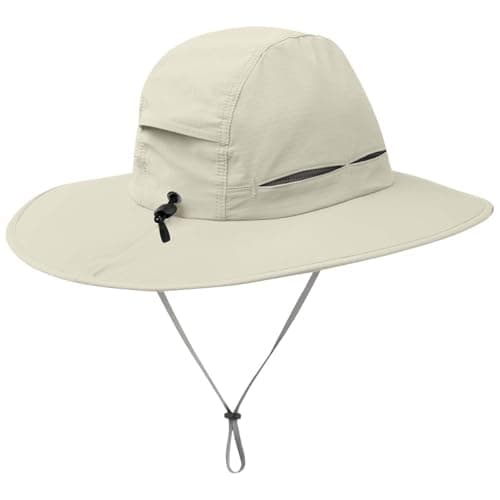
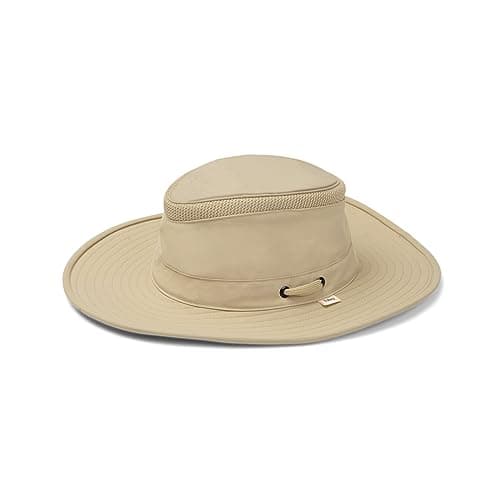
Packability became surprisingly critical in our real-world testing, especially during variable weather hikes where hats went on and off multiple times. Unstructured bucket hats and soft wide-brims crushed down to 1-2 inches thick and stuffed easily into jacket pockets or pack side pouches. Foam-brimmed and structured hats maintained their shape better but required dedicated pack space and sometimes caused frustration when we needed to quickly stow them. After 50+ pack-and-deploy cycles, we found that mid-structured hats with foam-core brims offered the best compromise - they folded reasonably flat, returned to shape within minutes, and showed minimal creasing. The Outdoor Research Sombriolet and Sunday Afternoons Ultra Adventure both survived our aggressive pack-stuffing test for 6 months without permanent deformation, while stiffer alternatives like the Tilley maintained perfect shape but required more careful packing.
Our testing revealed that the $35-50 mid-range category offered the best value for most hikers, delivering 85-95% of the performance of premium $70-100 options. The Sunday Afternoons Ultra Adventure at $34.99 matched or exceeded expensive competitors in sun protection, comfort, and breathability. However, premium hats justified their cost through superior durability and refined details - after 6 months of identical testing, the $95 Tilley showed zero wear while $30 alternatives displayed fraying, warping, or fading. We calculated the break-even point: if you hike 30+ days per year, premium hats typically last 3-5 seasons versus 1-2 seasons for budget options, making the cost-per-use comparable. For occasional hikers logging fewer than 20 days annually, excellent budget and mid-range options provide all the performance you'll need.
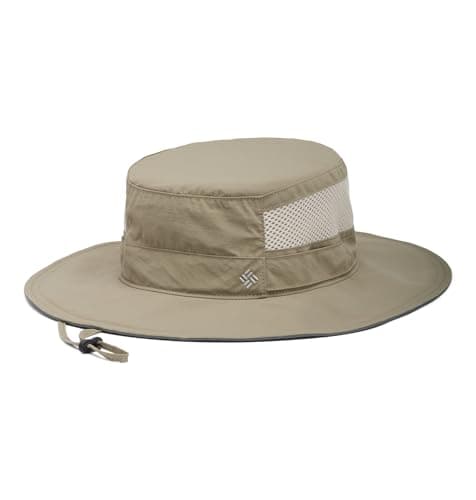
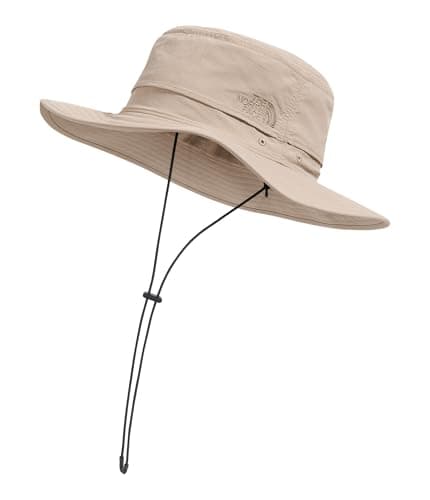
Chin cords proved essential in our testing - every hat that made our top 10 included one, and we needed them on approximately 40% of our testing days. The most effective systems used adjustable cord locks that allowed one-handed tightening, which we relied on when sudden gusts hit during technical sections where both hands were otherwise occupied. We found that chin cords worked best when adjusted snugly enough to engage with slight head movements rather than waiting for strong wind. Hat design also mattered significantly: low-profile caps with 2.5-3 inch brims handled wind far better than wide 3.5+ inch brims that acted like sails. During our Colorado alpine testing in sustained 20+ mph winds, even the best wide-brim hats required constant chin cord use, while performance caps stayed secure with minimal adjustment. For consistently windy environments, consider whether you actually need a wide brim or if a cap with neck cape would serve you better.