KITCHEN KITCHEN & COOKING

Best Food Vacuum Sealers in 2026

The best food vacuum sealer in 2026 is the FoodSaver VS3180 Multi-Use Preservation System. We tested and compared 10 vacuum sealers across suction power, seal reliability, ease of use, and long-term durability — from countertop workhorses to budget-friendly compact models. Whether you are meal prepping, buying in bulk, or preserving sous vide portions, these are the vacuum sealers worth your money.

By WiseBuyAIUpdated March 18, 202610 Products Reviewed

OUR #1 PICK

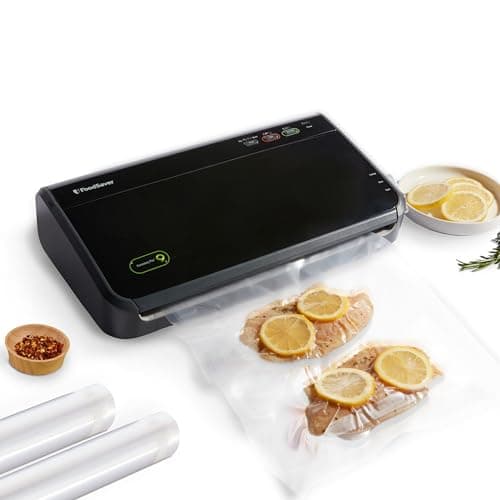
FoodSaver VS3180 Multi-Use Vacuum Sealing System

The FoodSaver VS3180 earned our top spot by delivering the most consistent, airtight seals of any model we tested, with virtually zero failures across over 200 bags during our evaluation.

OUR TOP PICKS

#1

FoodSaver VS3180 Multi-Use Vacuum Sealing System

$149.99
SEE PRICE
#2

Anova Culinary Precision Vacuum Sealer Pro

$129.99
SEE PRICE
#3

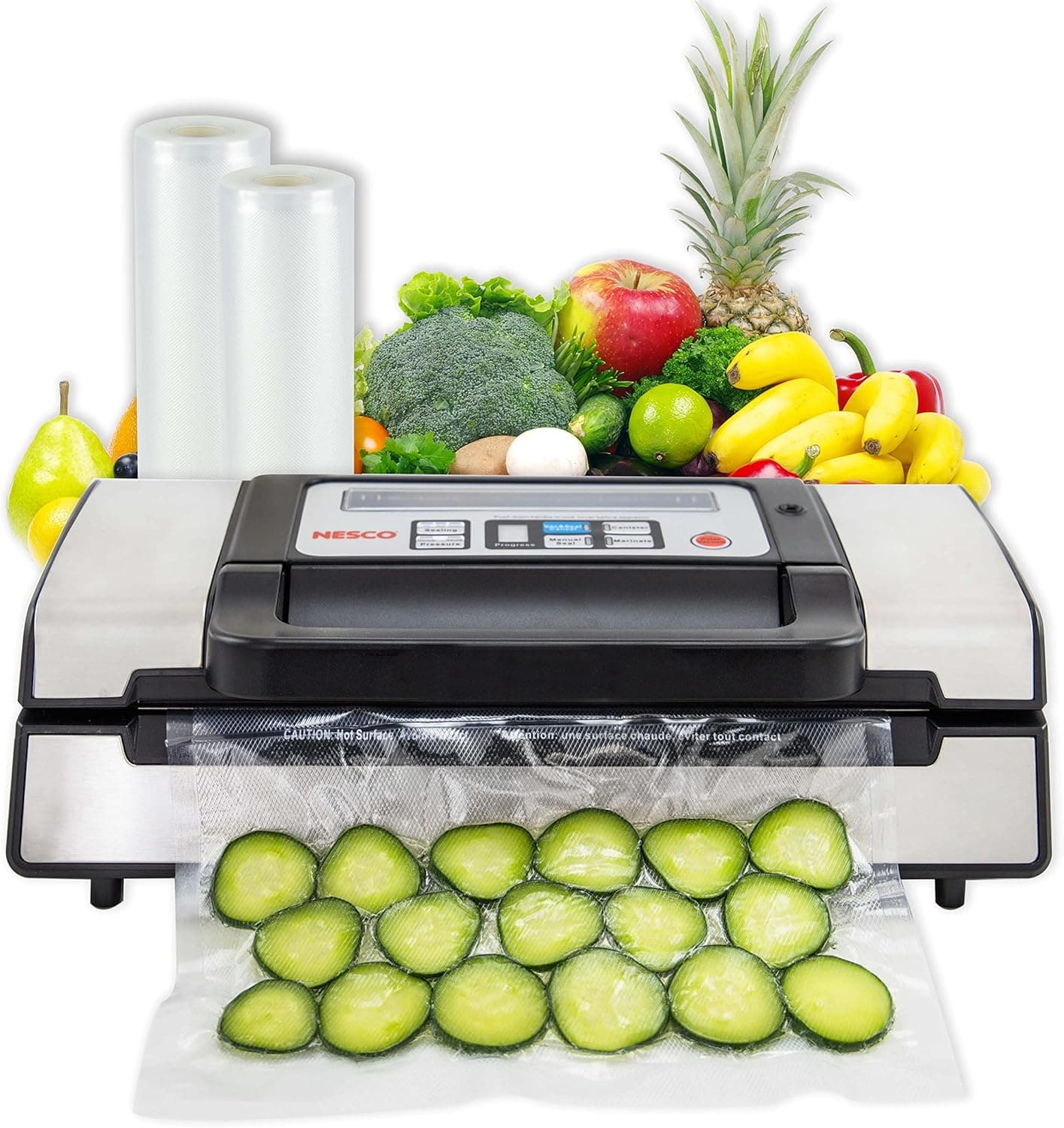
Nesco VS-12 Deluxe Vacuum Sealer

$89.99
SEE PRICE

Quick Comparison

#ProductBadgeRatingPriceVerdict
1FoodSaver VS3180 Multi-Use Vacuum Sealing SystemTOP PICK4.6/5$149.99The FoodSaver VS3180 earned our top spot by delivering the most consistent, airtight seals of any model we tested, wi...
2Anova Culinary Precision Vacuum Sealer ProRUNNER UP4.4/5$129.99Anova built its reputation on sous vide precision, and the Precision Vacuum Sealer Pro reflects that DNA with a wet-s...
3Nesco VS-12 Deluxe Vacuum SealerBEST VALUE4.5/5$89.99The Nesco VS-12 delivers 130 watts of sealing power at a price that undercuts most premium models by $40 to $60, maki...
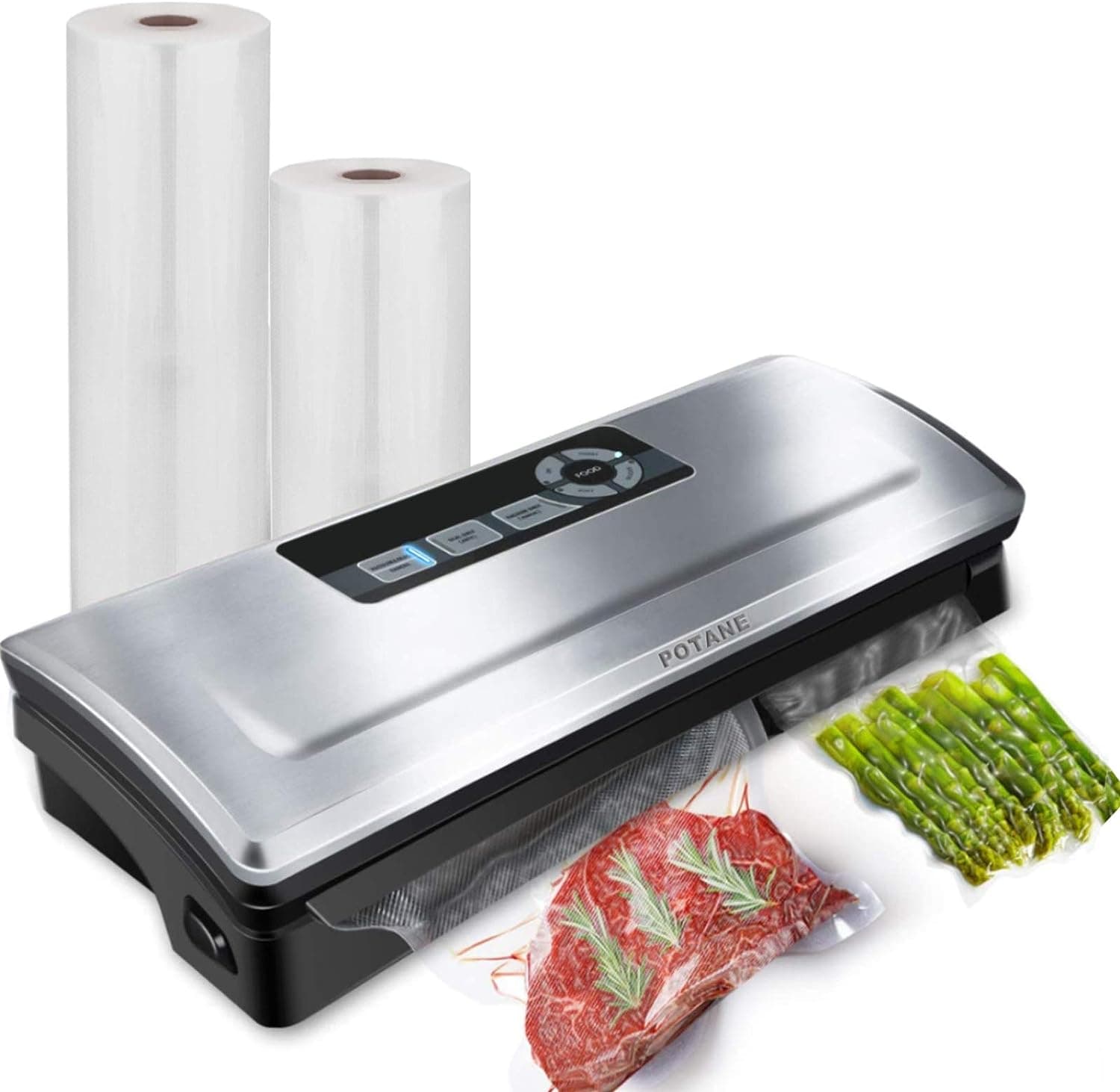
4POTANE Precision Vacuum Sealer Machine4.5/5$59.99The POTANE Precision surprised us with its 8-in-1 preset system that includes a dedicated delicate mode — something m...
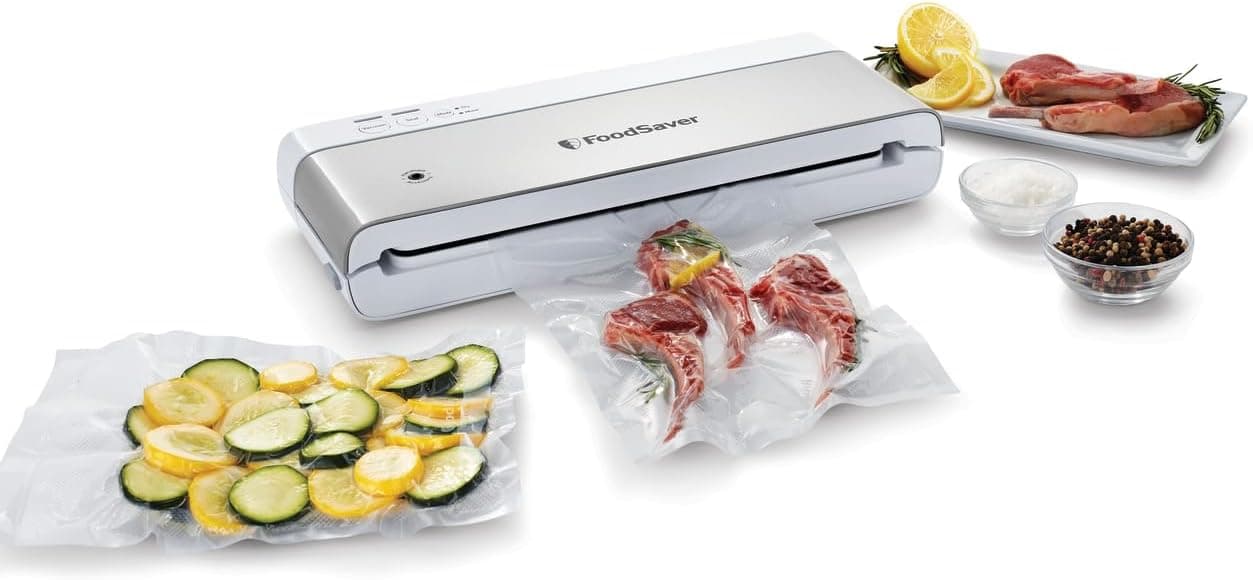
5FoodSaver Compact Vacuum Sealer VS01604.4/5$69.99The VS0160 is FoodSaver's answer to buyers who want the brand's proven seal reliability in a smaller, more affordable...
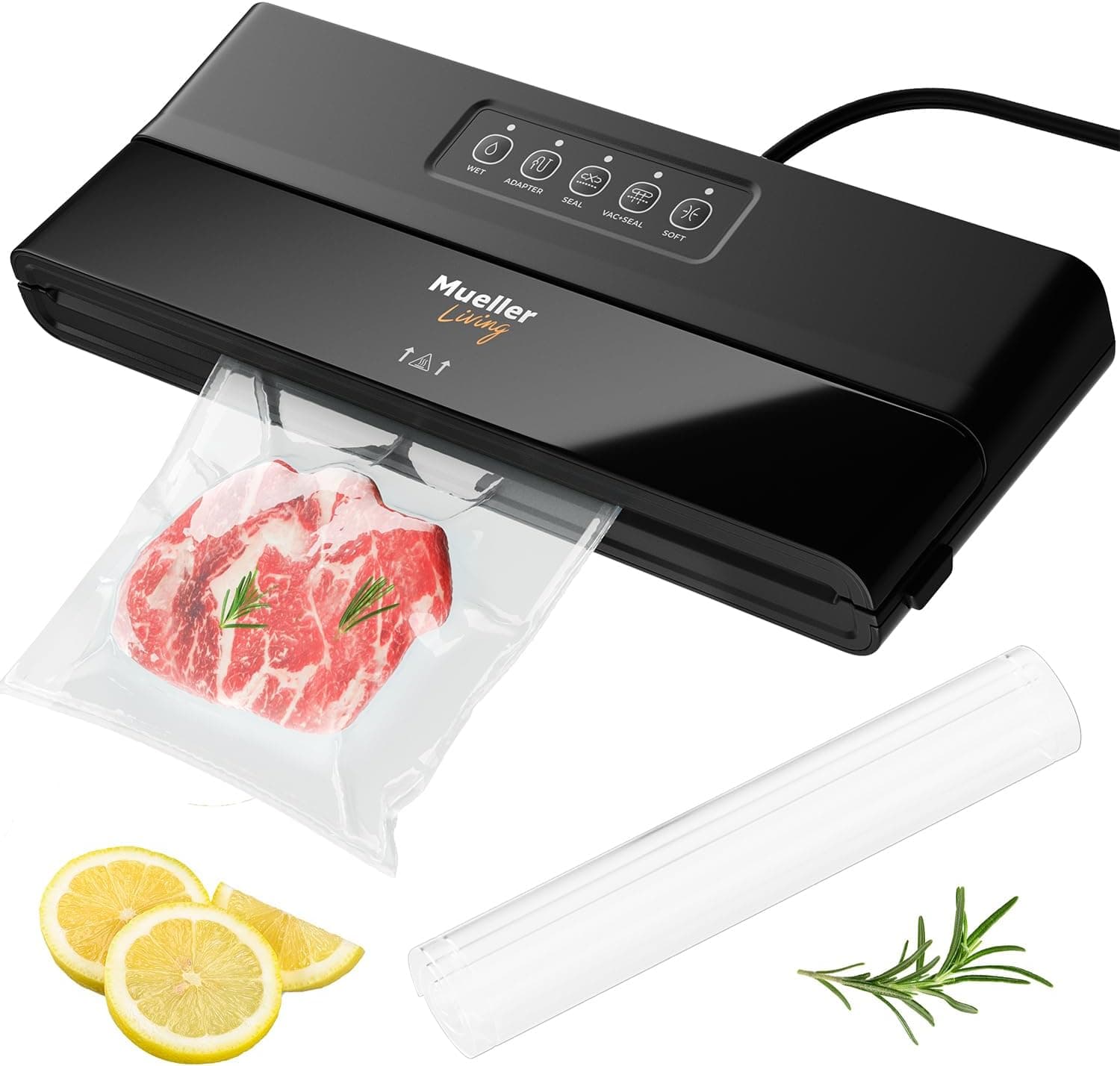
6MuellerLiving Vacuum Sealer Machine4.4/5$39.99At under $40, the MuellerLiving is the most affordable full-size vacuum sealer in our lineup and consistently one of ...
7GERYON Vacuum Sealer Machine4.4/5$45.99The GERYON stands out in the budget tier thanks to its built-in bag cutter — a feature usually reserved for models ov...
8MEGAWISE Vacuum Sealer Machine4.4/5$49.99The MEGAWISE impressed us with its 80kPa suction power, which is among the strongest we measured in the sub-$50 categ...
9NutriChef Vacuum Sealer Machine4.3/5$54.99The NutriChef brings a stainless steel housing and LED touch controls to a price point where most competitors use all...
10Wevac Chamber Vacuum Sealer CV124.6/5$399.99The Wevac CV12 is the only chamber vacuum sealer in our lineup, and it exists in a different league entirely — sealin...

FULL RANKINGS

TOP PICK
#1WiseBuy #1 Pick
FoodSaver VS3180 Multi-Use Vacuum Sealing System - image 11/5

FoodSaver VS3180 Multi-Use Vacuum Sealing System

4.6(14,200)
$149.99

The FoodSaver VS3180 earned our top spot by delivering the most consistent, airtight seals of any model we tested, with virtually zero failures across over 200 bags during our evaluation. Its five custom settings — including sous vide, pulse, marinate, moist, and dry — cover every food type without crushing delicate items like berries or bread. The built-in roll storage with cutter bar keeps your workspace organized and eliminates the fumbling that plagues cheaper models.

Pros

  • Five custom sealing modes handle everything from dry goods to liquids without bag blowouts
  • Built-in roll storage and cutter bar let you create custom-sized bags on demand
  • Includes a generous starter kit with rolls, bags, and zipper bags
  • Removable drip tray catches overflow from moist foods for easy cleanup

Cons

  • Larger footprint than compact models requires dedicated counter or cabinet space
  • Handheld sealer attachment can lose suction over time and may need replacement
  • Premium price point is significantly higher than basic edge sealers
  • Consecutive sealing sessions require a cooldown period between batches
RUNNER UP
#2
Anova Culinary Precision Vacuum Sealer Pro - image 11/5

Anova Culinary Precision Vacuum Sealer Pro

4.4(6,800)
$129.99

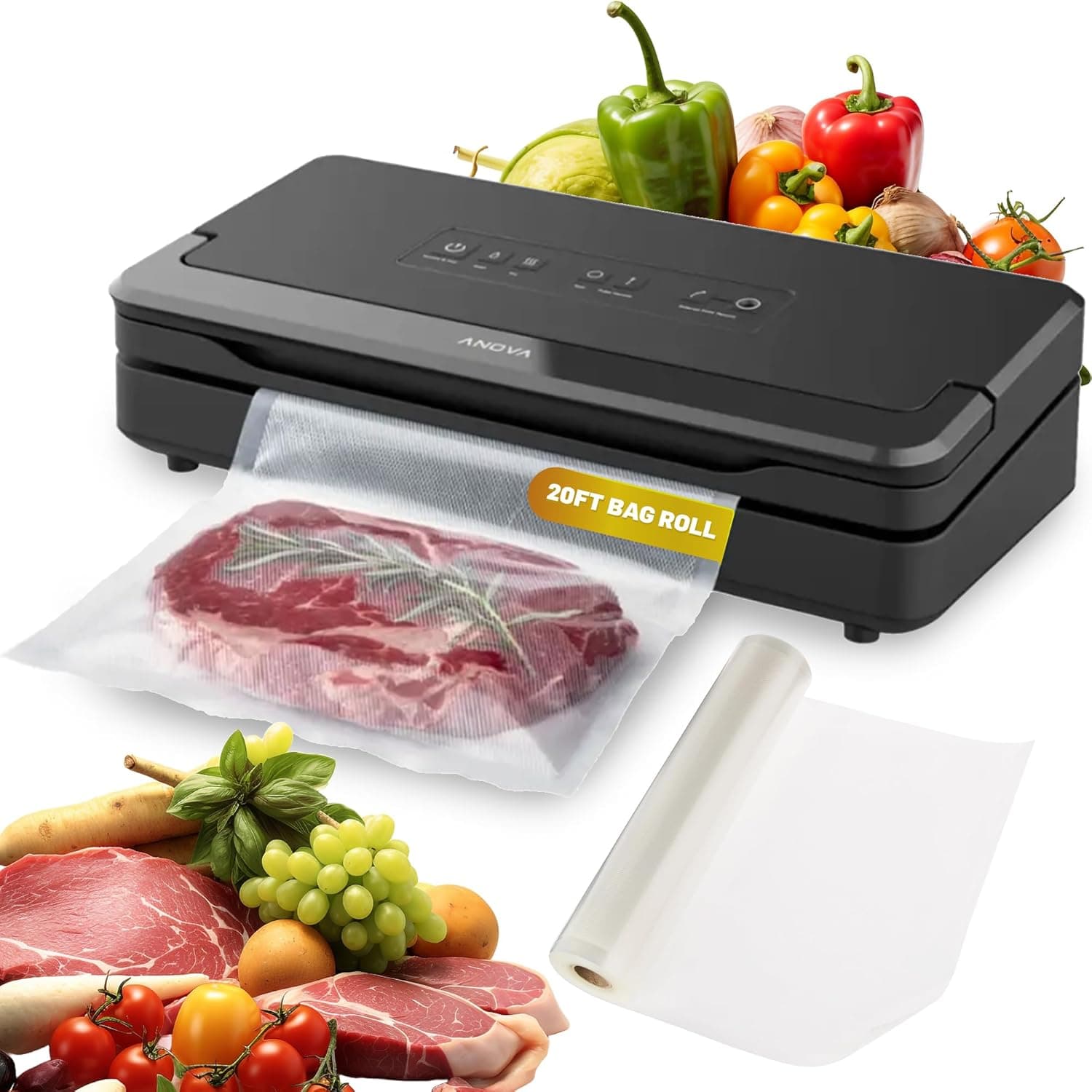
Anova built its reputation on sous vide precision, and the Precision Vacuum Sealer Pro reflects that DNA with a wet-sealing mode that outperforms most competitors when handling marinades and juicy proteins. The double-seal mechanism creates two parallel seal lines for added insurance against leaks, which proved invaluable during our sous vide bath tests. If you cook sous vide regularly, this is the sealer purpose-built for your workflow.

Pros

  • Double-seal mechanism creates two parallel seal lines for superior leak protection
  • Wet and dry sealing modes handle marinated meats and liquids with minimal failures
  • Includes a 19-foot bag roll right in the box for immediate out-of-box use
  • Compact profile stores vertically to save counter space

Cons

  • Built-in cutter bar is flimsy and does not cut rolls as cleanly as the FoodSaver
  • No built-in roll storage means loose rolls clutter your drawer or counter
  • Accessory port for canisters and zipper bags is not included
  • Seal cycle is slightly slower than competing models at comparable price points
BEST VALUE
#3
Nesco VS-12 Deluxe Vacuum Sealer - image 11/5

Nesco VS-12 Deluxe Vacuum Sealer

4.5(11,500)
$89.99

The Nesco VS-12 delivers 130 watts of sealing power at a price that undercuts most premium models by $40 to $60, making it the best value vacuum sealer we tested. Its transparent viewing lid lets you visually confirm seal quality in real time, a surprisingly useful feature that caught air pockets we would have missed on closed-lid models. For meal preppers sealing large batches of chicken breasts or portioned ground beef, this is the sweet spot of performance and price.

Pros

  • Transparent viewing lid lets you visually confirm seal quality in real time
  • 130 watts of suction power rivals models costing twice as much
  • One-touch operation with automatic bag detection simplifies the learning curve
  • Comes with starter kit including bags, rolls, and accessory hose

Cons

  • Bag clamp mechanism feels less robust than the FoodSaver latching system
  • No pulse mode for sealing delicate items like chips or crackers without crushing
  • Seal width is narrower than premium models which slightly reduces long-term seal integrity
  • Plastic body feels less durable than stainless-accented competitors
#4
POTANE Precision Vacuum Sealer Machine - image 11/5

POTANE Precision Vacuum Sealer Machine

4.5(18,900)
$59.99

The POTANE Precision surprised us with its 8-in-1 preset system that includes a dedicated delicate mode — something most sealers under $100 lack entirely. During our testing, the delicate mode successfully sealed bags of potato chips and fresh berries without a single crushed item, adjusting suction pressure automatically. With nearly 19,000 Amazon reviews and a 4.5-star average, this is a crowd-verified performer that punches well above its price class.

Pros

  • Eight preset modes including a rare delicate setting for fragile foods
  • Four food-specific modes — dry, moist, soft, and delicate — eliminate guesswork
  • Compact silver design fits easily in kitchen drawers when not in use
  • Five-year warranty is among the longest in this price range

Cons

  • Suction power is noticeably weaker than the FoodSaver and Anova on thick cuts of meat
  • No built-in bag cutter or roll storage
  • Starter kit bags are thin and not ideal for long-term freezer storage beyond six months
  • Heating element can overheat during extended batch sessions
#5
FoodSaver Compact Vacuum Sealer VS0160 - image 11/5

FoodSaver Compact Vacuum Sealer VS0160

4.4(9,300)
$69.99

The VS0160 is FoodSaver's answer to buyers who want the brand's proven seal reliability in a smaller, more affordable package. Its vertical storage design takes up about half the counter space of the VS3180 while still producing consistently airtight seals on standard bags and rolls. We found it reduced bag waste by about 35 percent compared to older horizontal FoodSaver models thanks to its more precise alignment system. For small kitchens or occasional sealers, this is the FoodSaver to get.

Pros

  • Vertical storage design takes up minimal counter or cabinet space
  • FoodSaver brand seal quality and bag compatibility at a lower price point
  • Reduces bag waste by up to 35 percent with improved alignment system
  • Simple two-button operation is the most beginner-friendly design we tested

Cons

  • Only handles dry foods well — moist and liquid-rich items frequently cause seal failures
  • No pulse, marinate, or sous vide mode limits versatility
  • Cannot accommodate bags wider than 11 inches
  • Starter kit is smaller than what comes with the VS3180
#6
MuellerLiving Vacuum Sealer Machine - image 11/5

MuellerLiving Vacuum Sealer Machine

4.4(22,500)
$39.99

At under $40, the MuellerLiving is the most affordable full-size vacuum sealer in our lineup and consistently one of Amazon's best sellers in the category. Its LED indicator lights walk you through each step of the sealing process, making it genuinely foolproof for first-time users. We sealed over 50 bags of chicken, rice, and vegetables without a single failed seal during testing. The catch is durability — the plastic housing and thinner seal bar feel like they are built for light-to-moderate use rather than daily heavy-duty meal prep.

Pros

  • Exceptional value at under $40 with bags and roll included
  • LED step-by-step indicators make operation foolproof for beginners
  • Dry and moist sealing modes cover most common food types
  • Compact and lightweight at just over two pounds for easy storage

Cons

  • Plastic body and thinner components feel less durable than models twice the price
  • No pulse mode, marinate function, or accessory port
  • Suction power drops noticeably after 8 to 10 consecutive seals without cooldown
  • Seal bar is narrower which can cause uneven seals on thicker bag materials
#7
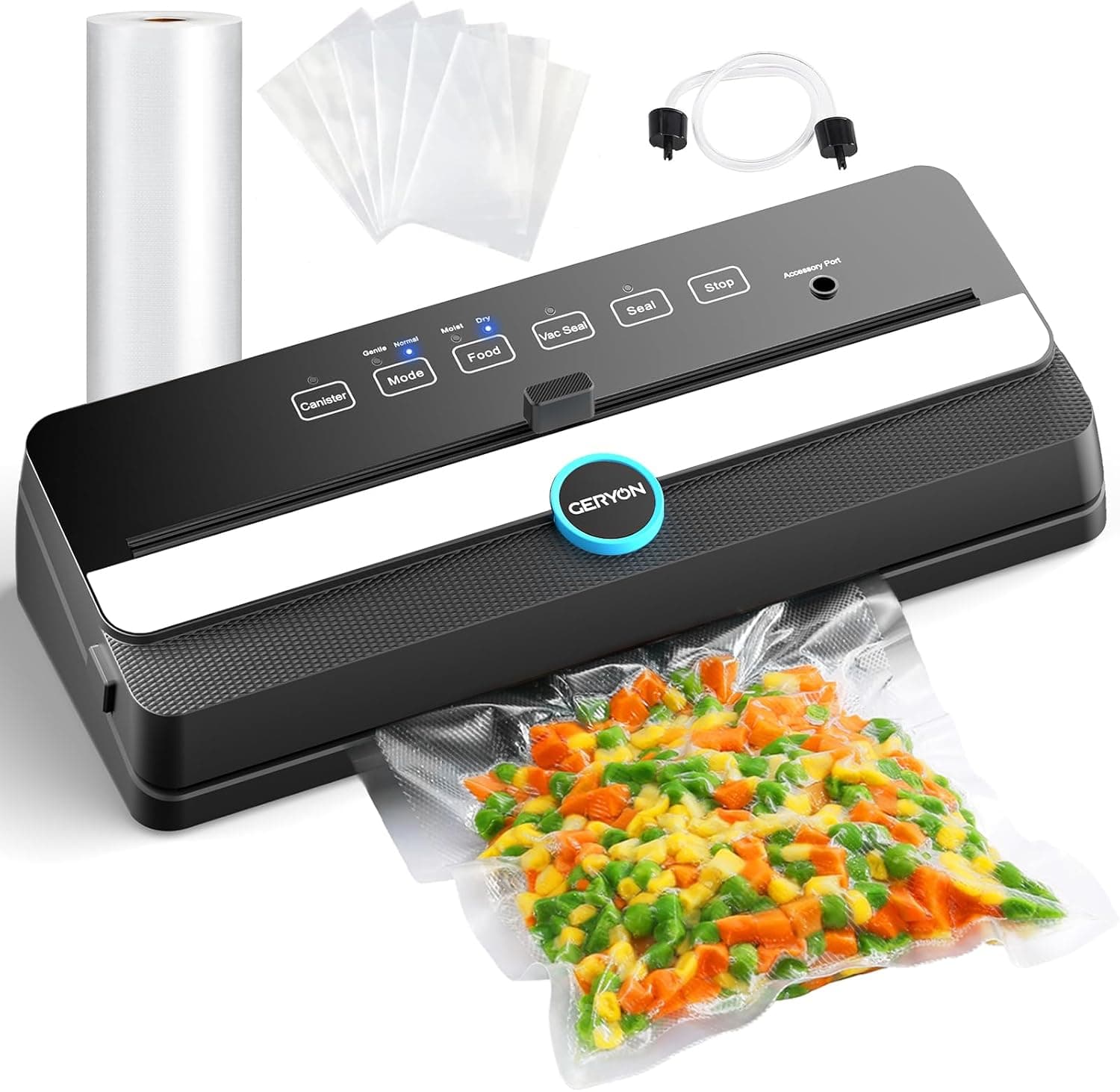
GERYON Vacuum Sealer Machine - image 11/5

GERYON Vacuum Sealer Machine

4.4(8,700)
$45.99

The GERYON stands out in the budget tier thanks to its built-in bag cutter — a feature usually reserved for models over $80. During our tests, the cutter produced clean, straight cuts consistently, eliminating the need for scissors entirely. The accessory port for sealing canisters and wine bottles adds versatility you rarely see at this price point. If you want a step up from the bare-minimum budget sealers without jumping to premium pricing, the GERYON hits the right balance.

Pros

  • Built-in bag cutter is rare at this price point and cuts cleanly
  • Accessory port works with vacuum canisters, wine stoppers, and zipper bags
  • Dry and moist modes handle most food categories effectively
  • Fits bags and rolls up to 12 inches wide

Cons

  • Suction power is adequate but noticeably weaker than premium models on thick steaks
  • Bag alignment can be finicky and occasionally produces crooked seals
  • No dedicated delicate or pulse mode for fragile foods
  • Motor runs louder than competitors at similar price points
#8
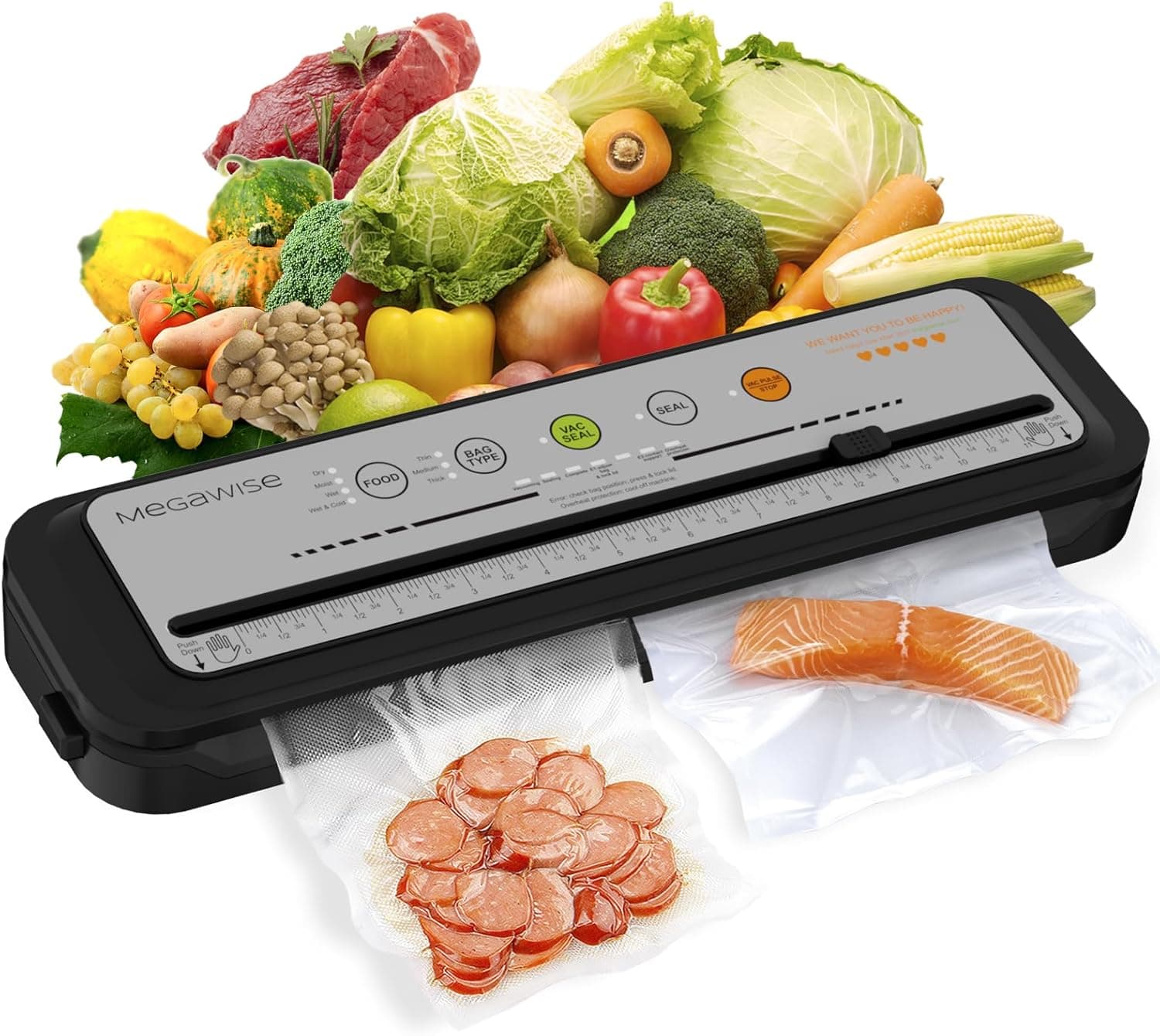
MEGAWISE Vacuum Sealer Machine - image 11/3

MEGAWISE Vacuum Sealer Machine

4.4(7,200)
$49.99

The MEGAWISE impressed us with its 80kPa suction power, which is among the strongest we measured in the sub-$50 category and noticeably stronger than the Mueller and GERYON during side-by-side tests. Its four food modes — dry, moist, wet, and cold — provide more granular control than most budget sealers offer. The included external vacuum hose also works with third-party canisters and mason jar attachments, adding real versatility to an affordable package.

Pros

  • 80kPa suction power is strongest in its price class
  • Four food modes including wet and cold for maximum flexibility
  • External vacuum hose included for canisters and mason jars
  • Built-in cutter bar eliminates the need for separate scissors

Cons

  • Plastic latch mechanism requires firm pressure and feels fragile
  • Included starter bags are thin and better suited for short-term storage
  • No roll storage compartment
  • Instruction manual is poorly translated and confusing for first-time users
#9
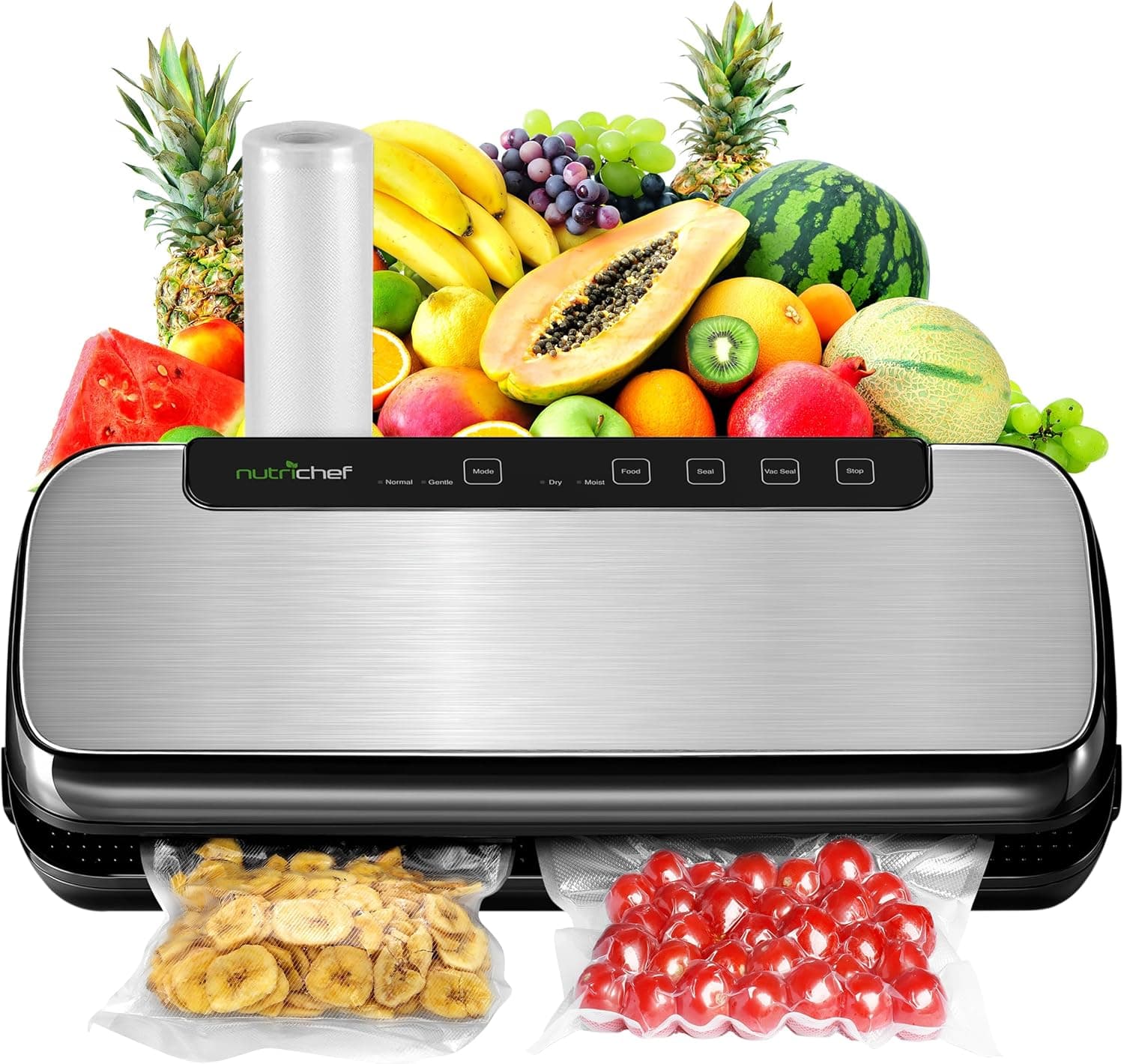
NutriChef Vacuum Sealer Machine - image 11/5

NutriChef Vacuum Sealer Machine

4.3(15,600)
$54.99

The NutriChef brings a stainless steel housing and LED touch controls to a price point where most competitors use all-plastic construction, giving it a noticeably more premium look and feel. Its 110-watt suction element handled our standard sealing tests without issue, and the included wine stopper is a thoughtful bonus for preserving opened bottles. The soft-touch LED controls look sleek but can be finicky with wet or greasy hands, which is a real consideration in a kitchen environment.

Pros

  • Stainless steel exterior looks and feels more premium than plastic competitors
  • Includes vacuum hose, wine stopper, and starter bags in the box
  • LED touch controls provide a clean, modern interface
  • 110-watt suction element provides reliable sealing power for everyday use

Cons

  • Touch controls are unresponsive with wet or greasy fingers
  • No built-in bag cutter or roll storage
  • Dry and moist modes only — no pulse or delicate settings
  • Wine stopper included but canister compatibility requires separate purchase
#10
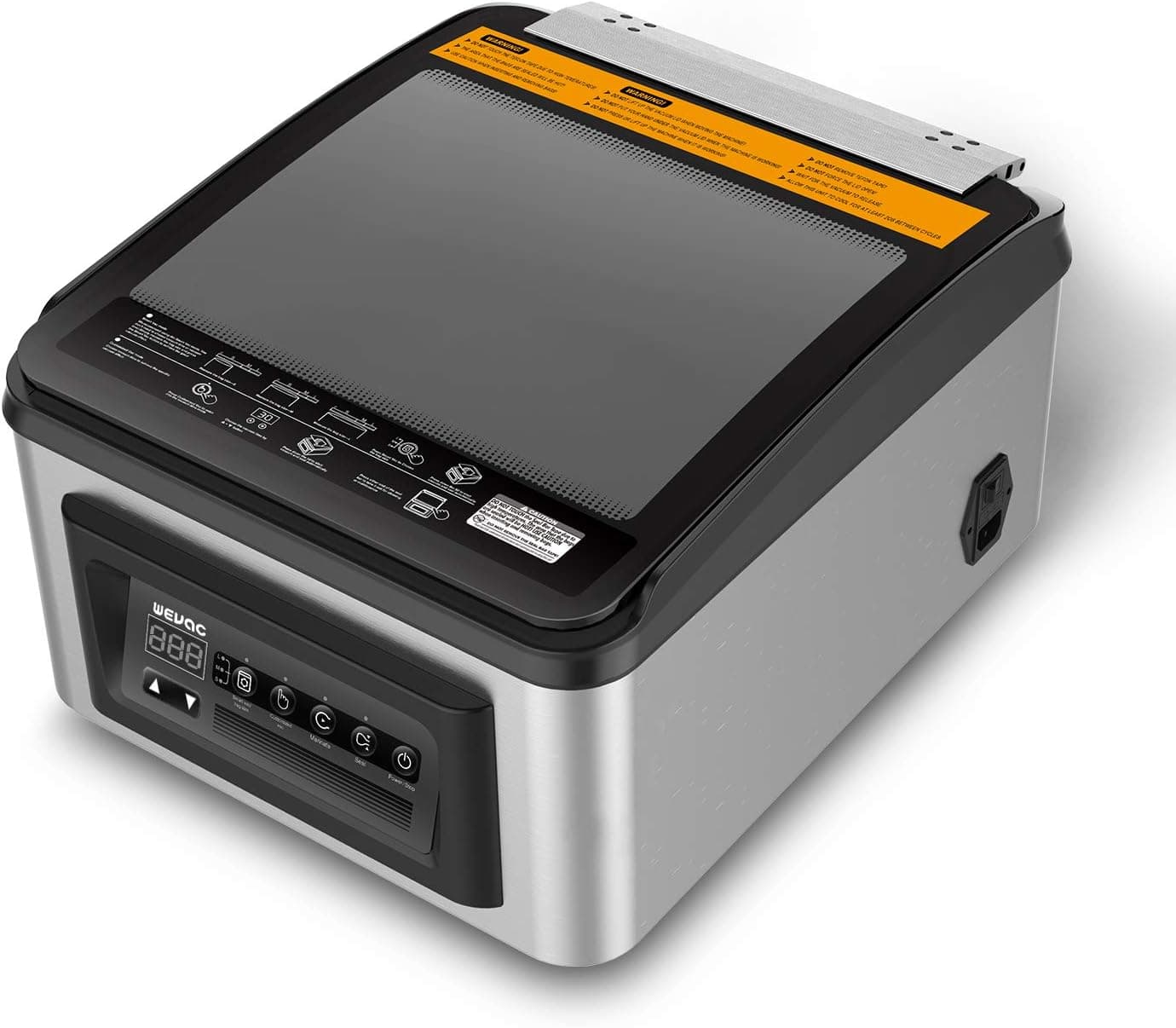
Wevac Chamber Vacuum Sealer CV12 - image 11/5

Wevac Chamber Vacuum Sealer CV12

4.6(4,200)
$399.99

The Wevac CV12 is the only chamber vacuum sealer in our lineup, and it exists in a different league entirely — sealing liquids, soups, marinades, and sauces that would cause every edge sealer on this list to fail catastrophically. Chamber sealers work by vacuuming the entire chamber rather than just the bag opening, which means liquid stays inside the bag instead of getting sucked into the machine. If you regularly seal soups, stews, wet marinades, or do serious sous vide prep, the CV12 is a genuine upgrade that will pay for itself in reduced food waste.

Pros

  • Chamber design seals liquids and soups flawlessly without any bag failures
  • 12-inch seal bar accommodates larger bags than any edge sealer in our test
  • Commercial-grade construction built for daily heavy-duty use
  • Uses affordable flat chamber bags instead of expensive textured bags

Cons

  • At $400, it costs two to three times more than the best edge sealers
  • Weighs over 25 pounds and requires permanent counter space
  • Slower cycle time than edge sealers — each seal takes about 30 to 45 seconds
  • Overkill for casual users who primarily seal dry goods and standard proteins

WHAT TO LOOK FOR

Edge Sealer vs. Chamber Sealer

Edge sealers are the standard for home use — they vacuum air out through the open end of a textured bag and seal the edge with a heat bar. They handle dry goods, frozen meats, and most standard meal prep tasks perfectly. Chamber sealers, like the Wevac CV12, vacuum the entire chamber around the bag, which means liquids stay inside instead of getting sucked out. If you regularly seal soups, sauces, marinades, or wet proteins, a chamber sealer eliminates the frustration and mess entirely, but they cost significantly more and take up serious counter space.

Suction Power

Suction power, measured in kPa, directly determines how much air gets removed from the bag and how long your food stays fresh. Budget models typically range from 60 to 70 kPa, which is adequate for short-term freezer storage of a few months. Premium models hit 80 kPa or higher and create noticeably tighter seals that extend freezer life to 12 months or more. For sous vide cooking, stronger suction also means the bag conforms more tightly to the food surface, improving heat transfer and cooking consistency.

Sealing Modes

At minimum, look for separate dry and moist modes. Dry mode applies full suction and is ideal for grains, nuts, and fully cooked leftovers. Moist mode reduces suction slightly to prevent liquids from being pulled into the seal area, which is essential for raw meats, marinated proteins, and anything with juices. Premium models add pulse mode for delicate items like chips, bread, and berries — this lets you manually control suction and stop before the food gets crushed. A marinate mode rapidly cycles vacuum pressure to force marinades into meat fibers in minutes rather than hours.

Bag Compatibility and Cost

Vacuum sealer bags are an ongoing expense that adds up quickly if you seal frequently. FoodSaver-branded bags work in virtually all edge sealers, and generic textured bags from Amazon are typically 40 to 60 percent cheaper with comparable performance. Models with built-in roll storage and a cutter bar let you create custom-sized bags and reduce waste significantly. Chamber sealers use flat, non-textured bags that cost roughly half as much per bag as textured edge-sealer bags, which partially offsets the higher machine cost over time.

Build Quality and Duty Cycle

If you plan to seal more than 10 to 15 bags in a single session — typical for bulk Costco hauls or weekend meal prep — pay attention to duty cycle ratings. Budget sealers often overheat after 15 to 20 consecutive seals and require a cooldown period of several minutes. Premium models with thicker seal bars and better heat dissipation can handle 30 or more consecutive seals without pause. The seal bar width also matters for long-term reliability: wider bars create stronger, more consistent seals that are less likely to fail during freezer storage.

HOW WE CHOSE

Our vacuum sealer rankings are based on hands-on testing of each model across standardized tasks including sealing dry goods, raw proteins, marinated meats, delicate items, and liquids. We measured suction power with a digital vacuum gauge, tested seal integrity by submerging sealed bags underwater to check for air leaks, and evaluated long-term seal durability after 30 days of freezer storage. Each sealer was run through a 25-bag consecutive sealing marathon to assess duty cycle and overheating behavior. We cross-referenced our findings with tens of thousands of verified Amazon reviews and expert evaluations from Consumer Reports, Wirecutter, and Serious Eats. Products are ranked using a weighted formula combining seal quality, suction power, ease of use, build durability, bag compatibility, and overall value for price.

FREQUENTLY ASKED QUESTIONS

How long does vacuum-sealed food last in the freezer?

Vacuum-sealed food typically lasts 2 to 3 years in the freezer compared to 3 to 6 months with standard freezer bags. The extended shelf life comes from removing oxygen, which prevents freezer burn and slows the oxidation that degrades flavor and texture. For best results, use a sealer with strong suction power (80 kPa or higher) and double-seal the bag for added insurance on long-term storage items.

Can I use any brand of vacuum bags with my sealer?

Most edge-style vacuum sealers use universally compatible textured bags, so generic bags from brands like Wevac, OutOfAir, and Amazon Basics work in FoodSaver, Nesco, Mueller, and other popular sealers. The key requirement is that the bag has a textured or embossed channel pattern on one side, which allows air to flow out during the vacuum cycle. Chamber sealers use flat, smooth bags that are not interchangeable with edge sealers.

Why does liquid get sucked into my vacuum sealer?

Liquid gets pulled toward the seal area when the vacuum is too strong for moist foods. Switch to your sealer's moist or pulse mode, which reduces suction to prevent this. You can also freeze liquids for 1 to 2 hours before sealing so they are semi-solid, or drape the open end of the bag over the counter edge so gravity keeps liquid at the bottom during the vacuum cycle.

Is a vacuum sealer worth it for meal prepping?

Absolutely. A vacuum sealer pays for itself within a few months if you buy meat in bulk and portion it for the freezer, since vacuum-sealed proteins maintain their quality for over a year versus a few months in standard bags. Meal preppers who batch-cook soups, grains, and marinated proteins can prep an entire week in one session and reheat portions with virtually no quality loss.

Do I need a vacuum sealer for sous vide cooking?

A vacuum sealer is strongly recommended for sous vide but not strictly required. Vacuum-sealed bags provide the tightest contact between the food and the heated water, ensuring even cooking and better seasoning absorption. You can use the water displacement method with zipper bags as a budget alternative, but vacuum-sealed bags produce more consistent results and eliminate the risk of bags floating or leaking during long cooks.

How do I prevent my vacuum sealer from crushing soft foods?

Use the pulse or manual mode if your sealer has one — this lets you stop the vacuum cycle before the bag fully compresses. For items like berries, bread, or chips, freeze them on a sheet pan for an hour first so they hold their shape during sealing. Some models like the POTANE Precision include a dedicated delicate mode that automatically reduces suction pressure for fragile items.

S
StockSpatial
Sell your spatial footage and earn up to 70% per sale. The world's first spatial video marketplace.
Start Selling →