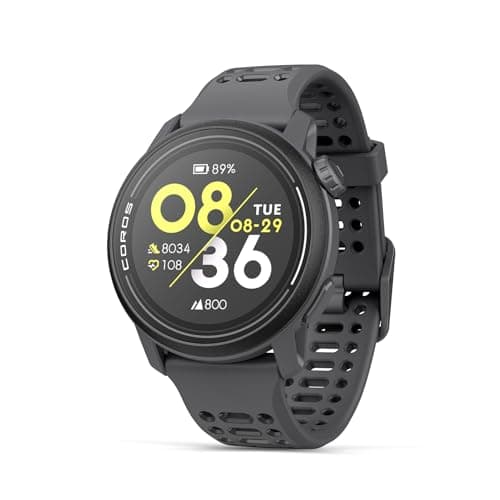
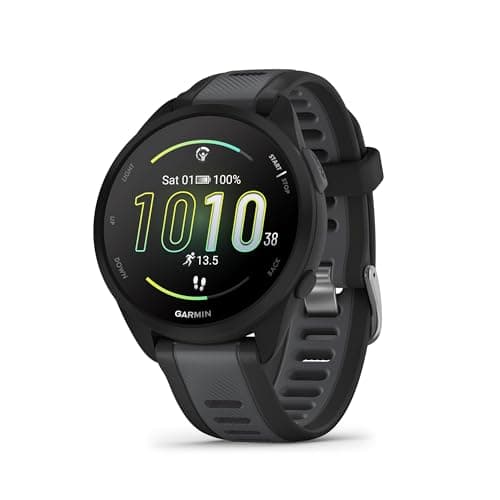
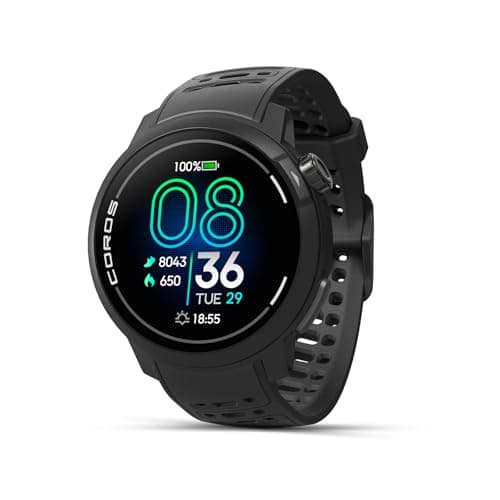
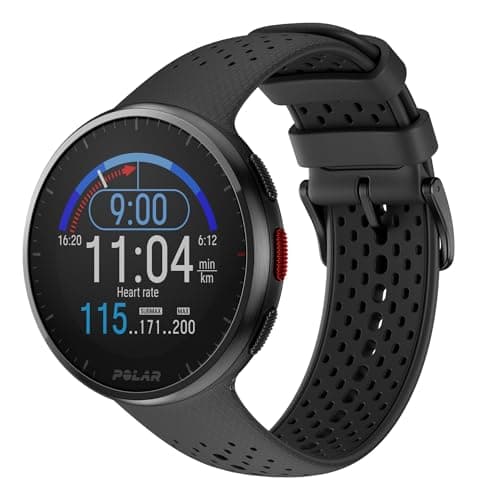
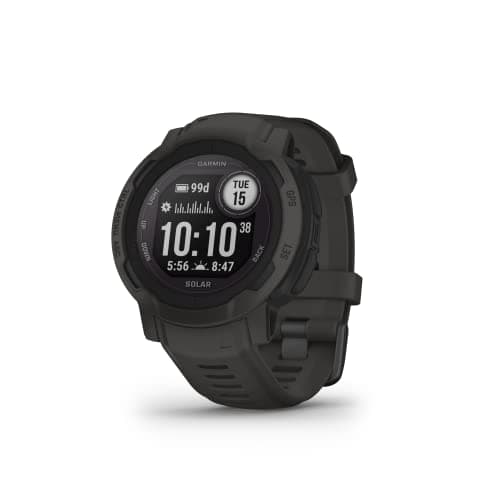
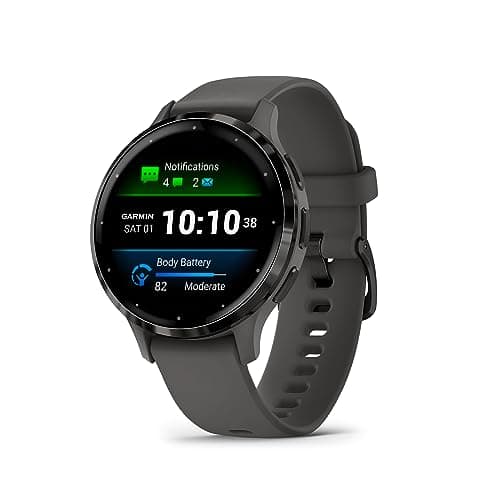
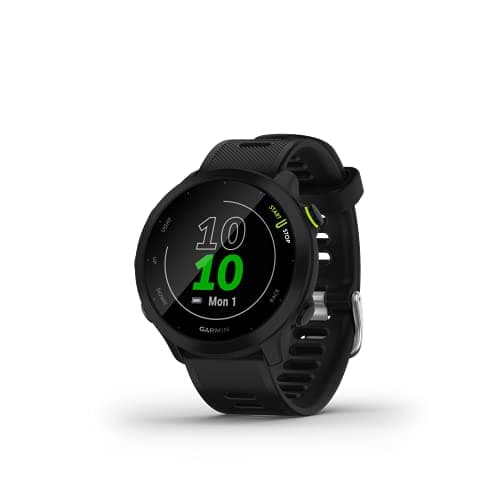
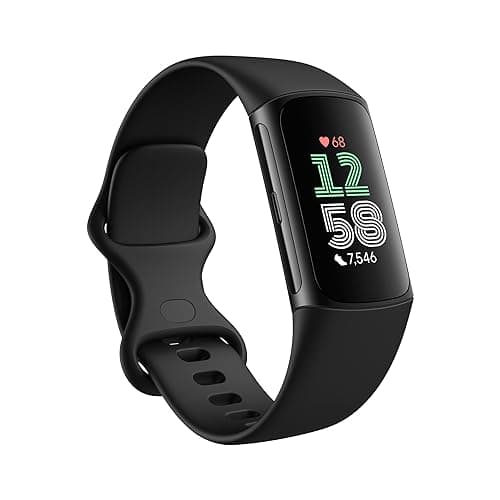
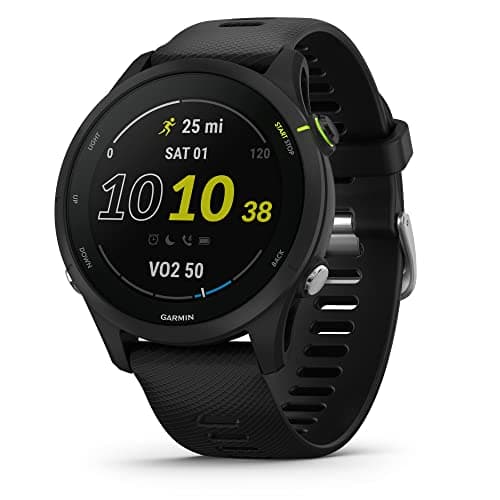
Fitness trackers like the Fitbit Charge 6 are slim wrist bands focused on daily activity tracking - steps, heart rate, and sleep - with basic workout modes. GPS running watches like the Garmin Forerunner 255 or COROS PACE 3 are designed specifically for athletes, with advanced features like multi-band GPS, training load analysis, running dynamics, and race predictions. If your primary goal is tracking runs, cycling, or structured training, a GPS running watch provides significantly more useful data.
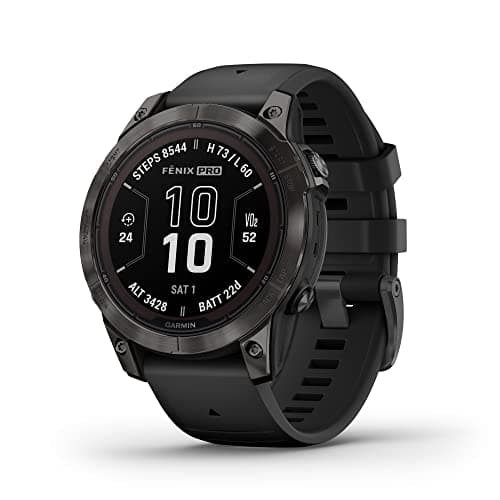
Both brands make excellent running watches, but they serve slightly different priorities. Garmin offers the larger ecosystem - more third-party app integrations, a bigger community, and features like music storage and contactless payments. COROS counters with dramatically lighter watches, longer battery life, and aggressive pricing that undercuts Garmin at every tier. For serious runners focused on data and value, COROS is increasingly competitive. For runners who want the most complete package including lifestyle features, Garmin remains the safer choice.
Multi-band GPS (also called dual-frequency GPS) uses multiple satellite signals to improve accuracy, especially in cities with tall buildings and forests with dense canopy. If you run primarily on open roads or tracks, single-frequency GPS is perfectly fine and you can save money with watches like the Forerunner 165 or Forerunner 55. If you frequently run urban routes between skyscrapers or heavily wooded trails, multi-band GPS on watches like the Forerunner 255 or COROS PACE 3 provides noticeably better accuracy.
Modern optical heart rate sensors on watches like the Garmin Forerunner 255 and COROS PACE 3 are remarkably accurate for steady-state running, walking, and cycling - typically within 1-3 BPM of a chest strap. However, they still struggle with high-intensity intervals, weight lifting, and activities with a lot of wrist movement. If you do structured interval training or need lab-grade accuracy for heart rate zone training, pairing your watch with a chest strap like the Garmin HRM-Pro Plus or Polar H10 is still recommended.
Battery life varies enormously. The COROS PACE 3 leads our list at 24 days in smartwatch mode, while the Garmin Instinct 2 Solar can last indefinitely with adequate sunlight. GPS running watches typically last 20-30 hours in continuous GPS mode, which is enough for all but the longest ultramarathons. Watches with AMOLED displays (Venu 3S, Forerunner 165) last 3-5 days with always-on display or 10-14 days in standard mode. The Fitbit Charge 6 gets about 7 days. Real-world battery life is usually 10-20% less than manufacturer claims depending on GPS usage, notifications, and sensor frequency.
Yes, but with caveats. Without Premium ($9.99/month after the included 6-month trial), you lose detailed sleep analysis, readiness scores, guided workouts, and historical trend data. You still get basic activity tracking, heart rate monitoring, GPS, and Google integrations. If you just want step counting and basic workout tracking, the free tier is adequate. If you want the detailed insights that make the Charge 6 genuinely useful for health optimization, the Premium subscription is effectively part of the cost of ownership.

 1/5
1/5