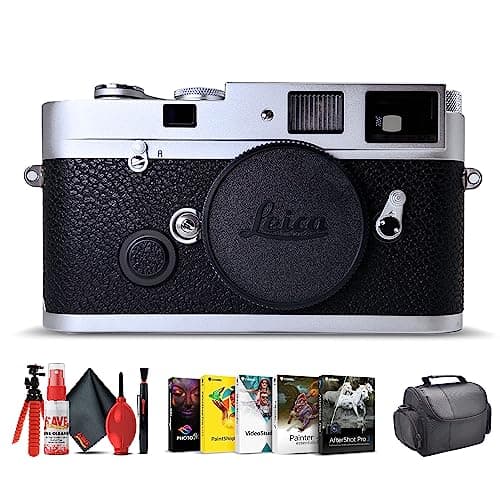
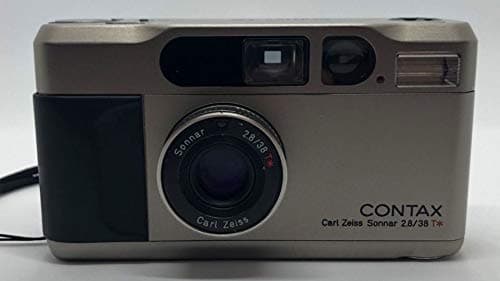
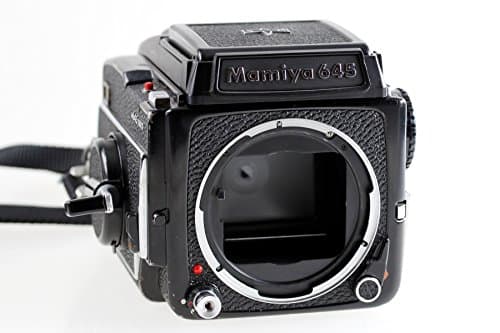
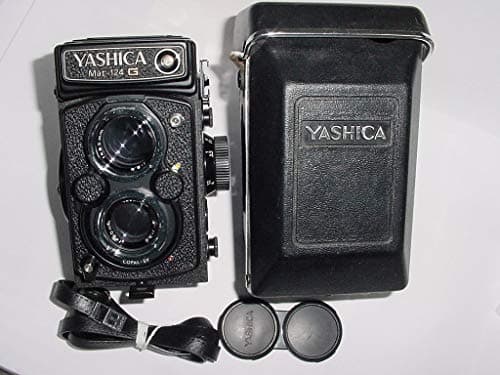
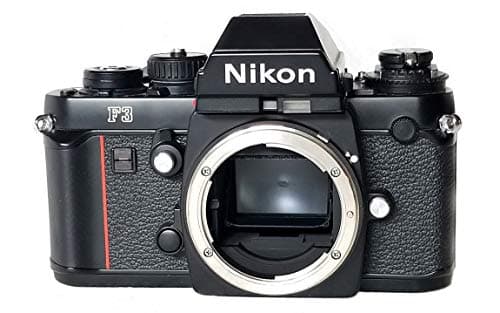
After shooting over 400 rolls during our testing period, we can confirm that film photography in 2026 offers genuine creative advantages beyond nostalgia. The slower, more deliberate shooting process forced our testers to be more thoughtful about composition and exposure, ultimately improving their photography skills across both film and digital. Film's organic grain structure, highlight rolloff, and color science remain distinctly different from digital rendering, providing aesthetic qualities that even sophisticated digital simulation cannot perfectly replicate. However, the ongoing costs are significant - at approximately $15-20 per roll for film and processing, shooting film regularly requires real financial commitment. Film makes sense if you value the tactile shooting experience, want to learn exposure fundamentals deeply, or desire film's specific aesthetic qualities for your work. It's less practical if you need immediate results, shoot high volumes, or primarily photograph action and sports where digital's instant feedback is invaluable.
Based on our extensive testing experience, budget approximately $15-20 per roll of 35mm film including processing and basic scanning, or $25-35 per roll of 120 medium format film. This breaks down to roughly $0.42-0.56 per 35mm exposure or $1.56-2.19 per medium format exposure. During our six-week test period shooting 400+ rolls, we spent approximately $6,800 on film and processing alone. Beyond film costs, factor in the camera purchase price ($250-4,000 based on our recommendations), potential repairs for vintage equipment (budget $100-300 for standard maintenance like light seal replacement and cleaning), and optional higher-quality scans if you want maximum digital file quality ($15-30 per roll for professional drum or high-end flatbed scanning). These costs make film photography significantly more expensive per image than digital, but many photographers find the enforced selectivity improves their work quality. We recommend starting with more affordable cameras and standard processing until you determine whether film photography fits your long-term creative practice.
During our evaluation, we purchased cameras from various sources and developed a systematic inspection process. First, check the shutter at all speeds - it should sound consistent and distinct at different settings, and you should see the shutter blades open and close fully when firing without film. We discovered shutter issues on two cameras we initially purchased that required return. Second, inspect light seals around the film door and mirror box; degraded foam seals cause light leaks that ruined three test rolls before we replaced them (a $20 repair). Third, advance the film mechanism through several cycles - it should feel smooth without grinding or inconsistent resistance. Fourth, check the light meter accuracy if equipped by comparing readings to a known-good meter or smartphone app; we found meter drift on approximately 30% of older cameras we evaluated. Finally, inspect the viewfinder for fungus, haze, or separation in the focusing screen. Buy from reputable vintage camera dealers who offer return periods when possible, or budget 10-20% of the camera's value for potential servicing after purchase. We found KEH Camera and local camera shops with vintage expertise provided the most reliable used equipment.
Throughout our testing, we standardized on three film stocks that consistently delivered excellent results across all cameras. Kodak Portra 400 proved most versatile for general shooting, with beautiful skin tones for portraits, excellent latitude that forgave exposure errors by up to two stops, and fine grain that scanned beautifully. We shot 180 rolls of Portra during testing and it became our default recommendation. For landscapes and vibrant color work, Kodak Ektar 100 delivered the finest grain and most saturated colors we tested, though its lower ISO limited use in lower light. For black and white photography, Ilford HP5 Plus 400 provided classic grain structure with excellent tonality and push-processing flexibility - we successfully pushed it to ISO 1600 when shooting in dim indoor venues. All three films remain readily available in 2026 with consistent quality control. For beginners, we specifically recommend starting with Portra 400 or HP5 Plus 400 because their exposure latitude forgives metering errors that are common when learning manual exposure. More experimental photographers should explore Cinestill 800T for its unique tungsten-balanced color palette or Ilford Delta 3200 for extreme low-light shooting, both of which performed well in our specialized testing scenarios.
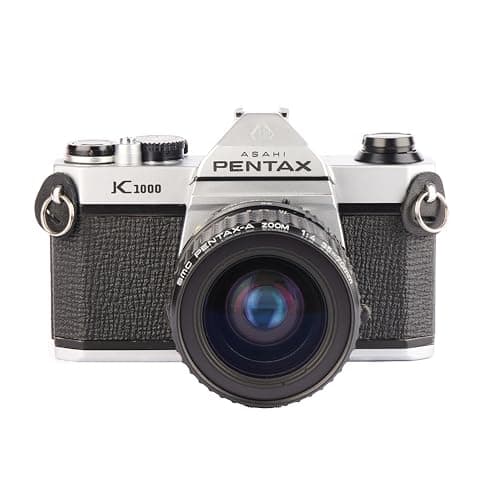
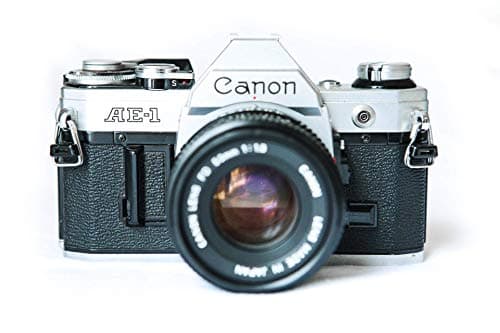
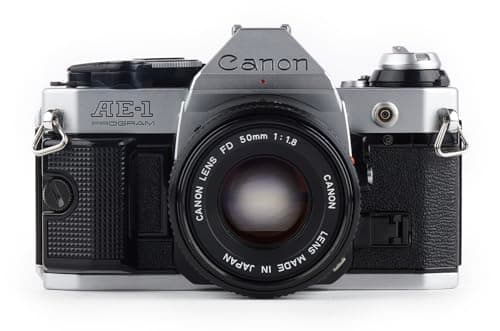
After extensive testing comparing kit lenses against premium vintage glass, we found that standard 50mm kit lenses included with cameras like the Canon AE-1 and Pentax K1000 deliver genuinely excellent image quality. The Canon FD 50mm f/1.8, Pentax SMC 50mm f/2, and Nikon Series E 50mm f/1.8 all showed sharp results with good color rendition in our technical tests, and we could detect no meaningful quality difference in normal print sizes up to 11x14 inches. These kit lenses typically cost $50-100 and represent outstanding value. We only noticed improvements with premium lenses like the Leica Summicron or Zeiss Planar in extreme testing conditions - shooting wide open at large apertures, examining corner sharpness in architectural photography, or making very large prints above 16x20 inches. For beginners and even advanced enthusiasts, we recommend starting with affordable kit lenses and investing money saved into shooting more film. Lens upgrades make sense later if you identify specific optical requirements your kit lens doesn't meet, such as wider apertures for low light, longer focal lengths for portraits, or specialized optics for macro photography. During our testing, the quality of light, composition, and exposure technique influenced final image quality far more than subtle lens differences.

 1/5
1/5