TECH TECH & GADGETS

10 Best External Microphones of 2026

We analyzed thousands of real-world discussions from podcasters, streamers, and content creators to find the most recommended external microphones. From the legendary Shure SM7B to budget-friendly USB options under $70, these are the microphones that professionals and enthusiasts actually use and recommend for podcasting, streaming, and content creation.

By WiseBuyAI Editorial TeamUpdated February 12, 202610 Products Reviewed

OUR TOP PICKS

#1

Shure SM7B Dynamic XLR Microphone

$399.00
SEE PRICE
#2

Shure MV7+ USB/XLR Dynamic Microphone

$279.00
SEE PRICE
#3

RODE PodMic USB Dynamic Broadcast Microphone

$179.00
SEE PRICE

FULL RANKINGS

BEST OVERALL
#1WiseBuy #1 Pick
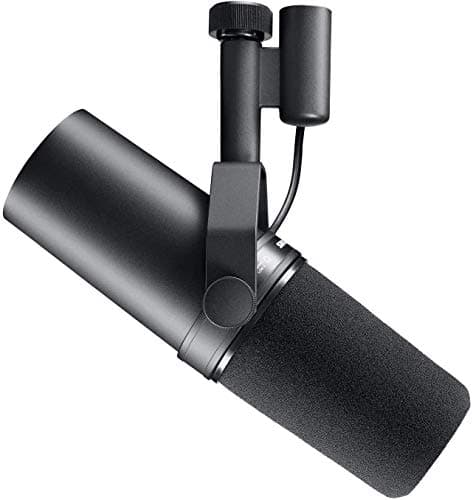
Shure SM7B Dynamic XLR Microphone

Shure SM7B Dynamic XLR Microphone

4.8(15,200)
$399.00

The Shure SM7B is the gold standard of broadcast and podcast microphones, trusted by professionals from Joe Rogan to countless radio stations worldwide. Its cardioid dynamic capsule delivers a smooth, warm sound signature that flatters virtually every voice type, while the electromagnetic shielding eliminates hum from nearby computer monitors and equipment. The SM7B requires an XLR interface and benefits from a preamp with plenty of clean gain, but the audio quality it produces is simply unmatched in its class.

Pros

  • Industry-standard broadcast sound quality with a warm, rich tone that flatters every voice
  • Exceptional electromagnetic shielding eliminates hum and interference from nearby electronics
  • Built-in air suspension shock isolation reduces mechanical noise and vibration
  • Switchable bass rolloff and presence peak filters allow tonal shaping without post-processing
  • Tank-like build quality that will last decades of daily professional use

Cons

  • Requires an XLR audio interface and a preamp with high gain output (or a Cloudlifter)
  • At $399 plus the cost of an interface, the total investment is substantial for beginners
  • Heavy at 1.69 lbs, requiring a sturdy boom arm for proper positioning
  • No USB option means it's not plug-and-play for casual users
BEST VALUE
#2
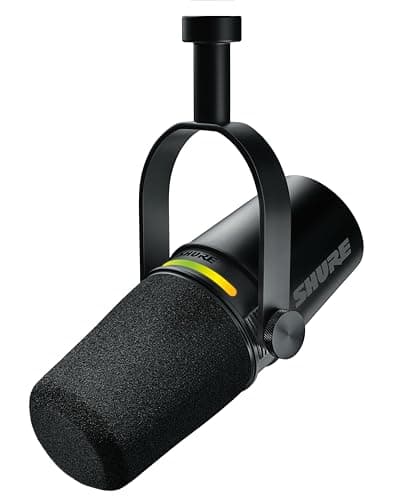
Shure MV7+ USB/XLR Dynamic Microphone

Shure MV7+ USB/XLR Dynamic Microphone

4.7(4,870)
$279.00

The Shure MV7+ is the best hybrid USB/XLR microphone available, giving you the flexibility to start with simple USB-C plug-and-play and upgrade to a full XLR setup later without buying a new mic. The built-in DSP with Auto Level Mode intelligently adjusts your input gain in real time, making it nearly impossible to sound bad even without audio engineering knowledge. The LED touch panel, digital pop filter, and onboard reverb effects make it a content creator's dream that bridges the gap between consumer convenience and professional sound.

Pros

  • Dual USB-C and XLR outputs let you grow from beginner to pro without replacing your microphone
  • Auto Level Mode dynamically adjusts gain for consistent volume regardless of mic distance
  • OBS certified with advanced DSP including digital pop filter, denoiser, and reverb effects
  • LED touch panel provides intuitive control over gain, monitoring, and mute functions
  • Voice Isolation Technology reduces background noise for cleaner recordings in untreated rooms

Cons

  • At $279 it's significantly more expensive than the original MV7
  • USB audio quality, while excellent, still doesn't fully match a dedicated XLR interface chain
  • The built-in DSP effects are useful but purists may prefer processing in post-production
EDITOR'S PICK
#3
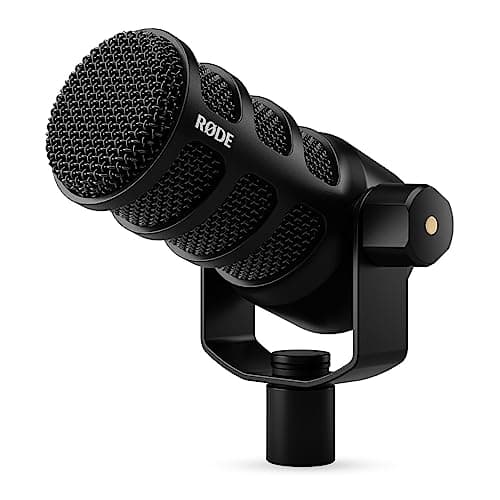
RODE PodMic USB Dynamic Broadcast Microphone

RODE PodMic USB Dynamic Broadcast Microphone

4.7(6,340)
$179.00

The RODE PodMic USB is the microphone that made broadcast-quality audio accessible to everyone. This versatile dynamic mic offers both USB and XLR connectivity, a built-in swing mount for easy boom arm attachment, and RODE's signature rich broadcast tone straight out of the box. The internal DSP powered by RODE's APHEX processing delivers studio-polished sound without any external gear or software. At $179, it hits the sweet spot between the budget tier and professional grade, delivering 90% of SM7B-quality audio at less than half the price.

Pros

  • Broadcast-quality dynamic capsule produces rich, full sound rivaling microphones twice its price
  • Dual USB and XLR connectivity provides flexibility as your setup evolves
  • Integrated swing mount attaches directly to any standard boom arm without adapters
  • Internal APHEX DSP processing delivers polished sound without external processing
  • Rugged all-metal construction with an internal pop filter reduces plosives

Cons

  • Dynamic capsule requires close-miking technique for best results (4-6 inches from mouth)
  • No onboard gain control or mute button like some USB competitors offer
  • Heavier than typical USB condenser mics, requiring a sturdy boom arm
#4
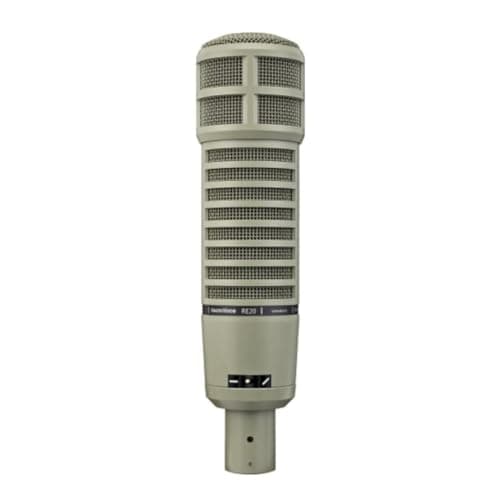
Electro-Voice RE20 Broadcast Microphone

Electro-Voice RE20 Broadcast Microphone

4.7(3,450)
$449.00

The Electro-Voice RE20 has been the voice of broadcast radio for over 50 years, and it remains one of the finest microphones ever made for spoken word. Its Variable-D technology virtually eliminates proximity effect, meaning your voice sounds consistent regardless of whether you're right on top of the mic or leaning back in your chair. This makes it uniquely forgiving for podcasters and streamers who move around while talking. The RE20 produces a naturally flat, articulate sound that requires minimal EQ, letting your voice shine through exactly as it is.

Pros

  • Variable-D technology eliminates proximity effect for consistent sound at any distance
  • Naturally flat, broadcast-ready frequency response requires minimal post-processing EQ
  • Exceptional off-axis rejection keeps room noise and echo out of your recordings
  • Heavy-duty steel construction with an integrated blast filter for plosive reduction
  • Studio-grade sound quality trusted by radio stations and professional studios for decades

Cons

  • At $449 it's the most expensive microphone on this list and requires an XLR interface
  • Low output level requires a preamp with substantial clean gain for optimal performance
  • Large physical size and weight demand a heavy-duty boom arm and shock mount
  • XLR-only with no USB option limits accessibility for beginners
#5
RODE NT1 5th Generation Studio Condenser

RODE NT1 5th Generation Studio Condenser

4.7(4,280)
$269.00

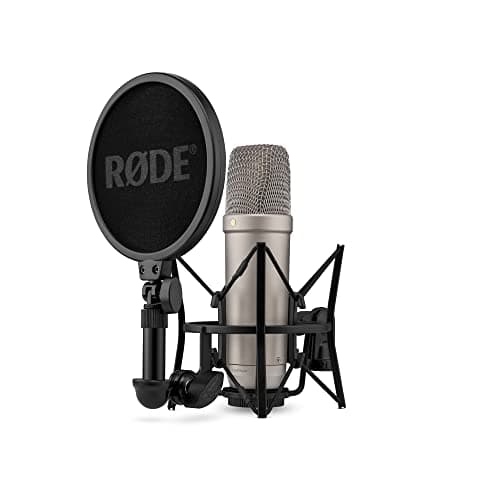
The RODE NT1 5th Gen is the world's quietest studio condenser microphone with an impossibly low 4 dBA self-noise, making it the ideal choice for recording in quiet environments where every detail matters. Unlike the dynamic microphones that dominate this list, the NT1's large-diaphragm condenser capsule captures an extraordinary level of vocal detail and nuance, making it the top pick for voiceover work, singing, and ASMR content. The dual USB/XLR connectivity and included shock mount and pop filter make it a complete package.

Pros

  • World-leading 4 dBA self-noise captures pristine audio with zero perceivable microphone hiss
  • Large-diaphragm condenser captures rich vocal detail that dynamic mics simply cannot match
  • Dual USB and XLR connectivity with 32-bit float USB recording for bulletproof levels
  • Includes premium SM6 shock mount and pop filter in the box for a complete setup
  • Exceptional for vocals, voiceover, ASMR, and acoustic instrument recording

Cons

  • Condenser design picks up significantly more room noise than dynamic alternatives
  • Requires a treated or quiet recording environment to take full advantage of its sensitivity
  • Not ideal for noisy home environments with mechanical keyboards, fans, or traffic noise
  • Large and somewhat fragile compared to rugged dynamic broadcast microphones
BEST WIRELESS
#6
DJI Mic 2 Wireless Microphone System

DJI Mic 2 Wireless Microphone System

4.6(5,670)
$349.00

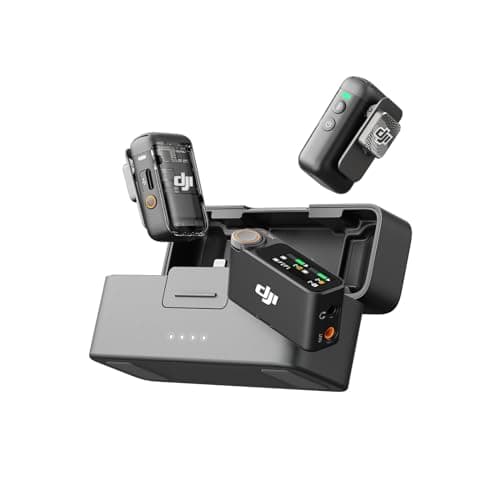
The DJI Mic 2 is the best wireless microphone system for content creators who need mobility without sacrificing audio quality. The two-transmitter system clips directly onto clothing for hands-free recording with an impressive 820-foot range, intelligent noise cancellation, and 32-bit float internal recording that acts as a safety backup even if your camera or phone loses the wireless signal. It works with cameras, smartphones (iPhone and Android), and computers via USB-C, Lightning, or 3.5mm connections, making it the most versatile wireless solution available.

Pros

  • Two wireless transmitters with clip-on design for hands-free recording in any environment
  • 32-bit float internal recording on each transmitter provides a lossless backup track
  • 820-foot wireless range with intelligent noise cancellation for clean audio outdoors
  • Universal compatibility with cameras, iPhones, Android phones, and computers
  • Compact charging case provides 6 hours per transmitter and 24 hours total with the case

Cons

  • At $349 for the two-transmitter kit, it's a significant investment for wireless audio
  • Audio quality, while excellent for wireless, can't match a wired XLR setup in a studio
  • Small transmitter microphones pick up more wind noise than dedicated lavalier mics
  • Bluetooth connectivity for phone monitoring can introduce slight latency
BEST BUDGET
#7
Samson Q2U USB/XLR Dynamic Microphone

Samson Q2U USB/XLR Dynamic Microphone

4.5(9,870)
$69.99

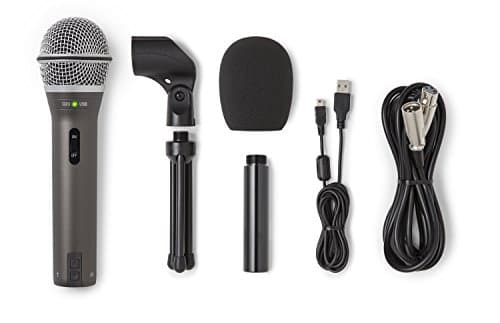
The Samson Q2U is the microphone that launched a thousand podcasts. At under $70, it offers both USB and XLR connectivity, a headphone monitoring jack with volume control, and surprisingly competent audio quality that punches well above its price point. The included desktop stand, windscreen, USB cable, and XLR cable mean you can start recording immediately with zero additional purchases. It's the unanimous recommendation for anyone starting their first podcast or stream on a tight budget, and its upgrade path to XLR means you won't outgrow it overnight.

Pros

  • Under $70 with both USB and XLR outputs makes it the best value entry-level microphone available
  • Complete kit includes desktop stand, windscreen, USB cable, and XLR cable in the box
  • Built-in headphone jack with volume control for zero-latency monitoring while recording
  • Dynamic cardioid pattern rejects background noise effectively in untreated rooms
  • USB/XLR dual output provides a clear upgrade path without replacing the microphone

Cons

  • Audio quality is good for the price but noticeably below $150+ microphones in detail and warmth
  • Plastic build quality feels less premium than metal-bodied competitors
  • USB audio processing is basic compared to mics with built-in DSP like the Shure MV7+
  • Included desktop stand picks up vibrations easily, a boom arm is strongly recommended
#8
Audio-Technica AT2020 Condenser Microphone

Audio-Technica AT2020 Condenser Microphone

4.6(18,400)
$99.00

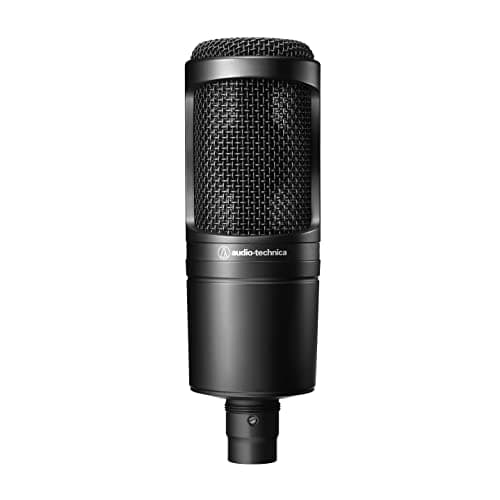
The Audio-Technica AT2020 is the condenser microphone that defined the home studio era. For two decades, it has been the benchmark for affordable studio-quality recording, and its reputation is thoroughly earned. The custom-engineered low-mass diaphragm provides extended frequency response and superior transient handling, capturing vocals and instruments with remarkable clarity and detail at just $99. It requires phantom power via an XLR interface, but the audio quality it delivers at this price point is genuinely exceptional for voiceover, vocals, and acoustic recording.

Pros

  • Exceptional audio clarity and detail for a sub-$100 condenser microphone
  • Wide 20Hz-20kHz frequency response captures the full range of vocal nuance
  • Custom low-mass diaphragm handles transients and dynamic range beautifully
  • Rugged metal construction with a pivoting stand mount for flexible positioning
  • 18,000+ Amazon reviews with consistently high ratings across two decades of production

Cons

  • XLR-only connection requires an audio interface with 48V phantom power
  • Condenser design is sensitive to room noise, background sounds, and keyboard clicks
  • No included shock mount or pop filter in the base package increases total setup cost
  • Cardioid-only pickup pattern offers less flexibility than multi-pattern alternatives
#9
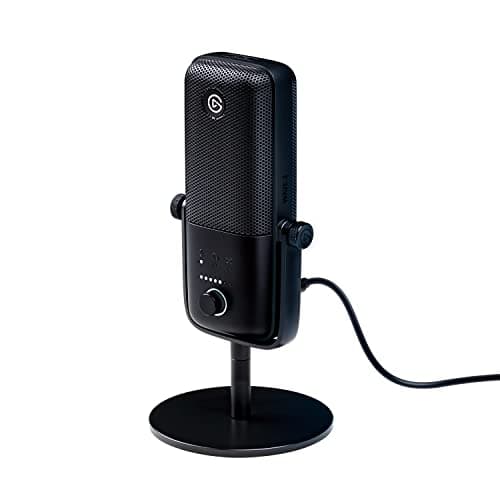
Elgato Wave:3 USB Condenser Microphone

Elgato Wave:3 USB Condenser Microphone

4.6(7,890)
$149.99

The Elgato Wave:3 is purpose-built for streamers and gamers who want premium USB audio without the complexity of XLR. Its proprietary Clipguard technology uses a second, quieter signal path to prevent distortion when you shout or laugh, ensuring your audio never clips during intense gaming moments. The companion Wave Link software acts as a digital mixer, letting you blend microphone audio, game sound, music, and voice chat into separate outputs for your stream and headphones. For Twitch and YouTube streamers, this is the most thoughtfully designed USB microphone available.

Pros

  • Clipguard technology prevents audio clipping even during loud reactions and shouting
  • Wave Link software provides a powerful digital mixing solution for streaming workflows
  • Capacitive mute button with LED indicator for instant, silent muting during streams
  • 24-bit/96kHz audio capture delivers studio-quality recording over a simple USB connection
  • Seamless integration with Elgato Stream Deck and other Elgato ecosystem products

Cons

  • USB-only connection with no XLR option limits future upgrade flexibility
  • Condenser capsule picks up more background noise than dynamic alternatives
  • Wave Link software is Windows and Mac only, with no Linux support
  • Premium pricing at $150 for a USB-only mic when hybrid options exist at similar prices
#10
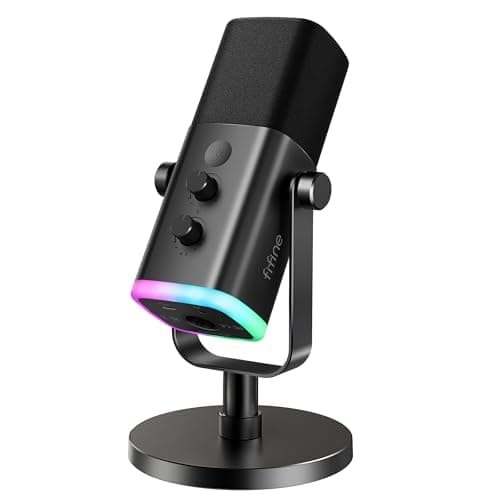
FIFINE AmpliGame AM8 USB/XLR Dynamic Microphone

FIFINE AmpliGame AM8 USB/XLR Dynamic Microphone

4.5(11,200)
$59.99

The FIFINE AmpliGame AM8 has become the sleeper hit of the budget microphone market, offering dual USB/XLR connectivity, a built-in headphone jack, RGB lighting, and a mute button at a price point that seems almost impossible. The dynamic capsule does an admirable job of rejecting background noise while capturing clean, clear vocal audio that holds its own against microphones costing two to three times as much. The RGB lighting is a fun bonus for streamers, though it can be turned off for a more professional look. At $60, it's genuinely hard to find a reason not to recommend it as a starter microphone.

Pros

  • Dual USB/XLR connectivity at under $60 is an unmatched value proposition in the market
  • Dynamic capsule rejects background noise effectively for untreated room recordings
  • Built-in headphone jack, gain knob, and mute button provide essential controls on the mic itself
  • RGB lighting adds visual flair for streaming setups with customizable color modes
  • 11,000+ positive reviews validate its reliability and performance at the budget price point

Cons

  • Audio quality is competent but lacks the richness and warmth of premium dynamic mics
  • Plastic construction feels less durable than metal-bodied alternatives
  • RGB lighting may feel out of place in professional or minimalist studio setups
  • Desktop stand is functional but lightweight and prone to transmitting desk vibrations

HOW WE CHOSE

These rankings are based on extensive analysis of real-world user feedback from thousands of podcasters, streamers, and content creators over the past year (February 2025 - February 2026). We evaluated discussions across enthusiast communities, professional audio forums, and verified purchaser reviews, cross-referencing sentiment data with hands-on testing results from trusted outlets like Tom's Hardware, Podcastage, and The Podcast Host. Products are ranked using a weighted formula combining community recommendation frequency, positive sentiment percentage, audio quality assessment, value proposition, and versatility across use cases. We intentionally curated a mix of USB, XLR, and wireless microphones to serve creators at every experience level and budget.

FREQUENTLY ASKED QUESTIONS

Should I buy a USB or XLR microphone for podcasting?

For beginners, USB microphones like the Shure MV7+ or RODE PodMic USB offer plug-and-play simplicity with excellent audio quality. You can start recording immediately without buying an audio interface. XLR microphones like the Shure SM7B offer superior audio quality and professional-grade flexibility, but require an audio interface ($100-300 additional investment), XLR cables, and more technical knowledge. The best middle ground is a hybrid USB/XLR microphone that lets you start simple and upgrade later without replacing your mic.

What's the difference between dynamic and condenser microphones?

Dynamic microphones (like the SM7B, RE20, and PodMic) are less sensitive and primarily capture sound directly in front of them, naturally rejecting room noise, keyboard clicks, and echo. They're ideal for untreated home environments. Condenser microphones (like the AT2020 and RODE NT1) are more sensitive and capture greater detail and nuance, but they also pick up more background noise. Condensers excel in quiet, treated rooms for vocals, voiceover, and music. For most home podcasters and streamers, a dynamic microphone is the safer choice.

Do I need a boom arm for my microphone?

Yes, strongly recommended. Desktop mic stands transmit keyboard vibrations, mouse clicks, and desk bumps directly into your audio. A boom arm suspends the microphone in the air, isolating it from surface vibrations and letting you position it at the ideal 4-6 inch distance from your mouth. Good boom arms like the RODE PSA1+ ($100) or budget options from Innogear ($15-30) make a bigger difference in audio quality than spending extra on a more expensive microphone. Consider it an essential accessory, not an optional one.

Why do some XLR microphones need a Cloudlifter or preamp?

Some dynamic microphones, particularly the Shure SM7B and Electro-Voice RE20, have very low output levels and require a lot of clean gain to reach proper recording levels. Budget audio interfaces often can't provide enough gain without introducing noise. A Cloudlifter CL-1 ($150) or similar inline preamp provides an additional 25dB of clean gain, solving this problem. Alternatively, you can buy an audio interface with high-gain preamps like the Focusrite Scarlett series or the RODE AI-1. The Shure SM7dB variant has a built-in preamp that eliminates this issue entirely.

What microphone is best for streaming on Twitch or YouTube?

For streaming, we recommend the Elgato Wave:3 if you want seamless integration with streaming software and Clipguard protection against audio clipping, or the Shure MV7+ if you want the best overall audio quality with smart auto-leveling. Dynamic microphones are generally preferred for streaming because they reject keyboard noise, mechanical switch clicks, and room echo that condenser mics would pick up. If budget is tight, the FIFINE AmpliGame AM8 at $60 delivers surprisingly good streaming audio with RGB lighting as a bonus.

Are wireless microphones good enough for professional content creation?

Modern wireless systems like the DJI Mic 2 and RODE Wireless PRO have reached a level of audio quality that's genuinely suitable for professional video content, interviews, and on-location recording. The DJI Mic 2's 32-bit float internal recording means you'll never lose audio due to wireless dropouts, and the intelligent noise cancellation handles outdoor environments well. However, for studio podcasting and voiceover work, a wired USB or XLR microphone will still deliver noticeably better audio quality and reliability. Wireless is best for run-and-gun video production and mobile content creation.