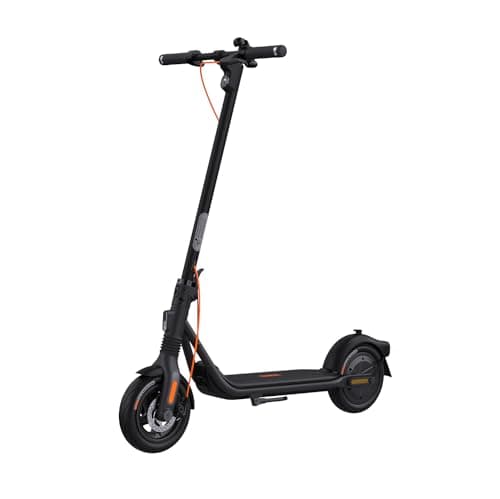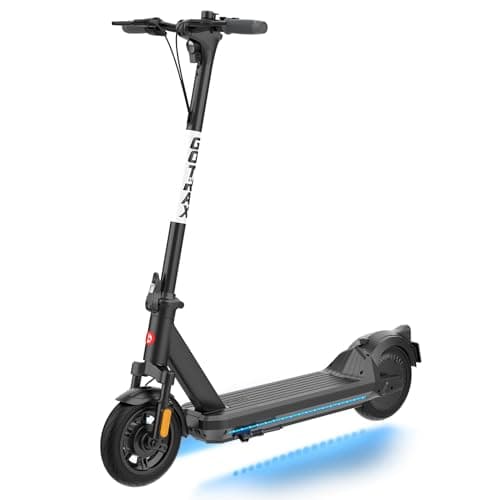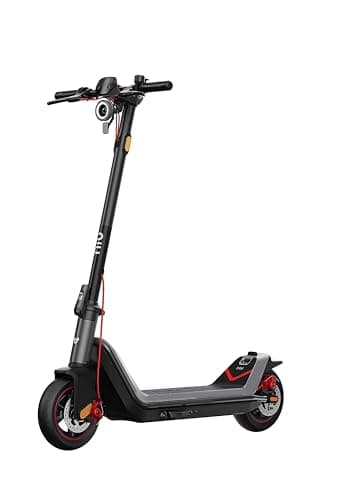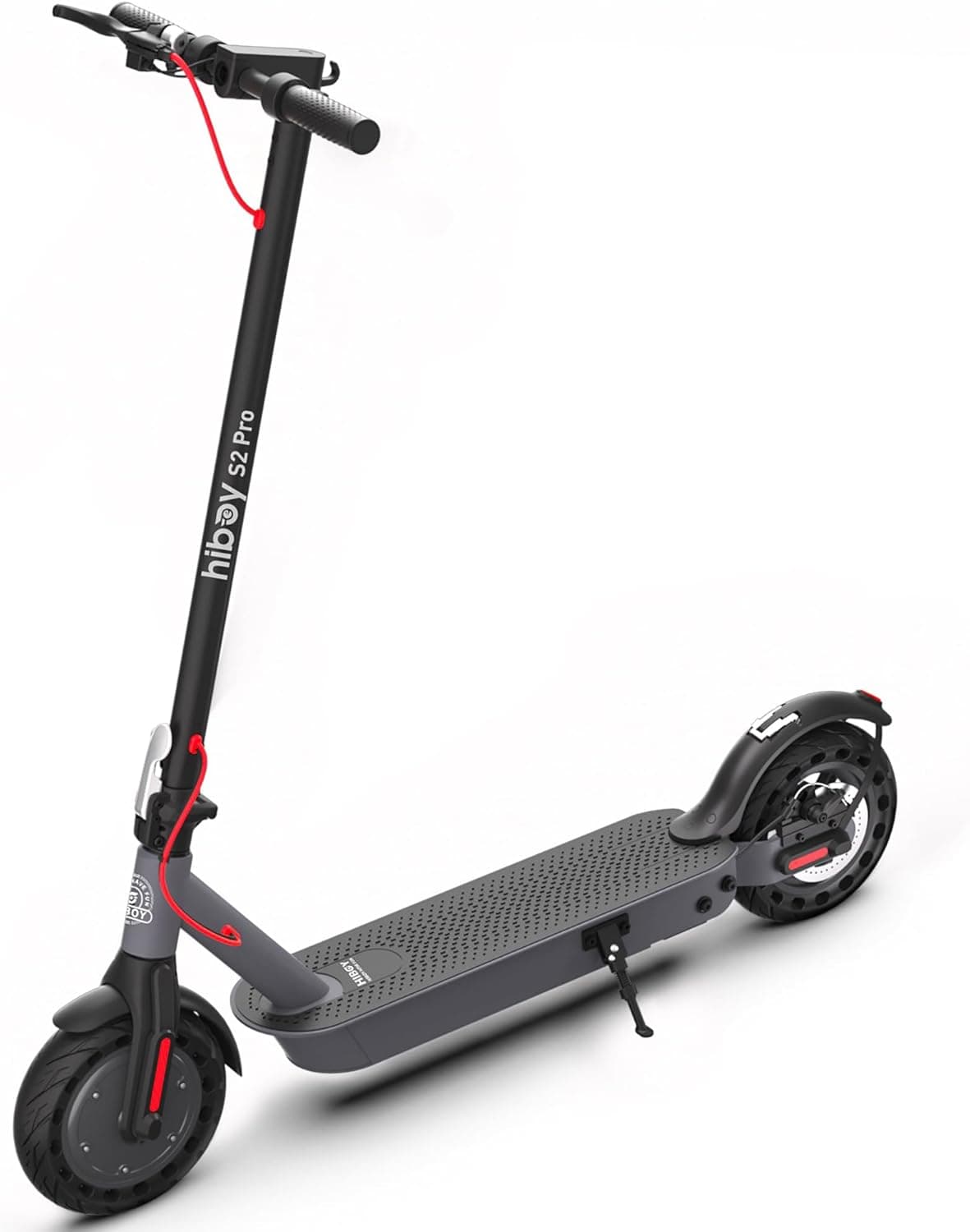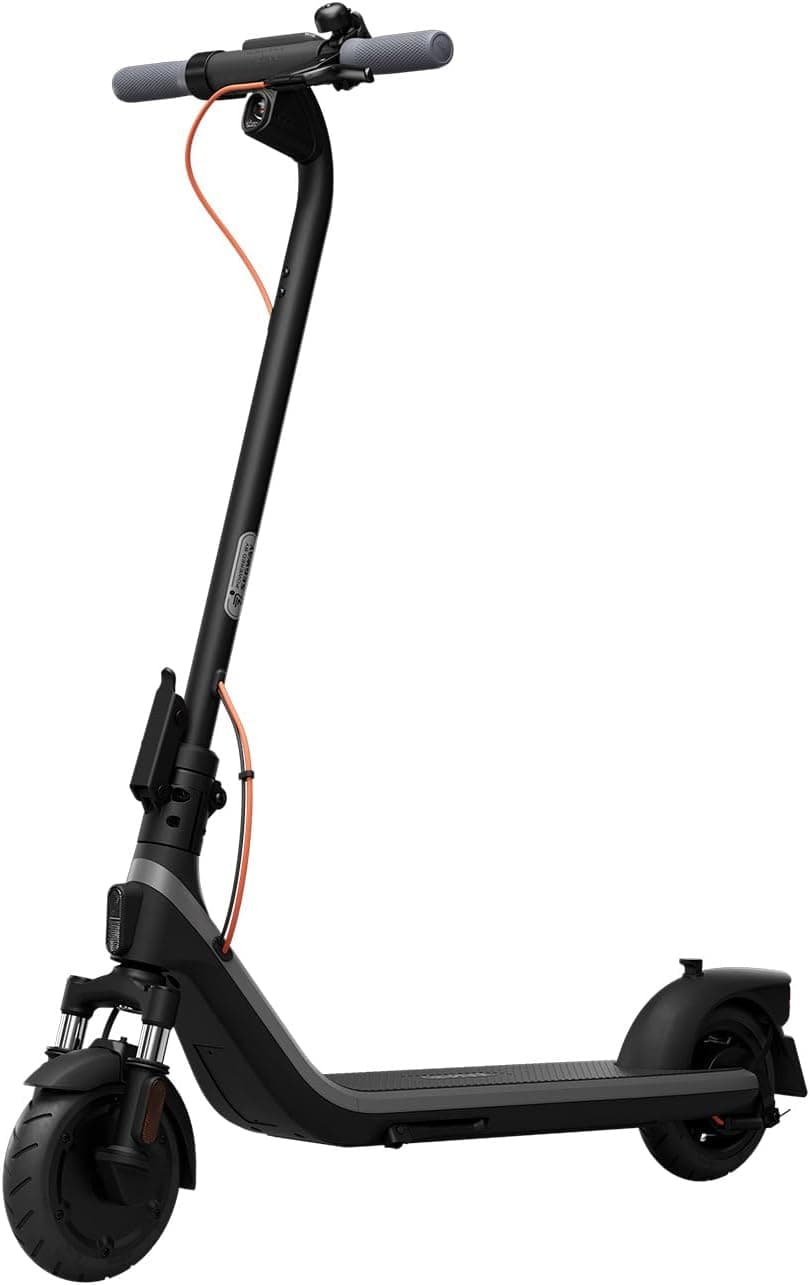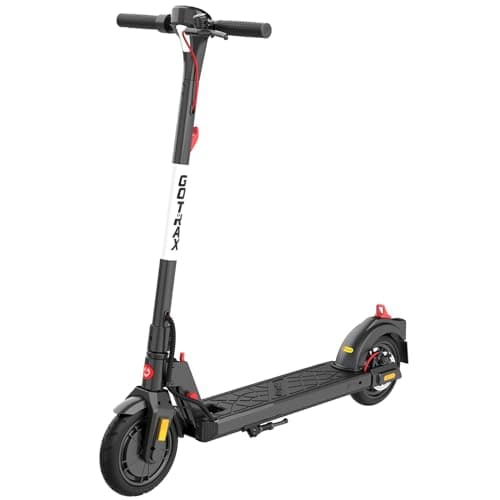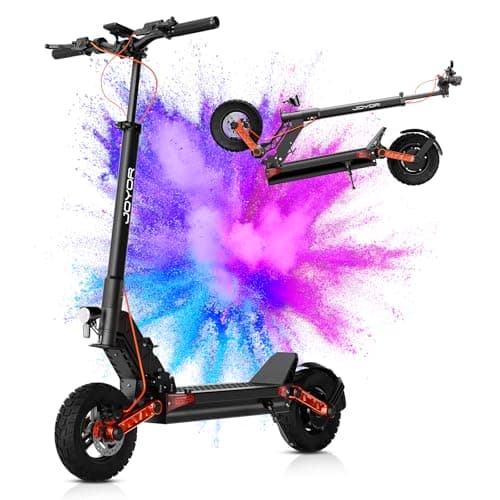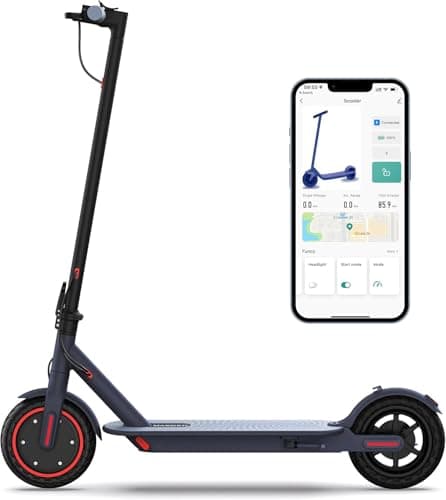
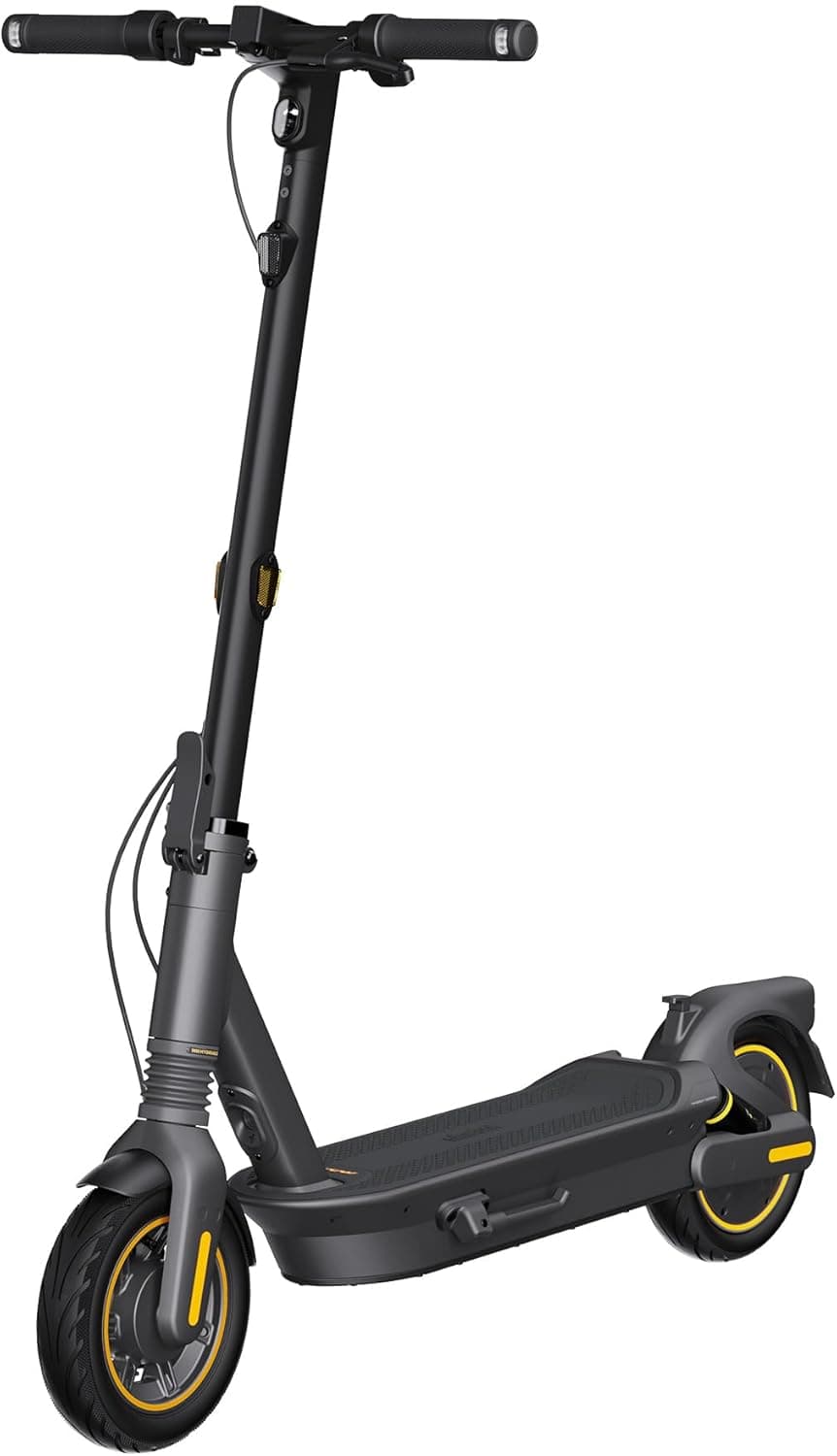
Manufacturer-claimed ranges are tested under ideal conditions — flat terrain, 150 lb rider, moderate speed, warm weather. Real-world range is typically 60-80% of the claimed figure. For example, the Segway Max G3 claims 50 miles but most riders report 35-40 miles in mixed urban conditions. The Segway G30P's 40-mile claim translates to roughly 25-32 real-world miles. Factors that reduce range include hills, rider weight, cold weather, high speed riding, and frequent stop-and-go. For commuting, we recommend choosing a scooter with at least twice your one-way commute distance in claimed range.
Electric scooter laws vary significantly by city and state. Most US cities allow electric scooters on bike lanes and roads with speed limits under 25-35 mph, but sidewalk riding is typically prohibited. Some cities cap scooter speed at 15 mph regardless of the scooter's capability. High-performance scooters like the Ausom DT2 Pro (42 mph) may exceed legal speed limits in many jurisdictions. Always check your local regulations before purchasing — key things to verify include speed limits, required safety equipment (helmets, lights), age restrictions, and where you're allowed to ride.
Pneumatic (air-filled) tires provide a significantly smoother ride by absorbing road vibrations and bumps, similar to bicycle tires. They offer better traction, especially on wet surfaces. The downside is they can get flat tires. Solid tires are puncture-proof and maintenance-free, but they transmit every bump directly to the rider and offer less grip. Tubeless pneumatic tires (like those on the NIU KQi3 Pro) split the difference — they ride like pneumatics but are more puncture-resistant. For daily commuting on city streets, we strongly recommend pneumatic or tubeless tires for comfort.
For casual recreational riding or very short commutes under 3 miles, a budget scooter in the $300-400 range like the NIU KQi 100P provides adequate performance. For daily commuting of 5-10 miles each way, invest in the $500-700 range — the Segway G30P or MAX G2 deliver the range, speed, and durability that daily use demands. Performance scooters above $1,000 are best suited for enthusiasts, long-distance commuters, or riders who need serious hill-climbing power. We generally advise against sub-$200 scooters as they often sacrifice safety, battery quality, and durability.
Most quality electric scooter batteries last 500-1,000 full charge cycles before capacity degrades noticeably — roughly 2-4 years of daily commuting use. Segway and NIU scooters tend to have excellent battery longevity due to their battery management systems. To maximize battery life: avoid fully depleting the battery before charging, don't leave it plugged in for days after reaching 100%, store the scooter indoors during extreme cold, and charge to 80% for daily use rather than always topping off to 100%. Replacement batteries for popular models like the Segway G30P are widely available.
If your commute is primarily on smooth, well-maintained roads, you can get by without suspension — the pneumatic tires on scooters like the Segway G30P absorb minor bumps adequately. However, if you ride on rough city streets with potholes, cracked pavement, or cobblestones, suspension transforms the experience from jarring to comfortable. The Segway MAX G2 offers a good dual-suspension setup at a mid-range price, while the G3 and Kukirin G2 Master provide premium suspension for the roughest conditions. For rides over 5 miles, suspension significantly reduces rider fatigue.