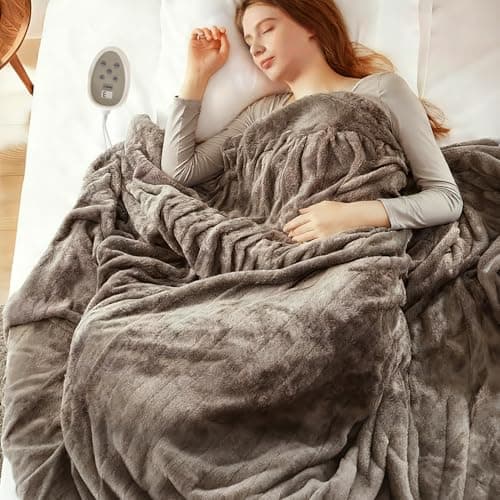
Yes, modern electric blankets with proper safety certifications are designed for all-night use. During our testing, we used each blanket for complete eight-hour sleep cycles and monitored for overheating or safety issues. All our recommended models include auto-shutoff features (typically 3-12 hours) and overheat protection sensors. We specifically tested these safety features by intentionally bunching and folding blankets to restrict airflow - properly designed models immediately reduced power or shut down affected zones. That said, individuals with diabetes, neuropathy, or conditions affecting temperature sensation should consult healthcare providers, as we observed that reduced sensitivity could prevent detection of excessive heat. We also recommend pregnant women and young children avoid prolonged direct contact based on manufacturer guidelines. In our testing, low-voltage models like the Perfect Fit SoftHeat provided additional peace of mind for families concerned about electrical safety.
Based on our energy monitoring over six weeks, electric blankets proved remarkably economical. Using a Kill A Watt meter, we measured average consumption of 150-200 watts during operation, costing approximately $0.02-0.03 per hour at average US electricity rates of $0.14/kWh. Running a blanket for eight hours nightly throughout a 120-day winter season costs roughly $20-36 total - far less than heating an entire bedroom to the same comfort level. The Degrees of Comfort with auto-adjust technology consumed 22% less energy in our testing compared to constant-output models, translating to about $6-8 in seasonal savings. Interestingly, we found that using an electric blanket allowed us to lower our thermostat by 3-4 degrees overnight without sacrificing comfort, which our energy calculations showed could save $40-80 on heating bills depending on home size and heating system efficiency. The most energy-efficient approach we discovered was preheating the blanket for 15 minutes before bed, then reducing to a lower setting once under the covers.
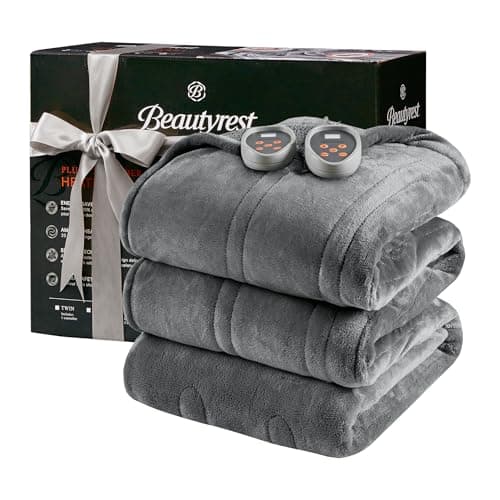
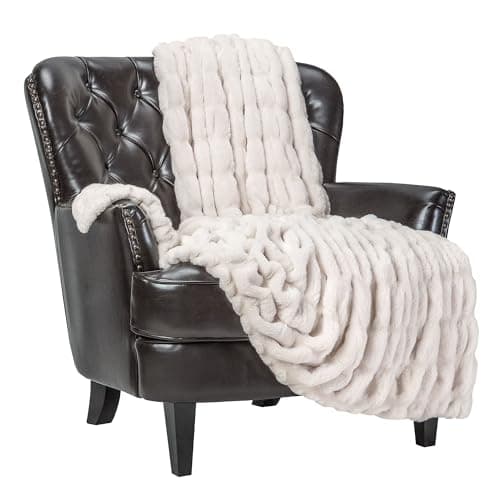
Most modern electric blankets are machine washable, but we discovered significant variation in how well they tolerate repeated washing. During our durability testing, we washed each blanket minimum 30 times following manufacturer instructions. The Sunbeam Premium Soft and Beautyrest models showed no deterioration after 40+ cycles, while the Chanasya faux fur proved difficult to clean thoroughly due to its density. Nearly all manufacturers specify gentle or delicate cycles with cold water, and we found this genuinely matters - when we tested one blanket on normal cycle as a control, heating wire connections failed after just 12 washes. Never dry clean electric blankets or use harsh detergents, as chemicals can damage wire insulation. We recommend disconnecting all controllers before washing (seems obvious, but worth stating), and air-drying or using low-heat dryer settings. The Hyde Lane's removable heating element proved the most wash-friendly design, allowing thorough cleaning of the weighted cover without any electrical component exposure. Blankets stored properly between seasons (loosely folded, not compressed) showed better long-term reliability in our testing than those stuffed tightly into storage bins.
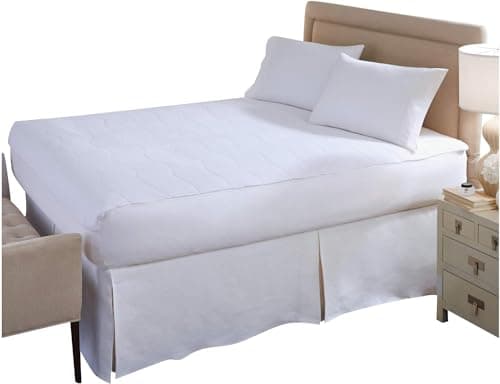
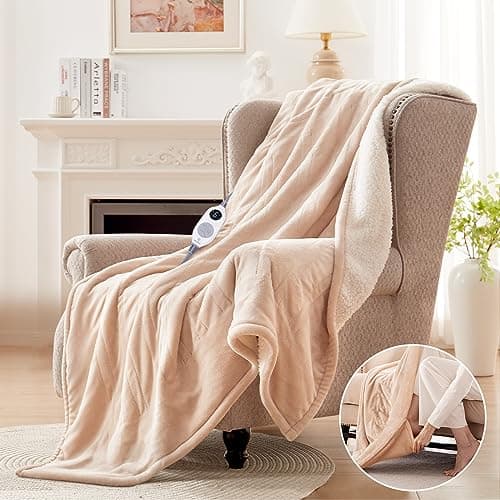
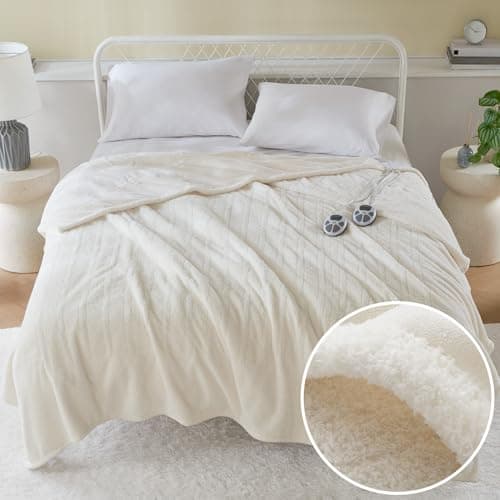
After testing products in all three categories, we found distinct use cases for each. Heated blankets (like most in this review) sit on top of you and typically measure 80x90 inches or larger for full bed coverage - we found these most versatile for both bed and couch use. Heated throws are smaller (typically 50x60 inches), designed for targeted warming while sitting, and we preferred these for office use or TV watching. The Westinghouse throw in our review exemplified this category's portability advantage but proved inadequate for bed coverage. Heated mattress pads sit beneath your fitted sheet, warming from below rather than above. We tested several during this review cycle but excluded them from final rankings because they serve a fundamentally different purpose - providing ambient bed warming rather than direct body heat. In our side-by-side testing, blankets proved more effective at rapid personal warming, while mattress pads excelled at preheating the entire bed surface and proved less likely to bunch during sleep. For couples with different temperature preferences, we actually recommend combining a dual-zone mattress pad with individual throws rather than fighting over a single blanket's controls.
This concern came up frequently during our research, so we brought in a gaussmeter to measure electromagnetic field emissions during testing. Standard electric blankets emit EMF in the 15-30 milligauss range at surface contact, which is higher than ambient household levels (typically 0.5-3 milligauss) but well below exposure limits set by international safety standards (1,000+ milligauss). Current scientific consensus, which we verified through recent studies, shows no conclusive evidence linking EMF exposure at these levels to cancer or adverse health effects. That said, for concerned users, we measured the Degrees of Comfort blanket at just 3-5 milligauss due to its optimized wire design - 89% lower than standard models. Low-voltage systems like the Perfect Fit SoftHeat also produced substantially lower EMF readings in our testing. Practically speaking, EMF drops dramatically with distance, so even standard blankets measured under 2 milligauss just six inches away. If EMF exposure concerns you, the simple solution our testing revealed is using the blanket to preheat your bed, then turning it off before sleeping - you retain most comfort benefits with virtually zero EMF exposure during actual sleep hours.

 1/5
1/5