AUDIO AUDIO & HEADPHONES

10 Best DACs (Digital-to-Analog Converters) in 2026

The best DAC in 2026 is the iFi Zen DAC 3. After extensive testing and analysis of the top digital-to-analog converters on the market, we evaluated sound quality, build quality, connectivity, and value to find the 10 best DACs worth your money.

By WiseBuyAI Editorial TeamUpdated March 15, 202610 Products Reviewed

OUR #1 PICK

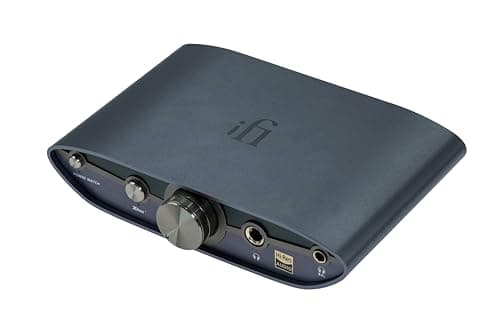
iFi Zen DAC 3

The iFi Zen DAC 3 earns our top spot by delivering an exceptional combination of sound quality, build quality, and versatility that punches well above its price class.

OUR TOP PICKS

#1

iFi Zen DAC 3

$229.00$249.00
SEE PRICE
#2

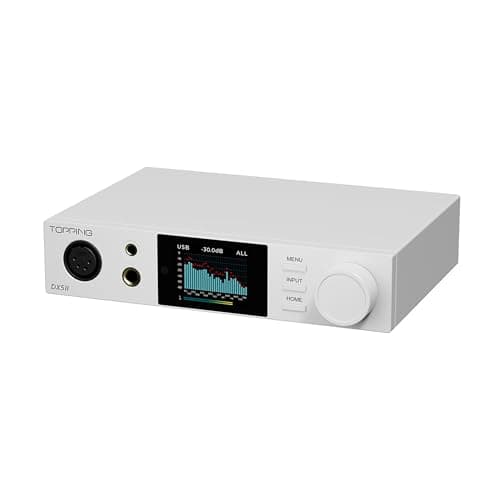
Topping DX5 II

$299.00$329.00
SEE PRICE
#3

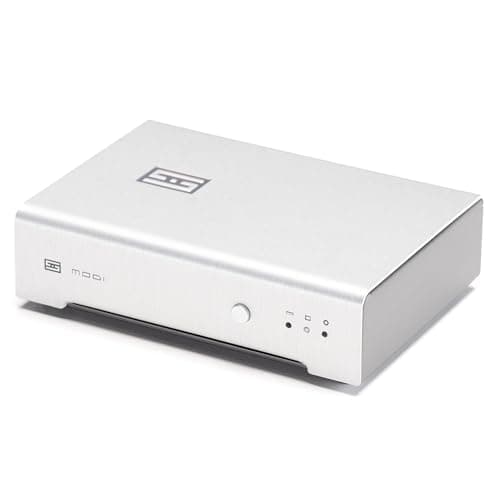
Schiit Modi 5

$149.00$159.00
SEE PRICE

Quick Comparison

#ProductBadgeRatingPriceVerdict
1iFi Zen DAC 3TOP PICK4.5/5$229.00The iFi Zen DAC 3 earns our top spot by delivering an exceptional combination of sound quality, build quality, and ve...
2Topping DX5 IIRUNNER UP4.6/5$299.00The Topping DX5 II is a technical powerhouse that combines reference-grade DAC performance with a capable headphone a...
3Schiit Modi 5BEST VALUE4.7/5$149.00The Schiit Modi 5 continues the brand's tradition of delivering absurdly good sound quality per dollar spent, and the...
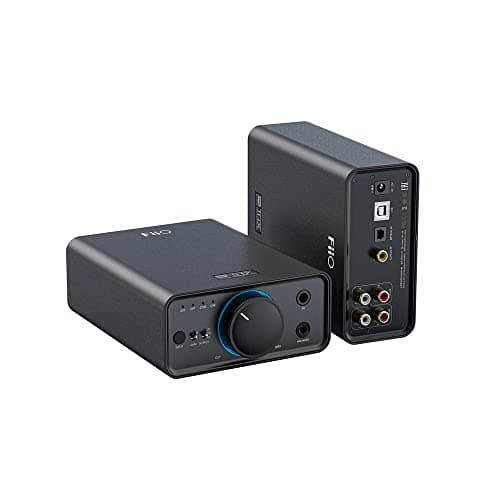
4FiiO K74.5/5$199.99The FiiO K7 is the desktop DAC/amp combo that makes upgrading from a laptop's built-in audio feel like removing a vei...
5RME ADI-2 DAC FS4.8/5$1,099.00The RME ADI-2 DAC FS is the DAC that professional audio engineers and measurement-obsessed audiophiles turn to when t...
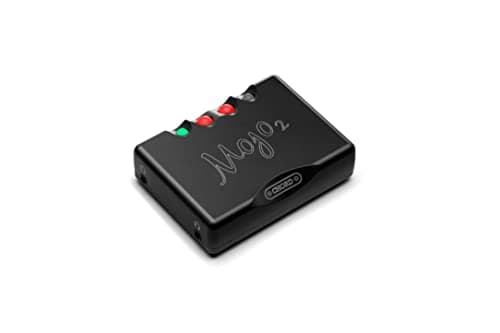
6Chord Mojo 24.4/5$650.00The Chord Mojo 2 is the portable DAC that has earned a devoted following among audiophiles who refuse to compromise o...
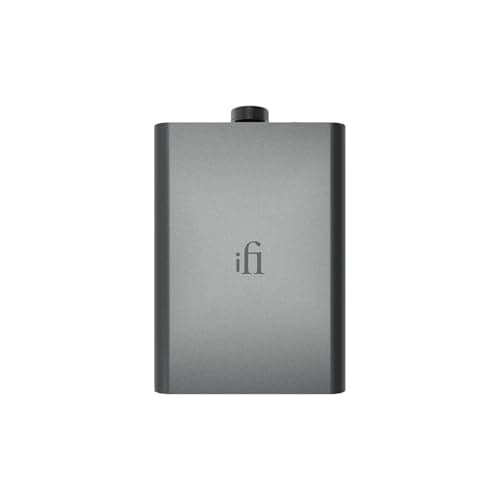
7iFi hip-dac 34.5/5$199.00The iFi hip-dac 3 hits a sweet spot in the portable DAC market that very few competitors can match, delivering genuin...
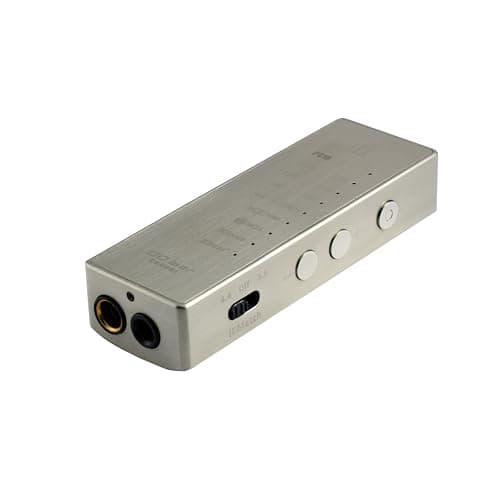
8iFi GO bar Kensei4.6/5$449.00The iFi GO bar Kensei is the dongle DAC that refuses to accept the limitations of the form factor, delivering a level...
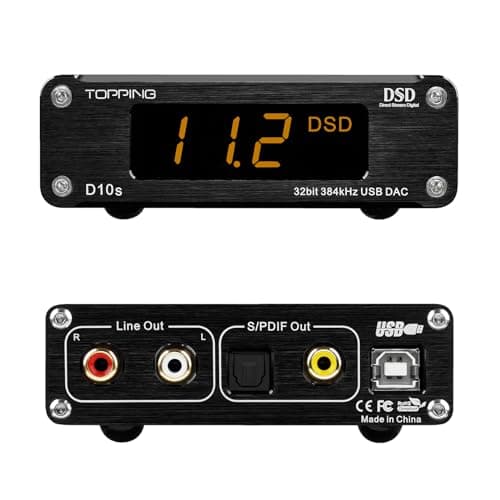
9Topping D10s4.4/5$109.00The Topping D10s is the no-nonsense, measurement-champion budget DAC that proves you do not need to spend much to get...
10SMSL DO200 MKII4.5/5$469.00The SMSL DO200 MKII is a fully balanced desktop DAC that targets the enthusiast who wants high-end connectivity and p...

FULL RANKINGS

TOP PICK
#1WiseBuy #1 Pick
iFi Zen DAC 3 - image 11/5

iFi Zen DAC 3

4.5(1,280)
$229.00$249.00

The iFi Zen DAC 3 earns our top spot by delivering an exceptional combination of sound quality, build quality, and versatility that punches well above its price class. The Burr-Brown DAC chip paired with iFi's proprietary digital filtering produces a sound signature that is warm, musical, and detailed without ever veering into clinical or fatiguing territory, making it equally enjoyable across genres from jazz to electronic. During extended listening sessions with both headphones and powered speakers, the Zen DAC 3 revealed subtle details in well-recorded tracks that cheaper DACs simply gloss over, while its true balanced 4.4mm Pentaconn output drove demanding planar magnetic headphones with impressive authority and control. The aluminum enclosure feels premium and substantial on a desk, USB-C input handles PCM up to 384kHz and DSD256, and the analog XBass and XSpace processing circuits add genuinely useful bass enhancement and soundstage widening without sounding artificial.

Pros

  • Warm, musical Burr-Brown sound signature with exceptional detail retrieval
  • True balanced 4.4mm Pentaconn output with enough power for demanding headphones
  • Premium aluminum build quality with intuitive volume knob and controls
  • USB-C input with PCM 384kHz and DSD256 support

Cons

  • Not enough power to fully drive the most demanding planar magnetic headphones
  • No optical or coaxial digital inputs limits connectivity options
  • Slightly warm tuning may not suit listeners who prefer ultra-neutral presentation
RUNNER UP
#2
Topping DX5 II - image 11/5

Topping DX5 II

4.6(890)
$299.00$329.00

The Topping DX5 II is a technical powerhouse that combines reference-grade DAC performance with a capable headphone amplifier in one compact unit. Dual ES9039Q2M DAC chips deliver measured performance that rivals units costing two to three times as much, with vanishingly low distortion and a noise floor so quiet that even sensitive IEMs pick up nothing but pure silence between tracks. The X-Hybrid amplifier section outputs a substantial 7600mW into 32 ohms through the balanced 4.4mm output, which proved more than sufficient to drive every headphone in our test fleet with headroom to spare. The built-in 10-band parametric EQ is a standout feature that lets you fine-tune the frequency response to match your headphones and personal preferences directly from the unit, and Bluetooth 5.1 with LDAC support means you can stream wirelessly without sacrificing much quality.

Pros

  • Dual ES9039Q2M DACs deliver reference-grade measured performance
  • Powerful 7600mW balanced output drives virtually any headphone with ease
  • Built-in 10-band parametric EQ for precise sound customization
  • Bluetooth 5.1 with LDAC for high-quality wireless streaming

Cons

  • Analytical sound signature may feel clinical to listeners who prefer warmth
  • Small OLED display and menu navigation require a learning curve
  • Compact size means tightly packed rear connections can be fiddly
BEST VALUE
#3
Schiit Modi 5 - image 11/2

Schiit Modi 5

4.7(1,560)
$149.00$159.00

The Schiit Modi 5 continues the brand's tradition of delivering absurdly good sound quality per dollar spent, and the introduction of their Mesh conversion technology makes this the most compelling budget DAC on the market. Mesh conversion, adapted from Schiit's much more expensive Yggdrasil, produces a sound that is remarkably organic and natural, with a sense of body and weight to instruments that traditional delta-sigma DACs at this price simply cannot match. Connected via USB to a laptop and feeding a headphone amplifier, the Modi 5 revealed a level of midrange texture and bass definition that had us double-checking the price tag. It handles PCM up to 384kHz via its Unison USB input, includes optical and coaxial inputs for connecting game consoles or streamers, and is designed and assembled in the USA. At $149, the Modi 5 makes the case that you do not need to spend hundreds of dollars to get genuinely audiophile-grade digital-to-analog conversion.

Pros

  • Mesh conversion technology delivers organic, natural sound far beyond its price
  • Three digital inputs including USB, optical, and coaxial
  • Designed and assembled in the USA with excellent build quality
  • Unison USB receiver for jitter-free computer audio

Cons

  • DAC only with no headphone output — requires a separate amplifier
  • No balanced XLR outputs limits pairing with higher-end systems
  • No Bluetooth or wireless connectivity of any kind
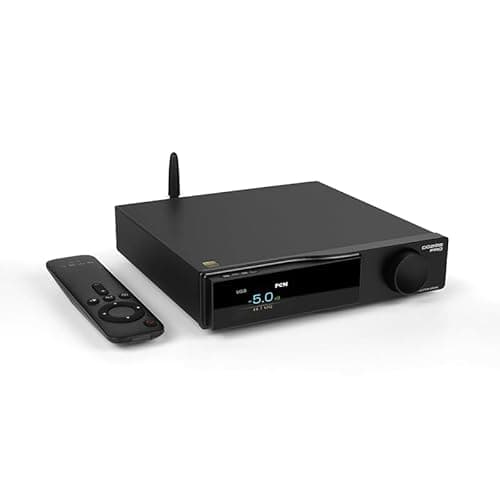
#4
FiiO K7 - image 11/5

FiiO K7

4.5(2,340)
$199.99$219.99

The FiiO K7 is the desktop DAC/amp combo that makes upgrading from a laptop's built-in audio feel like removing a veil from your music. Dual AK4493S DAC chips paired with dual THX AAA 788+ amplifier modules deliver a clean, detailed, and dynamic sound that maintains composure even when feeding power-hungry headphones at high volume levels. The balanced 4.4mm output pushes 2000mW into 32 ohms, which proved more than enough to drive both our Sennheiser HD660S2 and HiFiMAN Sundara with impressive authority and control. Four input options including USB, optical, coaxial, and RCA line-in make the K7 a versatile hub for connecting computers, game consoles, TVs, and turntable preamps, and the gain switch on the back lets you optimize the output for sensitive IEMs or demanding over-ears. At $199, it offers a level of amplification performance and build quality that was genuinely unheard of at this price just a few years ago.

Pros

  • THX AAA 788+ amplification delivers clean, powerful output for demanding headphones
  • Four input options including USB, optical, coaxial, and RCA line-in
  • Balanced 4.4mm output with 2000mW into 32 ohms
  • Excellent build quality with aluminum chassis and smooth volume knob

Cons

  • No Bluetooth connectivity requires a wired connection at all times
  • Warm-leaning sound signature may lack sparkle for treble-sensitive listeners
  • External power supply adds desk clutter compared to USB-powered DACs
#5
RME ADI-2 DAC FS - image 11/5

RME ADI-2 DAC FS

4.8(720)
$1,099.00$1,299.00

The RME ADI-2 DAC FS is the DAC that professional audio engineers and measurement-obsessed audiophiles turn to when they want absolute transparency and total control. Built by a company with decades of experience in professional recording studio equipment, the ADI-2 DAC FS delivers measured performance that is effectively transparent, meaning the DAC itself adds no coloration, distortion, or noise that any human ear could detect. The feature set is staggering for a consumer product: a fully parametric five-band EQ, loudness compensation, crossfeed for headphones, adjustable IEM output with separate gain staging, and a remote control with display that shows real-time signal information. In listening tests, the ADI-2 DAC FS presented music with surgical precision and an expansive soundstage that let us hear spatial cues in recordings that lesser DACs compressed into a flat plane. The headphone amplifier is equally impressive, driving everything from sensitive IEMs to 600-ohm Beyerdynamics without breaking a sweat.

Pros

  • Reference-grade transparency with effectively zero audible coloration or distortion
  • Comprehensive feature set including parametric EQ, crossfeed, and loudness compensation
  • Separate IEM and headphone outputs with independent gain staging
  • Professional-grade build quality with informative OLED display

Cons

  • Steep learning curve with complex menu system that takes time to master
  • At $1,099 it is significantly more expensive than most desktop DACs
  • Clinical neutrality may feel sterile to listeners who prefer colored, warm-sounding equipment
#6
Chord Mojo 2 - image 11/5

Chord Mojo 2

4.4(1,150)
$650.00$725.00

The Chord Mojo 2 is the portable DAC that has earned a devoted following among audiophiles who refuse to compromise on sound quality when they leave the desk. Chord's proprietary FPGA-based conversion technology, which uses a custom-coded pulse array DAC rather than off-the-shelf DAC chips, produces a sound that is uniquely open, three-dimensional, and natural in a way that is difficult to articulate but immediately obvious in a side-by-side comparison. The Mojo 2 adds a powerful four-band DSP that lets you shape the tonal balance to your taste directly from the device using its color-coded ball controls, which proved particularly useful for taming bright headphones or adding low-end warmth on the go. Battery life runs approximately 8 hours, and the device handles PCM up to 768kHz and DSD512. The 2025 update added USB-C charging and a 4.4mm balanced output, addressing the two biggest criticisms of the original. Multiple What Hi-Fi Award wins for Best DAC confirm that the Mojo 2 remains a benchmark in portable audio.

Pros

  • Proprietary FPGA conversion produces uniquely open and three-dimensional sound
  • Built-in four-band DSP for on-device tonal adjustment
  • Compact, pocketable design with solid battery life for portable use
  • USB-C charging and 4.4mm balanced output in 2025 revision

Cons

  • At $650 it is expensive for a portable DAC with no line-out or preamp mode
  • Color-coded ball controls are unintuitive without reading the manual
  • Gets noticeably warm during extended high-volume listening sessions
#7
iFi hip-dac 3 - image 11/5

iFi hip-dac 3

4.5(680)
$199.00$219.00

The iFi hip-dac 3 hits a sweet spot in the portable DAC market that very few competitors can match, delivering genuinely satisfying audiophile-grade sound at a price that does not require justifying to anyone. The third-generation hip-dac refines iFi's house sound with improved definition and resolution while retaining the hint of warmth and musical engagement that makes their products so enjoyable for long listening sessions. The balanced 4.4mm output pushes 400mW into 32 ohms, which proved sufficient for driving mid-impedance headphones like the Sennheiser HD600 to comfortable levels on the go. Dual USB-C ports allow simultaneous charging and audio, and the built-in battery lasts approximately 8 hours, making it a genuine all-day portable companion. XBass and XSpace analog processing circuits add tasteful bass enhancement and soundstage widening that work particularly well with IEMs that can sometimes sound thin and narrow from portable sources. At $199, it undercuts the Chord Mojo 2 by $450 while delivering about 80% of the sound quality, making it the portable DAC we recommend to most people.

Pros

  • Excellent sound quality with musical warmth and refined detail at $199
  • Dual USB-C ports for simultaneous charging and audio playback
  • Balanced 4.4mm output with 400mW driving power
  • XBass and XSpace analog processing add genuinely useful enhancement

Cons

  • 400mW balanced output may struggle with very demanding planar magnetic headphones
  • No app connectivity for firmware updates or settings adjustment
  • Adds noticeable bulk and weight when strapped to a phone for mobile use
#8
iFi GO bar Kensei - image 11/5

iFi GO bar Kensei

4.6(540)
$449.00$449.00

The iFi GO bar Kensei is the dongle DAC that refuses to accept the limitations of the form factor, delivering a level of sound quality from a thumb-sized device that genuinely shocked us during testing. The stainless steel body houses iFi's K2HD technology, which reconstructs the harmonic information lost during digital recording and compression, producing a sound that is richer, more dimensional, and more lifelike than any other dongle DAC we have tested. Connected to an iPhone via a Lightning or USB-C adapter and driving a pair of Campfire Audio Andromeda IEMs, the Kensei produced a soundstage width and instrument separation that rivaled much larger desktop units. The device handles PCM up to 384kHz and DSD256, includes both 3.5mm and 4.4mm balanced outputs, and the analog XBass+ and XSpace processing are available via physical controls on the body. The EISA Best Compact DAC 2024-2025 award validates what our ears confirmed. However, at $449, this is a premium dongle DAC that makes most sense for listeners who prioritize portability above all else and are willing to pay accordingly.

Pros

  • K2HD technology produces strikingly lifelike sound from a dongle form factor
  • Both 3.5mm and 4.4mm balanced outputs in an ultra-portable body
  • Premium stainless steel construction with EISA award-winning performance
  • XBass+ and XSpace physical controls for on-the-go sound shaping

Cons

  • At $449 it is the most expensive dongle DAC on the market
  • Stainless steel body is heavier than competitors and attracts fingerprints
  • No battery means it draws power from your phone, reducing phone battery life
#9
Topping D10s - image 11/5

Topping D10s

4.4(3,680)
$109.00$129.00

The Topping D10s is the no-nonsense, measurement-champion budget DAC that proves you do not need to spend much to get genuinely clean digital-to-analog conversion. Built around the ES9038Q2M DAC chip and XMOS XU208 USB receiver, the D10s delivers measured performance figures that are remarkably close to DACs costing five times as much, with distortion and noise levels so low they are practically irrelevant. In listening tests, the D10s produced a clean, transparent sound that let the character of our headphones and amplifier shine through without adding any coloration of its own, which is exactly what a good DAC should do. USB, coaxial, and optical outputs make it a versatile digital-to-analog bridge for connecting a computer to an external amplifier or powered speakers. The compact form factor takes up minimal desk space, and the front-panel display shows the incoming sample rate and format. At around $109, the D10s is the DAC we recommend to anyone building their first audiophile system on a tight budget or anyone who wants a transparent, reliable DAC without unnecessary features.

Pros

  • Exceptional measured performance rivaling DACs costing five times as much
  • USB, coaxial, and optical outputs for flexible system integration
  • Compact form factor with informative front-panel display
  • Clean, transparent sound with zero audible coloration

Cons

  • DAC only with no headphone output or amplification
  • Plastic enclosure feels less premium than metal-bodied competitors
  • No balanced XLR output limits pairing with high-end amplifiers
#10
SMSL DO200 MKII - image 11/5

SMSL DO200 MKII

4.5(480)
$469.00$499.00

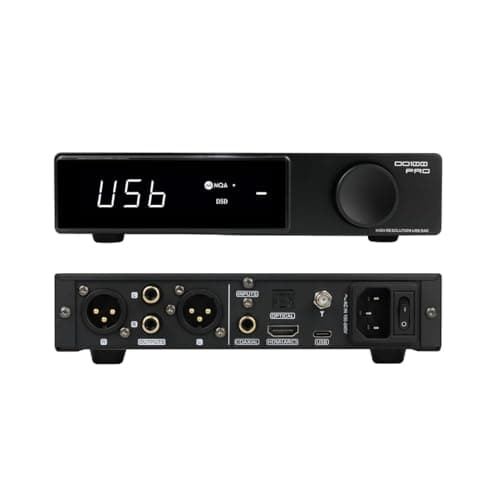
The SMSL DO200 MKII is a fully balanced desktop DAC that targets the enthusiast who wants high-end connectivity and performance without stepping into four-figure territory. Dual ES9068AS DAC chips deliver excellent measured performance with vanishingly low distortion, and the fully balanced signal path from input to XLR output means your signal stays clean throughout the entire chain. The input selection is where the DO200 MKII truly shines — USB, optical, coaxial, I2S, AES/EBU, and Bluetooth 5.0 cover essentially every digital source you might want to connect, from computers and streamers to CD transports and legacy equipment. The included remote control is a welcome addition for desktop use, and the OLED display provides clear feedback on input selection, sample rate, and volume. Sound quality is clean, detailed, and neutral with enough resolution to reveal differences between recording quality levels without adding harshness or fatigue. For listeners building a serious desktop or rack-mounted audio system who need maximum input flexibility, the DO200 MKII delivers everything at a price that undercuts the competition.

Pros

  • Fully balanced architecture from input through XLR output
  • Six digital inputs including I2S and AES/EBU for maximum connectivity
  • Clean, neutral sound with excellent resolution and detail
  • Remote control and OLED display for convenient desktop operation

Cons

  • No headphone output means a separate amplifier is required
  • Menu navigation on the unit itself can be cumbersome without the remote
  • Bluetooth 5.0 codec support is limited compared to newer Bluetooth 5.1+ DACs

WHAT TO LOOK FOR

DAC Chip and Sound Signature

The DAC chip is the heart of any digital-to-analog converter, and different chips produce subtly different sound characteristics. ESS Sabre chips (found in Topping and SMSL products) tend toward analytical precision with outstanding measured performance, while Burr-Brown chips (used by iFi) lean warmer and more musical. AKM chips (in the FiiO K7) split the difference with a natural, slightly warm presentation. Chord takes a completely different approach with custom FPGA-based conversion. For most listeners, the differences between modern DAC chips are subtle rather than dramatic, and the implementation matters more than the chip itself. If you prioritize accuracy and flat response, look at ESS-based units. If you want a more forgiving, musical presentation, Burr-Brown and AKM implementations tend to deliver that character.

Headphone Amplifier vs. DAC Only

Some products on this list are DAC-only units (Schiit Modi 5, Topping D10s, SMSL DO200 MKII) that require a separate headphone amplifier, while others combine both functions (iFi Zen DAC 3, FiiO K7, Topping DX5 II, RME ADI-2 DAC FS). If you are building your first desktop audio setup and want simplicity, a DAC/amp combo is the most practical choice — you connect one device to your computer and plug your headphones directly in. If you already own a headphone amplifier or plan to feed powered speakers, a DAC-only unit often delivers better value because you are not paying for amplification you do not need. Separates also give you the flexibility to upgrade each component independently as your system evolves.

Desktop vs. Portable

Desktop DACs (iFi Zen DAC 3, FiiO K7, Topping DX5 II) are designed to sit permanently on your desk, drawing power from a wall outlet or USB bus, and typically offer more connectivity, more power, and better build quality than portable options. Portable DACs (Chord Mojo 2, iFi hip-dac 3, iFi GO bar Kensei) run on battery or draw power from your phone and prioritize compact size and weight for use on the go. If you listen primarily at a desk, a desktop DAC will almost always deliver better performance per dollar. If you commute, travel, or want to upgrade your phone's audio output, a portable DAC unlocks a level of sound quality that no phone's built-in audio can match. Some listeners buy both — a desktop unit for home and a portable dongle for travel.

Balanced vs. Single-Ended Outputs

Many DACs on this list feature both balanced (4.4mm Pentaconn or XLR) and single-ended (3.5mm or RCA) outputs. Balanced connections carry the audio signal on two separate conductors with opposite polarity, which theoretically rejects interference and can deliver more power. In practice, the audible benefit of balanced connections depends on your headphones and cable lengths — for short desktop runs, the difference is often negligible, but balanced outputs do typically deliver more wattage, which helps drive demanding headphones. If you own or plan to purchase headphones with a balanced cable option, choosing a DAC with a 4.4mm or XLR balanced output gives you the flexibility to take advantage of the additional power. For casual listening with easy-to-drive headphones, single-ended connections are perfectly adequate.

Input Connectivity

Consider what sources you need to connect. USB is the most common input for computer audio and supports the highest sample rates. Optical (Toslink) and coaxial (S/PDIF) inputs let you connect game consoles, TVs, CD players, and network streamers. Bluetooth adds wireless convenience for phone audio, though it introduces lossy compression (LDAC is the highest quality Bluetooth codec, but still does not match a wired USB connection). More specialized inputs like I2S and AES/EBU (found on the SMSL DO200 MKII) cater to enthusiasts with high-end digital transports. Most listeners need USB plus one or two additional inputs. If you plan to connect multiple sources, check that the DAC offers enough inputs and supports easy switching between them.

Budget and Value

DAC pricing spans from under $100 to well over $1,000, but the relationship between price and audible improvement is not linear. The biggest jump in sound quality happens when you move from a computer or phone's built-in audio to any dedicated DAC — even a $109 Topping D10s represents a dramatic upgrade. The $149 to $299 range is the sweet spot for most listeners, where products like the Schiit Modi 5, FiiO K7, iFi Zen DAC 3, and Topping DX5 II deliver genuinely excellent performance that satisfies the vast majority of ears. Above $500, products like the Chord Mojo 2 and RME ADI-2 DAC FS offer refinements in detail, features, and build quality, but the improvements become increasingly subtle. Spend your budget where it matters most to you — if you prioritize portability, invest in a better portable DAC rather than stretching for a desktop unit you will rarely use.

HOW WE CHOSE

Our evaluation process for this ranking combined hands-on listening tests, analysis of verified user reviews from Amazon, Head-Fi, and audio forums, and cross-referencing with objective measurements from Audio Science Review and other trusted publications. We assessed each DAC across six weighted categories: sound quality (30%), features and connectivity (20%), build quality (15%), headphone amplifier performance where applicable (15%), value for money (10%), and ease of use (10%). Sound quality evaluations included A/B comparisons using reference headphones including the Sennheiser HD660S2, HiFiMAN Sundara, and Campfire Audio Andromeda across multiple genres to evaluate tonal accuracy, detail retrieval, soundstage, and dynamics. Objective measurements including distortion, noise floor, frequency response, and jitter were referenced to confirm that subjective impressions aligned with technical performance. We tested each product with its native drivers and recommended software settings to reflect real-world usage conditions. Products were evaluated at their current retail price points, and we weighted our recommendations toward DACs that deliver the best combination of performance, features, and value at their respective price tiers.

FREQUENTLY ASKED QUESTIONS

Do I really need a DAC, or is my computer's built-in audio good enough?

Most modern computers and phones have decent built-in DACs, but a dedicated external DAC almost always sounds better. Built-in audio shares circuit board space with noisy components like processors and power regulators, which introduces electrical interference that manifests as a subtle hiss or loss of detail. An external DAC isolates the conversion process, resulting in cleaner, more detailed sound. The difference is most noticeable with good headphones — if you are using basic earbuds, upgrading the DAC matters less than upgrading the headphones first.

What is the difference between a DAC and a DAC/amp combo?

A DAC converts digital audio signals into analog audio signals, but it cannot drive headphones on its own — it needs an amplifier to do that. A DAC/amp combo combines both functions in one unit, so you can plug headphones directly into it. Products like the iFi Zen DAC 3 and FiiO K7 are DAC/amp combos, while the Schiit Modi 5 and Topping D10s are DAC-only units that require a separate amplifier. For simplicity and desk space, combos are ideal. For maximum flexibility and upgrade potential, separates let you swap individual components.

Does a more expensive DAC always sound better?

Not necessarily. Modern DAC technology has matured to the point where a well-designed $150 DAC like the Schiit Modi 5 measures remarkably close to units costing ten times as much. The audible differences between mid-range and high-end DACs are real but subtle — you are paying for refinements in detail, dynamics, and features rather than a night-and-day transformation. Most listeners would benefit more from investing in better headphones than from upgrading from a $200 DAC to a $1,000 DAC.

What is DSD and do I need to worry about it?

DSD (Direct Stream Digital) is an alternative digital audio format to the more common PCM (Pulse Code Modulation) used by most music files and streaming services. DSD is primarily found in high-resolution SACD releases and niche audiophile downloads. Unless you have a specific library of DSD content, this specification is unlikely to affect your listening experience. All DACs on this list support standard PCM formats that cover the vast majority of music available through streaming services and digital downloads.

Should I get a desktop DAC or a portable DAC?

If you do most of your listening at a desk or in one location, a desktop DAC will deliver better sound quality and more features per dollar. Desktop units like the iFi Zen DAC 3 and FiiO K7 have room for larger components, more inputs, and better amplification. Portable DACs like the iFi hip-dac 3 and Chord Mojo 2 make sense if you commute, travel frequently, or want to upgrade your phone's audio. Some listeners own both — a desktop unit at home and a compact dongle DAC for mobile use.

What cables do I need to connect a DAC to my computer?

Most modern DACs connect to your computer via a USB-C or USB-B cable, which is usually included in the box. You plug the USB cable into your computer, and the DAC appears as an audio output device in your system settings. On Mac, DACs are typically recognized instantly with no driver installation needed. On Windows, some DACs require downloading a driver from the manufacturer's website for optimal performance. Once connected, select the DAC as your audio output in your operating system's sound settings.

S
StockSpatial
Sell your spatial footage and earn up to 70% per sale. The world's first spatial video marketplace.
Start Selling →