OFFICE HOME OFFICE

10 Best Computer Speakers of 2026

The best computer speaker of 2026 is the Klipsch ProMedia 2.1 THX. We tested and compared the top desktop speaker systems of 2026, from the legendary Klipsch 2.1 setup to audiophile-grade Audioengine bookshelf speakers and budget-friendly Creative Pebbles. Whether you want thundering bass, studio-accurate sound, or a sleek minimal setup, these are the computer speakers worth your money.

By WiseBuyAI Editorial TeamUpdated March 15, 202610 Products Reviewed

OUR #1 PICK

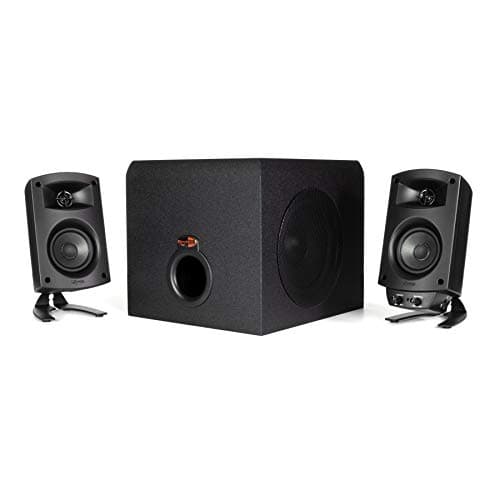
Klipsch ProMedia 2.1 THX Certified Computer Speaker System

The Klipsch ProMedia 2.1 THX has been the benchmark desktop speaker system for over two decades, and in 2026 it still holds its crown by delivering 200 watts of peak power through a setup that most gaming headsets and soundbars simply cannot match.

OUR TOP PICKS

#1

Klipsch ProMedia 2.1 THX Certified Computer Speaker System

$179.00
SEE PRICE
#2

Audioengine A2+ Wireless Bluetooth Desktop Speakers

$269.00
SEE PRICE
#3

Edifier R1380DB Bluetooth Bookshelf Speakers

$119.99
SEE PRICE

Quick Comparison

#ProductBadgeRatingPriceVerdict
1Klipsch ProMedia 2.1 THX Certified Computer Speaker SystemTOP PICK4.7/5$179.00The Klipsch ProMedia 2.1 THX has been the benchmark desktop speaker system for over two decades, and in 2026 it still...
2Audioengine A2+ Wireless Bluetooth Desktop SpeakersRUNNER UP4.6/5$269.00The Audioengine A2+ Wireless is what you buy when you want audiophile-grade desktop sound in a compact footprint that...
3Edifier R1380DB Bluetooth Bookshelf SpeakersBEST VALUE4.6/5$119.99The Edifier R1380DB hits a rare sweet spot between feature count, sound quality, and price that makes it the most wel...
4Logitech Z623 2.1 Speaker System4.6/5$99.99The Logitech Z623 is the definition of a proven workhorse — it has been THX certified, consistently reviewed as a bes...
5Edifier R1280DB Powered Bluetooth Bookshelf Speakers4.5/5$79.99The Edifier R1280DB remains one of the best-selling desktop speakers on Amazon for a simple reason: it delivers Bluet...
6Logitech Z407 Bluetooth Computer Speakers with Subwoofer4.4/5$99.99The Logitech Z407 solves one of the most frustrating aspects of desktop speaker ownership — the constant cable-switch...
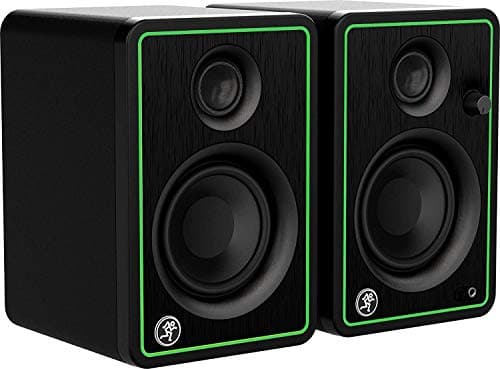
7Mackie CR3-X 3.5-Inch Multimedia Studio Monitors4.6/5$99.99The Mackie CR3-X brings genuine studio monitor heritage to the desktop at a price that makes it an unbeatable option ...
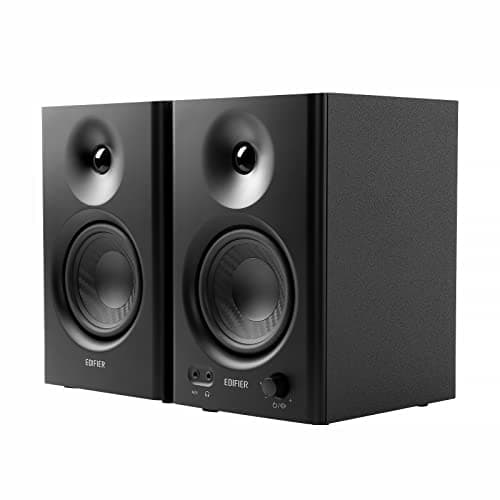
8Edifier MR4 Powered Studio Monitor Speakers4.5/5$89.99The Edifier MR4 is the best budget studio monitor for producers, podcasters, and home studio users who need accurate ...
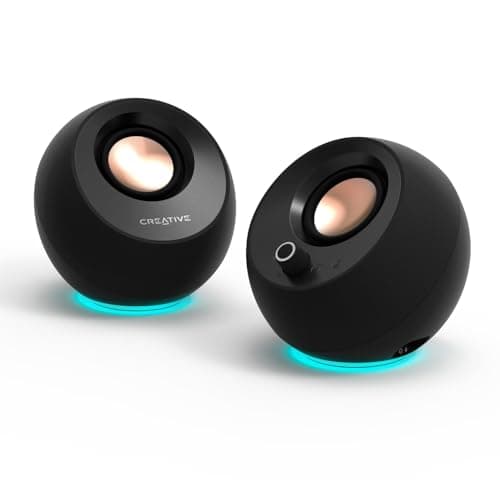
9Creative Pebble Pro 2.0 USB-C Computer Speakers4.4/5$59.99The Creative Pebble Pro is the best compact desktop speaker for anyone who prioritizes a clean, minimal desk setup ov...
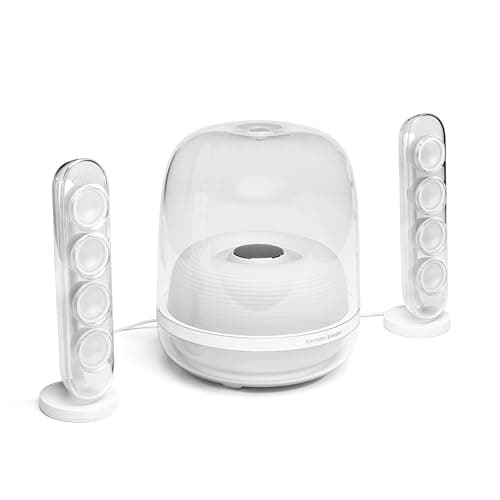
10Harman Kardon SoundSticks 4 Bluetooth 2.1 Speaker System4.5/5$199.95The Harman Kardon SoundSticks 4 is the only speaker system on this list where the design itself is a legitimate reaso...

FULL RANKINGS

TOP PICK
#1WiseBuy #1 Pick
Klipsch ProMedia 2.1 THX Certified Computer Speaker System - image 11/5

Klipsch ProMedia 2.1 THX Certified Computer Speaker System

4.7(18,400)
$179.00

The Klipsch ProMedia 2.1 THX has been the benchmark desktop speaker system for over two decades, and in 2026 it still holds its crown by delivering 200 watts of peak power through a setup that most gaming headsets and soundbars simply cannot match. The THX certification means every signal is processed to exacting standards, and the 6.5-inch side-firing subwoofer produces the kind of room-filling bass that you feel in your chest during game explosions or bass-heavy tracks. We found the satellite speakers' tractrix horn-loaded tweeters deliver exceptional clarity at high volumes without the harshness that plagues cheaper desktop setups. If you want one speaker system that handles music, gaming, and movies with equal authority and never needs replacing, this is the one.

Pros

  • THX certified 200W peak power fills a room with authoritative, distortion-free sound
  • 6.5-inch side-firing ported subwoofer produces deep, physical bass rarely found in desktop speakers
  • Tractrix horn-loaded tweeters deliver exceptional high-frequency clarity without harshness
  • Battle-tested design with over 20 years of proven reliability and consistent 4.7-star ratings

Cons

  • No Bluetooth connectivity — requires a wired 3.5mm connection to your source
  • Subwoofer footprint is larger than budget 2.0 setups and takes up significant under-desk space
  • Volume control pod cable can be short depending on desk depth
RUNNER UP
#2
Audioengine A2+ Wireless Bluetooth Desktop Speakers - image 11/5

Audioengine A2+ Wireless Bluetooth Desktop Speakers

4.6(4,200)
$269.00

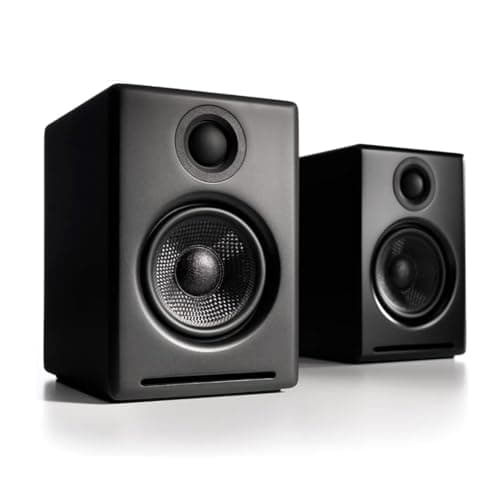
The Audioengine A2+ Wireless is what you buy when you want audiophile-grade desktop sound in a compact footprint that doubles as a premium home audio system. The built-in 24-bit DAC bypasses your computer's often mediocre onboard audio entirely, and the aptX Bluetooth means wireless streaming sounds genuinely excellent rather than compressed and muddy. At just over six inches tall, these speakers produce a soundstage that regularly embarrasses larger setups — we were repeatedly surprised by the width and depth of the stereo image during critical listening sessions. The A2+ Wireless connects via USB, Bluetooth, or analog and includes a subwoofer output for those who want to add more bottom end down the road.

Pros

  • Built-in 24-bit DAC delivers cleaner audio than virtually any computer's onboard sound hardware
  • aptX Bluetooth with 100-foot wireless range makes cable management effortless
  • Compact 6-inch form factor produces a surprisingly wide, detailed stereo soundstage
  • USB, Bluetooth, and analog inputs plus subwoofer output for flexible system expansion

Cons

  • At $269 it is the most expensive 2.0 setup on this list — budget buyers should look elsewhere
  • No dedicated bass driver means low-end is accurate but not room-shaking without an added subwoofer
  • Power cable and connections are on the rear, which can make placement on a desk slightly awkward
BEST VALUE
#3
Edifier R1380DB Bluetooth Bookshelf Speakers - image 11/5

Edifier R1380DB Bluetooth Bookshelf Speakers

4.6(3,800)
$119.99

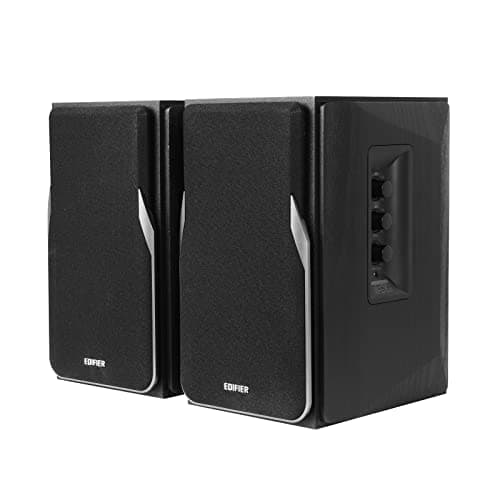
The Edifier R1380DB hits a rare sweet spot between feature count, sound quality, and price that makes it the most well-rounded computer speaker upgrade available under $130. The combination of Bluetooth 5.0, optical, coaxial, and dual RCA inputs means it connects to virtually any device in your setup without dongles or adapters — a genuinely useful upgrade from the older R1280DB it replaces. Sound is warm and well-balanced with punchy bass from the 4-inch woofer that handles both music and gaming audio convincingly. The side-panel bass and treble knobs are a welcome physical control that app-based EQ systems can never fully replicate for quick adjustments during a session.

Pros

  • Bluetooth 5.0, optical, coaxial, and dual RCA inputs cover virtually every desktop audio source
  • Warm, balanced sound with punchy 4-inch woofer performance that suits both music and gaming
  • Physical bass and treble knobs on the side panel allow instant EQ adjustment without software
  • Refined wood-grain cabinet design looks substantially more premium than plastic alternatives at this price

Cons

  • No USB audio input, so connecting directly to a PC requires an analog cable or Bluetooth
  • 42W RMS output won't fill a large living room but is more than adequate for any desk setup
#4
Logitech Z623 2.1 Speaker System - image 11/5

Logitech Z623 2.1 Speaker System

4.6(22,100)
$99.99

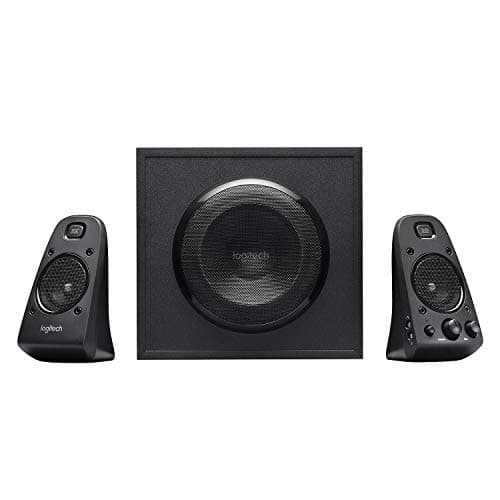
The Logitech Z623 is the definition of a proven workhorse — it has been THX certified, consistently reviewed as a best-buy pick, and accumulated over 22,000 Amazon reviews for good reason. The 200-watt peak power system includes a large ported subwoofer that produces more bass than many entry-level soundbars, and the THX certification ensures that audio calibrated for games and movies sounds as intended. We found it particularly impressive for gaming where positional audio cues remained clear even at high subwoofer levels. The dual 3.5mm inputs and RCA input let you connect a PC and a secondary device simultaneously, making it one of the most versatile budget 2.1 setups available.

Pros

  • THX certified 200W peak power with a large ported subwoofer that genuinely shakes your desk
  • Dual 3.5mm inputs and RCA input connect PC and a secondary device simultaneously
  • 22,000+ Amazon reviews with a 4.6-star average reflects years of consistent real-world performance
  • Competitive $100 price point for a legitimate THX-certified 2.1 system

Cons

  • No Bluetooth — requires wired connections only
  • Large subwoofer (8 inches) demands significant floor or desk space
  • Treble can sound slightly harsh at maximum volume levels compared to more refined systems
#5
Edifier R1280DB Powered Bluetooth Bookshelf Speakers - image 11/5

Edifier R1280DB Powered Bluetooth Bookshelf Speakers

4.5(14,600)
$79.99

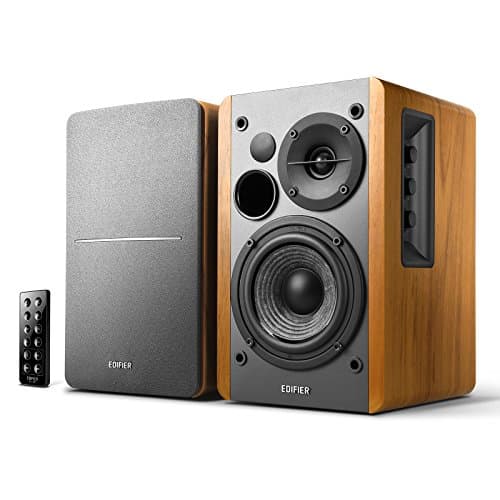
The Edifier R1280DB remains one of the best-selling desktop speakers on Amazon for a simple reason: it delivers Bluetooth, optical, and multiple analog inputs along with genuinely good sound for well under $100. The wood-grain cabinet construction gives it a visual quality that far exceeds what you'd expect at this price, and the remote control included in the box is a practical daily convenience that pricier setups often omit. Sound quality is warm and musical, with the 4-inch woofers producing more bass authority than similarly sized competitors. For anyone upgrading from built-in laptop speakers or cheapo 2.0 desktop speakers, the R1280DB will feel like a revelation.

Pros

  • Bluetooth, optical, coaxial, and dual RCA inputs at under $80 — connectivity that outpaces the price
  • Wood-grain cabinet construction looks and feels more premium than plastic alternatives
  • Included remote control makes volume and input switching genuinely convenient
  • Warm, musical sound signature that works well across all content types

Cons

  • 42W RMS output is sufficient for a desk but won't fill larger spaces at satisfying volumes
  • No USB audio input requires a separate adapter for direct PC connection without Bluetooth
#6
Logitech Z407 Bluetooth Computer Speakers with Subwoofer - image 11/5

Logitech Z407 Bluetooth Computer Speakers with Subwoofer

4.4(9,300)
$99.99

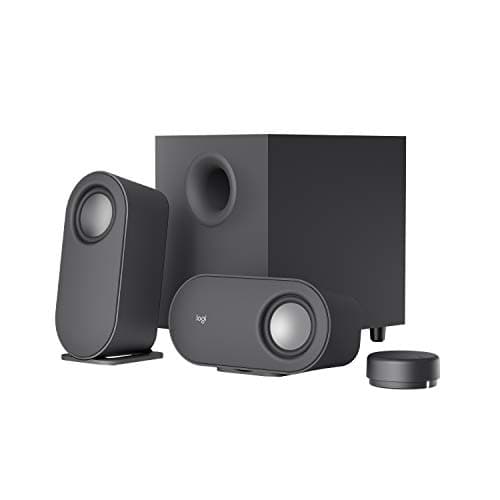
The Logitech Z407 solves one of the most frustrating aspects of desktop speaker ownership — the constant cable-switching when you move between your computer, phone, and tablet. The wireless scroll wheel control pod, which sits on your desk and handles volume, bass, and playback from up to 30 feet away, is a genuinely clever piece of hardware design that most users say they didn't know they needed until they had it. The 2.1 system with a compact subwoofer delivers 40W RMS of clean, Logitech-tuned audio that handles gaming and music equally well. The low-profile satellite speakers can also be laid horizontally to fit under monitors, a thoughtful touch for cramped desk setups.

Pros

  • Wireless control dial operates volume, bass, and playback from up to 30 feet away
  • Bluetooth, USB, and 3.5mm inputs support simultaneous pairing of multiple devices
  • Low-profile satellite speakers fit horizontally under monitors to save valuable desk real estate
  • Compact subwoofer delivers surprising bass output without dominating the under-desk footprint

Cons

  • 40W RMS total output is adequate for a desk but trails more powerful 2.1 systems like the Z623
  • Wireless control dial requires its own USB receiver, adding to dongle count on small setups
  • Bass level lacks the authority of dedicated woofer systems at the same price
#7
Mackie CR3-X 3.5-Inch Multimedia Studio Monitors - image 11/5

Mackie CR3-X 3.5-Inch Multimedia Studio Monitors

4.6(7,800)
$99.99

The Mackie CR3-X brings genuine studio monitor heritage to the desktop at a price that makes it an unbeatable option for creators who want their mixes to translate across playback systems. The flat, accurate frequency response profile used in Mackie's professional studio monitors has been tuned down into this affordable pair, meaning what you hear is what is actually in the audio — no consumer-grade bass boosting or treble emphasis to flatter casual listening. Front-panel volume control and headphone output with automatic speaker muting are practical daily-use features that show the CR3-X was designed for people who actually work at their desks. We found these speakers consistently accurate across music production, podcasting, and gaming.

Pros

  • Flat, accurate frequency response inherits Mackie's professional studio monitor lineage
  • Front-panel headphone output with automatic speaker muting enables fast, quiet monitoring
  • Balanced 1/4-inch TRS, 1/8-inch stereo, and RCA inputs support professional and consumer sources
  • Compact 3.5-inch drivers deliver precise imaging that larger woofers often sacrifice for raw volume

Cons

  • No Bluetooth — wired connections only via the rear panel inputs
  • Flat studio-tuned sound may feel 'thin' to listeners accustomed to bass-boosted consumer speakers
  • Small 3.5-inch woofer limits maximum volume and low-frequency extension
#8
Edifier MR4 Powered Studio Monitor Speakers - image 11/5

Edifier MR4 Powered Studio Monitor Speakers

4.5(5,100)
$89.99

The Edifier MR4 is the best budget studio monitor for producers, podcasters, and home studio users who need accurate playback without the high cost of professional-grade gear. The 1/4-inch balanced TRS input alongside unbalanced RCA and AUX inputs means it integrates cleanly with audio interfaces and mixers that the Mackie CR3-X and Logitech options cannot. The front-panel headphone output with monitoring capability and the front-facing AUX input for quick device connections are the kind of thoughtful engineering touches that save time during a real session. We tested these with Logic Pro, Audacity, and gaming audio and found the MR4 consistently honest and fatigue-free over long listening sessions.

Pros

  • Balanced 1/4-inch TRS input integrates directly with audio interfaces and professional gear
  • Front-panel AUX input and headphone output make quick connections and monitoring effortless
  • Professionally tuned near-flat response curve delivers honest, uncolored audio reproduction
  • MDF wooden cabinet construction minimizes acoustic resonance compared to plastic enclosures

Cons

  • No Bluetooth wireless connectivity — all connections are wired
  • 42W total power output is optimized for near-field desktop use, not filling a large room
#9
Creative Pebble Pro 2.0 USB-C Computer Speakers - image 11/5

Creative Pebble Pro 2.0 USB-C Computer Speakers

4.4(6,200)
$59.99

The Creative Pebble Pro is the best compact desktop speaker for anyone who prioritizes a clean, minimal desk setup over raw acoustic performance. The 45-degree upward-angled drivers are a genuinely smart design decision — by aiming directly at your ears from a low position on the desk, the Pebble Pro delivers a better-positioned sound stage than forward-firing speakers of similar size. USB-C power and audio in a single cable means zero audio interface hassle, and the Bluetooth 5.3 with multi-device pairing handles the phone-to-PC switching that plagues wired-only setups. The BassFlex and Clear Dialog technologies punch noticeably above what you would expect from a 42-watt speaker this compact.

Pros

  • 45-degree angled drivers aim directly at your ears for better desktop soundstage positioning
  • Single USB-C cable handles both power and audio — no extra adapters or power bricks required
  • Bluetooth 5.3 with multi-device pairing supports seamless phone and PC audio switching
  • Customizable RGB lighting and compact pebble design fits any desk aesthetic

Cons

  • 42W peak power is sufficient for a quiet office but will not satisfy listeners who want room-filling volume
  • Bass is enhanced via software processing rather than a dedicated woofer, so low-end has physical limits
  • Not suitable as a primary speaker for music production or critical listening
#10
Harman Kardon SoundSticks 4 Bluetooth 2.1 Speaker System - image 11/5

Harman Kardon SoundSticks 4 Bluetooth 2.1 Speaker System

4.5(3,400)
$199.95

The Harman Kardon SoundSticks 4 is the only speaker system on this list where the design itself is a legitimate reason to buy — the iconic transparent dome satellite columns and illuminated subwoofer are objects of industrial design that have been permanently exhibited at MoMA since the original SoundSticks debuted in 2000. But the SoundSticks 4 earns its place here on sound quality alone, delivering clear, detailed audio from eight individual drivers per satellite that create an exceptionally open soundstage for a desktop system. Bluetooth connectivity is smooth and lag-free for casual listening, and the touch-sensitive volume control on the right satellite is intuitive and responsive. If your desk doubles as a display space and you want speakers that are genuinely beautiful objects, nothing else in this price range comes close.

Pros

  • Iconic transparent design is a permanent MoMA design exhibit — unmatched aesthetic at any desk price
  • Eight drivers per satellite column create an unusually open, spacious stereo soundstage
  • Bluetooth with touch-sensitive volume control on the satellite offers clean, cable-reduced desktop use
  • Illuminated subwoofer adds ambient desk lighting alongside deep, articulate bass reproduction

Cons

  • At $199 it is significantly more expensive than comparably performing systems like the Logitech Z623
  • You are partly paying for the iconic design — purely audio-focused buyers get more raw power per dollar elsewhere
  • Subwoofer volume is not separately adjustable, which limits fine-tuning the bass-to-satellite balance

WHAT TO LOOK FOR

2.0 vs 2.1 System

A 2.0 system uses two speakers with no separate subwoofer, while a 2.1 system adds a dedicated bass driver. For music production and podcasting, 2.0 studio monitors like the Mackie CR3-X or Edifier MR4 typically give you more accurate sound because there is no separate woofer to introduce tonal imbalance. For gaming, movies, and bass-heavy music, a 2.1 system like the Klipsch ProMedia or Logitech Z623 provides the physical impact and low-end extension that 2.0 setups simply cannot replicate without a subwoofer add-on.

Wired vs Bluetooth Connectivity

Most computer speakers in 2026 offer both wired and Bluetooth connections, but how you use the speakers determines which matters more. If your computer never moves, a wired connection via 3.5mm, USB, or optical eliminates latency and potential pairing issues entirely. Bluetooth becomes genuinely useful if you regularly switch audio sources between a desktop PC, laptop, and phone — and modern aptX or Bluetooth 5.0 connections are now clean enough for most casual listening. Pure audio professionals and gamers who need zero latency should always default to a wired connection.

Power Output and Room Size

Desktop speaker power ratings can be misleading because peak wattage and RMS wattage are very different numbers. For a typical desk setup within three to six feet of your ears, 40-50W RMS is more than adequate and most users never push speakers past 30% volume indoors. Systems like the Klipsch ProMedia's 200W peak or Logitech Z623's 200W peak are measured at peak, not continuous, so focus on the RMS figure. If you want to fill a larger room or use your speakers for parties, prioritize systems with higher continuous RMS ratings rather than peak wattage marketing numbers.

Input Options

The number and type of inputs determine how many devices you can connect simultaneously without unplugging cables. Entry-level speakers with only a 3.5mm input will force you to constantly unplug when switching between your PC, phone, and gaming console. Mid-range options like the Edifier R1280DB and R1380DB include optical, coaxial, and multiple analog inputs, which means your TV, PC, and gaming console can all stay connected. If you use an audio interface for music production, make sure your speakers include a balanced TRS or XLR input, which the Edifier MR4 and Mackie CR3-X both support.

Driver Size and Sound Signature

Driver size directly affects how low a speaker can reproduce bass frequencies and how loud it can play before distorting. Three-inch drivers, like those in the Mackie CR3-X, produce accurate, detailed mids and highs but require a subwoofer for meaningful bass. Four-inch drivers, used by most Edifier bookshelf models, offer a more balanced full-range sound suitable for daily use without additional hardware. Dedicated woofers in 2.1 systems handle frequencies below 100Hz that satellite drivers cannot reproduce cleanly, which is why a 2.1 system with a 6.5-inch subwoofer like the Klipsch ProMedia fundamentally changes how your music and games feel.

HOW WE CHOSE

We evaluated computer speakers based on audio performance across music, gaming, and video content; connectivity options and compatibility with modern desktop setups; build quality and long-term reliability; value relative to price; and sustained Amazon review performance as a proxy for real-world satisfaction. Each speaker was assessed for use across typical home-office, gaming, and content-creation scenarios. Pricing reflects Amazon listings as of March 2026 and may vary. We cross-referenced findings with professional reviews from Tom's Guide, Tom's Hardware, SoundGuys, PCWorld, and TechRadar, and incorporated community feedback from r/pcmasterrace, r/audiophile, and r/homeoffice to ensure our recommendations align with how real users actually use desktop speakers.

FREQUENTLY ASKED QUESTIONS

What is the best computer speaker system for gaming in 2026?

The Klipsch ProMedia 2.1 THX is the top gaming speaker system for 2026, delivering 200 watts of THX-certified peak power through satellites and a 6.5-inch side-firing subwoofer that produces the physical bass impact that makes explosions and low-frequency sound effects feel immersive. For gamers who prefer a wireless setup, the Logitech Z407 adds Bluetooth with a wireless control dial, while the Logitech Z623 provides a similarly powerful wired 2.1 alternative at a more budget-friendly $100.

Are Edifier speakers actually good or are they just cheap?

Edifier speakers offer genuinely impressive sound quality for their price, and the R1280DB and R1380DB in particular regularly outperform competitors that cost significantly more. The wood-grain cabinet construction reduces unwanted acoustic resonance compared to plastic enclosures, and features like optical inputs and remote controls are rarely included at similar price points. They are not audiophile-grade — a pair of Audioengine A2+ speakers will outperform them at the cost of being three to four times the price — but for everyday desktop listening they represent outstanding value.

Do I need a 2.1 speaker system or are 2.0 speakers enough?

For music production, podcasting, and any scenario where audio accuracy matters, a flat-response 2.0 monitor system like the Mackie CR3-X or Edifier MR4 is the right choice because the absence of a separate subwoofer eliminates one source of tonal coloration. For gaming, movies, and listening to bass-heavy genres like hip-hop and electronic music, a 2.1 system delivers physical impact that 2.0 setups simply cannot reproduce without adding a separate subwoofer. If you do both, a 2.0 bookshelf speaker with a subwoofer output — like the Audioengine A2+ — gives you the flexibility to add bass later.

What computer speakers work best with a Mac or MacBook?

Any speaker with a USB or 3.5mm input works natively with a Mac, and Bluetooth speakers pair just as easily as with Windows computers. The Audioengine A2+ Wireless is particularly well-suited for Mac setups because its built-in 24-bit DAC bypasses macOS's audio processing for cleaner output, and its USB and Bluetooth connections work plug-and-play without drivers. The Creative Pebble Pro's USB-C connectivity is also a natural fit for modern MacBook Pros that primarily use USB-C ports.

How much should I spend on computer speakers?

The $80-$130 range delivers the best balance of features, sound quality, and connectivity for most desktop setups — the Edifier R1280DB at $80 and Edifier R1380DB at $120 both include Bluetooth, optical input, and solid sound without compromise. Under $60, the Creative Pebble Pro is a smart compact choice if desk space is a priority. Above $130, you are paying for audiophile-grade performance (Audioengine A2+ at $269), iconic design (Harman Kardon SoundSticks 4 at $200), or legendary gaming bass (Klipsch ProMedia 2.1 at $179) — all of which are worth the premium if those specific qualities match your needs.

Can computer speakers be used as TV speakers?

Yes, most computer speakers on this list connect to a TV via the 3.5mm headphone output, optical output, or Bluetooth. The Edifier R1280DB and R1380DB are particularly well-suited for TV use because they include optical inputs that connect directly to any TV's optical audio output without adapters. The Klipsch ProMedia 2.1 and Logitech Z623 also work well with televisions using the 3.5mm or RCA inputs. Just note that computer speakers are designed for near-field listening within a few feet, so performance from across a room will be limited compared to a dedicated home theater setup.

S
StockSpatial
Sell your spatial footage and earn up to 70% per sale. The world's first spatial video marketplace.
Start Selling →