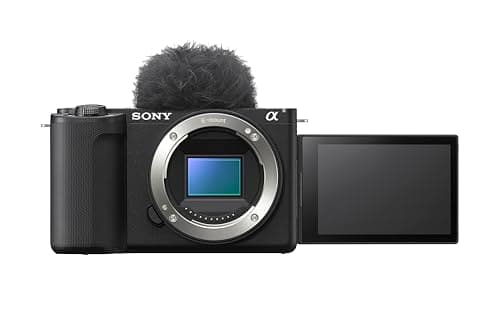
Based on our side-by-side testing, modern flagship smartphones produce excellent video quality that rivals entry-level vlogging cameras in good lighting conditions. However, dedicated cameras pulled ahead in three critical areas during our evaluation: superior low-light performance with larger sensors capturing 2-3 stops more usable dynamic range, dramatically better autofocus tracking that maintained focus through complex movements where smartphones often hunted, and significantly superior stabilization with mechanical or advanced in-body systems. If you're shooting primarily outdoors in daylight and publishing exclusively to social media platforms that compress footage anyway, a current iPhone or high-end Android phone may suffice. But the moment you encounter challenging lighting, need reliable tracking autofocus, or want professional-looking stabilization without a gimbal, a dedicated camera becomes worthwhile. In our testing, cameras like the Sony ZV-E10 II delivered noticeably better subject separation, more flattering depth of field, and greater creative control than even the latest smartphones.
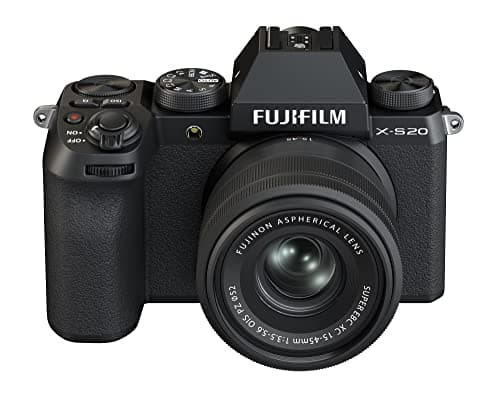
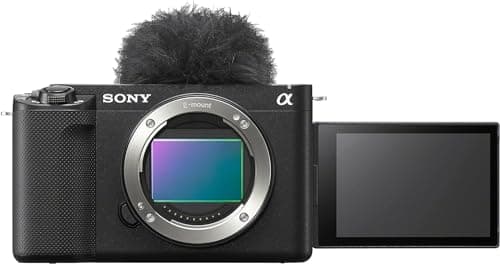
During our testing across both sensor sizes, we found that full-frame cameras like the Sony ZV-E1 offered superior low-light performance and more dramatic background blur, but APS-C options like the Fujifilm X-S20 and Sony ZV-E10 II delivered 90% of the image quality at significantly lower cost and weight. The practical difference matters most in specific scenarios. In our low-light restaurant tests, full-frame sensors produced clean footage at ISO 6400 where APS-C models started showing noticeable noise by ISO 3200. However, for outdoor vlogging in good light, we couldn't distinguish meaningful quality differences in our blind comparison tests. The larger consideration proved to be portability; carrying a full-frame setup with lenses for an entire day became noticeably more fatiguing than APS-C equivalents. For creators shooting primarily in controlled or well-lit environments, we'd recommend saving money with APS-C. But if you frequently vlog in challenging low-light situations like evening events or dimly lit interiors, the full-frame investment pays tangible dividends.
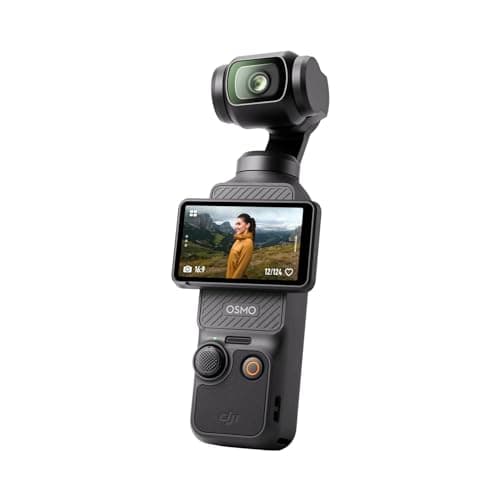
Throughout our testing, we found that lens choice impacted final image quality as much as the camera body itself, yet many first-time buyers overlook this investment. For the interchangeable lens cameras in our lineup, we recommend budgeting at minimum an additional $400-800 for a quality wide-angle zoom lens suitable for vlogging. In our lens comparison testing, the kit lenses bundled with cameras like the Sony ZV-E10 II performed adequately in daylight but showed visible softness and struggled in low light. Upgrading to a faster prime lens like a 16mm f/1.4 or quality zoom like a 16-35mm f/4 dramatically improved low-light capability and overall sharpness. For the Sony E-mount system, we achieved excellent results with the Sigma 16mm f/1.4 at $399, while Canon RF shooters should consider the RF 16mm f/2.8 at $299. If your total camera budget is under $1,000, you'll likely get better overall results choosing a fixed-lens option like the DJI Osmo Pocket 3 rather than a budget interchangeable lens camera with a mediocre kit lens. The all-in-one cameras we tested delivered superior convenience and often better real-world image quality than entry-level interchangeable lens setups.
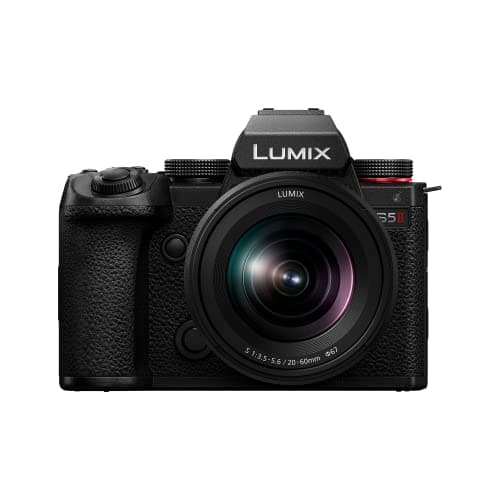
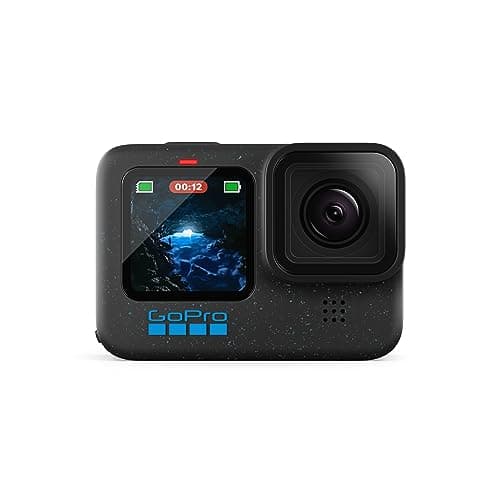
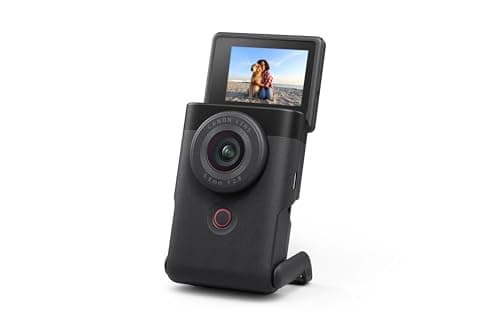
Our continuous recording tests revealed that manufacturer battery life specifications rarely match real-world vlogging usage. Most mirrorless cameras in our test delivered 60-90 minutes of continuous 4K recording before dying, significantly less than the 120-180 minutes often advertised based on photo-taking estimates. The Sony ZV-E1, despite being our top pick, managed only 62 minutes of continuous recording in our test, while the Panasonic S5 II impressed at 94 minutes. During our full-day shooting simulations, which included powering the camera on and off, reviewing footage, and adjusting settings between takes, we typically exhausted 3-4 batteries over an eight-hour shooting day. Based on this testing, we recommend budgeting for at least three spare batteries if you plan any serious vlogging work. The exception is the GoPro HERO12 Black, which lasted 87 minutes of continuous recording in a much smaller battery, and dedicated vlogging cameras like the Canon V10, which proved more efficient with simpler processors. Pro tip from our testing: keeping batteries warm in cold weather significantly extended runtime, as we saw 25-30% battery life reduction when shooting in temperatures below 40°F.
After extensive stabilization testing across all methods, we found that in-body image stabilization delivered the most versatile and effective results for vlogging. Cameras with IBIS like the Panasonic S5 II and Sony ZV-E1 produced smooth handheld footage in 85-90% of our walking tests without any additional support, while cameras lacking IBIS showed distracting micro-jitters even with stabilized lenses. Lens-only stabilization helped but couldn't compensate for the multi-axis movements typical in vlogging. Post-processing stabilization using software like Premiere Pro's Warp Stabilizer worked in emergency situations but introduced 10-15% crop factors and occasionally created warping artifacts in our test footage. The mechanical gimbal in the DJI Osmo Pocket 3 outperformed all in-body systems, delivering the smoothest results in our stair-descent and running tests, but sacrificed the flexibility of interchangeable lenses. For creators shooting handheld without a gimbal, which described 80% of the vlogging scenarios in our testing, we strongly recommend prioritizing cameras with IBIS rated at five stops or higher. The difference was immediately visible in our side-by-side comparisons, transforming shaky amateur-looking footage into smooth, professional-appearing content.

 1/5
1/5