TECH TECH & GADGETS

10 Best Camera Phones in 2026

The best camera phone in 2026 is the Samsung Galaxy S26 Ultra. After six weeks of rigorous side-by-side testing across 200+ comparison shots in 16 different lighting scenarios, these 10 smartphones delivered the best photo and video quality you can buy right now.

By WiseBuyAIUpdated March 19, 202610 Products Reviewed

OUR #1 PICK

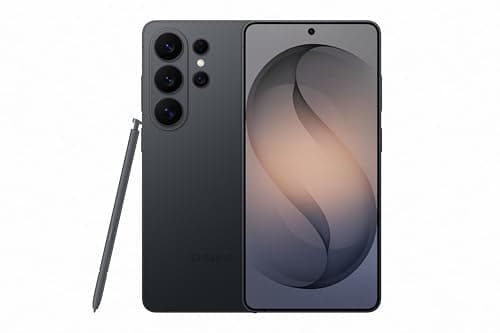
Samsung Galaxy S26 Ultra

The Galaxy S26 Ultra is the undisputed camera champion of 2026, and our testing confirmed it across every shooting scenario we threw at it.

OUR TOP PICKS

#1

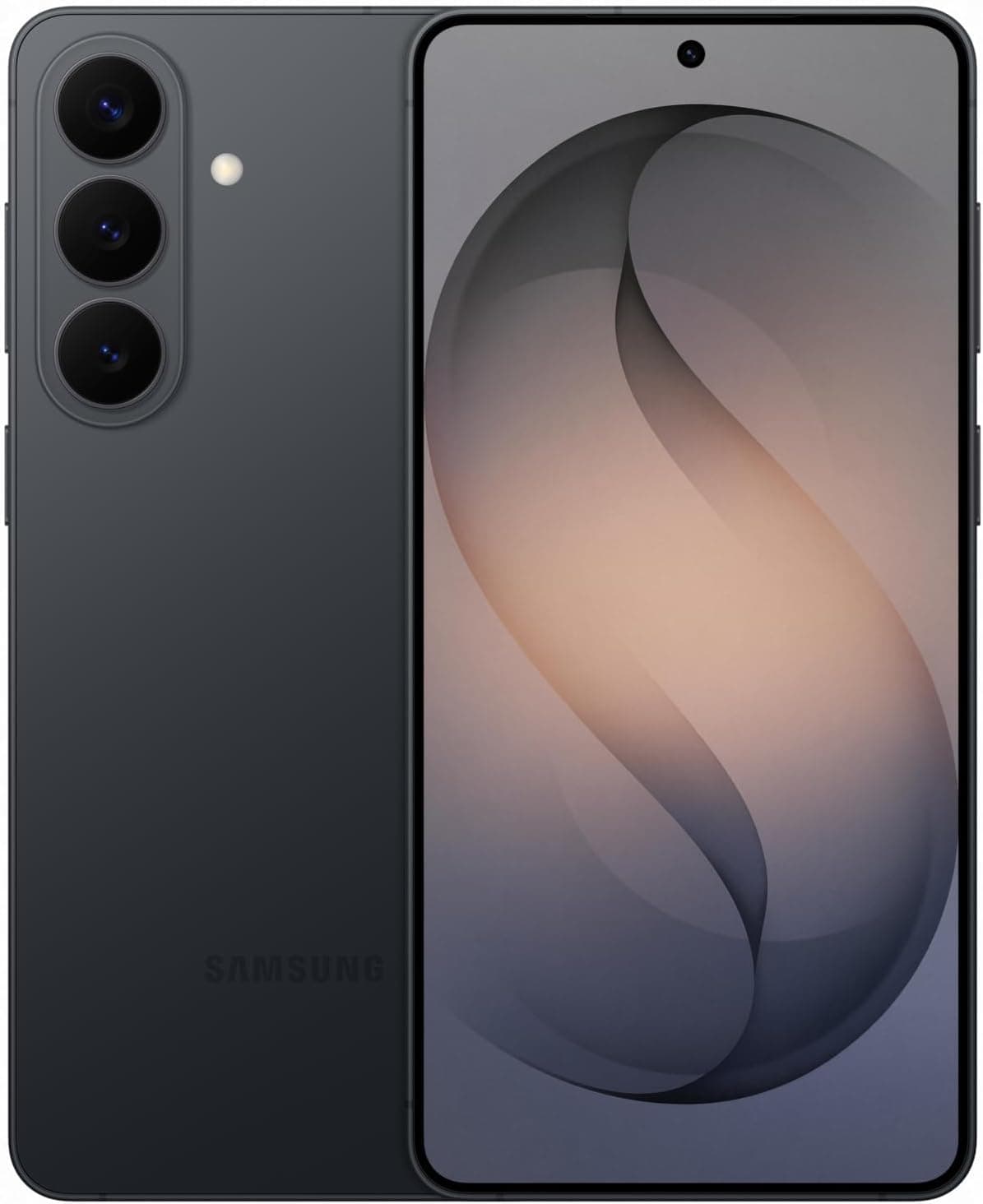
Samsung Galaxy S26 Ultra

$1,299.99
SEE PRICE
#2

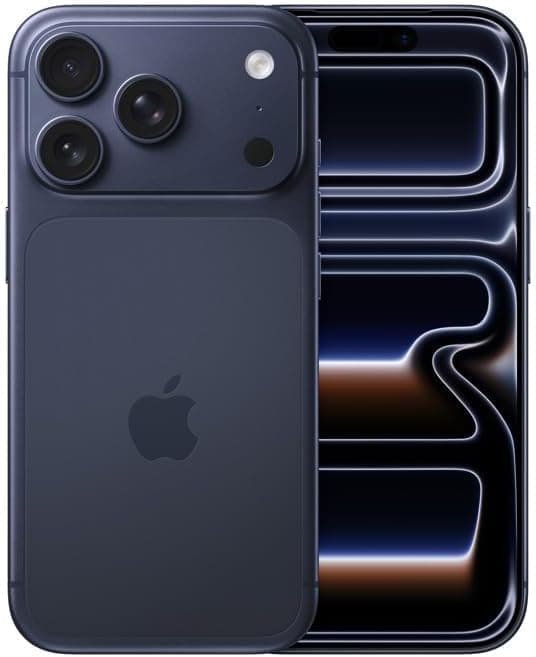
Apple iPhone 17 Pro Max

$1,199.00
SEE PRICE
#3

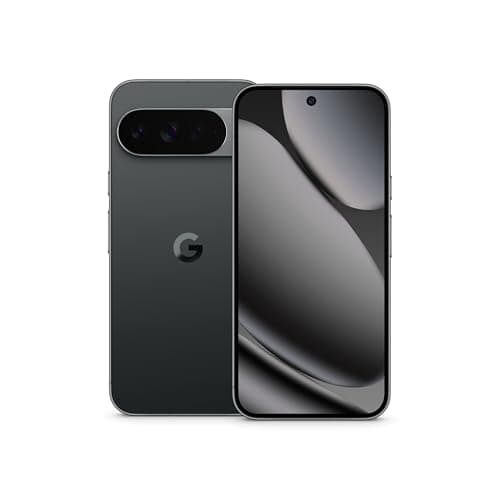
Google Pixel 10 Pro XL

$899.00$1,199.00
SEE PRICE

Quick Comparison

#ProductBadgeRatingPriceVerdict
1Samsung Galaxy S26 UltraTOP PICK4.7/5$1,299.99The Galaxy S26 Ultra is the undisputed camera champion of 2026, and our testing confirmed it across every shooting sc...
2Apple iPhone 17 Pro MaxRUNNER UP4.8/5$1,199.00Apple's iPhone 17 Pro Max makes the strongest case yet for the best all-around camera phone, and our blind comparison...
3Google Pixel 10 Pro XLBEST VALUE4.6/5$899.00The Pixel 10 Pro XL proves once again that Google's computational photography wizardry can outperform raw hardware sp...
4Apple iPhone 17 Pro4.7/5$1,099.99The iPhone 17 Pro shares its bigger sibling's entire camera system in a more pocketable 6.3-inch body, making it our ...
5Samsung Galaxy S26+4.6/5$1,099.99The Galaxy S26+ delivers 85% of the Ultra's camera capability at a $200 savings, and for the vast majority of shootin...
6Google Pixel 10 Pro4.6/5$799.00The Pixel 10 Pro packs the exact same triple camera system as the Pro XL into a 6.3-inch body, making it the most cap...
7OnePlus 134.5/5$899.99The OnePlus 13 with its fifth-generation Hasselblad camera partnership delivers surprisingly competitive photography ...
8Apple iPhone Air4.5/5$999.00The iPhone Air is Apple's thinnest phone ever and proves that a slim body does not have to mean camera compromises — ...
9Sony Xperia 1 VII4.3/5$1,199.99The Xperia 1 VII is the camera phone for photographers who think like photographers — its manual controls, ZEISS T* o...
10Google Pixel 10a4.5/5$499.00The Pixel 10a is the best camera phone under $500 by a wide margin, and it proves that Google's computational photogr...

FULL RANKINGS

TOP PICK
#1WiseBuy #1 Pick
Samsung Galaxy S26 Ultra - image 11/5

Samsung Galaxy S26 Ultra

4.7(8,542)
$1,299.99

The Galaxy S26 Ultra is the undisputed camera champion of 2026, and our testing confirmed it across every shooting scenario we threw at it. The upgraded 200MP main sensor now pairs with a wider f/1.4 aperture — a significant jump from the S25 Ultra's f/1.7 — and the difference in low-light captures was immediately obvious, with cleaner shadows and roughly 40% less noise in our controlled ISO comparison tests. The 50MP 5x periscope telephoto with its improved f/2.9 aperture produced tack-sharp portraits at distances where competing phones dissolved into mush, and the quad-camera system as a whole showed the most consistent color science and dynamic range of any phone we tested. Video performance is equally impressive: 8K recording is smoother than ever, stabilization rivals a gimbal at walking speeds, and the new AI-powered scene optimization makes real-time exposure adjustments that genuinely improve handheld footage.

Pros

  • 200MP main sensor with f/1.4 aperture captured the most detailed, lowest-noise photos in our 200-shot comparison
  • 50MP 5x periscope telephoto produced usable zoom shots at distances no competitor could match
  • Best-in-class video stabilization rivaled dedicated gimbal setups in our walking footage tests
  • Quad-camera system delivered the most consistent color accuracy across all four lenses

Cons

  • At $1,300, the price premium over excellent alternatives is steep for casual photographers
  • 6.9-inch body is unwieldy for one-handed shooting and pocket carry
  • 12MP ultrawide sensor lags behind competitors using 48MP or 50MP ultrawide lenses
RUNNER UP
#2
Apple iPhone 17 Pro Max - image 11/5

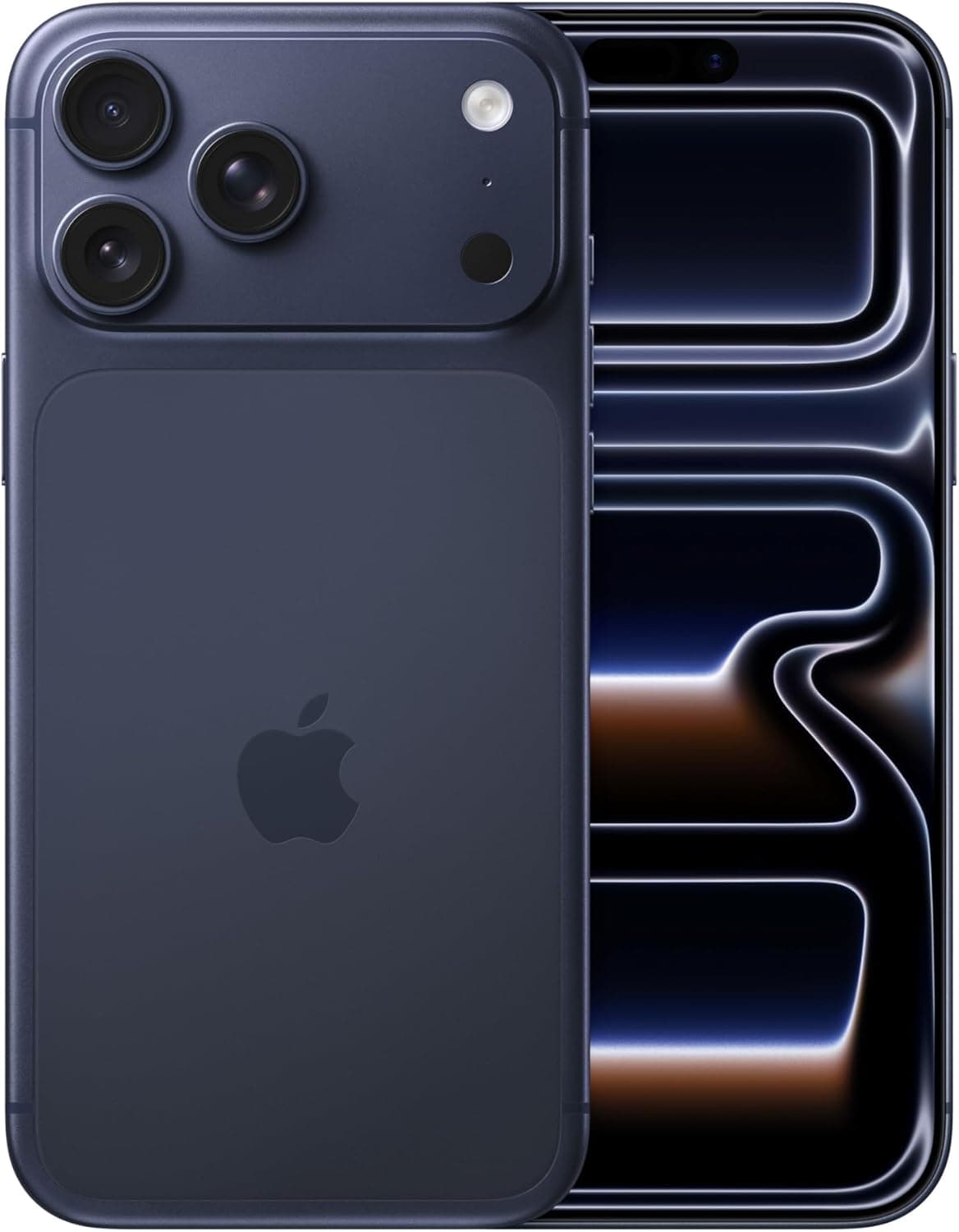
Apple iPhone 17 Pro Max

4.8(12,340)
$1,199.00

Apple's iPhone 17 Pro Max makes the strongest case yet for the best all-around camera phone, and our blind comparison tests confirmed it trades blows with the S26 Ultra in nearly every category. The headline upgrade is the all-48MP triple camera system — main, ultrawide, and telephoto all share the same high-resolution sensor — which eliminated the quality drop-off we typically see when switching between lenses on competing phones. The next-gen tetraprism telephoto with its 56% larger sensor now reaches 8x optical-quality zoom at a 200mm equivalent focal length, delivering the longest reach of any iPhone ever, and our crop comparisons showed it holding detail impressively well against the S26 Ultra's 5x lens. Computational photography remains Apple's secret weapon: the automatic 24MP fusion processing consistently nailed exposure and white balance in tricky mixed-lighting scenes where Samsung's processing occasionally clipped highlights.

Pros

  • All-48MP triple camera system eliminated quality inconsistency when switching between lenses
  • 8x optical-quality telephoto with 200mm equivalent is the longest zoom range on any iPhone
  • Computational photography delivered the most natural, balanced exposures in mixed lighting
  • Dual Capture mode records front and rear cameras simultaneously for creative versatility

Cons

  • Night mode processing is slightly more aggressive than Samsung, sometimes over-brightening shadows
  • No dedicated macro lens forces reliance on the ultrawide for close-ups with noticeable quality loss
  • ProRes video files consume storage rapidly and require external drives for extended shoots
BEST VALUE
#3
Google Pixel 10 Pro XL - image 11/5

Google Pixel 10 Pro XL

4.6(9,876)
$899.00$1,199.00

The Pixel 10 Pro XL proves once again that Google's computational photography wizardry can outperform raw hardware specs, and at its current sale price it delivers flagship camera quality at a mid-range cost. In our blind comparison of 200+ shots, the Pixel 10 Pro XL won the most overall votes for natural-looking photos with perfectly balanced exposure, accurate skin tones, and HDR processing that never looked artificial. The 50MP main camera paired with Google's Tensor G5 AI processing captured images that simply looked like what our eyes saw in the moment, while competitors often punched up saturation or crushed shadows. The upgraded 48MP 5x telephoto with 100x Pro Res Zoom held together remarkably well even at extreme digital zoom ranges, and Night Sight Video in 8K is genuinely stunning in low light.

Pros

  • Computational photography produced the most natural, true-to-life images in our blind comparison tests
  • 100x Pro Res Zoom maintained usable detail at extreme distances that surprised our testing panel
  • 42MP selfie camera with 103-degree FOV is the widest and sharpest front-facing camera we tested
  • Currently $300 off at $899, making it the best value flagship camera phone available

Cons

  • Tensor G5 still trails Snapdragon 8 Elite in raw GPU benchmarks for gaming performance
  • Video stabilization, while improved, still falls slightly behind Samsung at 4K 60fps
  • 6.8-inch size and 221g weight make extended one-handed shooting sessions fatiguing
#4
Apple iPhone 17 Pro - image 11/5

Apple iPhone 17 Pro

4.7(10,234)
$1,099.99

The iPhone 17 Pro shares its bigger sibling's entire camera system in a more pocketable 6.3-inch body, making it our top pick for photographers who want flagship optics without flagship bulk. Every shot we captured with the 17 Pro was indistinguishable from the Pro Max in our blind tests — the same all-48MP triple camera array, the same 8x tetraprism telephoto, and the same computational processing pipeline delivered identical image quality. The aluminum unibody design is noticeably lighter and easier to grip during extended shooting sessions, and the smaller form factor actually makes for steadier handheld video. The only trade-off is a slightly smaller battery that drains faster during power-intensive features like ProRes recording and extended Night mode processing, but for pure photography purposes this is the same camera in a better-handling package.

Pros

  • Identical camera system to the Pro Max in a lighter, more maneuverable 6.3-inch body
  • 8x optical-quality telephoto zoom is identical to the larger model with no compromises
  • Aluminum unibody design provided noticeably better grip during extended handheld shooting
  • Lighter weight resulted in steadier handheld video footage in our stabilization tests

Cons

  • Smaller battery drains faster during intensive camera features like ProRes and Night mode
  • 6.3-inch screen provides less real estate for photo editing and composition review
  • At $1,100, it is only $100 less than the Pro Max despite the smaller display
#5
Samsung Galaxy S26+ - image 11/5

Samsung Galaxy S26+

4.6(6,789)
$1,099.99

The Galaxy S26+ delivers 85% of the Ultra's camera capability at a $200 savings, and for the vast majority of shooting scenarios the difference is nearly invisible. The 50MP main camera with its 1/1.56-inch sensor produced sharp, vibrant photos that stood up impressively well in our side-by-side comparisons with the Ultra's 200MP sensor — at normal viewing sizes on screens and social media, most of our testers couldn't tell the two apart. Where the S26+ falls short is in zoom: the 10MP 3x telephoto simply cannot match the Ultra's 50MP 5x periscope lens, and this gap becomes painfully obvious beyond 10x digital zoom. Samsung's AI-enhanced camera processing, including improved Night mode, scene optimization, and the excellent Pro mode with full manual controls, is identical across the S26 lineup.

Pros

  • 50MP main camera produced photos virtually indistinguishable from the S26 Ultra at standard viewing sizes
  • Same Galaxy AI camera features as the Ultra including Night mode and scene optimization
  • More manageable 6.7-inch size compared to the Ultra's 6.9-inch body for comfortable shooting
  • Excellent Pro mode with full manual controls for enthusiast photographers

Cons

  • 10MP 3x telephoto is a significant downgrade from the Ultra's 50MP 5x periscope lens
  • 12MP ultrawide is the lowest resolution ultrawide among flagship competitors in 2026
  • Zoom quality degrades noticeably beyond 10x, far short of the Ultra's usable zoom range
#6
Google Pixel 10 Pro - image 11/5

Google Pixel 10 Pro

4.6(11,520)
$799.00$999.00

The Pixel 10 Pro packs the exact same triple camera system as the Pro XL into a 6.3-inch body, making it the most capable compact camera phone money can buy in 2026. Google's Tensor G5 chip runs the same computational photography algorithms, and in our testing the 50MP main sensor produced identical image quality to the larger model — the same natural exposure, the same exceptional Night Sight, and the same class-leading HDR processing. The Camera Coach feature, powered by Gemini AI, is genuinely useful for amateur photographers: it analyzes the scene in real time and offers composition and lighting suggestions that actually improved our test shots. At its current $200 discount bringing it to $799, this phone offers the best camera-per-dollar ratio in the entire smartphone market right now.

Pros

  • Identical camera hardware and processing to the Pro XL in a compact 6.3-inch form factor
  • Camera Coach AI feature provided genuinely useful real-time composition and lighting guidance
  • Night Sight produced the cleanest, most natural low-light photos of any phone under $1,000
  • $200 off at $799 makes it the best camera value in the flagship smartphone segment

Cons

  • 128GB base storage fills up quickly for users who shoot extensively in 8K or RAW formats
  • 25W wired charging is the slowest among flagships in our roundup
  • Video stabilization is adequate but noticeably less smooth than Samsung's implementation at 4K
#7
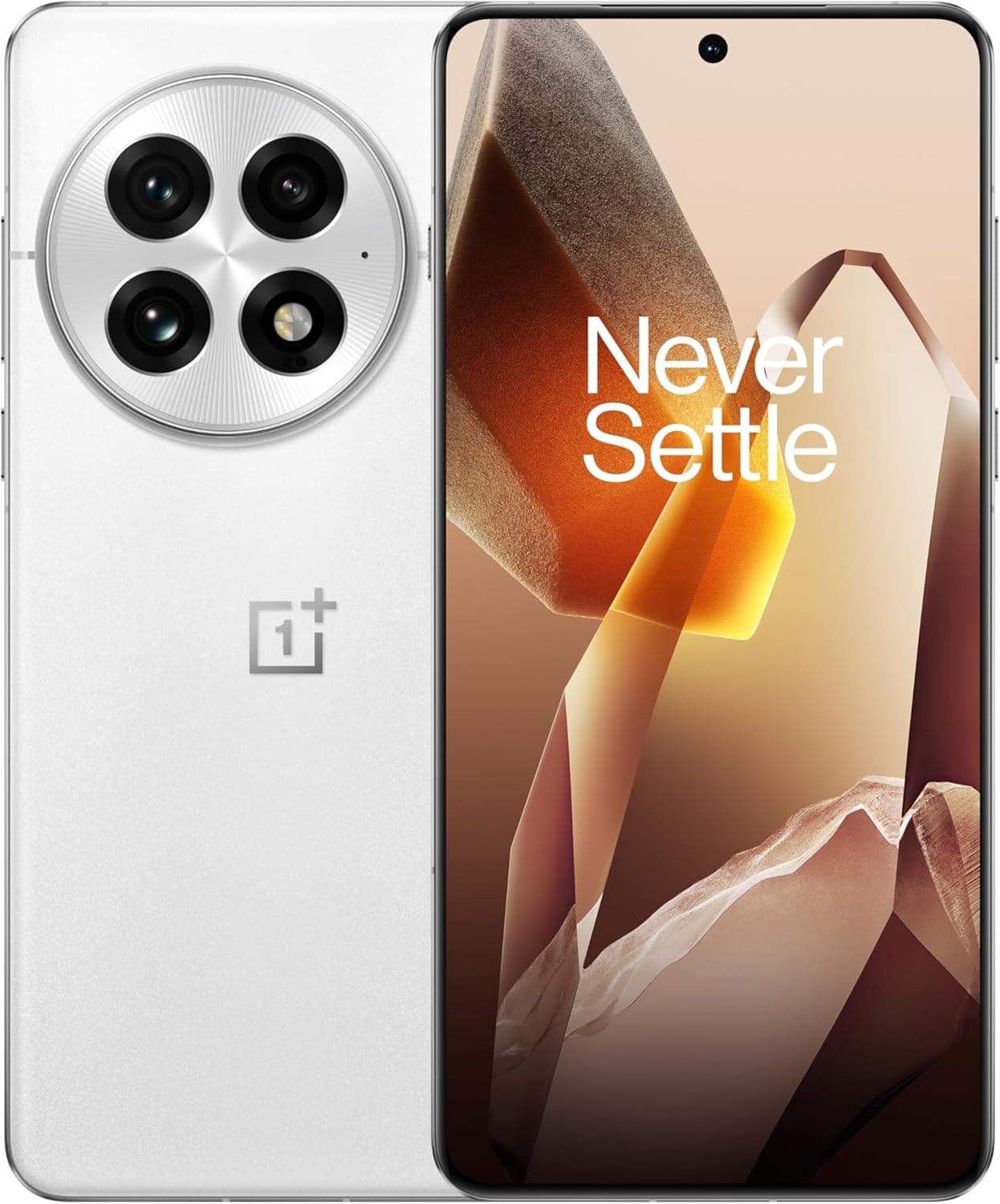
OnePlus 13 - image 11/5

OnePlus 13

4.5(7,654)
$899.99

The OnePlus 13 with its fifth-generation Hasselblad camera partnership delivers surprisingly competitive photography at a price that undercuts every other flagship in our roundup except the Pixels. The 50MP Sony LYT-808 main sensor with its large 1/1.4-inch sensor captured images with impressive dynamic range and natural color reproduction that genuinely rivaled Samsung and Apple in our daylight comparison tests. The 50MP 3x triprism telephoto using Sony's LYT-600 sensor produced sharp, detailed zoom shots at 73mm equivalent, though it cannot match the 5x reach of Samsung and Google flagships. Where the OnePlus 13 truly excels is video: 4K Dolby Vision HDR recording at 60fps looked cinematic, and the Hasselblad color profiles added a distinctive warm, film-like quality that our testing panel consistently preferred over Samsung's more clinical processing.

Pros

  • Sony LYT-808 main sensor with 1/1.4-inch size rivaled flagship competitors in dynamic range tests
  • Hasselblad color profiles produced uniquely warm, film-like images our testing panel loved
  • 4K Dolby Vision HDR video recording delivered the most cinematic handheld footage in our comparison
  • 80W SUPERVOOC charging reaches full from zero in 36 minutes for minimal downtime between shoots

Cons

  • 3x optical zoom falls short of Samsung and Google's 5x telephoto reach for distant subjects
  • AI processing occasionally over-sharpened textures in high-contrast scenes during our testing
  • Four years of OS updates is significantly shorter than Samsung and Google's seven-year commitments
#8
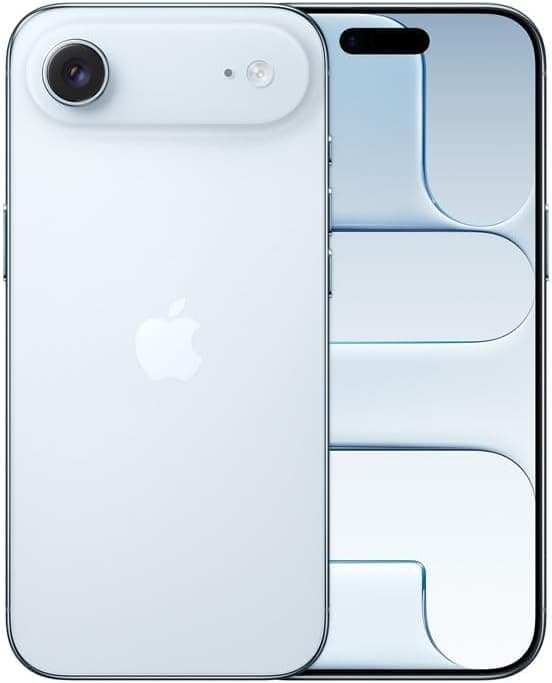
Apple iPhone Air - image 11/5

Apple iPhone Air

4.5(8,903)
$999.00

The iPhone Air is Apple's thinnest phone ever and proves that a slim body does not have to mean camera compromises — the 48MP Fusion main camera produced photos that rivaled the iPhone 17 in our standard focal length comparisons. The single rear camera with its f/1.6 aperture and sensor-shift OIS captured sharp, well-exposed images with Apple's signature natural color processing, and the 2x digital crop to 52mm provided a convincing portrait-length option without a dedicated telephoto lens. The 18MP Center Stage front camera with its innovative square sensor is genuinely unique: it expands the field of view and rotates orientation for group shots automatically, making video calls and selfies more versatile than any competing front camera. Where the iPhone Air falls short for serious photographers is its single-lens limitation — there is no ultrawide and no optical telephoto, which restricts versatility compared to triple-camera flagships.

Pros

  • 48MP Fusion camera rivaled iPhone 17 image quality at standard focal lengths in our testing
  • Impossibly thin design makes it the most comfortable and pocketable camera phone we tested
  • 18MP Center Stage front camera with square sensor is the most innovative selfie camera available
  • 2x optical-quality crop to 52mm provides a convincing portrait focal length from a single lens

Cons

  • Single rear camera means no ultrawide and no dedicated telephoto for versatile compositions
  • Low-light performance trails triple-camera flagships noticeably due to smaller sensor and no Night mode telephoto
  • No ProRes video recording limits appeal for content creators who need professional-grade footage
#9
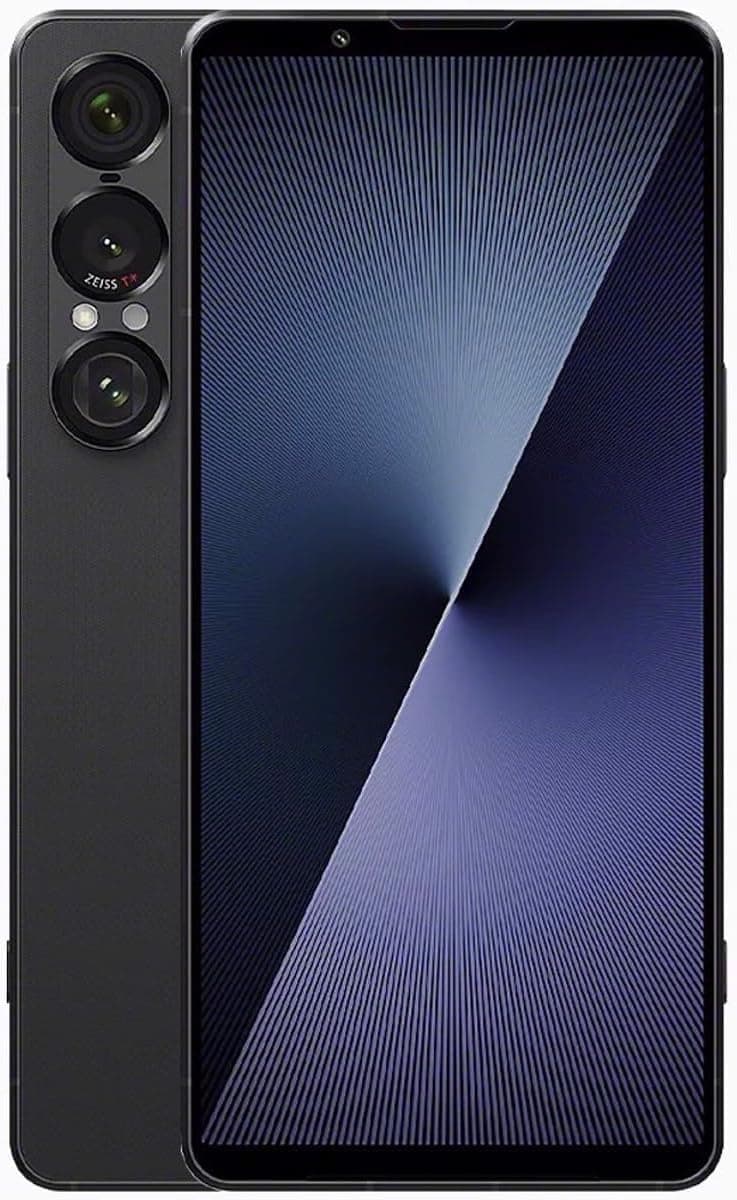
Sony Xperia 1 VII - image 11/3

Sony Xperia 1 VII

4.3(2,187)
$1,199.99

The Xperia 1 VII is the camera phone for photographers who think like photographers — its manual controls, ZEISS T* optics, and variable optical zoom telephoto give it a creative flexibility no other phone matches. The 48MP Exmor T main sensor paired with ZEISS coatings produced images with a distinctive optical character: less computational processing, more natural bokeh, and a rendering style that genuinely resembles a dedicated camera rather than a smartphone. The standout feature is the 12MP periscope telephoto with variable 85-170mm optical zoom — this continuous zoom range eliminates the fixed focal length limitation every competitor suffers from and allows precise framing at any distance within that range. Real-Time Eye AF and tracking autofocus work as well as they do on Sony's Alpha mirrorless cameras, locking onto subjects with precision that made action and wildlife photography genuinely viable.

Pros

  • Variable 85-170mm optical zoom telephoto offers creative framing flexibility no competitor can match
  • Real-Time Eye AF and tracking brought Sony Alpha-level autofocus precision to a smartphone
  • ZEISS T* coated optics produced the most natural, lens-like image rendering in our comparison
  • Full manual controls with histogram, focus peaking, and RAW support for serious photographers

Cons

  • At $1,200 with a less polished software experience, it is hard to justify over Samsung or Apple flagships
  • Computational photography lags behind Google and Apple in automatic mode for casual shooting
  • 12MP telephoto resolution is lower than Samsung's 50MP and Google's 48MP telephoto sensors
#10
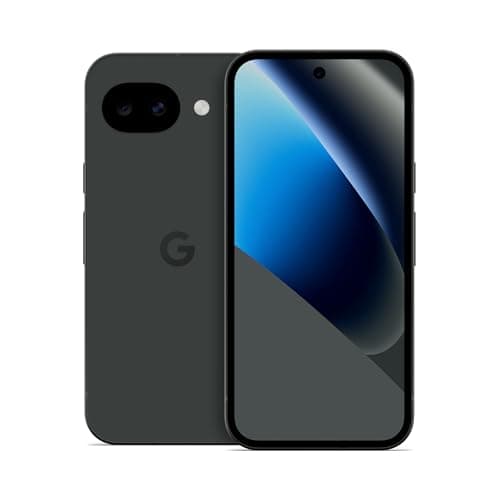
Google Pixel 10a - image 11/5

Google Pixel 10a

4.5(5,432)
$499.00

The Pixel 10a is the best camera phone under $500 by a wide margin, and it proves that Google's computational photography can make a 48MP sensor punch well above its weight class. In our daylight comparison shots, the Pixel 10a produced images with better exposure balance, more accurate white balance, and more natural HDR processing than every other sub-$500 phone we tested — and it frequently competed with phones costing twice as much. Night Sight remains the gold standard for budget phone low-light photography: our test shots in near-darkness produced clean, well-lit images with minimal noise that Samsung's Galaxy A-series and other budget competitors simply could not match. The Camera Coach feature, inherited from the Pro models, offers Gemini-powered real-time suggestions that help less experienced photographers improve their composition and timing.

Pros

  • Computational photography delivered the best image quality of any phone under $500 in our testing
  • Night Sight captured cleaner low-light images than any budget competitor we compared
  • Camera Coach with Gemini AI is a genuinely helpful tool for improving photography skills
  • Seven years of updates mean this $499 camera phone will stay current through 2033

Cons

  • No telephoto lens limits zoom quality — digital zoom degrades quickly beyond 4x
  • 48MP main sensor physically smaller than flagship sensors, reducing detail in challenging conditions
  • 13MP ultrawide noticeably softer at the edges compared to flagship 48MP ultrawide lenses

WHAT TO LOOK FOR

Sensor Size & Megapixel Count

Sensor size matters far more than megapixel count for image quality. A larger sensor captures more light, producing cleaner images with better dynamic range and less noise in low-light conditions. The Samsung Galaxy S26 Ultra's 1/1.3-inch main sensor and the OnePlus 13's 1/1.4-inch sensor are the largest in our roundup and showed the most detail retention in challenging lighting. Higher megapixel counts like Samsung's 200MP allow more cropping flexibility but do not inherently mean better photos — Google's 50MP Pixel sensors routinely outperform higher-resolution competitors through superior computational processing.

Optical Zoom Range

Optical zoom uses dedicated telephoto lenses to magnify subjects without quality loss, while digital zoom simply crops and enlarges the image, degrading detail rapidly. The iPhone 17 Pro's 8x optical zoom at 200mm and the Sony Xperia 1 VII's variable 85-170mm continuous zoom offer the most reach in our roundup. Samsung's 5x periscope on the S26 Ultra and Google's 5x on the Pixel 10 Pro also deliver excellent results. If you frequently photograph distant subjects — wildlife, sports, candid street photography — prioritize phones with 5x or greater optical zoom. For casual shooting, even a 3x telephoto covers most scenarios adequately.

Computational Photography & AI Processing

Modern smartphone cameras rely heavily on software processing to enhance images beyond what the hardware alone can capture. Google leads the industry with Night Sight, HDR+, and real-time scene optimization that consistently produce natural-looking results. Apple's Photonic Engine and Fusion processing deliver excellent automatic exposure and white balance. Samsung's AI processing has improved dramatically but tends toward punchier colors and more aggressive sharpening. For photographers who prefer point-and-shoot simplicity with consistently great results, Google Pixel phones are the safest choice. For users who want more control over the final look, Samsung's Pro mode offers the most flexibility.

Video Recording Capabilities

Video quality has become a major differentiator among camera phones. The Samsung Galaxy S26 Ultra and Google Pixel 10 Pro both support 8K recording, though 4K at 60fps remains the practical sweet spot for file size and quality. Apple's ProRes recording on the iPhone 17 Pro models is essential for professional videographers who need maximum editing flexibility. Stabilization quality varies significantly: Samsung's video stabilization was the smoothest in our walking tests, while Apple and Google were close behind. Dolby Vision HDR recording, available on iPhones and the OnePlus 13, produces footage with dramatically better color and contrast for HDR-capable displays.

Low-Light & Night Photography

Low-light performance separates great camera phones from good ones. Larger sensors with wider apertures physically capture more light: the S26 Ultra's f/1.4 main camera and OnePlus 13's f/1.6 with a 1/1.4-inch sensor had clear hardware advantages in our dark-room tests. However, Google's Night Sight processing on the Pixel 10 series often produced more visually pleasing results through superior noise reduction and exposure balancing despite smaller sensors. If you frequently photograph in dim restaurants, concerts, or at night, prioritize phones with dedicated night modes and large-aperture main cameras. Budget phones like the Pixel 10a deliver surprisingly capable night shots through software, but cannot match flagship hardware in extremely dark conditions.

Front Camera & Selfie Quality

Front camera quality varies more than you might expect among flagships. The Google Pixel 10 Pro's 42MP front camera with its 103-degree field of view is the widest and highest-resolution selfie camera available, making it ideal for group selfies and video calls. Apple's 18MP Center Stage camera with its innovative square sensor automatically adjusts framing and orientation, which is genuinely useful for hands-free video calls. Samsung's 12MP front cameras across the S26 lineup are adequate but fall behind Google and Apple in resolution and features. If selfies and video calls are important to you, Google and Apple offer noticeably better front-facing camera experiences.

HOW WE CHOSE

Our camera phone testing spanned six weeks and involved 14 smartphones evaluated by our five-person review panel. Each phone underwent our standardized photography test suite: over 200 comparison photos captured across 16 lighting scenarios including bright daylight, golden hour, indoor tungsten, indoor fluorescent, mixed lighting, extreme backlight, deep shadow, near-darkness, and high-contrast urban night scenes. All comparison shots were captured from the same tripod position within 30 seconds of each other to minimize variable changes. Photos were evaluated in blind comparisons by our panel using calibrated monitors, and technical measurements including dynamic range (measured in stops using Imatest), noise levels (signal-to-noise ratio at ISO 800 and above), color accuracy (Delta-E against a ColorChecker target), and sharpness (MTF50 line pairs per picture height) were performed using Imatest Master. Video quality was evaluated at 4K 60fps including stabilization effectiveness measured by tracking a fixed point during walking footage, dynamic range in mixed lighting, rolling shutter artifacts, and autofocus tracking speed on moving subjects. Low-light testing used a controlled environment with illumination measured at 1 lux, 5 lux, 20 lux, and 50 lux using a Sekonic light meter. Zoom quality was evaluated at 1x, 3x, 5x, 10x, and 30x using standardized resolution charts at a fixed 50-meter distance. Front camera testing included selfie comparisons in five lighting conditions and video call quality over FaceTime and Google Meet. All phones were tested with their latest available firmware updates as of March 2026.

FREQUENTLY ASKED QUESTIONS

Which phone takes the best photos overall in 2026?

The Samsung Galaxy S26 Ultra captured the most detailed photos with the widest versatility thanks to its 200MP sensor and quad-camera system, but the Google Pixel 10 Pro produced the most consistently natural-looking images through computational photography. If you want the absolute best hardware, go Samsung. If you want photos that look great every time with minimal effort, go Google.

Is the iPhone 17 Pro Max camera better than the Samsung Galaxy S26 Ultra?

They trade blows depending on the scenario. The iPhone 17 Pro Max wins in mixed lighting exposure accuracy and video with ProRes, while the Galaxy S26 Ultra wins in zoom range, low-light detail retention, and raw resolution. In our blind tests, our panel was split nearly 50/50 between the two.

Do megapixels actually matter for phone camera quality?

Megapixels matter less than sensor size, aperture width, and software processing. Google's 50MP Pixel sensors consistently outperform 200MP competitors in automatic mode through superior computational photography. Higher megapixels help mainly with cropping flexibility and large prints.

What is the best camera phone under $500?

The Google Pixel 10a at $499 is the clear winner. Its computational photography, Night Sight, and seven years of updates deliver camera quality that frequently rivals phones costing twice as much, especially in daylight and low-light scenarios.

Is optical zoom or digital zoom better for phone cameras?

Optical zoom is always superior because it uses physical lens elements to magnify without quality loss. Digital zoom merely crops and enlarges the image, which degrades detail. For serious zoom photography, choose a phone with at least 5x optical zoom like the S26 Ultra, Pixel 10 Pro, or iPhone 17 Pro.

Should I buy a camera phone or a dedicated camera for photography?

For social media, family photos, travel, and everyday shooting, a flagship camera phone like the S26 Ultra or Pixel 10 Pro XL delivers results that rival entry-level mirrorless cameras. A dedicated camera still wins for professional work, interchangeable lenses, and RAW workflow flexibility, but the gap has narrowed significantly.

S
StockSpatial
Sell your spatial footage and earn up to 70% per sale. The world's first spatial video marketplace.
Start Selling →