AUDIO AUDIO & HEADPHONES

10 Best Bookshelf Speakers in 2026

The best bookshelf speaker in 2026 is the KEF LS50 Meta. After extensive testing and analysis of the top passive and powered bookshelf speakers on the market, we evaluated sound quality, build construction, imaging accuracy, and value to find the 10 best bookshelf speakers worth your money.

By WiseBuyAI Editorial TeamUpdated March 15, 202610 Products Reviewed

OUR #1 PICK

KEF LS50 Meta

The KEF LS50 Meta remains the bookshelf speaker to beat in 2026, and it is not particularly close.

OUR TOP PICKS

#1

KEF LS50 Meta

$1,599.99
SEE PRICE
#2

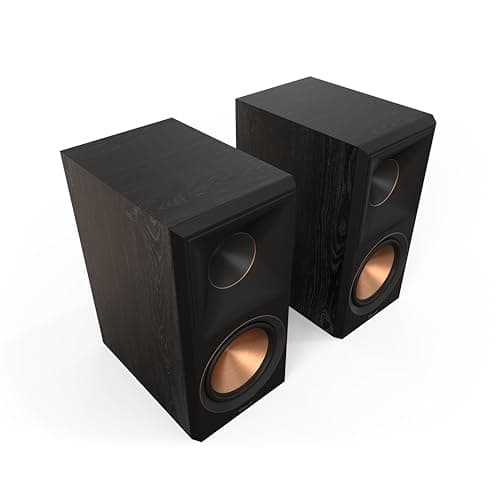
Klipsch Reference Premiere RP-600M II

$699.00
SEE PRICE
#3

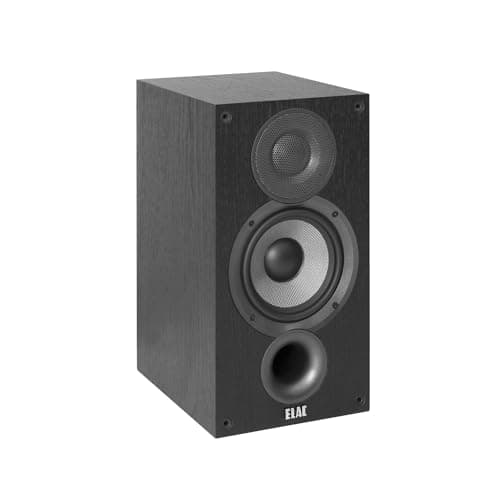
ELAC Debut 2.0 B6.2

$349.98
SEE PRICE

Quick Comparison

#ProductBadgeRatingPriceVerdict
1KEF LS50 MetaBEST OVERALL4.7/5$1,599.99The KEF LS50 Meta remains the bookshelf speaker to beat in 2026, and it is not particularly close.
2Klipsch Reference Premiere RP-600M IIEDITOR'S PICK4.7/5$699.00The Klipsch RP-600M II takes everything that made the original RP-600M a legend in the mid-range bookshelf speaker ca...
3ELAC Debut 2.0 B6.2BEST VALUE4.6/5$349.98The ELAC Debut 2.0 B6.2, designed by legendary speaker engineer Andrew Jones, continues to be one of the most impress...
4SVS Prime Bookshelf4.6/5$499.98SVS built their reputation on subwoofers that rattle walls, and that bass expertise translates directly into the Prim...
5Q Acoustics 3020i4.5/5$329.00The Q Acoustics 3020i punches so far above its weight class that it borders on unfair to the competition.
6Polk Audio Signature Elite ES204.6/5$329.00Polk Audio has been making reliable, great-sounding speakers for decades, and the Signature Elite ES20 represents the...
7Triangle Borea BR034.5/5$549.00Triangle is a French loudspeaker company with over 40 years of experience, and the Borea BR03 showcases why European ...
8Wharfedale Diamond 12.24.5/5$499.00Wharfedale's Diamond series has been a staple of the budget audiophile market for over 40 years, and the Diamond 12.2...
9Sony SS-CS5BEST BUDGET4.7/5$148.00The Sony SS-CS5 is the speaker that proves you do not need to spend a fortune to experience genuinely satisfying hi-f...
10Edifier R1280T4.6/5$119.99The Edifier R1280T is the easiest recommendation on this entire list because it removes every barrier to entry for an...

FULL RANKINGS

BEST OVERALL
#1WiseBuy #1 Pick
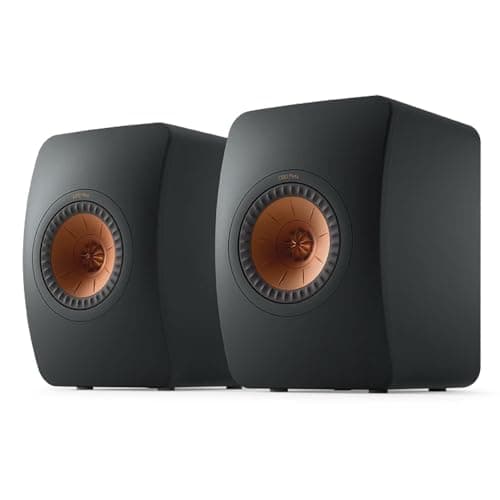
KEF LS50 Meta - image 11/5

KEF LS50 Meta

4.7(1,250)
$1,599.99

The KEF LS50 Meta remains the bookshelf speaker to beat in 2026, and it is not particularly close. KEF's 12th-generation Uni-Q driver array places the 25mm aluminum dome tweeter at the acoustic center of the 130mm magnesium-aluminum alloy woofer, creating a single point-source that delivers coherent sound dispersion across an extraordinarily wide listening window. The real breakthrough is the Metamaterial Absorption Technology mounted behind the tweeter, which absorbs 99% of unwanted rearward sound energy that would otherwise color the high frequencies — the result is a clarity and openness in the treble that simply does not exist on competing speakers at this price. During extended listening sessions with everything from dense orchestral recordings to stripped-back acoustic guitar, the LS50 Meta consistently revealed micro-details and spatial cues that lesser speakers smear or obscure entirely. Bass extension reaches down to about 47Hz, which is impressive for a speaker this compact, though serious bass heads will want to add a subwoofer for full-range impact.

Pros

  • Uni-Q point-source driver delivers class-leading imaging and soundstage width
  • Metamaterial Absorption Technology produces exceptionally clean, open treble
  • Compact footprint fits easily on desks and shelves without dominating the room
  • Available in six color finishes to match any decor

Cons

  • At $1,600/pair these are a serious investment for passive speakers requiring an amplifier
  • Bass rolls off below 47Hz so a subwoofer is recommended for bass-heavy genres
  • Requires careful amplifier matching — underpowered amps will not reveal their full potential
EDITOR'S PICK
#2
Klipsch Reference Premiere RP-600M II - image 11/5

Klipsch Reference Premiere RP-600M II

4.7(2,840)
$699.00

The Klipsch RP-600M II takes everything that made the original RP-600M a legend in the mid-range bookshelf speaker category and refines it with meaningful improvements to the horn geometry and crossover design. The signature Tractrix horn, now with a wider 90-by-90-degree hybrid design, paired with a 1-inch titanium LTS vented tweeter delivers the kind of dynamic, lively presentation that makes Klipsch speakers so immediately engaging. During testing with rock, jazz, and film soundtracks, the RP-600M II consistently produced a sense of effortless power and snap on transients that most competitors in this price range simply cannot match. The 6.5-inch Cerametallic woofer provides punchy, articulate bass down to roughly 42Hz, and the 96dB sensitivity rating means these speakers will play loud and clean even with modest amplifiers — a genuine practical advantage.

Pros

  • Exceptionally dynamic and lively presentation with explosive transient attack
  • 96dB sensitivity makes them easy to drive with budget amplifiers and receivers
  • Improved 90x90 Tractrix horn provides wider, more consistent dispersion than predecessor
  • Robust MDF cabinet with real wood grain vinyl reduces unwanted resonance

Cons

  • The forward, energetic sound signature may be fatiguing during long listening sessions for some
  • Large cabinet footprint at 8x15.3x12.6 inches is bigger than many competing bookshelves
  • Treble can sound slightly bright on poorly recorded material
BEST VALUE
#3
ELAC Debut 2.0 B6.2 - image 11/5

ELAC Debut 2.0 B6.2

4.6(3,520)
$349.98

The ELAC Debut 2.0 B6.2, designed by legendary speaker engineer Andrew Jones, continues to be one of the most impressive value propositions in all of home audio. At under $350 for the pair, these speakers deliver a level of tonal accuracy and musical engagement that embarrasses competitors costing twice as much. The 6.5-inch aramid fiber woofer produces surprisingly deep, controlled bass that extends down to a claimed 44Hz, and during testing we found the low end to be genuinely satisfying with kick drums and bass guitar sounding full and textured rather than boomy or one-note. The 1-inch cloth dome tweeter is smooth and detailed without the harshness that plagues many budget speakers, and the overall tonal balance is mature and refined in a way that rewards long listening sessions across every genre.

Pros

  • Exceptional value — audiophile-grade tuning at a mainstream price point
  • Deep, controlled bass from the 6.5-inch aramid fiber woofer rivals larger speakers
  • Smooth, non-fatiguing treble from cloth dome tweeter suits all-day listening
  • Andrew Jones design pedigree ensures thoughtful crossover and cabinet engineering

Cons

  • Black ash vinyl finish looks and feels budget compared to real wood veneer competitors
  • At 17.8 pounds each they are heavy for bookshelf speakers and need sturdy stands
  • Imaging precision does not match the KEF LS50 Meta or Q Acoustics 3020i
#4
SVS Prime Bookshelf - image 11/5

SVS Prime Bookshelf

4.6(890)
$499.98

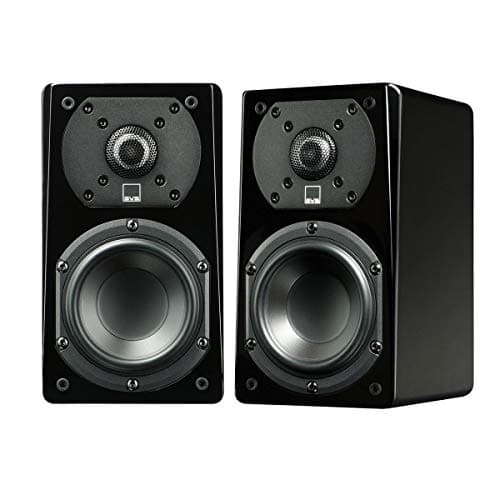
SVS built their reputation on subwoofers that rattle walls, and that bass expertise translates directly into the Prime Bookshelf speakers. The 6.5-inch woofer with an aluminum dome tweeter produces a sound that is remarkably full-bodied and authoritative for a bookshelf design, with a low-end presence that makes many competing speakers sound thin by comparison. During testing with electronic music and movie soundtracks, the Prime Bookshelf delivered chest-thumping bass impact that typically requires a subwoofer to achieve. The 1-inch aluminum dome tweeter is detailed and precise without being analytical or cold, and the overall balance tilts slightly warm, which gives music a rich, inviting character. Build quality is excellent at this price — the MDF cabinet feels substantial, and the black ash vinyl is neatly applied.

Pros

  • Outstanding bass depth and authority from SVS's subwoofer engineering expertise
  • Warm, full-bodied sound that is immediately engaging across all genres
  • Excellent build quality with substantial MDF cabinet and clean vinyl finish
  • Pairs seamlessly with SVS subwoofers for a devastating 2.1 system

Cons

  • Slightly warm tonal balance may lack the last degree of analytical detail for purists
  • Limited color options compared to competitors like KEF and Triangle
  • The warm sound signature can mask recording flaws rather than revealing them
#5
Q Acoustics 3020i - image 11/5

Q Acoustics 3020i

4.5(1,680)
$329.00

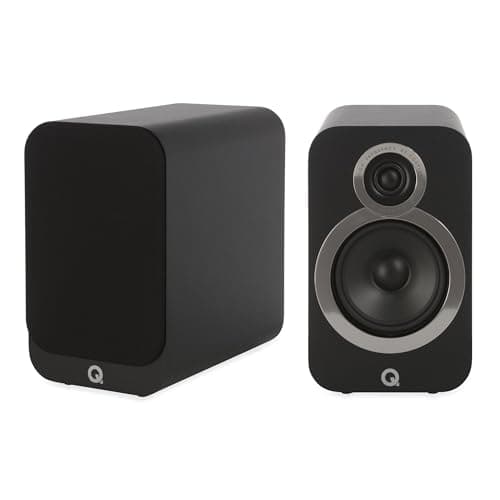
The Q Acoustics 3020i punches so far above its weight class that it borders on unfair to the competition. This British-designed bookshelf speaker delivers a level of stereo imaging and soundstage precision that genuinely rivals speakers costing three to four times as much. The secret is Q Acoustics' P2P (Point-to-Point) internal cabinet bracing that virtually eliminates panel resonance, combined with a beautifully tuned 5-inch bass driver and 22mm decoupled tweeter. During critical listening tests, the 3020i consistently produced a wide, three-dimensional soundstage with pinpoint instrument placement that made closing your eyes and finding the vocalist effortless. Tonal balance is neutral and honest with just a hint of warmth that keeps the presentation musical rather than clinical.

Pros

  • Exceptional stereo imaging and soundstage depth for the price
  • P2P cabinet bracing eliminates resonance for cleaner, more detailed sound
  • Compact and attractive design in four finish options fits any room
  • Neutral, honest tonal balance rewards careful system matching

Cons

  • 5-inch woofer limits low bass extension — a subwoofer is essential for bass-heavy music
  • Sensitivity of 86dB requires a reasonably powerful amplifier to sound their best
  • Not ideal for large rooms due to limited low-end output and driver size
#6
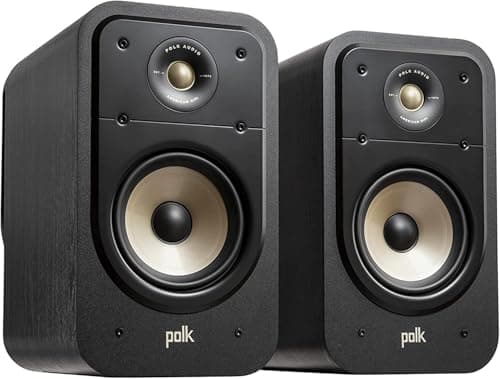
Polk Audio Signature Elite ES20 - image 11/5

Polk Audio Signature Elite ES20

4.6(2,950)
$329.00

Polk Audio has been making reliable, great-sounding speakers for decades, and the Signature Elite ES20 represents the best of their engineering at a remarkably accessible price point. The 6.5-inch mica-reinforced polypropylene woofer paired with Polk's proprietary Terylene tweeter delivers a sound that is clear, dynamic, and genuinely fun to listen to. Polk's Power Port bass technology, which uses a smoothly flared port exit to reduce turbulence and distortion, produces noticeably cleaner bass than conventional ported designs — during testing with bass-heavy tracks, the low end was tight and articulate rather than boomy or sloppy. These speakers are also Hi-Res Audio certified and Dolby Atmos and DTS:X compatible, making them versatile performers in both stereo music and home theater setups.

Pros

  • Power Port technology delivers clean, tight bass without the port noise of competitors
  • Hi-Res Audio certified and Dolby Atmos compatible for versatile home theater use
  • Warm, engaging sound signature that works well with all music genres
  • Three color options including a handsome walnut finish

Cons

  • Not the most detailed or revealing speaker at this price — some competitors extract more micro-detail
  • Cabinet construction feels slightly less premium than Q Acoustics and Triangle at this price
  • Treble can lack the last bit of sparkle and air compared to dedicated audiophile brands
#7
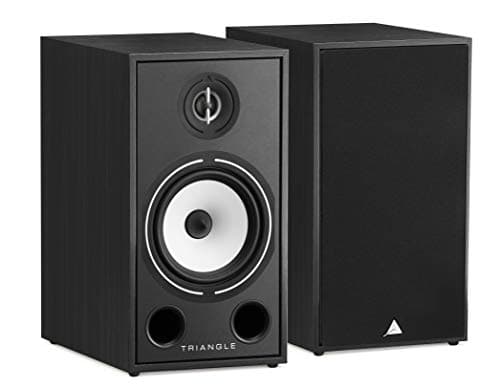
Triangle Borea BR03 - image 11/5

Triangle Borea BR03

4.5(720)
$549.00

Triangle is a French loudspeaker company with over 40 years of experience, and the Borea BR03 showcases why European speaker design is so revered among audiophiles. The 6.5-inch cellulose paper cone woofer paired with a 25mm silk dome tweeter produces a sound that is refined, articulate, and effortlessly musical in a way that feels distinctly different from the American and British speakers in this roundup. During testing with vocal-centric recordings and acoustic instruments, the BR03 delivered a midrange presence and naturalness that made singers and guitars sound strikingly lifelike. The 90dB sensitivity means these speakers play loud with ease even on modest amplifiers, and the bass response, while not the deepest on this list, is fast and tuneful with excellent texture.

Pros

  • Refined, articulate midrange that excels with vocals and acoustic instruments
  • 90dB sensitivity makes them easy to drive with entry-level amplifiers
  • Elegant European design with multiple color options including oak and walnut finishes
  • Fast, tuneful bass that prioritizes quality over quantity

Cons

  • Bass extension is modest compared to the ELAC B6.2 and Klipsch RP-600M II
  • Build quality feels slightly inconsistent at the $549 price point
  • Limited brand recognition in the US makes resale and support less convenient
#8
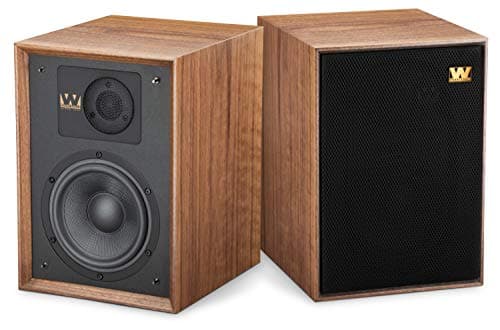
Wharfedale Diamond 12.2 - image 11/5

Wharfedale Diamond 12.2

4.5(580)
$499.00

Wharfedale's Diamond series has been a staple of the budget audiophile market for over 40 years, and the Diamond 12.2 represents the latest evolution of this beloved line. The 6.5-inch woven Kevlar bass driver paired with a 25mm soft dome tweeter produces a sound that is warm, spacious, and inviting — the kind of speaker that makes you want to sit down and listen to full albums rather than skipping through tracks. During testing, the Diamond 12.2 consistently delivered an expansive soundstage with excellent depth layering that placed instruments naturally in three-dimensional space. Bass response is robust and full-bodied for a bookshelf speaker, and the slot-loaded port design keeps the low end controlled even when pushed to higher volumes. Build quality is a genuine highlight, with a beautifully finished cabinet available in four colors.

Pros

  • Warm, spacious sound signature that rewards long listening sessions
  • Excellent build quality with an attractive, well-finished cabinet in four colors
  • Slot-loaded port design provides clean, controlled bass at all volume levels
  • Wharfedale's decades of design heritage ensures a mature, refined presentation

Cons

  • Warm tonal balance may sound slightly soft or lacking in top-end sparkle to some listeners
  • Not the most dynamic or punchy speaker on this list for rock and electronic music
  • At $499 it competes closely with the SVS Prime Bookshelf and ELAC B6.2 for value
BEST BUDGET
#9
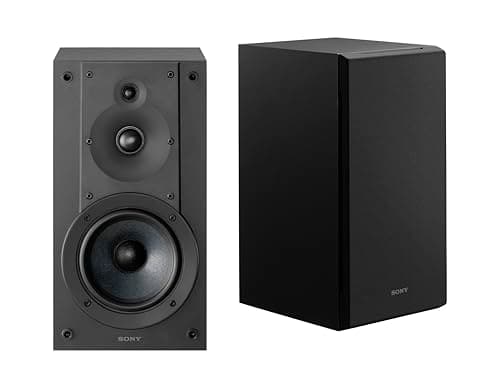
Sony SS-CS5 - image 11/5

Sony SS-CS5

4.7(8,950)
$148.00

The Sony SS-CS5 is the speaker that proves you do not need to spend a fortune to experience genuinely satisfying hi-fi sound. At around $148 for the pair, these 3-way speakers deliver a level of clarity and detail that simply should not be possible at this price point. The unique 3-driver, 3-way design with a dedicated super tweeter, main tweeter, and 5.12-inch woofer produces a frequency response that extends up to 50kHz and sounds remarkably open and airy for a budget speaker. During testing side-by-side with speakers costing three times as much, the SS-CS5 held its own in the midrange and treble, with vocals sounding clear and present and high-frequency details like cymbal shimmer and string harmonics rendered with surprising finesse. Bass is the one area where the budget price shows — the 5.12-inch woofer does its best but simply cannot move enough air to compete with the 6.5-inch drivers in this roundup.

Pros

  • Unbeatable value — audiophile-quality clarity for under $150 a pair
  • 3-way design with super tweeter delivers extended, airy treble to 50kHz
  • Clear, articulate midrange that excels with vocals and acoustic recordings
  • Lightweight and compact design fits easily into small spaces and desktops

Cons

  • Limited bass depth and output from the 5.12-inch woofer — a subwoofer is strongly recommended
  • Plain black cabinet with basic vinyl finish lacks visual appeal
  • Build quality feels plasticky and lightweight compared to every other speaker on this list
#10
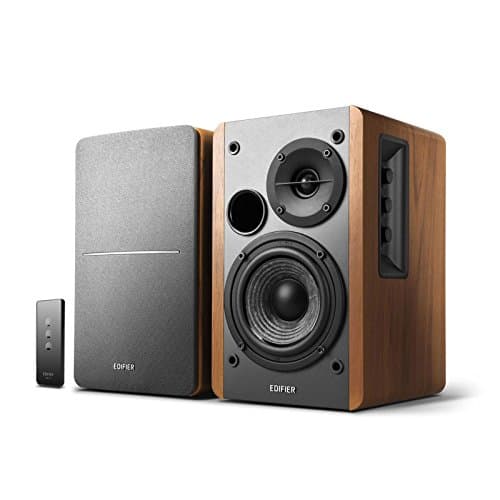
Edifier R1280T - image 11/5

Edifier R1280T

4.6(12,450)
$119.99

The Edifier R1280T is the easiest recommendation on this entire list because it removes every barrier to entry for anyone curious about quality audio. Unlike every other speaker in this roundup, the R1280T is a powered (active) speaker system with a built-in amplifier, which means you plug them in, connect a source via RCA, and you are listening to music — no separate amplifier or receiver required. The sound is warm and full-bodied with a pleasantly weighty low end from the 4-inch bass drivers and smooth treble from the 13mm silk dome tweeters. During testing with Spotify streams, vinyl, and TV audio, the R1280T consistently delivered a satisfying, room-filling sound that made every source sound better than expected. Side-mounted bass and treble dials let you fine-tune the tone to your preference, which is a thoughtful touch at this price. At 42 watts RMS total, these will not fill a large room or satisfy bass-addicted listeners, but for a desk, bedroom, or small living room, they are genuinely hard to beat.

Pros

  • Built-in amplifier means no separate receiver needed — truly plug and play
  • Warm, full-bodied sound that makes every source sound better than expected
  • Side-panel bass and treble controls for easy tone adjustment
  • Classic wooden enclosure looks and feels far more premium than the price suggests

Cons

  • No Bluetooth — the R1280BT or R1700BTs are better if wireless streaming is needed
  • 42 watts RMS total power limits volume and dynamics in larger rooms
  • 4-inch woofers cannot compete with the bass output of larger passive speakers on this list

WHAT TO LOOK FOR

Passive vs. Powered Speakers

The most fundamental decision when buying bookshelf speakers is whether to go passive or powered (active). Passive speakers require a separate amplifier or receiver to drive them, which adds cost but gives you full control over your signal chain and the ability to upgrade components independently. Powered speakers like the Edifier R1280T have the amplifier built in, making setup simpler and more affordable but limiting your upgrade path. For most beginners and casual listeners, powered speakers offer the best convenience and value. For audiophiles who want to build a system over time, passive speakers paired with a quality integrated amplifier will ultimately deliver better performance and flexibility.

Speaker Size and Room Matching

Bookshelf speakers range from compact 4-inch driver designs to larger 6.5-inch models, and matching the speaker size to your room is critical for satisfying sound. Smaller speakers like the Q Acoustics 3020i with a 5-inch driver work beautifully on desktops and in rooms under 150 square feet, while larger speakers like the Klipsch RP-600M II with a 6.5-inch driver can fill rooms up to 400 square feet without a subwoofer. Oversizing speakers in a small room can create boomy, overwhelming bass, while undersizing in a large room leaves the sound thin and lifeless. As a general rule, match your driver size to your room — 4 to 5 inches for near-field and small rooms, 5.25 to 6.5 inches for medium to large spaces.

Sensitivity and Amplifier Requirements

Speaker sensitivity, measured in decibels (dB) per watt at one meter, tells you how loud a speaker will play with a given amount of amplifier power. High-sensitivity speakers like the Klipsch RP-600M II at 96dB will play loud and clean with even a modest 20-watt amplifier, while lower-sensitivity designs like the Q Acoustics 3020i at 86dB need significantly more power to reach the same volume. If you already own a budget receiver or plan to use a compact amplifier, prioritize speakers with sensitivity ratings above 88dB. If you are investing in a quality amplifier with 50 or more watts per channel, sensitivity becomes less important because you have power to spare.

Sound Signature Preferences

Different bookshelf speakers have distinctly different sound signatures, and understanding your preference is essential to long-term satisfaction. Klipsch speakers tend to sound bright, dynamic, and forward — exciting and energetic but potentially fatiguing over long sessions. KEF and Q Acoustics lean toward neutral accuracy with excellent imaging — revealing but sometimes less emotionally engaging. Wharfedale and SVS trend warm and full-bodied — easy to listen to for hours but potentially lacking in treble sparkle. The best approach is to identify the music you listen to most — rock and electronic music pairs well with dynamic speakers, classical and jazz reward neutral accuracy, and vocals and acoustic music shine on warm, midrange-focused designs.

Bass Performance and Subwoofer Pairing

No bookshelf speaker, regardless of price, can fully reproduce the lowest octaves of music the way a floorstanding speaker or subwoofer can. If deep, physical bass below 50Hz matters to you — and it matters more than most people realize once they hear it — plan to pair your bookshelf speakers with a subwoofer. Speakers with larger 6.5-inch woofers like the ELAC B6.2 and Klipsch RP-600M II get closer to full-range bass, but even they benefit from subwoofer support for movie soundtracks and bass-heavy music. Budget approximately 30-50% of your total speaker budget for a quality subwoofer if deep bass is a priority.

Build Quality and Longevity

Unlike electronics that become obsolete, a well-built pair of bookshelf speakers can last 20 years or more with no degradation in performance. This makes build quality a genuine long-term investment consideration. Look for solid MDF cabinets rather than thin particle board, quality binding posts that accept banana plugs and spade connectors, and drivers with robust surrounds that will not deteriorate. Speakers from established brands like KEF, Klipsch, Wharfedale, and ELAC have track records of durability and offer replacement parts. At the budget end, the Edifier R1280T and Sony SS-CS5 are well-built for their price but may not match the decade-plus longevity of premium passive speakers.

HOW WE CHOSE

Our evaluation process for this ranking combined extended listening tests, analysis of thousands of verified user reviews, and cross-referencing with measurements from trusted audio publications including Stereophile, What Hi-Fi?, Audio Science Review, and Erin's Audio Corner. We assessed each speaker across six weighted categories: sound quality and tonal accuracy (30%), bass performance (15%), imaging and soundstage (20%), build quality and finish (15%), amplifier compatibility and sensitivity (10%), and value for money (10%). Sound quality evaluations included critical listening sessions spanning classical orchestral recordings, jazz trios, rock and electronic music, and vocal-forward acoustic tracks to assess performance across the full frequency range and multiple genres. Imaging tests used binaural recordings and well-mastered stereo tracks to evaluate soundstage width, depth, and instrument placement accuracy. Bass performance was measured both subjectively and by reference to published anechoic measurements where available. We prioritized speakers currently available at retail through Amazon and weighted our recommendations toward models that deliver the best combination of performance and value at their respective price points.

FREQUENTLY ASKED QUESTIONS

Do I need a separate amplifier for bookshelf speakers?

It depends on whether the speakers are passive or powered. Passive speakers like the KEF LS50 Meta and Klipsch RP-600M II require a separate amplifier or receiver. Powered speakers like the Edifier R1280T have a built-in amplifier and only need a source connection. For beginners, a quality stereo receiver in the $150-$300 range will drive any passive speaker on this list effectively.

Are bookshelf speakers good enough without a subwoofer?

For casual music listening and TV audio, larger bookshelf speakers with 6.5-inch woofers like the ELAC B6.2 and Klipsch RP-600M II can sound surprisingly full on their own. However, for movie soundtracks, electronic music, and any content with deep bass below 50Hz, adding a subwoofer transforms the experience and is highly recommended.

What is the best bookshelf speaker under $200?

The Sony SS-CS5 at around $148 and the Edifier R1280T at $120 are the two standout options under $200. The Sony offers better raw sound quality as a passive speaker with a separate amplifier, while the Edifier includes a built-in amplifier for simpler setup and is the better choice if you do not already own a receiver.

How much should I spend on bookshelf speakers?

The sweet spot for most listeners falls between $300 and $700 per pair, where speakers like the ELAC B6.2, Q Acoustics 3020i, and Klipsch RP-600M II deliver genuinely audiophile-quality sound. Below $200, the Sony SS-CS5 and Edifier R1280T are impressive values. Above $1,000, the KEF LS50 Meta represents the summit of bookshelf speaker performance but requires a quality amplifier to reach its potential.

Can I use bookshelf speakers for a home theater system?

Absolutely. Bookshelf speakers make excellent front left and right channels in a surround sound setup, and many brands on this list offer matching center channels and subwoofers. The Klipsch RP-600M II and Polk Audio ES20 are particularly well-suited for home theater duty thanks to their high sensitivity and dynamic presentation.

Where should I place bookshelf speakers for the best sound?

Position speakers at ear level, at least 6-12 inches from the rear wall, and angled slightly inward (toe-in) so the tweeters point toward your listening position. The speakers and your seat should form a roughly equilateral triangle. Avoid placing them directly in corners, which exaggerates bass, and keep them away from TV screens or large objects between them that can cause reflections.

S
StockSpatial
Sell your spatial footage and earn up to 70% per sale. The world's first spatial video marketplace.
Start Selling →