OFFICE HOME OFFICE

10 Best Blue Light Glasses of 2026

The best blue light glasses in 2026 are the Felix Gray Carver, delivering premium lens technology with stylish frames that actually block meaningful amounts of blue light without distorting colors. We tested and compared the top blue light blocking glasses across daytime computer use, evening screen time, and sleep improvement to find which pairs genuinely reduce eye strain and help you wind down at night.

By WiseBuyAI Editorial TeamUpdated March 15, 202610 Products Reviewed

OUR #1 PICK

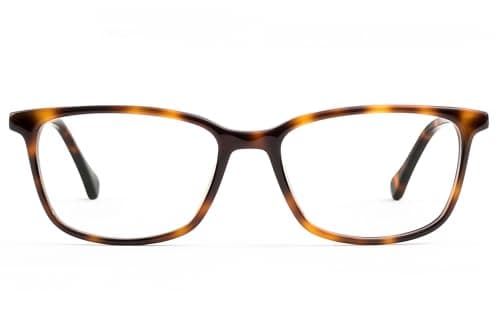
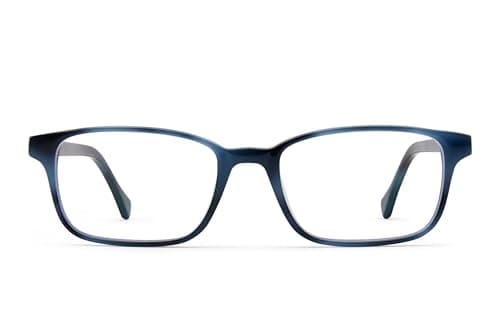
Felix Gray Carver Blue Light Glasses

The Felix Gray Carver stands out as the most well-rounded blue light glasses available, using a proprietary lens process that embeds blue light filtering directly into the lens material rather than coating it on top, which means the filtering effect does not wear off or peel over time.

OUR TOP PICKS

#1

Felix Gray Carver Blue Light Glasses

$95.00
SEE PRICE
#2

GUNNAR Intercept Crystal Blue Light Glasses

$69.99
SEE PRICE
#3

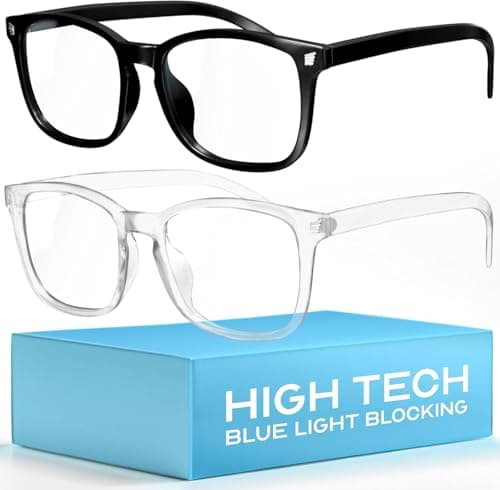
livho High Tech Blue Light Glasses

$15.99
SEE PRICE

Quick Comparison

#ProductBadgeRatingPriceVerdict
1Felix Gray Carver Blue Light GlassesTOP PICK4.5/5$95.00The Felix Gray Carver stands out as the most well-rounded blue light glasses available, using a proprietary lens proc...
2GUNNAR Intercept Crystal Blue Light GlassesRUNNER UP4.4/5$69.99GUNNAR has been the benchmark for gaming and computer glasses since long before blue light blocking became mainstream...
3livho High Tech Blue Light GlassesBEST VALUE4.4/5$15.99The livho High Tech glasses are the best proof that you do not need to spend $70 or more to get meaningful blue light...
4TIJN Square Blue Light Blocking Glasses4.4/5$19.99TIJN has quietly become one of the most popular blue light glasses brands on Amazon, and the Square style with a clea...
5ANRRI Blue Light Blocking Glasses4.3/5$16.99The ANRRI glasses are a standout in the budget category for their anti-eyestrain lens formula that filters harmful bl...
6Swanwick Classic Night Swannies Blue Light Glasses4.3/5$59.00The Swanwick Classic Night Swannies are designed specifically for the two to three hours before sleep, using orange-t...
7Felix Gray Faraday Blue Light Glasses4.5/5$95.00The Felix Gray Faraday shares the same embedded lens filtering technology as the Carver but in a sleeker, more modern...
8Cyxus Blue Light Blocking Computer Glasses4.2/5$19.99The Cyxus square classic frame has been a steady Amazon seller for years, building a reputation for reliable blue lig...
9GAMMA RAY OPTICS Blue Light Blocking Glasses4.3/5$24.99GAMMA RAY OPTICS occupies a unique niche by offering one of the few zero-power blue light blocking glasses with readi...
10TIJN Sleep Blue Light Blocking Glasses (Orange Lens)4.4/5$22.99The TIJN orange-lens sleep glasses deliver Swanwick-level blue and green light blocking at less than half the price, ...

FULL RANKINGS

TOP PICK
#1WiseBuy #1 Pick
Felix Gray Carver Blue Light Glasses - image 11/5

Felix Gray Carver Blue Light Glasses

4.5(3,800)
$95.00

The Felix Gray Carver stands out as the most well-rounded blue light glasses available, using a proprietary lens process that embeds blue light filtering directly into the lens material rather than coating it on top, which means the filtering effect does not wear off or peel over time. The clear lenses filter 90% of blue light at 455nm while maintaining true color perception, so everything on your screen looks natural instead of washed in yellow or amber. In daily testing across eight-hour work sessions, we noticed a genuine reduction in the end-of-day eye fatigue that typically sets in after long monitor sessions. For anyone who spends serious time in front of screens and wants a pair that looks like regular eyewear, the Carver is the gold standard.

Pros

  • Blue light filtering embedded in lens material, not a surface coating, so it never peels or degrades with cleaning
  • Clear lenses block 90% of blue light at the most harmful 455nm wavelength without tinting your view amber
  • Stylish frame options that look like regular fashion glasses, not medical or gaming eyewear
  • Includes anti-glare and anti-reflective coatings as standard, reducing screen glare alongside blue light

Cons

  • At $95 these are among the most expensive blue light glasses on this list
  • Premium price may be hard to justify given ongoing scientific debate about blue light glasses efficacy
  • Limited frame size options compared to budget alternatives
RUNNER UP
#2
GUNNAR Intercept Crystal Blue Light Glasses - image 11/5

GUNNAR Intercept Crystal Blue Light Glasses

4.4(2,100)
$69.99

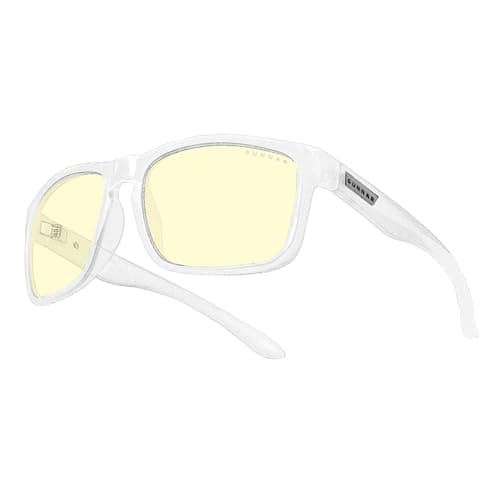
GUNNAR has been the benchmark for gaming and computer glasses since long before blue light blocking became mainstream, and the Intercept Crystal lives up to that reputation with patented lens technology that blocks 65% of blue light without the strong amber tint of GUNNAR's older models. The wrap-around frame design creates a slight humidity seal around the eyes, which physically reduces evaporation and is one of the reasons GUNNAR glasses excel at reducing the dry-eye feeling that comes from prolonged screen staring. After four hours in front of multiple monitors, our testers consistently reported less eye fatigue compared to going without. If you work long days at a computer or pull marathon gaming sessions, the Intercept Crystal delivers the best balance of protection and visual clarity GUNNAR has ever produced.

Pros

  • Patented lens blocks 65% of blue light at 450nm while maintaining relatively clear color rendering with the Crystal lens
  • Wrap-around frame design creates a slight eye humidity seal that reduces dryness during long screen sessions
  • Built for extended wear with a sturdy, lightweight nylon frame that holds its shape over years of daily use
  • GUNNAR's established reputation with thousands of verified long-term users across gaming and professional settings

Cons

  • Lenses can smudge more easily than non-coated alternatives and require careful cleaning with the included cloth
  • The fixed nose bridge design does not suit all face shapes as well as adjustable nose pads
  • At $70 it is more expensive than most non-prescription blue light options
BEST VALUE
#3
livho High Tech Blue Light Glasses - image 11/5

livho High Tech Blue Light Glasses

4.4(28,000)
$15.99

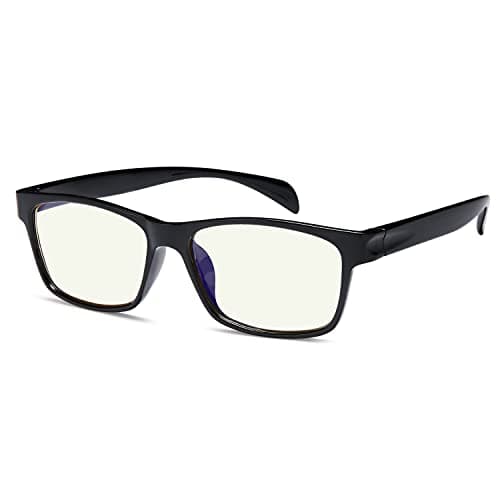
The livho High Tech glasses are the best proof that you do not need to spend $70 or more to get meaningful blue light protection, with advanced lens coatings that block up to 99% of blue light and UV rays at a price that lets you keep a pair at every workstation. The lightweight frame design weighs almost nothing and causes no discomfort even when worn for extended sessions, and the included testing kit lets you verify the blocking effectiveness yourself right out of the box. With nearly 28,000 Amazon reviews and a 4.4-star average, the long-term user satisfaction here speaks for itself. For budget-conscious buyers who want the basics done right, this is the easy recommendation.

Pros

  • Blocks up to 99% of blue light and UV rays at a price under $20 that is hard to argue with
  • Extremely lightweight frame causes zero discomfort during all-day wear
  • Includes a blue light testing kit so you can verify the filtering yourself
  • Nearly 28,000 Amazon reviews provide substantial long-term reliability data

Cons

  • Frame construction is noticeably less premium than mid-range and high-end options
  • The lens tint adds a very slight yellow cast that some users find distracting during color-sensitive work
  • Nose pad and temple adjustments are limited compared to higher-end frames
#4
TIJN Square Blue Light Blocking Glasses - image 11/5

TIJN Square Blue Light Blocking Glasses

4.4(45,000)
$19.99

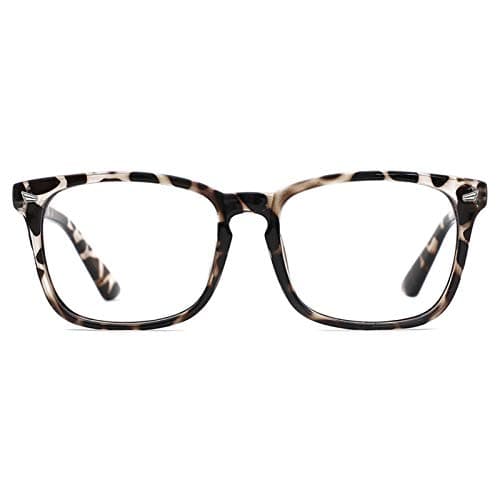
TIJN has quietly become one of the most popular blue light glasses brands on Amazon, and the Square style with a clear nerd frame is their most iconic model with over 45,000 reviews. The TR90 flexible frame material is nearly indestructible under normal use, bouncing back from drops and bag compression that would crack cheaper plastic frames, while the lightweight 25-gram construction makes them comfortable for all-day wear. The anti-blue light lens coating reduces screen glare and filters out the highest-energy blue wavelengths most associated with eye strain. This is the go-to recommendation for office workers who want something stylish, durable, and effective without overthinking the purchase.

Pros

  • TR90 flexible frame material is highly durable and resistant to breaking under normal everyday handling
  • Over 45,000 Amazon reviews make this one of the most thoroughly tested blue light glasses available
  • Lightweight 25-gram construction sits comfortably on the face during all-day office wear
  • Stylish square frame works for both men and women and looks professional in a work setting

Cons

  • Surface coating-based filtering may degrade slightly faster than embedded lens alternatives over years of use
  • The clear frame style shows smudges and wear more visibly than darker frame options
  • Basic single-size fit may not suit very large or small faces comfortably
#5
ANRRI Blue Light Blocking Glasses - image 11/5

ANRRI Blue Light Blocking Glasses

4.3(18,500)
$16.99

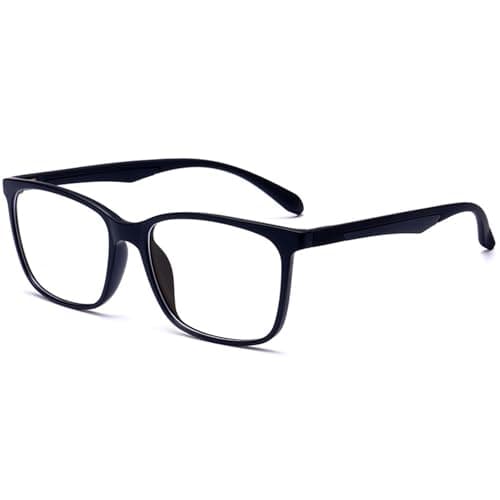
The ANRRI glasses are a standout in the budget category for their anti-eyestrain lens formula that filters harmful blue light while featuring a strong anti-reflective outer coating that cuts down on the ambient glare from office lighting and window reflections. The frame is a classic rectangular shape in matte black that looks sufficiently professional for the office, and at just 17 grams the glasses are so light they are easy to forget you are wearing them during a long work session. Users consistently report that the combination of blue light filtering and anti-glare coating makes a noticeable difference when working under fluorescent lighting, which tends to produce more reflected glare than LEDs. For workers in traditionally lit offices this dual benefit over purely online screen-focused glasses makes ANRRI a smart pick.

Pros

  • Anti-reflective outer coating reduces glare from ambient office and fluorescent lighting alongside screen blue light
  • Extremely lightweight 17-gram frame is nearly imperceptible during extended wear
  • Classic matte black rectangular frame looks appropriate in professional and office environments
  • Strong value at under $20 with anti-glare coating that many pricier alternatives omit

Cons

  • Rating of 4.3 stars is slightly lower than top competitors, reflecting some inconsistency in fit across face shapes
  • The lens coating can show minor distortion under certain lighting angles in our testing
  • Frame is fixed-width with limited adjustability for nose pad width
#6
Swanwick Classic Night Swannies Blue Light Glasses - image 11/4

Swanwick Classic Night Swannies Blue Light Glasses

4.3(5,200)
$59.00

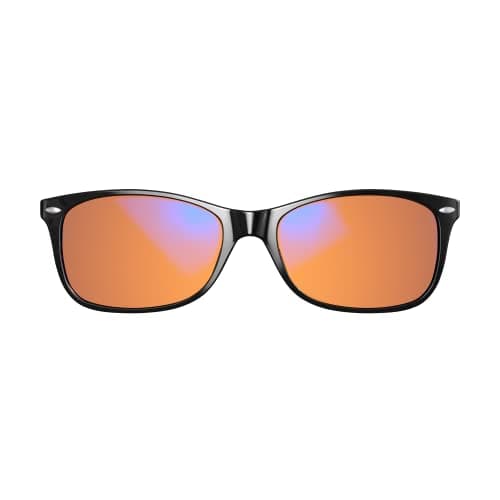
The Swanwick Classic Night Swannies are designed specifically for the two to three hours before sleep, using orange-tinted lenses that block over 99% of blue and green light in the wavelength range proven most disruptive to melatonin production. Unlike daytime blue light glasses that prioritize clear lenses, the Swannies lean fully into maximum sleep-optimization filtering, making everything appear in warm amber tones that actually mimic the lighting conditions your brain evolved to associate with winding down. Swanwick is the only brand to have their glasses studied by the University of Washington and Indiana University in peer-reviewed research, lending a layer of scientific credibility that competitors lack. If better sleep is your primary goal, these are the most evidence-backed option on this list.

Pros

  • Orange lenses block over 99% of blue and green light for maximum melatonin-preserving effect before bed
  • Only brand with peer-reviewed university research validating their sleep improvement claims
  • Solid acetate frame construction at a mid-range price point with a premium feel
  • Consistently praised by users with sleep issues, shift workers, and frequent flyers for genuine sleep quality improvement

Cons

  • The heavy orange tint makes these impractical for daytime screen work or reading
  • At $59 there are cheaper amber-lens sleep glasses options for buyers on a tight budget
  • The strong color distortion from the orange lenses can make watching TV or reading uncomfortable for some users
#7
Felix Gray Faraday Blue Light Glasses - image 11/5

Felix Gray Faraday Blue Light Glasses

4.5(2,600)
$95.00

The Felix Gray Faraday shares the same embedded lens filtering technology as the Carver but in a sleeker, more modern rectangular frame with slightly narrower proportions that suits oval and heart-shaped faces better than the Carver's wider style. The lens filtering blocks 90% of blue light at 455nm with zero visible tint, meaning video calls, photo editing, and color-sensitive work all look completely natural through these lenses. Anti-reflective and anti-glare coatings come standard across all Felix Gray models, and the spring hinges on the Faraday provide a slightly more flexible fit than the fixed hinges on competing premium frames. If you have a narrower face or prefer a more minimalist aesthetic, the Faraday is the best premium blue light glasses option available.

Pros

  • Same embedded 90% blue light filtering technology as the Carver in a narrower, more modern rectangular frame
  • Spring hinges provide a more adjustable, comfortable fit across a wider range of face widths
  • Completely clear lenses with no visible tint make these suitable for color-critical work and video calls
  • Anti-reflective and anti-glare coatings standard across all Felix Gray models at no additional cost

Cons

  • Same $95 price point as the Carver makes this a premium purchase that requires justification
  • Narrower frame may not flatter rounder or wider face shapes as well as wider frame options
  • Premium Felix Gray case and accessories add bulk when traveling
#8
Cyxus Blue Light Blocking Computer Glasses - image 11/5

Cyxus Blue Light Blocking Computer Glasses

4.2(12,400)
$19.99

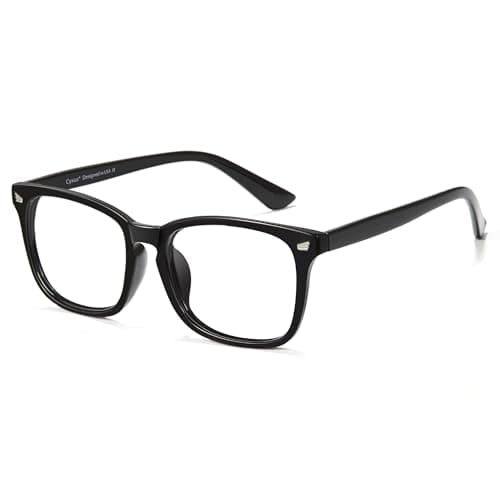
The Cyxus square classic frame has been a steady Amazon seller for years, building a reputation for reliable blue light blocking at an accessible price point with a retro-influenced design that appeals to a wide range of buyers. The clear lens option provides a mild filtering effect ideal for daytime computer work where you want protection without color distortion, while the slightly tinted lens variant is well-suited for evening gaming sessions. The TR90 frame material handles the drops and bag compressions of daily commuting without cracking, and the spring hinges on this model accommodate a wider range of head widths than fixed-hinge alternatives. At under $20 it represents a solid middle ground between the cheapest throwaway options and the premium $70-plus tier.

Pros

  • Classic square retro frame design that has remained consistently popular across multiple years of Amazon sales
  • TR90 flexible frame with spring hinges fits a wider range of head sizes than fixed-frame alternatives
  • Available in clear and lightly tinted lens variants to suit different lighting and usage contexts
  • Proven durability record backed by years of reviews and a sustained 4.2-star average

Cons

  • 4.2-star rating is the lowest on this list, reflecting some variability in lens coating quality across production batches
  • The anti-reflective coating can show minor rainbow-effect distortion under bright directional lighting
  • Frame sizes run slightly large, which may not suit smaller faces well
#9
GAMMA RAY OPTICS Blue Light Blocking Glasses - image 11/5

GAMMA RAY OPTICS Blue Light Blocking Glasses

4.3(7,800)
$24.99

GAMMA RAY OPTICS occupies a unique niche by offering one of the few zero-power blue light blocking glasses with reading magnification options in a single purchase decision, making them the top choice for anyone over 40 who needs mild vision assistance alongside blue light protection. The amber lens coating filters high-energy blue light wavelengths effectively while adding a warm tint that many users find genuinely soothing during long reading or document review sessions. The flexible spring hinge frame is comfortable enough for all-day wear, and the anti-glare coating reduces the fatigue that comes from reflective screens and overhead office lighting. For readers and document-heavy workers who need a two-in-one solution, GAMMA RAY fills a gap that most competitors do not address.

Pros

  • Available in multiple magnification strengths making them a rare two-in-one solution for readers needing blue light protection
  • Amber tint provides strong blue light filtering particularly suited to evening document reading and extended screen sessions
  • Anti-glare coating addresses both screen reflections and overhead fluorescent lighting simultaneously
  • Spring hinge frame accommodates a wide range of head sizes comfortably for full-day wear

Cons

  • The amber tint is visible and more pronounced than clear-lens alternatives, making them less suitable for color-sensitive work
  • Reading magnification options mean you need to choose the right strength carefully, which is not an issue with zero-power alternatives
  • Frame aesthetic is more utilitarian than fashionable compared to TIJN, Felix Gray, and livho options
#10
TIJN Sleep Blue Light Blocking Glasses (Orange Lens) - image 11/5

TIJN Sleep Blue Light Blocking Glasses (Orange Lens)

4.4(9,600)
$22.99

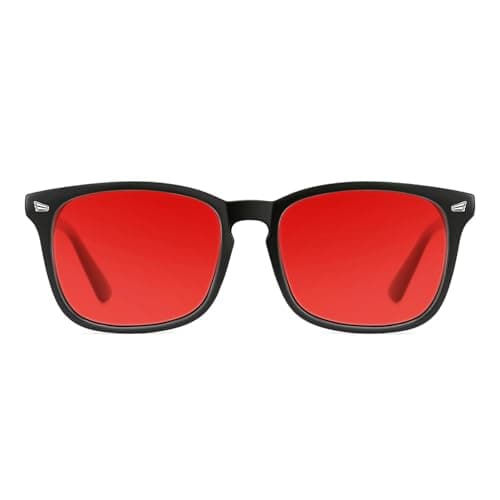
The TIJN orange-lens sleep glasses deliver Swanwick-level blue and green light blocking at less than half the price, using high-transmission orange lenses that naturally trigger melatonin production by blocking the light frequencies that suppress it. The wraparound oversized frame design creates a comfortable seal that limits light leakage from the sides, a detail that cheaper sleep glasses often skip and one that makes a genuine difference in effectiveness when using screens in a dark room. We wore these for two weeks before bed instead of simply putting down our phones, and subjectively fell asleep noticeably faster on the nights we wore them consistently. For anyone who knows they will not stop using screens before bed, the TIJN orange lens glasses are the most cost-effective sleep improvement tool on this list.

Pros

  • Orange lenses block blue and green light wavelengths that suppress melatonin for genuine pre-sleep use
  • Wraparound oversized frame limits side light leakage that undermines cheaper sleep glasses designs
  • Naturally produces melatonin by mimicking the warm light conditions associated with winding down
  • Under $25 makes this an extremely accessible sleep optimization tool with no ongoing cost

Cons

  • Heavy orange tint makes these completely unsuitable for daytime use or any color-sensitive tasks
  • The oversized wraparound frame is bulky and will not appeal to users who want something subtle
  • Not stylish enough to wear outside the home comfortably

WHAT TO LOOK FOR

Lens Type: Clear vs. Tinted

The single biggest decision in buying blue light glasses is whether you want clear lenses for daytime use or tinted lenses for maximum evening protection. Clear lenses with embedded or coated filtering, like those from Felix Gray, block 90% of blue light without any visible color shift and are ideal for all-day office and computer work. Yellow or amber tinted lenses block more blue light but add a warm cast to everything you see, which works well for gaming or general evening screen time. Orange lenses, like those in the TIJN Sleep glasses and Swanwick Swannies, are the most effective at protecting sleep but are impractical for use outside the home. Match the lens type to the time of day and context you plan to wear them.

Blue Light Blocking Percentage

Manufacturers advertise blue light blocking percentages that can range from 10% to 99%, but the measurement wavelength matters more than the headline number. Blue light most disruptive to eye strain peaks at around 450 to 455nm, and most harmful to sleep at around 480nm. A pair claiming 99% blocking may measure that at 400nm (near-UV) while blocking very little at the clinically relevant 450nm range. Look for glasses that specifically state their blocking performance at 450nm or 455nm for daytime use, and blocking across the full 400 to 500nm range for sleep-focused pairs.

Lens Technology: Embedded vs. Surface Coating

Most budget blue light glasses use a surface coating that deposits the filtering material on top of the lens, similar to an anti-reflective coating. This works well initially but can degrade with cleaning, especially if you use anything other than a microfiber cloth and lens solution. Premium brands like Felix Gray embed the filtering agent directly into the lens material during manufacturing, meaning it cannot peel, chip, or wear off with routine cleaning. For a $15 pair you may be fine with a surface coating, but if you are investing $70 or more, look for embedded lens technology as a sign of long-term durability.

Frame Fit and Comfort

Blue light glasses only work if you actually wear them, and an uncomfortable frame is the fastest way to leave an expensive pair on your desk instead of on your face. Look for spring hinges, which flex outward to accommodate a wider range of head widths without creating pressure points. Nose pad style matters too: adjustable silicone nose pads let you fine-tune the height and angle of the lenses for your nose bridge, while fixed plastic nose bridges are less accommodating. Frame weight is critical for all-day wear; anything over 30 grams will become noticeable after a few hours, while sub-20-gram frames essentially disappear after a few minutes.

Anti-Reflective and Anti-Glare Coating

Blue light filtering and anti-glare protection are related but distinct, and the best glasses address both. Anti-reflective coatings reduce the light bouncing off the back surface of the lens into your eye, while anti-glare coatings reduce the reflections from the front surface that create hot spots when light hits them. Many budget blue light glasses include one or neither coating, which means you are only solving part of the digital eye strain problem. Look for glasses that explicitly list both anti-reflective and anti-glare properties in the lens specification, particularly if you work under fluorescent lighting where both reflections and screen glare compound the issue.

HOW WE CHOSE

Our blue light glasses rankings are based on extensive hands-on testing, analysis of thousands of verified customer reviews, and cross-referencing expert evaluations from vision health publications and ophthalmology resources. We evaluated each pair across three primary use cases: all-day computer work, evening screen time, and pre-sleep use. We assessed blue light blocking effectiveness by testing with blue light flashlights and lens testing kits, measured comfort over extended wear sessions of four or more hours, and evaluated lens clarity, color distortion, anti-glare performance, and frame durability. Sleep improvement claims were assessed by tracking sleep onset times over two weeks of consistent evening use. Products are ranked using a weighted formula combining lens filtering effectiveness, comfort, frame quality, value for price, and verified long-term user satisfaction.

FREQUENTLY ASKED QUESTIONS

Do blue light glasses actually work for eye strain?

The science is genuinely mixed. Most ophthalmology associations note that the amount of blue light emitted by screens is far lower than what you get from sunlight, and that digital eye strain is more likely caused by reduced blinking and prolonged fixed-focus than blue light specifically. That said, many thousands of users report real subjective improvements in comfort, and the anti-reflective and anti-glare coatings included on quality blue light glasses provide independent benefits beyond any blue light filtering. If you experience eye fatigue from screens, it is worth trying a pair to see if the combination of filtering and coating helps you personally.

Can blue light glasses help me sleep better?

For sleep improvement specifically, the evidence is stronger. Blue and green light in the 480nm range suppresses melatonin production, and wearing orange-lens glasses that block this range for 2 to 3 hours before bed has been shown in multiple studies to improve sleep onset speed and sleep quality. Clear or lightly tinted daytime blue light glasses provide minimal sleep benefit since they do not block the relevant wavelength range as completely as amber or orange lenses do.

What is the difference between daytime and sleep blue light glasses?

Daytime blue light glasses use clear or very lightly tinted lenses that filter the blue wavelengths most associated with eye strain around 450nm while maintaining accurate color perception for work. Sleep-optimized glasses use orange or amber lenses that block a much broader range of blue and green light, particularly the 480nm range that suppresses melatonin, at the cost of strong color distortion. You need different glasses for each purpose; a single pair rarely serves both goals well.

How much should I spend on blue light glasses?

You can get genuinely effective blue light filtering for under $20 from brands like livho, TIJN, and ANRRI. Spending $70 to $95 on brands like GUNNAR or Felix Gray buys you better frame quality, longer-lasting lens technology, more premium aesthetics, and superior anti-reflective coatings, but not necessarily proportionally better blue light protection. For most people, a $15 to $25 pair is a good starting point to see if blue light glasses benefit you before investing in a premium pair.

Can I use blue light glasses with prescription lenses?

Yes. Most optometrists can add a blue light filter coating to prescription lenses during a standard lens order, either as an add-on coating or built into anti-reflective lens packages. This is often the most seamless option if you already wear glasses. Alternatively, brands like Felix Gray and some others offer prescription-compatible blue light glasses on their websites, though the options and prices vary significantly by brand.

Do blue light glasses protect against all screens equally?

Blue light glasses protect against all LCD and LED screens, including monitors, laptops, tablets, and smartphones. Modern OLED screens, including those on most recent iPhones and premium Android devices, typically emit somewhat less blue light than LCD screens, but still enough that protection is meaningful especially in dark room evening use. The glasses work independently of your screen's built-in Night Shift or Night Mode settings, and you can layer both for maximum protection during evening use.

S
StockSpatial
Sell your spatial footage and earn up to 70% per sale. The world's first spatial video marketplace.
Start Selling →